Beket-Ata Mosque: An Underground Sufi Shrine in Kazakhstan
Site at a Glance
- Rating
- 4.9
- Popularity
- Low
- Country
- Kazakhstan
- Primary era
- Modern
- Eras represented
- Modern
- Civilizations
- Unclassified
- Site type
- Religious
- Remains
- Mosque
On this page8 sections
History
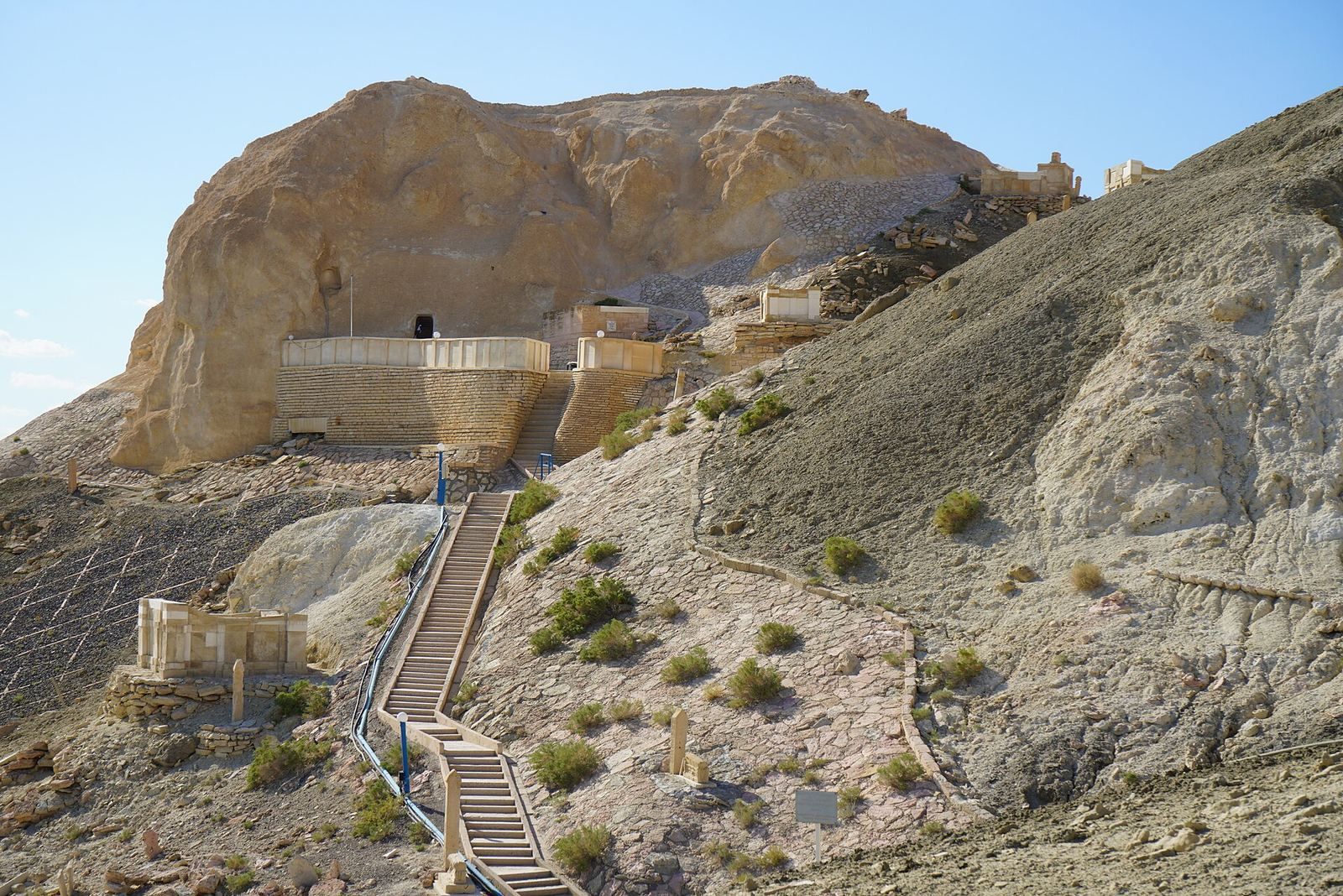
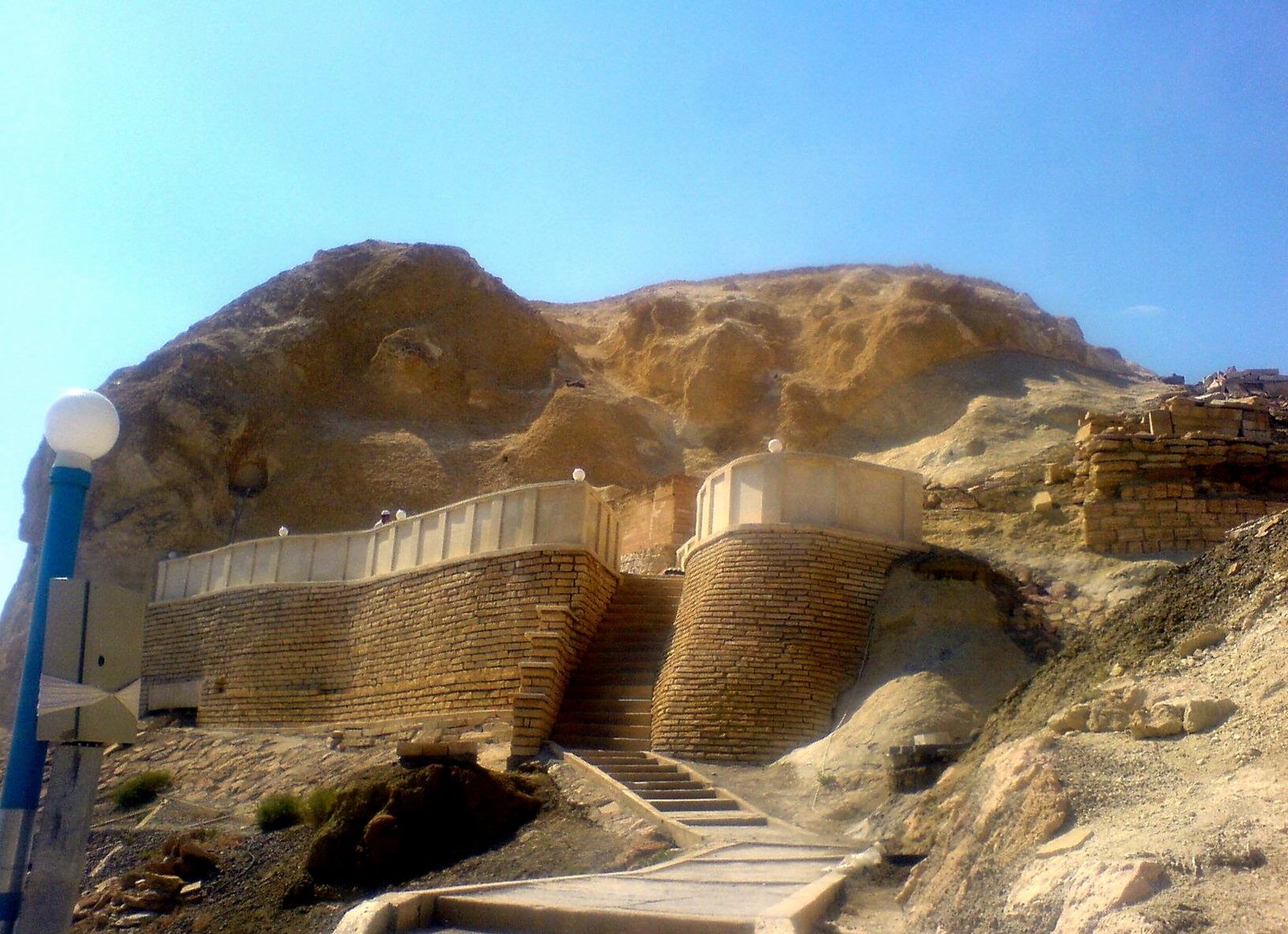
Beket-Ata Mosque is a historic underground religious and memorial monument in Kazakhstan, located in the Oglandy area of the Karakiya District in the Mangystau Region. Its exact construction date is uncertain. Carved into rock on Oglandy Hill, the mosque served as the retreat of the Sufi religious figure Beket Myrzagululy, known as Beket-Ata, and became his burial place after his death.
Beket-Ata and the sacred site
Beket-Ata was born in 1750 and studied in Bukhara before returning to his native region. He was remembered as a healer, seer, and learned man familiar with physics, mathematics, and astronomy. He had five mosques built in the region and became known among local religious scholars as a pir, a Sufi spiritual guide and revered religious leader.
The mosque continues to function as an active pilgrimage destination, receiving worshippers around the clock. Pilgrims commonly include the nearby Shopan-Ata cemetery in their itinerary. Local tradition connects that cemetery with an underground mosque attributed to Shopan-Ata, described as a disciple of Khoja Ahmed Yasawi, the major twelfth-century Turkic Sufi teacher whose spiritual lineage influenced religious traditions across Central Asia.
Study, protection, and recognition
Difficult access meant that systematic specialist study of the complex began only in the late 1960s. Architectural and cultural-heritage expeditions surveyed the site in 1973, 1978, 1980, 1982, and 1996. In 1982, the monument was placed under state protection as a monument of history and culture of republican significance. Strengthening, repair, conservation, and restoration took place in 1999–2000 and again in 2003.
In 2026, Beket-Ata Mosque was included in the UNESCO World Heritage List as part of the serial property “Rock Mosques and Associated Sacred Sites of Mangystau.” The inscription was made under criteria ii, iii, and vi.
Remains
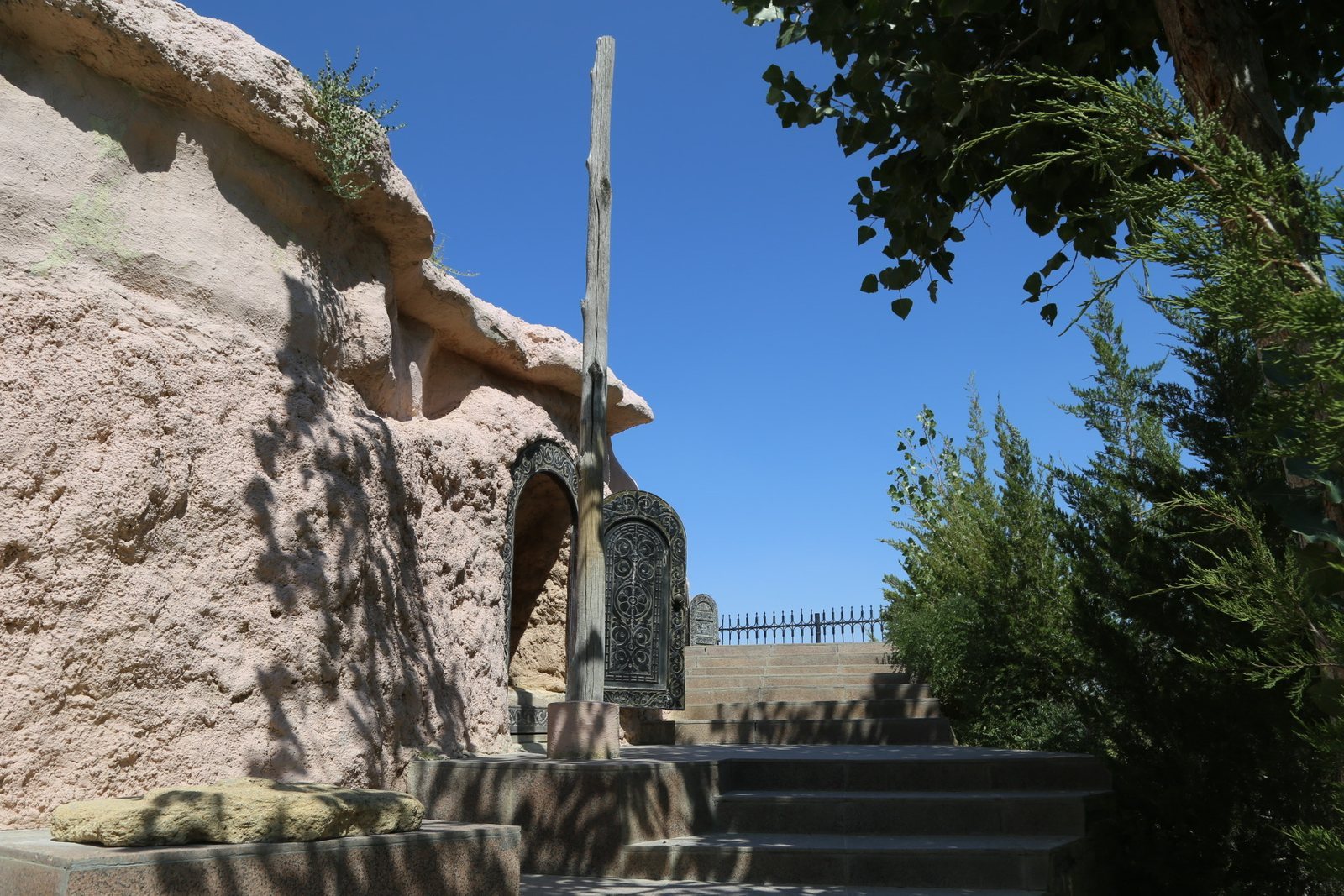
The mosque is an underground structure cut into rock on Oglandy Hill. It stands at a break in the southern Ustyurt escarpment, where the escarpment reaches the Mangystau depression, in the western escarpment zone of Ustyurt approximately 61 kilometres east-northeast of Senek. Its interior is organized as five chambers with rounded plans.
Rock-cut mosque
Chambers and prayer space
The southwestern chamber contains a mihrab, a niche indicating the direction of prayer toward Mecca. Openings in the dome of the northern chamber admit light. A niche in that chamber contains argali horns, adding a distinctive element to the interior of the rock-cut complex.
Beket-Ata’s burial place
Beket-Ata’s burial place occupies a niche in the northern chamber. The location of the burial within the underground mosque connects the building’s religious function with its role as a memorial shrine.
Funerary landscape
The steep slopes around the mosque contain numerous funerary structures dating from the nineteenth and early twentieth centuries. These include saganatams, kulpytases, and koitases, regional types of funerary monuments and grave markers scattered across the surrounding landscape.