Bastide du Jas de Bouffan: A Provençal Manor and Cézanne Museum in France


Site at a Glance
- Rating
- 4.1
- Popularity
- Low
- Country
- France
- Primary era
- Early Modern
- External website
- Open
- Eras represented
- Early Modern, Modern
- Civilizations
- French
- Site type
- Domestic
- Remains
- Manor House
On this page9 sections
History
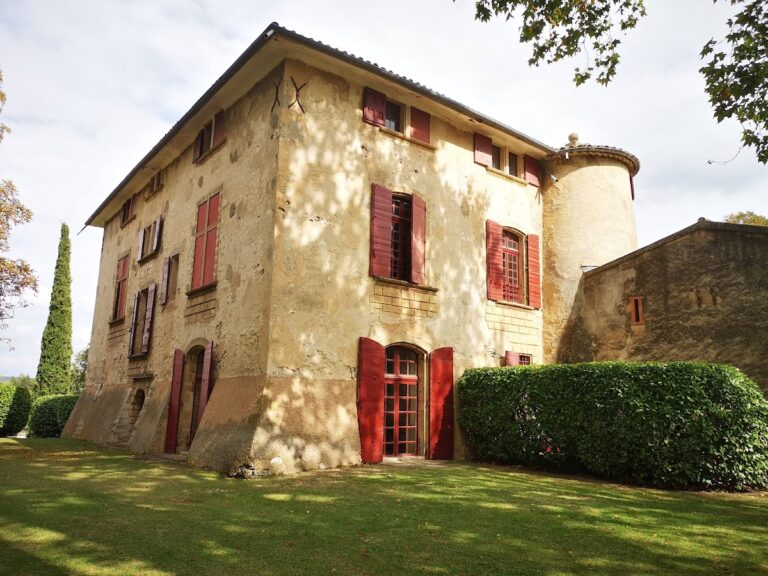
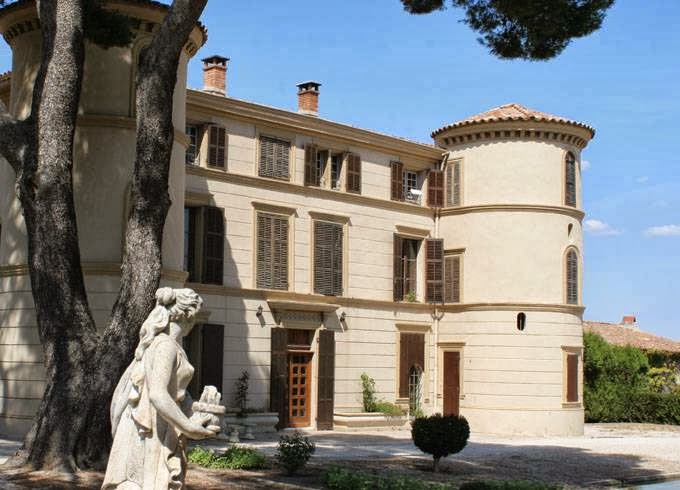
Bastide du Jas de Bouffan is an eighteenth-century Provençal manor house in Aix-en-Provence, France, built in the mid-eighteenth century for Gaspard Truphème, an adviser to the Court of Audits, by the Aix architect Georges Vallon. A bastide was a country house or manor traditionally connected with an agricultural estate, and this property developed as a substantial domain with residential, garden, and farming functions.
The Truphème family estate
The property remained with the Truphème family for several generations. Gabrielle, daughter of Gaspard Truphème’s grandson Joseph, transferred the estate to her son Gabriel Joursin in 1854. Five years later, banker Louis-Auguste Cézanne purchased the bastide as a second residence.
The Cézanne period
The Cézanne family moved to the estate around 1870, while Paul Cézanne lived and worked there for approximately forty years, from 1859 to 1899. The property became a setting for portraits, views of the park and its trees, and landscapes depicting Montagne Sainte-Victoire, the limestone mountain east of Aix-en-Provence, as well as the nearby Bibémus quarries. Agricultural workers from the estate posed for The Card Players.
Around 1885, Louis-Auguste Cézanne renewed the roof and arranged a small artists’ studio in the attic for his son. After his father died in 1886, Paul Cézanne continued to visit the bastide regularly to paint until his mother’s death in 1897. The paintings connected with the estate include The Jas de Bouffan of around 1876, Chestnut Trees at the Jas de Bouffan Estate, and other views of its park, ponds, basins, trees, and buildings.
Paul Cézanne sold the property with his two sisters in 1899. He later had the Lauves studio built north of Aix-en-Provence in 1901. Louis Granel, an engineer, acquired the bastide in the same year. Granel’s daughter married the anatomist Frédéric Corsy, and their son André Corsy lived at the property with his wife, Nina Wakhévitch, and their adopted children until his death in 2002.
Municipal museum and restoration
The municipality of Aix-en-Provence acquired the property during the 2000s and converted it into a museum devoted to the bastide, its park, and Cézanne’s history. It opened in 2006 during the “Cézanne in Provence” commemorative year, which marked the centenary of the painter’s death. The park has been classified as a historic monument since 16 March 1943, and the bastide has held that classification since 2001.
The bastide closed in 2018 for major rehabilitation. Architectural renovation coordinated by Pierre-Antoine Gatier was completed in 2020, followed by further work to recover the historic appearance of the park as represented in Cézanne’s paintings and to add ancillary buildings, including a ticket office. The property reopened to the public in June 2025.
Remains
Bastide du Jas de Bouffan occupies a domain of approximately 15 hectares. The Provençal country manor stands within grounds that combined domestic, agricultural, ornamental, and service functions. The estate included a farm, a sheepfold, a greenhouse, an orangery, gardens, a park, ponds, basins, fountains, and sculptures. An avenue of horse-chestnut trees leads from the park entrance, while views toward Montagne Sainte-Victoire form part of the landscape associated with the property.
The manor house
Oval living room
The ground floor contains a large oval living room. Between 1860 and 1870, Paul Cézanne painted twelve large mural compositions in this room. The murals were detached and dispersed around 1912, leaving the room as a surviving architectural setting for understanding the painter’s work at the estate.
Attic studio
A small artists’ studio was installed in the attic around 1885, when Louis-Auguste Cézanne renewed the roof. The space formed part of the house’s later association with Paul Cézanne and his practice at the bastide.
Park and estate features
The grounds preserve the connected elements of a large country estate, including the park, gardens, ponds, fountains, sculptures, and agricultural and service buildings. Cézanne used the house and grounds as subjects in works such as The Jas de Bouffan, Chestnut Trees at the Jas de Bouffan Estate, The Jas de Bouffan Pond in Winter, View of a Basin, and Trees and Houses near the Jas de Bouffan. Rehabilitation has sought to recover the historic appearance of these grounds and their relationship to the landscape represented in his paintings.