Alte Feste: German Colonial Fortress and Military Headquarters in Windhoek
Site at a Glance
- Rating
- 2.9
- Popularity
- Very Low
- Country
- Namibia
- Primary era
- Modern
- Eras represented
- Modern
- Civilizations
- German
- Site type
- Military
- Remains
- Fort
On this page6 sections
History
Construction and German rule
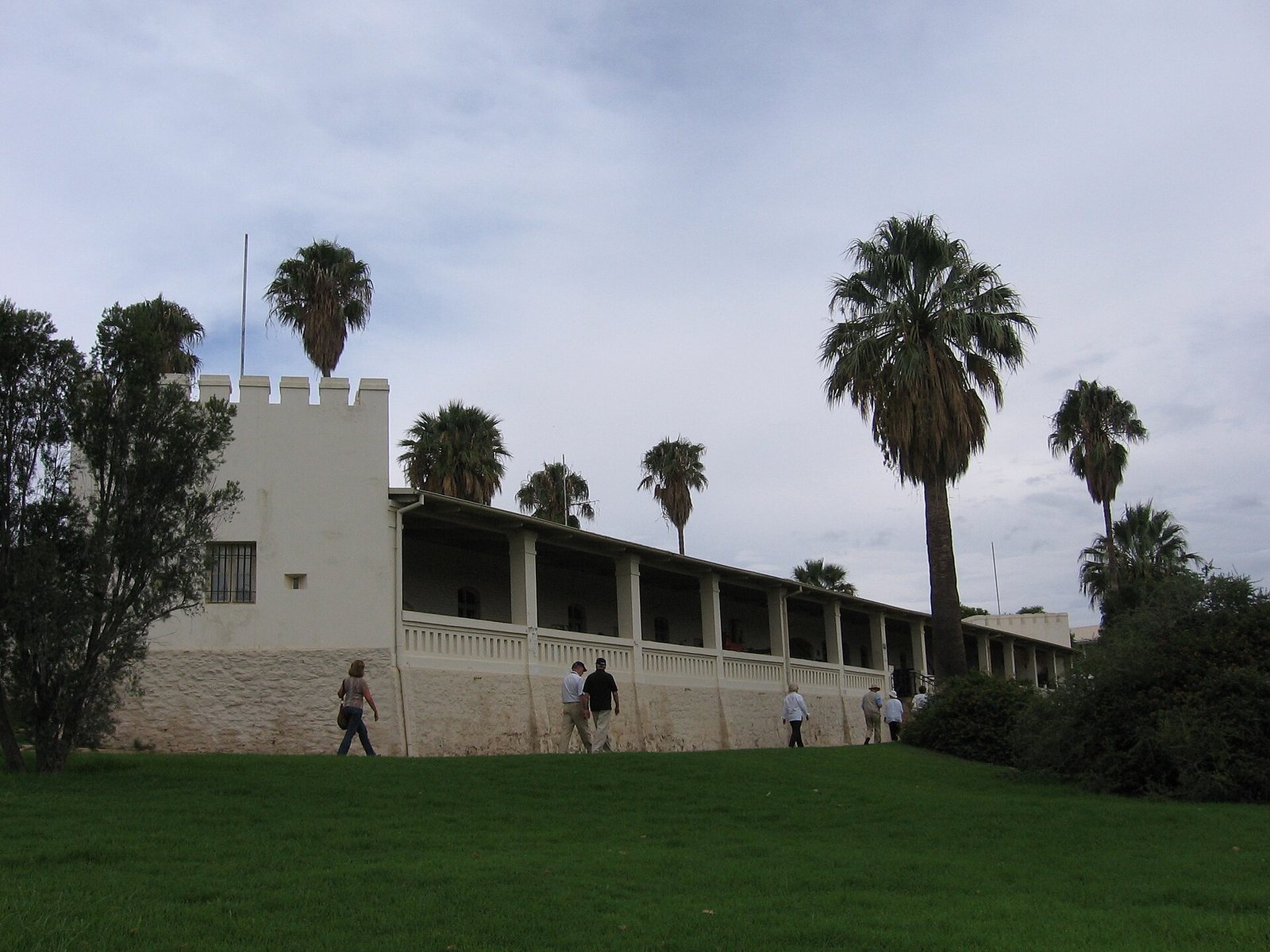
The Alte Feste is a fortress in central Windhoek, Namibia, built by the German Empire as the headquarters of its colonial Schutztruppe, the force responsible for military service in its overseas territories. Designed by Captain Curt von François, a German colonial military officer, the fortress dates to 1890–1893, with construction beginning on 18 October 1890. It was built during German rule in South West Africa, the colony that covered what is now Namibia.
German authorities chose Windhoek, then described as deserted and completely destroyed, as a buffer between the Nama and Herero, distinct peoples of southern Africa. The fortress itself never saw military action. Schutztruppe personnel settled around it as construction proceeded, helping lay the foundation for the growth of present-day Windhoek.
The fortress underwent repeated redesigns in its early years. Architect Gottlieb Redecker oversaw alterations from 1902, and the final layout was completed in 1915.
Occupation and later uses
After Germany surrendered in South West Africa during World War I, South African forces occupied Windhoek in March 1915. They made the Alte Feste their military headquarters.
In 1935, the building became a student hostel for the neighboring Windhoek High School. It was declared a National Monument in 1957 and underwent extensive renovation in 1963.
Following Namibia’s independence in 1990, the Alte Feste housed the historical section of the National Museum of Namibia.
Remains
Fortress layout
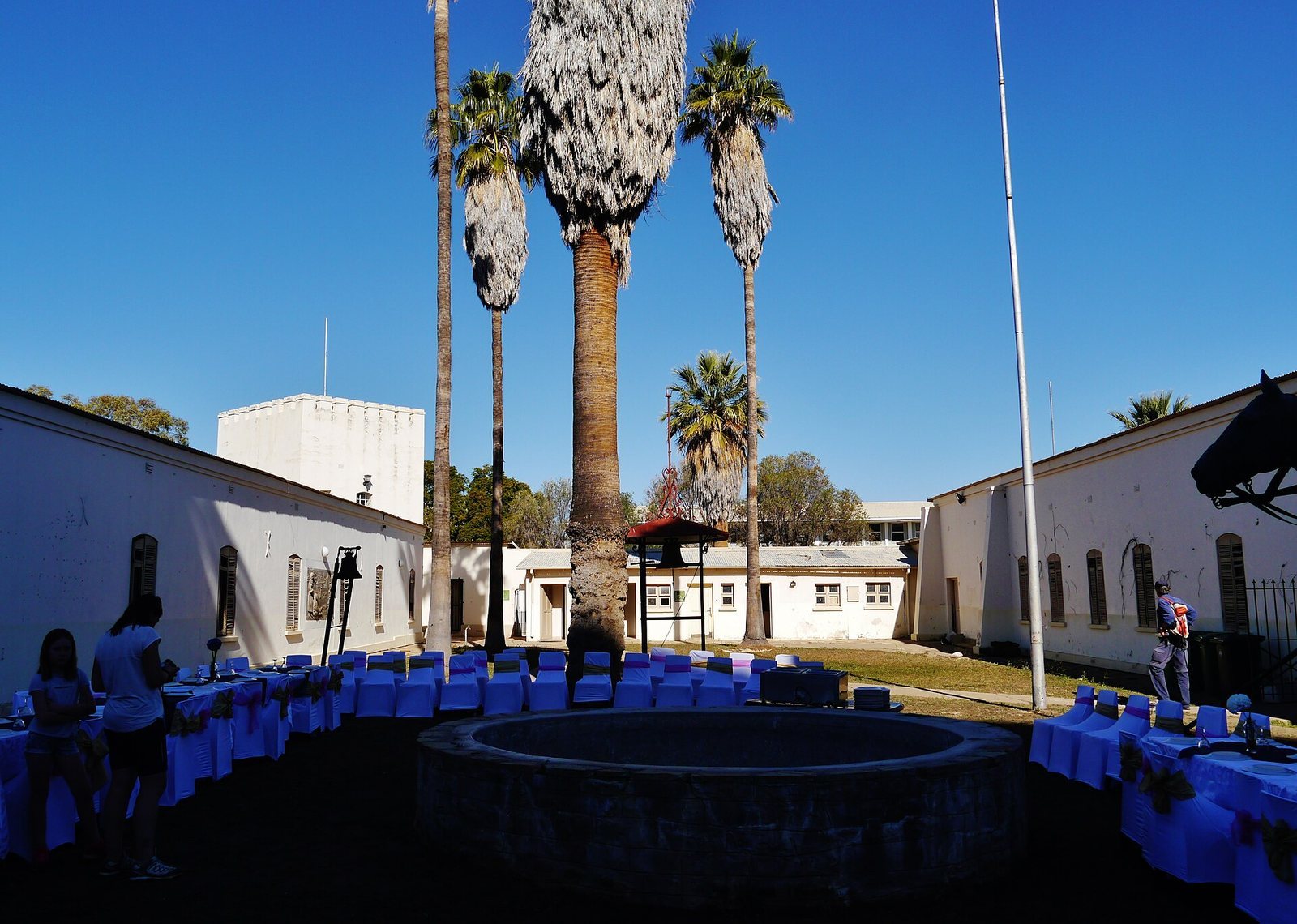
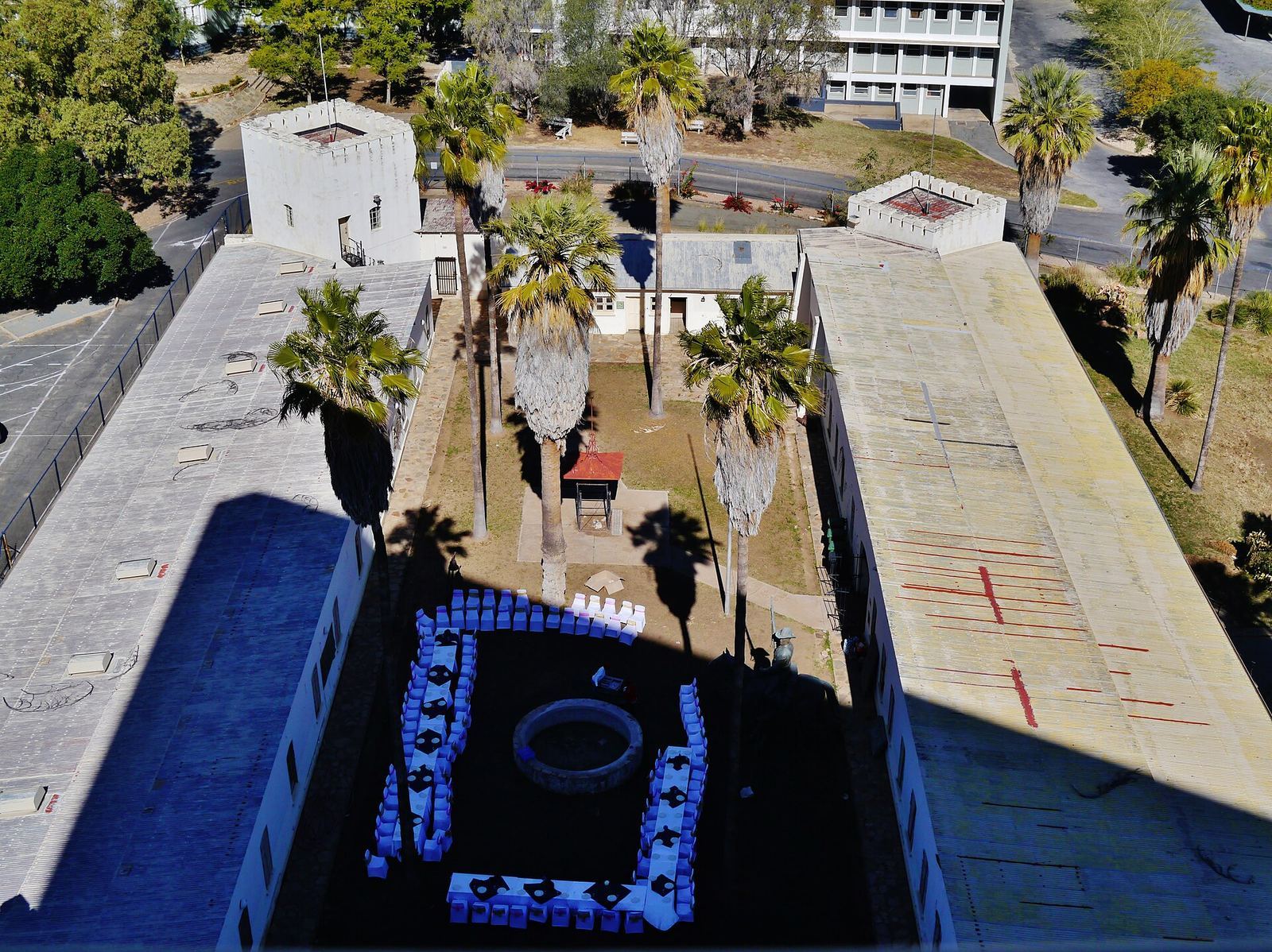
The surviving fortress is organized around an inner courtyard enclosed by high walls. Accommodation for troops lines the inside of the walls, and four towers form part of the layout.
Entrance monument
The Reiterdenkmal, an equestrian monument, stood in front of the fortress’s main entrance. It was inaugurated there on 14 November 2010 and removed on 25 December 2013.