Alexander Castle: A Nineteenth-Century Palace and Garden House in Bangladesh
Site at a Glance
- Rating
- 4.3
- Popularity
- Low
- Country
- Bangladesh
- Primary era
- Modern
- Eras represented
- Modern
- Civilizations
- British
- Site type
- Domestic
- Remains
- Palace
On this page7 sections
History
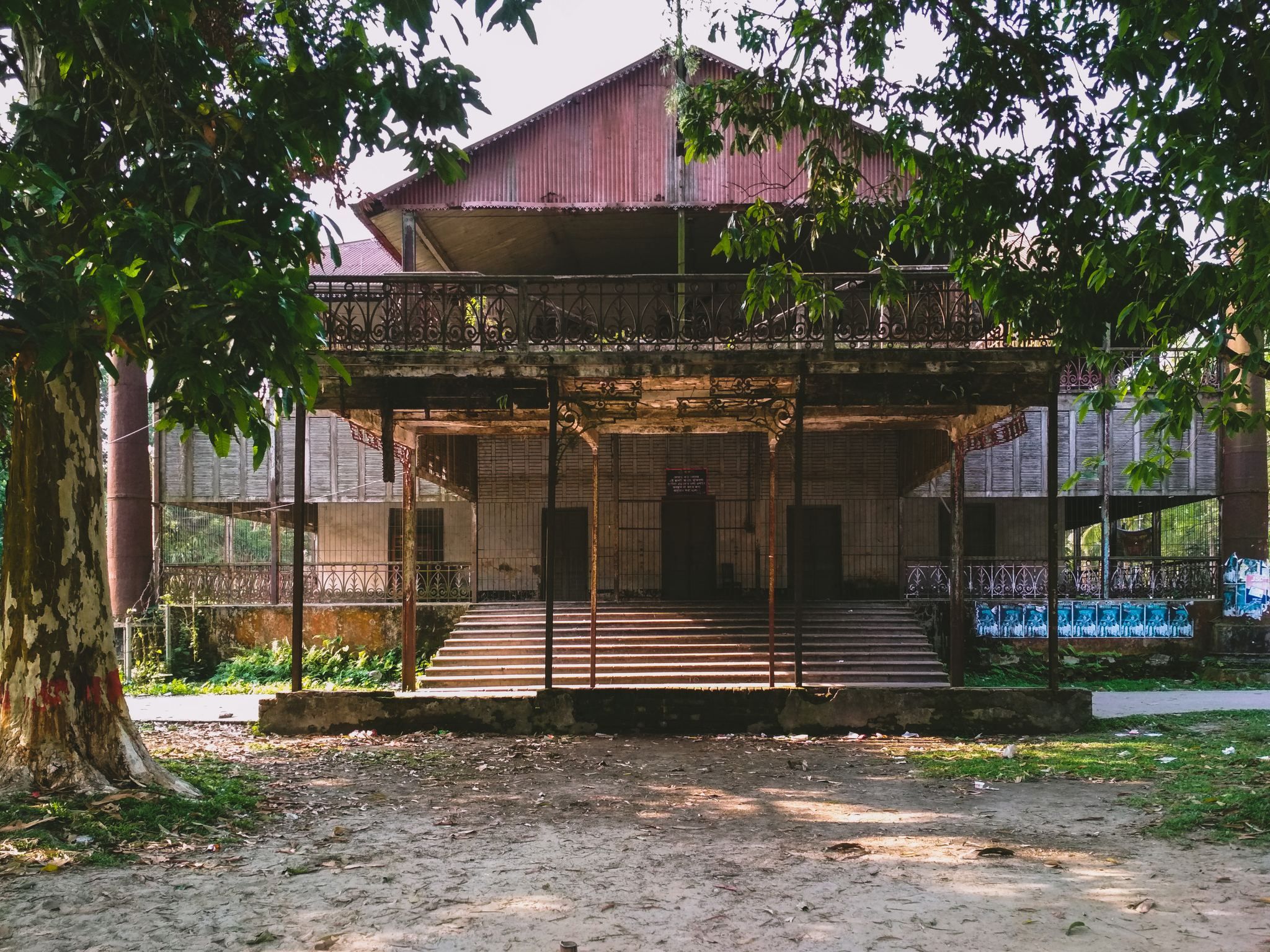
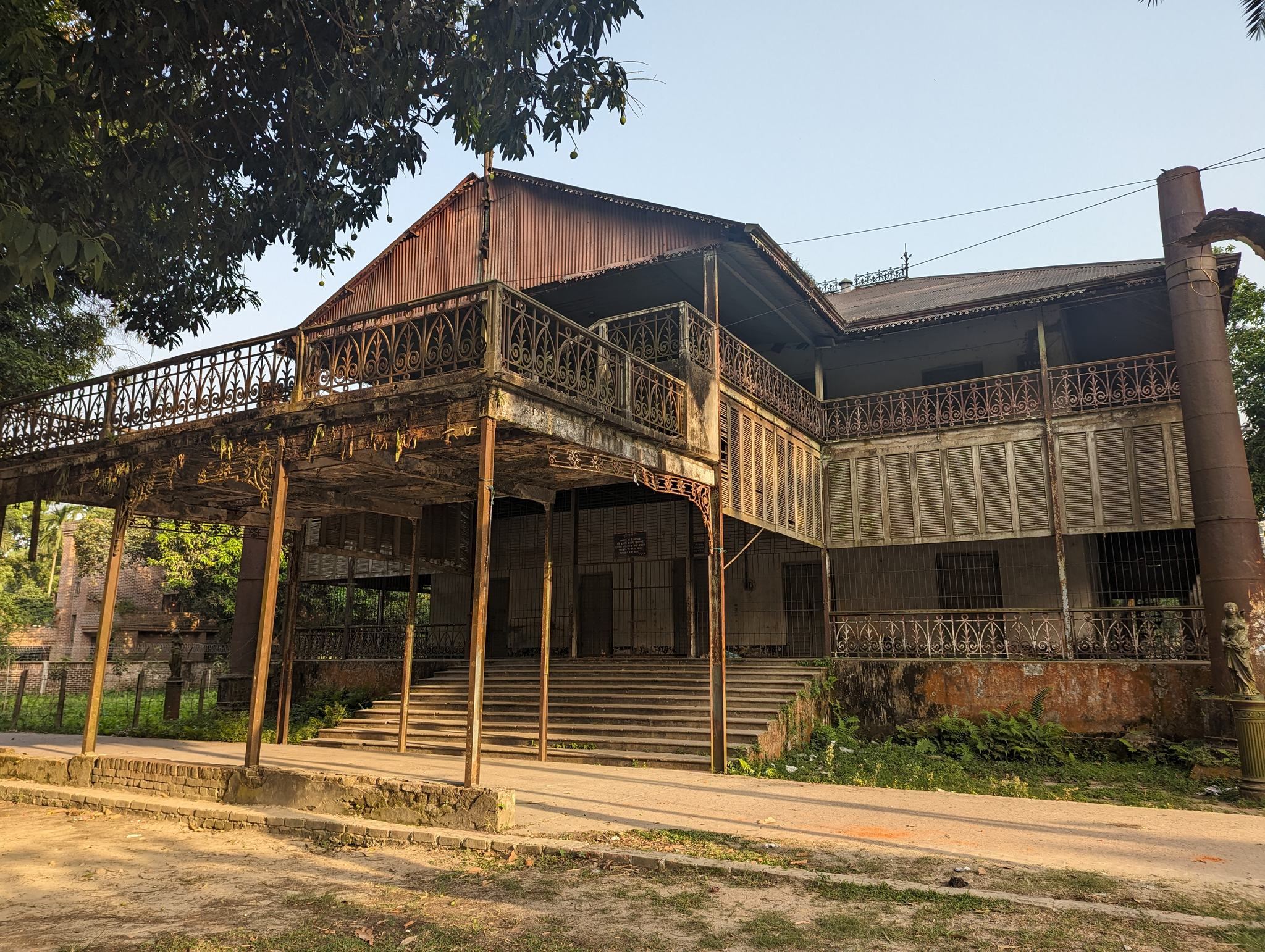
Alexander Castle, also known as Alexandra Castle and Iron Castle, is a nineteenth-century palace and bungalow-style garden house in Mymensingh, Bangladesh. Maharaja Sukanta Suryakant Acharya Chowdhury built it in connection with the centenary of Mymensingh district, which had been established in 1787. Its precise construction year within the nineteenth century is uncertain. The building’s iron construction gave it the popular names Iron Castle and Iron Kuthi.
Construction and name
The palace cost 45,000 rupees to construct. It was named Alexandra Castle after Alexandra, the wife of Edward VII, who also held the imperial title Emperor of India. The building stood near Court-Kachari, in the heart of Mymensingh, and formed part of a landscaped residence with ponds and gardens.
Visitors and later use
Alexander Castle became associated with several prominent figures. Rabindranath Tagore, the Bengali poet, writer, and intellectual who had received the Nobel Prize in Literature in 1913, stayed there from 15 to 19 February 1926 after visiting Mymensingh at the Maharaja’s invitation. He wrote many poems while sitting near a large tree on the grounds. Mahatma Gandhi, an Indian anti-colonial leader associated with nonviolent resistance to British rule, also visited the palace in 1926. Other distinguished visitors included Lord Curzon, Chittaranjan Das, Nawab Sir Salimullah, Kamal Pasha, Maulvi Wajed Ali Khan Panni, and Subhash Chandra Bose.
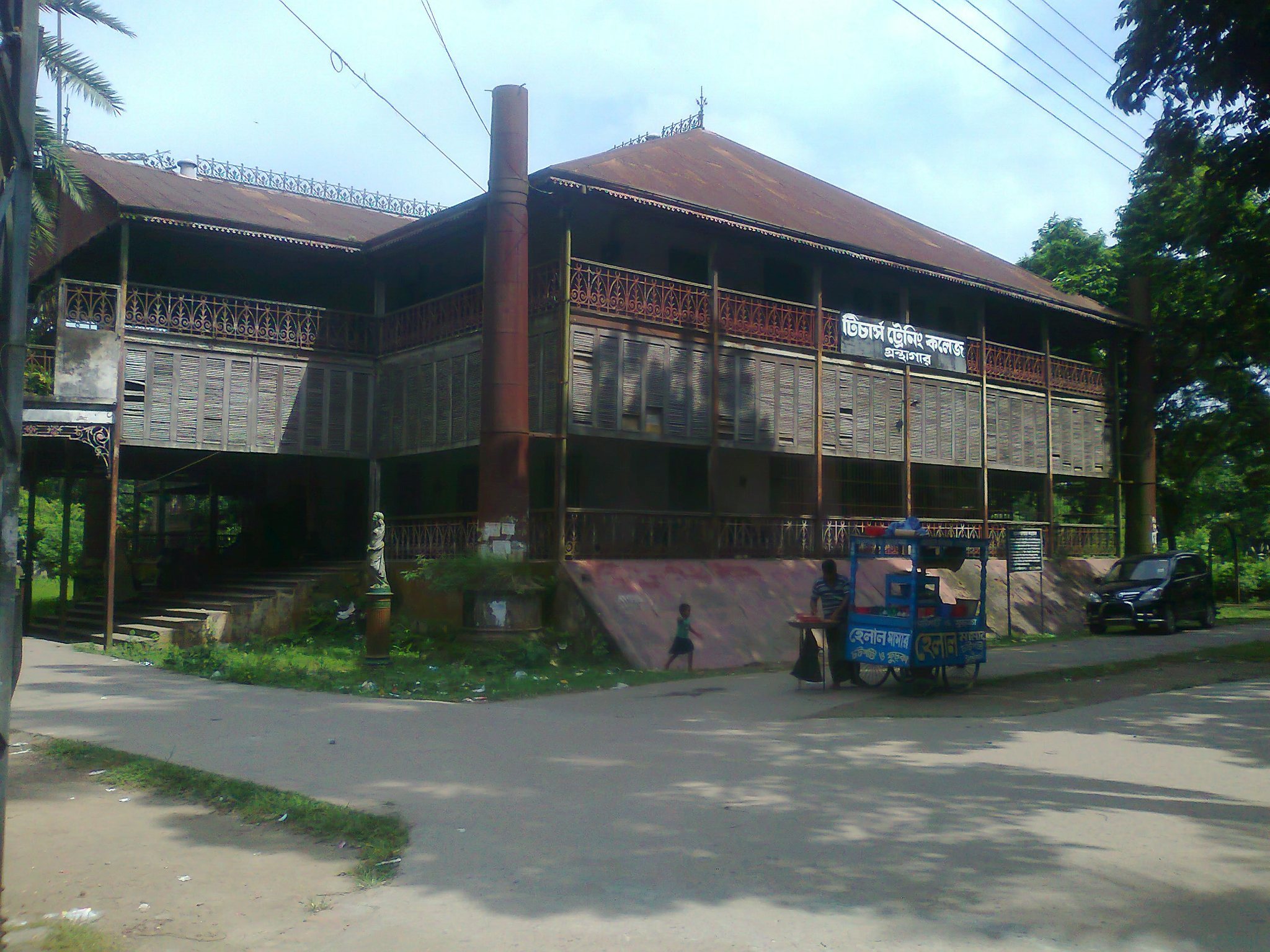
The palace is now used as the library of the Teacher Training College, an institution for the professional preparation of teachers.
Remains
Palace and grounds
Alexander Castle is a palace arranged in the form of a bungalow-style garden house. Iron forms a defining part of its construction and accounts for its continuing association with the names Iron Castle and Iron Kuthi. The grounds include ponds and gardens, placing the building within a landscaped setting near Court-Kachari.
Interior
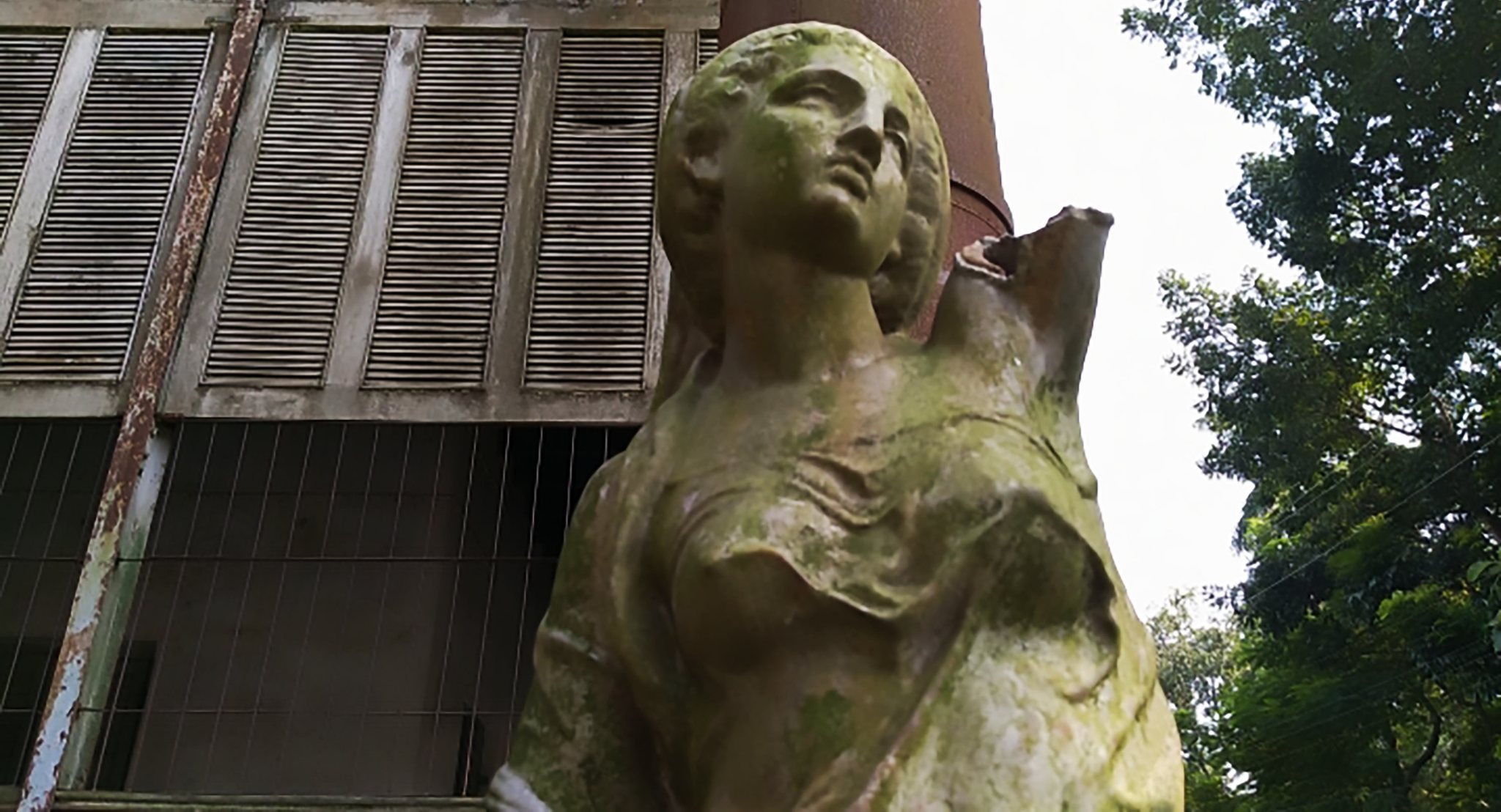
The interior included a white stone floor and was furnished with various royal furnishings after construction. The building continues to serve a public institutional use as the library of the Teacher Training College.
Gardens and ponds
The grounds contained gardens and ponds around the palace. A large tree on the grounds is associated with Rabindranath Tagore’s stay in February 1926, when he wrote many poems while sitting nearby.