Notre-Dame de la Blanche Abbey: A Cistercian Monastery on Noirmoutier
Site at a Glance
- Popularity
- Medium
- Country
- France
- Primary era
- Medieval
- Eras represented
- Medieval, Early Modern
- Civilizations
- French
- Site type
- Religious
- Remains
- Monastery
On this page6 sections
History
Foundation and relocation
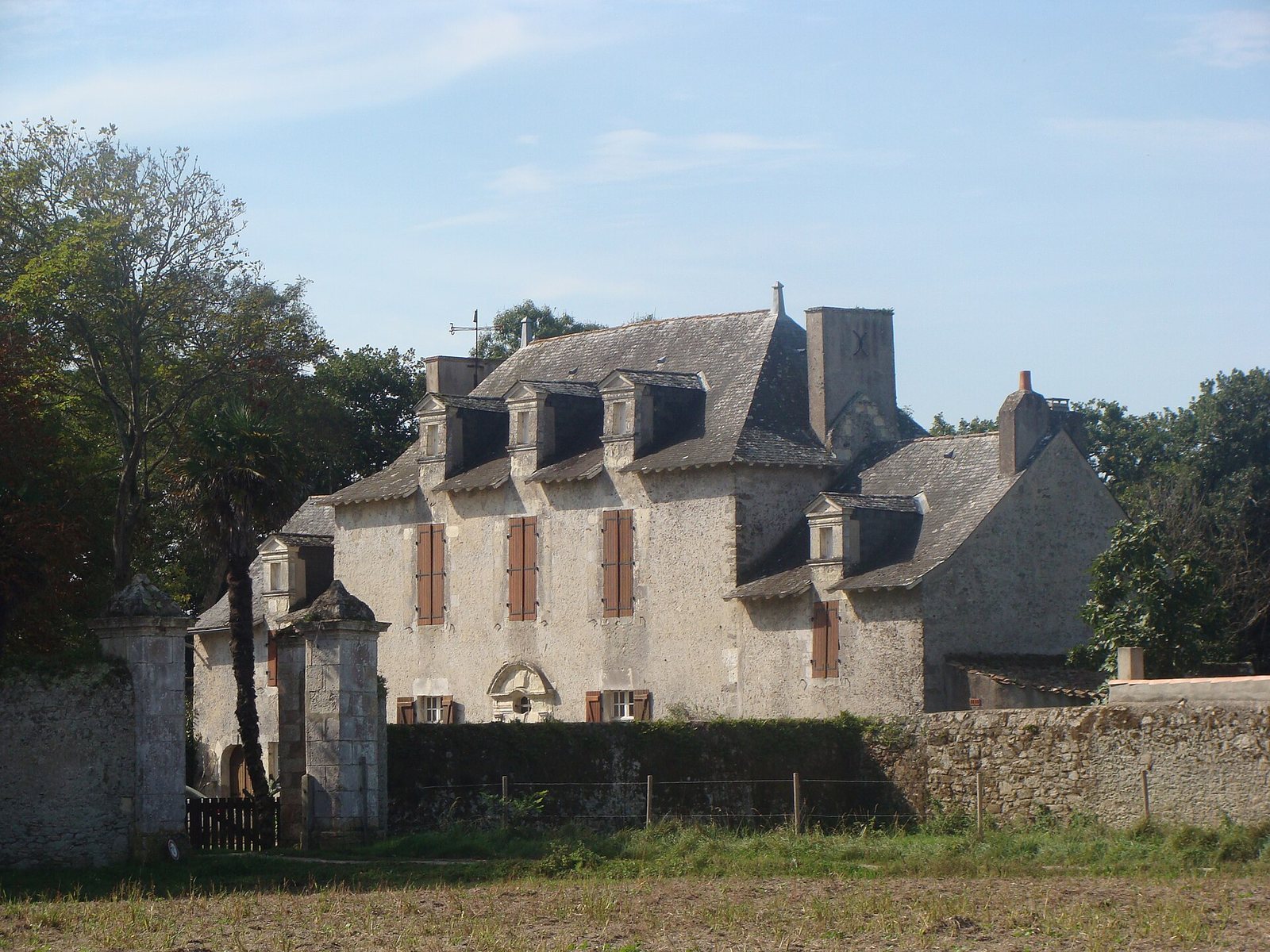
Notre-Dame de la Blanche Abbey is a Cistercian monastery on the northwestern part of Noirmoutier Island, France. Its community began in 1172 as a hermitage on the offshore Îlot du Pilier, founded by monks from Buzay. The Cistercians were a monastic reform movement that pursued stricter observance of the Rule of Saint Benedict. The islet subsequently became known as Île de Dieu, and the monastery was called the Abbey of Isle-Dieu, after having been known as the Abbey of Île-du-Pilier.
After 33 years, the monks left the exposed, restricted site. In 1205, Peter V of La Garnache, a local lord, gave them more spacious and hospitable land on Noirmoutier. There the house became known as the “White” abbey, a reference to the monks’ clothing. It was distinguished from the centrally located Benedictine Abbey of Saint-Philibert, called the “Black” abbey for the same reason. The Cistercian community was the more active of the two. Benedictine monks had fled Viking raids in the ninth century, and their return in the eleventh century left only a small priory dependent on Saint-Philibert of Tournus.
Monastic life and salt production
The abbey belonged to the Diocese of Luçon and was dedicated to Our Lady, a title for the Virgin Mary. Buzay was its mother house, while Clairvaux stood at the head of its Cistercian lineage, a network of monasteries linked to a founding house. Notre-Dame de la Blanche established no daughter abbeys. During the Middle Ages, salt was its principal resource compatible with monastic life. The monks put numerous salt marshes into production and received others on Noirmoutier and Bouin. They owned 3,800 salt-crystallization basins, shallow compartments in which salt formed, as well as a monastic farm estate at Orouet. Its relatively remote island position helped protect the abbey from destruction during the Hundred Years’ War, the prolonged conflict between the English and French crowns.
Commendatory abbots, plunder, and reform
From the early sixteenth century, the abbey was held in commendam, a system enabled by the Concordat of Bologna. Under it, the French king could appoint noble abbots who collected the monastery’s income without carrying out its religious duties. The Rohan, Gondi, and La Trémoille families held the abbey in this way. In 1562, people from Nantes and Huguenots from La Rochelle plundered it. Huguenots were French Protestants of the Reformed tradition.
Around 1611, the Breton Cistercian abbey of Prières introduced the Trappist reform at Notre-Dame de la Blanche. This movement encouraged a stricter and more austere form of Cistercian practice.
Revolution and later uses
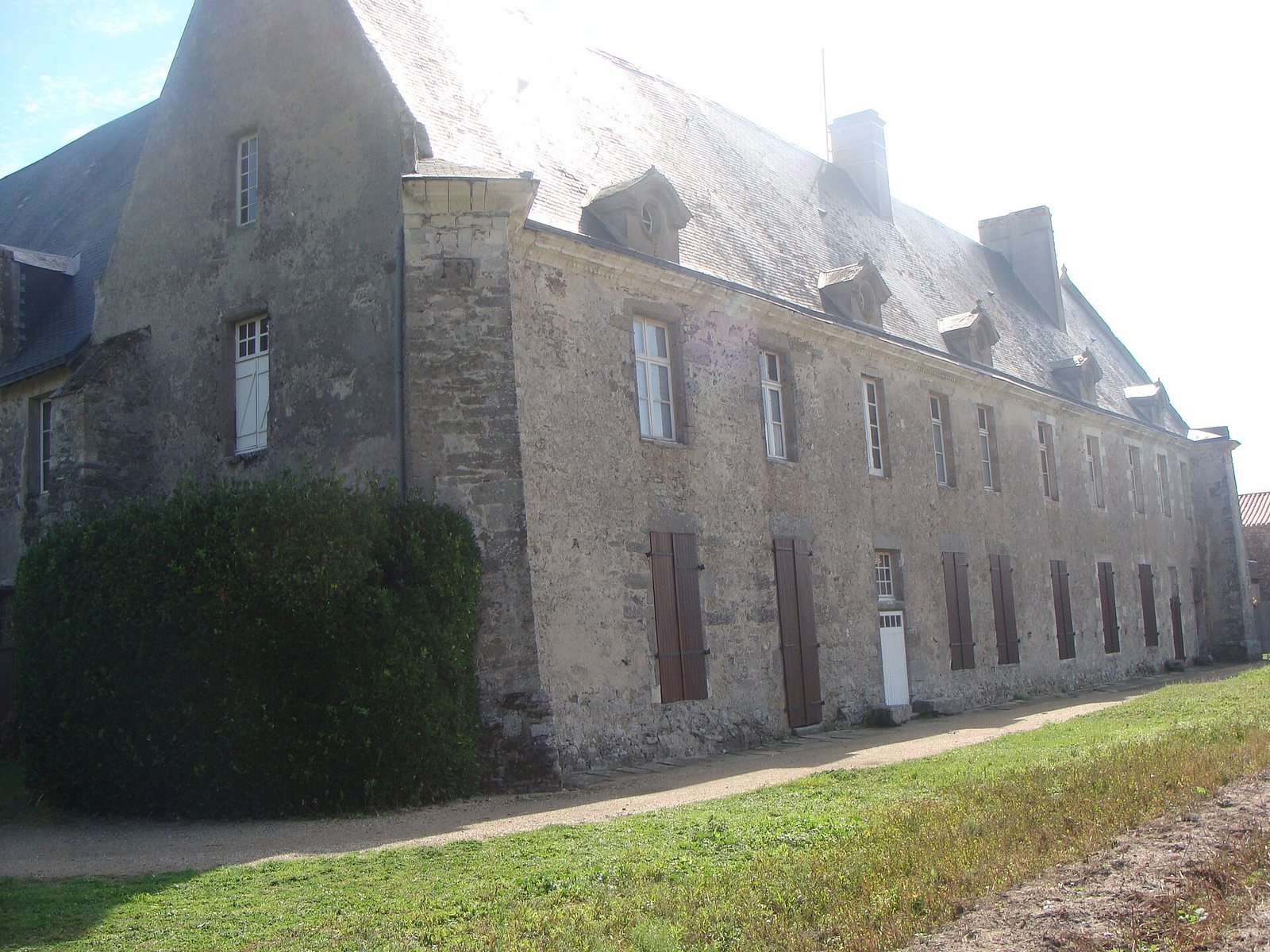
The French Revolution brought the monastery’s closure and its sale as national property. Its purchasers were Jacobsen, a private contractor involved in collecting royal taxes, and M. Hocquart, a member of the Parlement of Paris, then a high court. After inspecting the premises, Jean-Corneille Jacobsen took steps to protect the library. The Jacobsen family owned the abbey until 1869. During the War in the Vendée, a counterrevolutionary conflict in western France, it served as a military hospital; in the early nineteenth century, it was used for soda production. The Jeanneau family later acquired the property and remains its owner. Parts of the complex received French historic-monument protection in 1926, and the designation covered the whole complex in 1996.
Remains
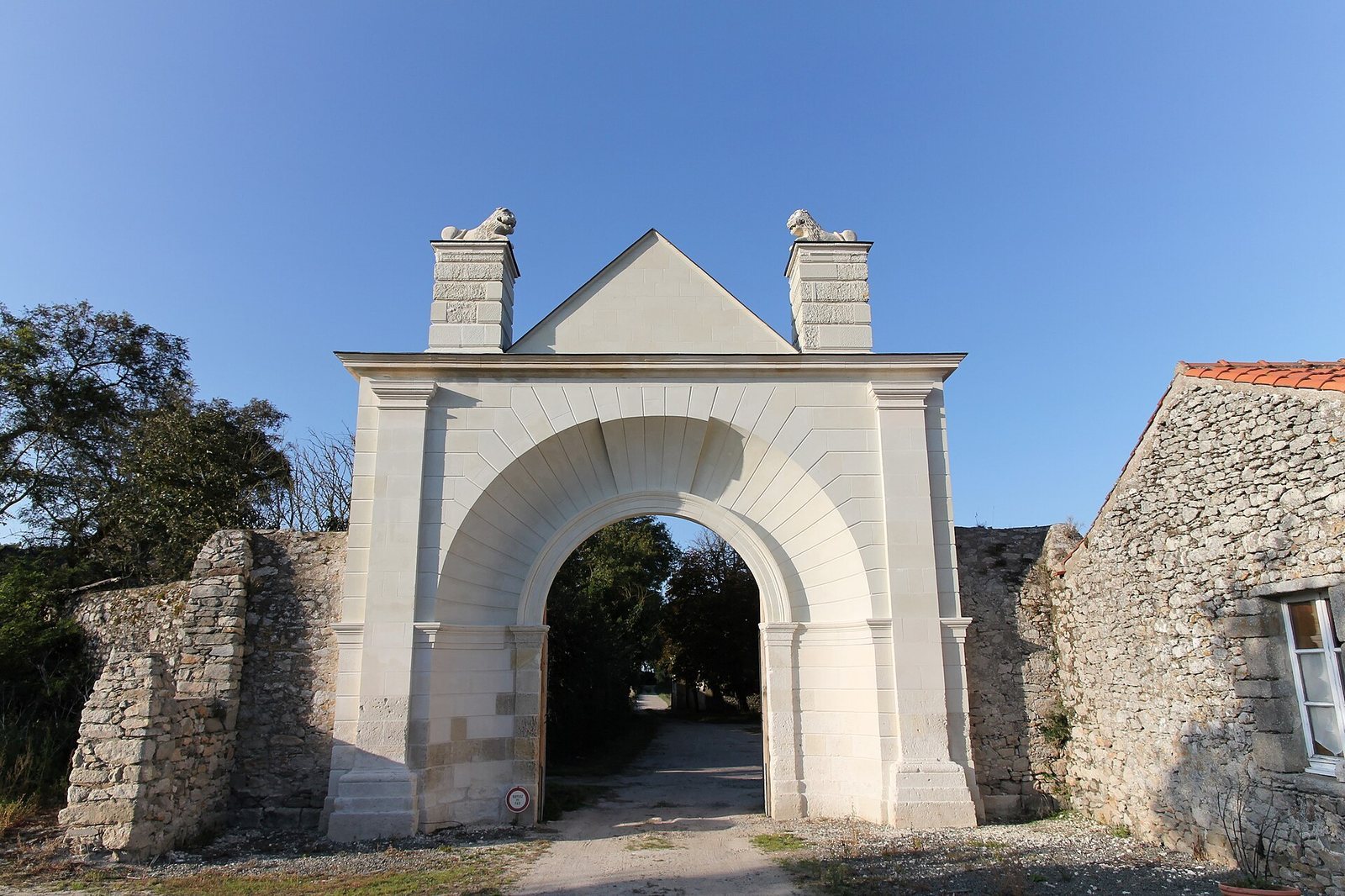
The surviving architecture includes the Lion Gate and a sculpturally decorated portal belonging to the abbey church. The gate originally dates to the thirteenth century and was remodeled in the seventeenth. The church portal also dates to the thirteenth century.