Greco-Bactrian Kingdoms: Sites and Map
The Greco-Bactrian kingdoms ruled lands around the upper Oxus in Central Asia during the third and second centuries BC. They belonged to the Hellenistic world that developed after Alexander’s conquests. The mapped collection brings together a river sanctuary, early settlements and museum objects, including coins whose portraits and inscriptions identify individual kings.
Primary Function: All
Type: All
Country: All
Popularity: All
Rating: All
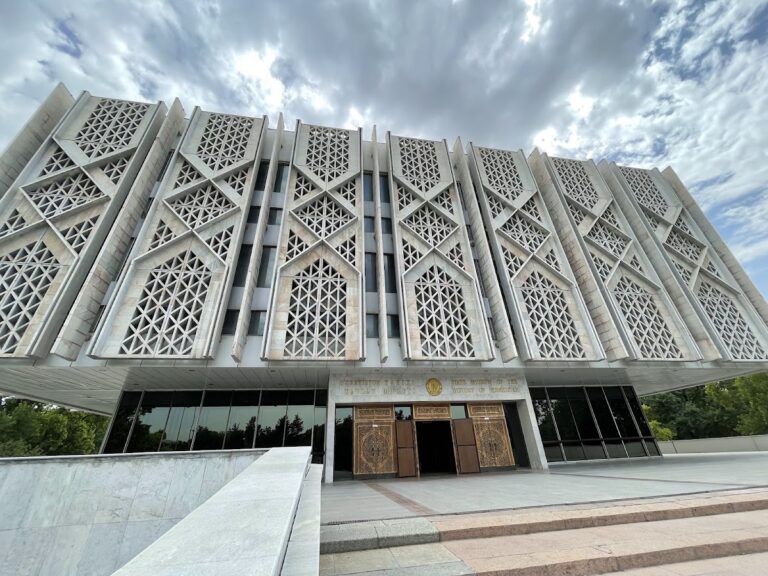
Founded in Tashkent in 1876, the State Museum of History of Uzbekistan preserves archaeological, numismatic, ethnographic, artistic, and documentary…
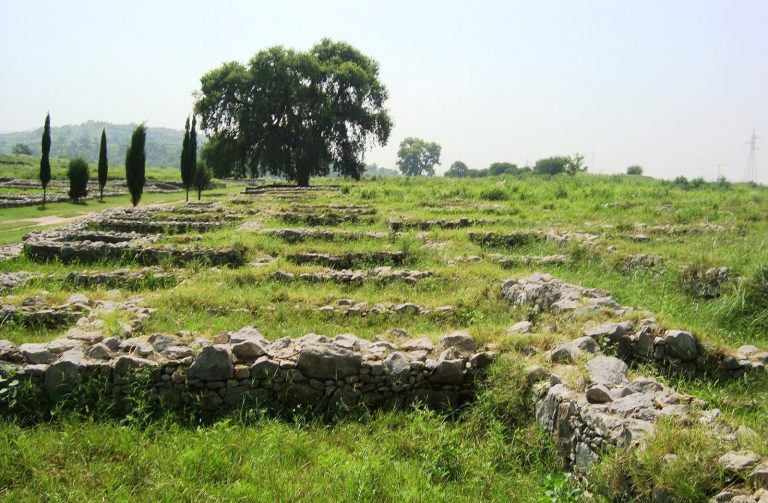
Sirkap was an ancient planned city at Taxila, founded by the Greco-Bactrian king Demetrius and later rebuilt under Indo-Scythian and Indo-Parthian…
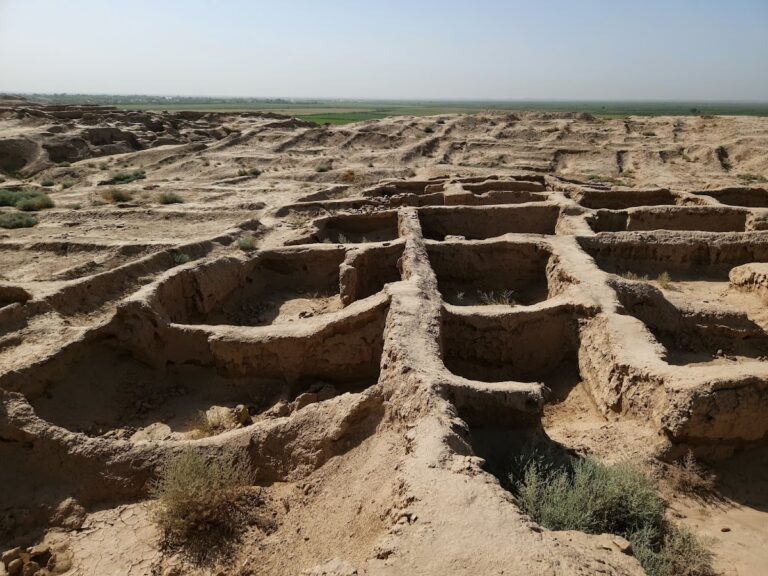
Alexandria Oxiana, identified with the archaeological site of Ai-Khanoum, was a major Hellenistic foundation in ancient Bactria. Its palaces,…
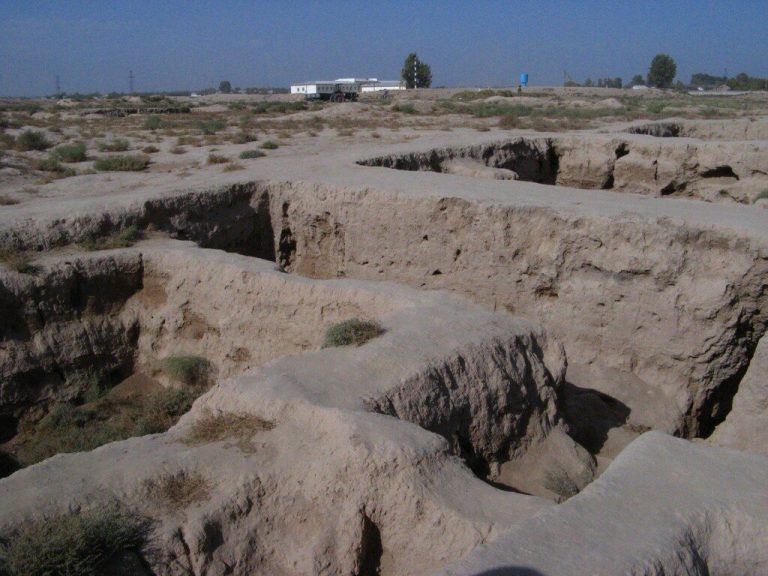
Dalverzin Tepe preserves the remains of a fortified settlement founded in the 3rd century BC, later expanded under the Kushan Empire and abandoned…
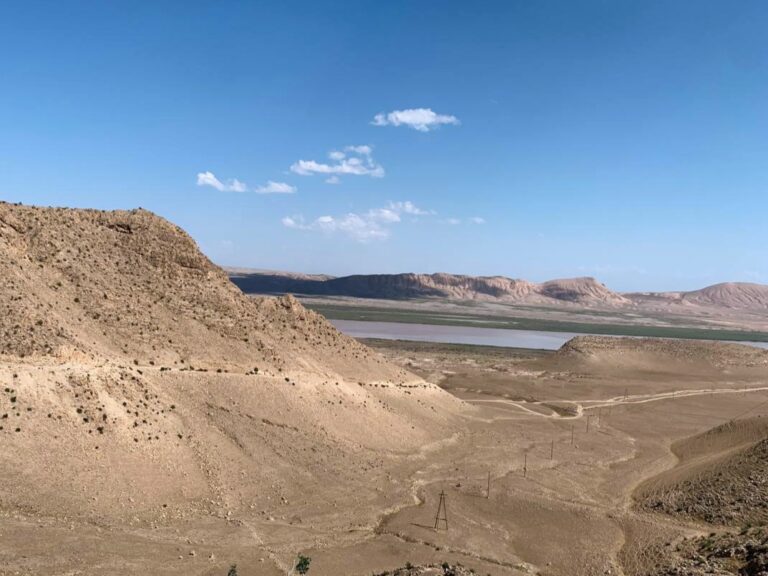
Takhti-Sangin was a Hellenistic and Kushan-period settlement near the confluence of the Vakhsh and Panj rivers. Its central Oxus Temple, rich…
For details on how to use the maps, which sites are included, how popularity and ratings are determined, and how sites are classified, see the help page.
Takhti-Sangin: a sanctuary of the Oxus
Takhti-Sangin in Tajikistan preserves a temple associated with the Oxus, the ancient Greek name for the Amu Darya. Its mud-brick buildings included a large courtyard, a columned entrance space and an inner hall with four roof supports. Corridors ran around parts of the central sacred area.
Offerings included weapons, ornaments and small images. One Greek inscription records a dedication to Oxus by a man named Atrosokes, accompanying a bronze figure playing a double-piped musical instrument. This particular object brings a Greek inscription and image into the worship of a local river deity. The sanctuary continued in use beyond the Greco-Bactrian period, accumulating material over several centuries.
Dalverzin Tepe: an early settlement beneath a later city
Dalverzin Tepe in Uzbekistan began as a small fortified settlement in the Hellenistic period. Its later expansion under the Kushans produced a much larger urban centre, with residential areas, workshops and Buddhist buildings.
The early foundation places the site within the settlement history of Bactria, while most of its more extensive architectural remains belong to subsequent development. The sequence traces the growth of a modest fortified place into a substantial regional city. Its workshops and religious buildings chiefly illuminate the later Kushan community.
Royal coinage in Tashkent
The State Museum of History of Uzbekistan in Tashkent is a modern museum, included here for the ancient material it preserves. Its Greco-Bactrian coins carry royal portraits and Greek inscriptions, giving names and titles to rulers whose buildings and written records are less fully preserved.
Coins were working money as well as small royal images. Their repeated designs made a king’s identity visible across exchanges, while differences in portraits and inscriptions help distinguish reigns. They provide a different kind of encounter with the kingdoms from the temple foundations at Takhti-Sangin: portable objects that can be studied in detail alongside the surviving archaeological sites.
Open the map markers or grid cards for the full accounts of the sanctuary, settlement and museum collections.