Charlemont Fort: An English Garrison and Barracks in County Armagh


Site at a Glance
- Rating
- 3
- Popularity
- Very Low
- Country
- United Kingdom
- Primary era
- Early Modern
- External website
- Open
- Eras represented
- Early Modern
- Civilizations
- English
- Site type
- Military
- Remains
- Fort
On this page5 sections
History
Foundation and English control
Charlemont Fort is a former English fortified garrison and barracks in the United Kingdom, at Charlemont in County Armagh on the Armagh bank of the River Blackwater. The English government built it in 1602 under Lord Mountjoy, the title of Charles Blount, to protect its conquered Irish territories from Irish clans seeking to recover their lands. The fort’s name came from Blount’s Christian name, Charles.
The first garrison numbered 150 men and was commanded by Sir Toby Caulfield. Caulfield’s descendants later adopted the name Charlemont from the place. As one of only a few modern fortresses in Ireland during the Irish Confederate Wars, the conflicts of the 1640s involving the Irish Confederates, English and Scottish forces, and other military groups, the fort held considerable strategic importance.
The Confederate and Williamite wars
Felim O’Neill, an Irish Confederate leader, captured Charlemont Fort in 1641. The seizure apparently took advantage of O’Neill’s position as a landowner: Lord Caulfield was invited to dinner, creating an opportunity for the takeover. The Ulster army of the Irish Confederates then held the fort throughout the 1640s.
Charles Coote, a Parliamentarian commander, eventually recovered the fort after receiving reinforcements from the New Model Army in late 1650. The New Model Army was the professional parliamentary force formed during the English Civil War. Hundreds of Coote’s soldiers were killed during the attempt to capture Charlemont.
During the Williamite War in Ireland, the conflict from 1689 to 1691 between supporters of James II and forces supporting William III, Charlemont was occupied by a Jacobite garrison under Teague O’Regan. Jacobites supported James II and the Stuart claim to the British and Irish crowns. Despite the strength of the fort’s defenses, shortages of provisions compelled the garrison to surrender to Williamite forces in April 1690.
Later garrison and destruction
Charlemont Fort continued to serve as a garrison until 14 February 1858. Its recorded governors included Henry Barry, 3rd Baron Barry of Santry; John Tichborne, appointed in 1719; John Johnston, who served before 1754 until his death in 1770; James Gisborne, appointed on 8 September 1770; Lieutenant-General Guy Carleton, 1st Baron Dorchester, from 27 February 1778; Chapple Norton, from 12 November 1808; Albemarle Bertie, 9th Earl of Lindsey, from 31 March 1818; and Sir John Doyle, 1st Baronet, from 21 September 1818.
On 30 July 1920, around forty armed Irish Republican Army men seized the fort while a caretaker occupied it and set it on fire. The ruins were sold in 1921 to a masonry contractor for building materials, further reducing the surviving fabric.
Remains
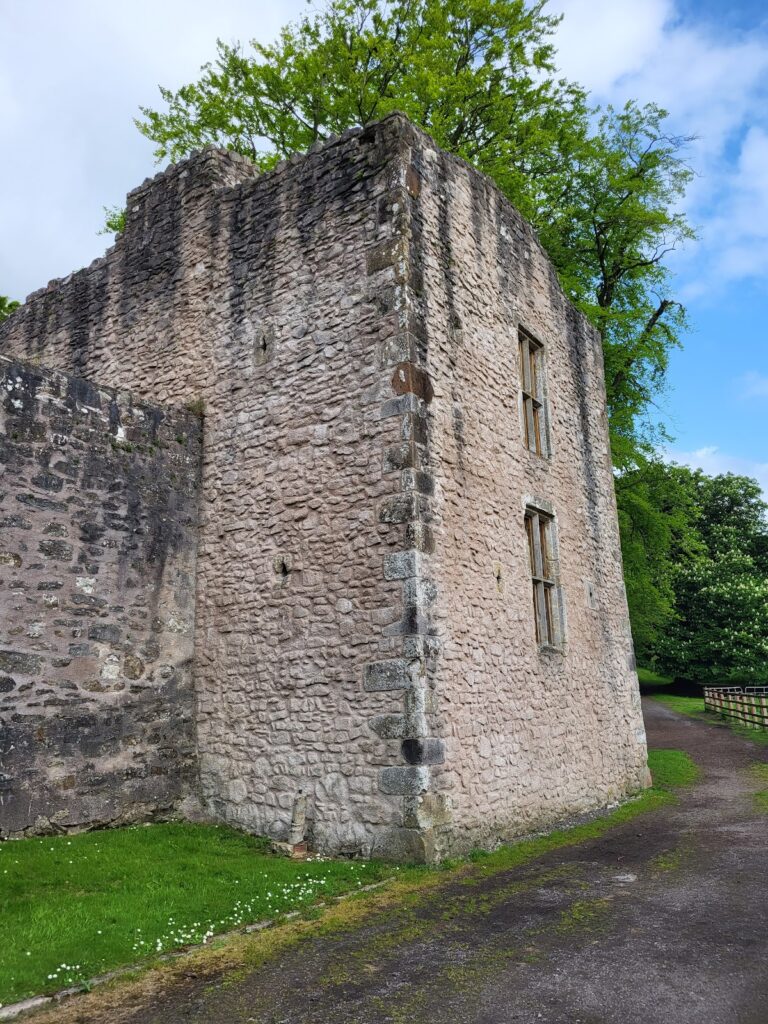
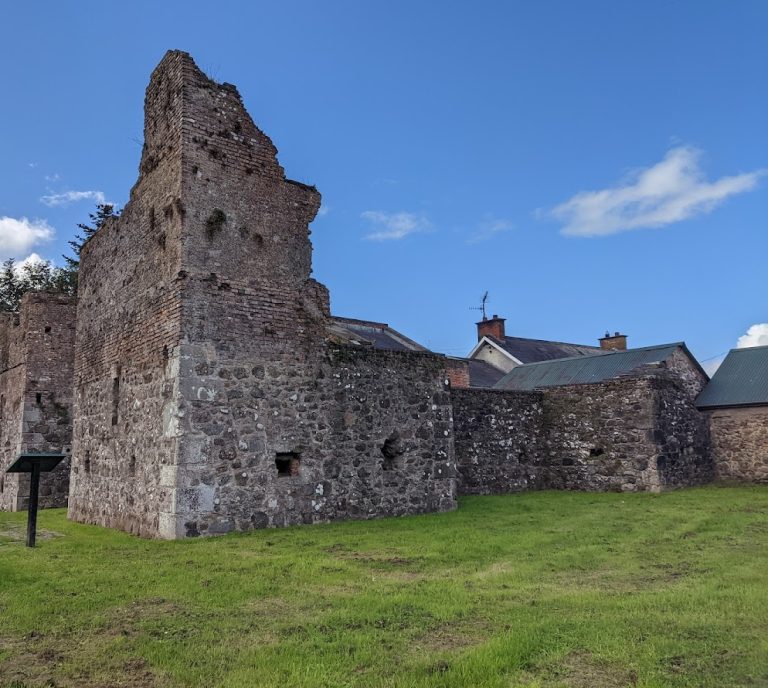
Charlemont Fort was a fortified garrison installation rather than a domestic castle. A fire in 1920 destroyed the fort, and the gatehouse is the only building stated to remain. The ruins were subsequently sold in 1921 for use as building material, leaving the gatehouse as the surviving architectural element of the former military complex.