Zindan Fortress: A Defensive Stronghold in Lankaran, Azerbaijan
Site at a Glance
- Rating
- 4.2
- Popularity
- Very Low
- Country
- Azerbaijan
- Primary era
- Early Modern
- Eras represented
- Early Modern
- Civilizations
- Unclassified
- Site type
- Military
- Remains
- Fort
On this page8 sections
History
Zindan Fortress, also known as the Round Fortress, is an eighteenth-century defensive stronghold in Lankaran, Azerbaijan, constructed as part of the Lankaran Fortress system and commonly dated to 1747–1786. Together with a similar northern stronghold, it formed the southern and northern defensive positions of the larger system. The two strongholds supported the city’s defenses during local wars until 1869.
Construction and Military Use
The construction of the two strongholds may have been ordered by Nadir Shah, the eighteenth-century Iranian ruler and military leader also known as Nader Shah Afshar. Zindan Fortress and its northern counterpart guarded the southern and northern ends of the Lankaran defenses. After Russian troops occupied Lankaran, the walls of the larger fortress were destroyed and the military fortress was dissolved. The two strongholds consequently became separate structures.
In 1869, a lantern was placed on the roof of the northern stronghold, which then began operating as a lighthouse. The lighthouse is currently administered by the Caspian Shipping Company, while Zindan Fortress entered a different phase of use.
Prison and Later History
From 1869 to 1959, Zindan Fortress served as a prison. It continued in that role during the Soviet period in Azerbaijan, and its name, “Zindan,” comes from a word meaning “dungeon” or “prison.” Joseph Stalin may have been imprisoned there in 1903–1904 after being convicted of robbing a mail train. This episode remains uncertain, and he may later have escaped with help from his comrades.
A sewing workshop operated inside the fortress from 1970 to 1990. State protection was granted under Decree No. 132 of the Cabinet of Ministers of the Republic of Azerbaijan on 2 August 2001, when the building was included on the list of architectural monuments. Major repairs followed in 2006 as part of a regional socioeconomic-development plan, after which an art gallery was installed in the fortress.
Heavy snowfall in February 2015 destroyed part of the roof and left the monument in an unsafe condition. Reconstruction was included among Ministry of Culture projects financed through state-budget capital investment for 2020–2023.
Remains
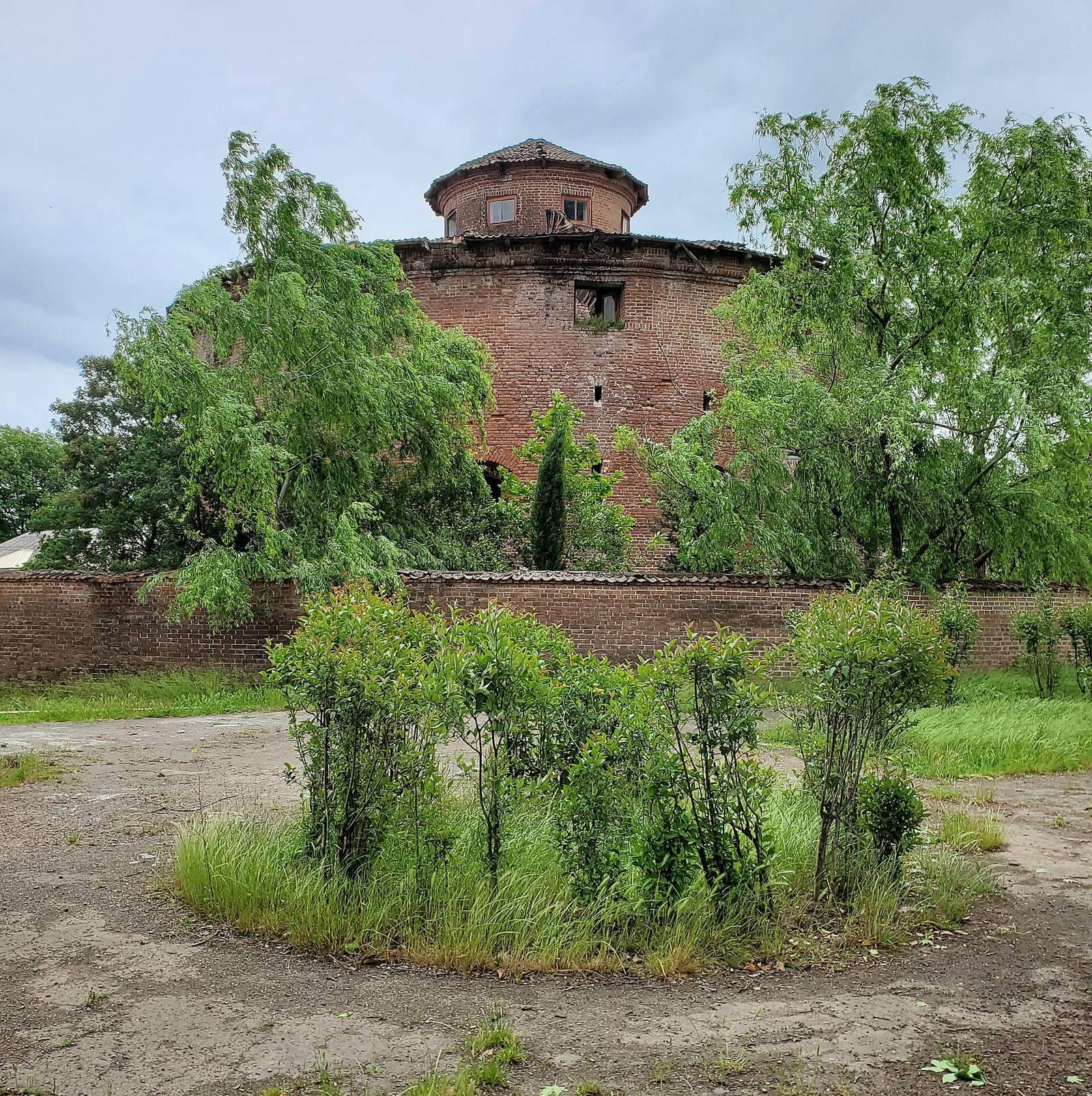
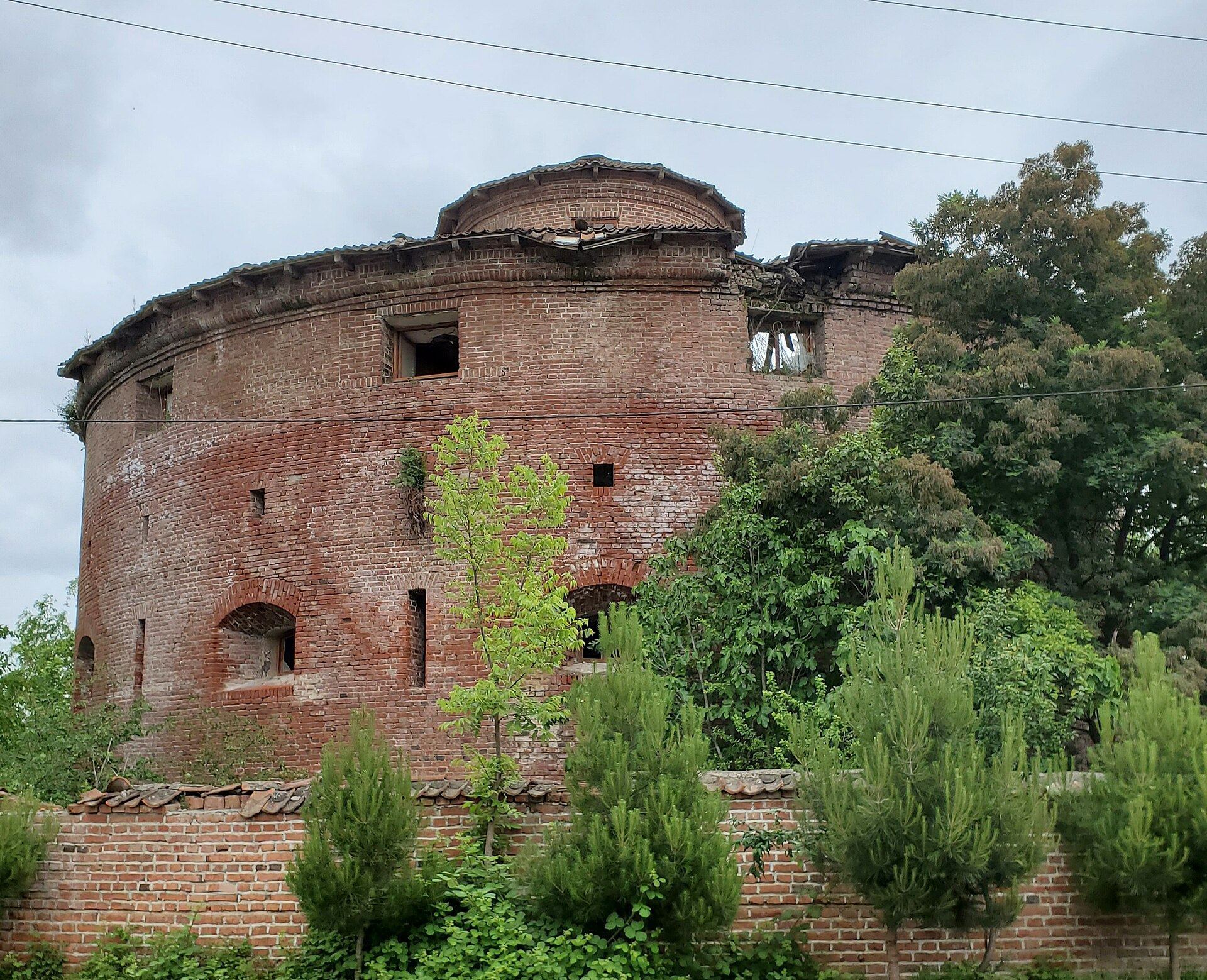
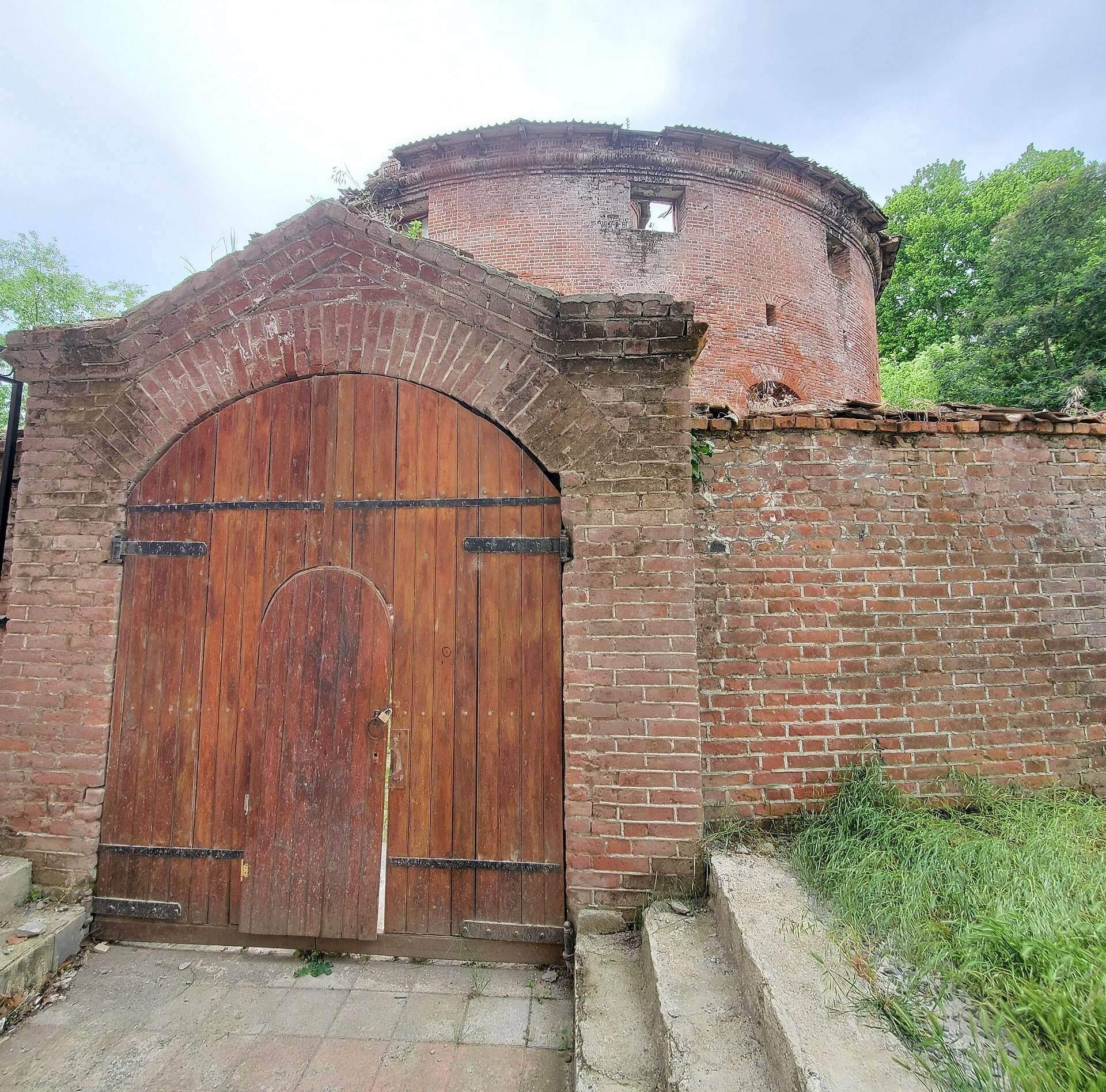
Zindan Fortress survives as a large, round tower-like structure measuring approximately 20 metres in height and 72 metres in diameter. Its load-bearing walls are about 2.8 metres thick at the base and 1.5 metres thick at the top. The surrounding enclosures of Zindan Fortress and the Lankaran Lighthouse formed the front section of the former Lankaran Fortress.
Fortress and Underground Connection
Round Fortress
The circular fortress has massive load-bearing walls that narrow from the base toward the top. Its roof was partly destroyed by heavy snowfall in February 2015, and the building was subsequently considered unsafe. Repairs in 2006 brought an art gallery into the restored monument.
Secret Tunnel
An underground tunnel connected the Round Fortress with the lighthouse. It was high enough for two people to pass through while standing upright. Later groundwater flow made the passage unusable.
Lankaran Lighthouse
The related stronghold became a lighthouse after a lantern was installed on its roof in 1869. This structure formed part of the front section of the larger fortress system alongside Zindan Fortress.