Roman Funerary Practices: Burial, Cremation and Remembrance
Roman funerary practices encompassed the religious rituals related to funerals, cremations, and burials. These practices were rooted in the mos maiorum, an unwritten code that shaped Roman social norms. Elite funerals often included processions and public eulogies, allowing families to celebrate the deceased’s life and their own social standing. Political elites sometimes hosted public feasts and games after funerals to honor the dead and enhance their public image. Gladiatorial games originated as funeral gifts for high-status individuals.
High mortality among infants and young children made death a recurring household experience. Adults who survived childhood had passed the period of greatest mortality risk and could live for many further decades. Roman demography explains the estimates of lifespan and population behind this pattern.
Arranging a funeral and preparing the procession
Rules about burial and limits on displays of mourning appear in Roman law, though practice and enforcement changed. Households, patrons and associations could share responsibility for funerals. Professional workers supplied transport, preparation and burial services according to means and local arrangements. Publicly funded funerals could honour people judged to have served the community. Municipal arrangements also addressed bodies requiring removal and burial. Inscriptions commemorate enslaved people and freedpeople through their relationships with partners, households and fellow members.
The funeral trade involved several roles. A dissignator organised a procession, while people associated with libitina supplied funerary services. Bearers, grave diggers and others performed practical tasks.
The rules of Diana and Antinous at Lanuvium, inscribed in AD 136, provided 300 sesterces for the funeral of a paid-up member, including a share for those attending. Members could be sent to arrange a funeral away from town. If an owner withheld an enslaved member’s body, the group could use an image in a symbolic funeral. Roman collegia explains the association’s common fund and other duties.
Preparation could involve washing, dressing and laying out the body, followed by lamentation and visits. Relatives, household members and professional attendants could participate. Clothing, music and the number of mourners made status visible in larger funerals.
Prominent funerals included a procession and public address. Families displayed the deceased’s achievements and ancestral distinction, presenting their lineage before those attending. Eulogies and the appearance of mourners made the ceremony an occasion for the survivors’ public claims as well as mourning.
Cremation, burial and funerary monuments
Cremation and inhumation coexisted, with different regional and chronological preferences. Cremation was prominent in late Republican and early imperial Rome, while inhumation became increasingly common during the second century AD, before Christianity gained imperial support. Columbaria provided niches for urns and could serve household groups or associations, rather than functioning simply as public burial for the poor. Sarcophagi, graves and later underground cemeteries likewise accommodated varied communities and resources.
Cremation required fuel, a prepared pyre and collection of the remains for deposition. Inhumation required a grave or other burial space for the body. Offerings and sacrifice accompanied some rites, while resources and custom shaped what was performed. Tombs could be used repeatedly by a household or other group, with rights of access and burial defined by agreements and inscriptions.
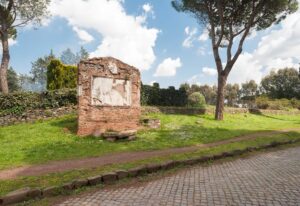 Cemeteries were traditionally located outside the pomerium, the ritual boundary of cities. Tombs, ranging from grand monuments to simple graves, lined roadsides. Living relatives regularly visited tombs, offering food and wine to the deceased. Proper observance of funerary rites was believed to ensure the favor of the deceased’s spirit towards their living descendants. Families often invested heavily in tombs and memorials, with sarcophagi featuring elaborate artwork and inscriptions.
Burials could contain vessels and objects selected by the survivors, including personal ornaments or coins. Tomb inscriptions recorded the people entitled to burial, the person paying for the monument and restrictions intended to protect the plot. These texts defined a place for future interments as well as commemorating an individual.
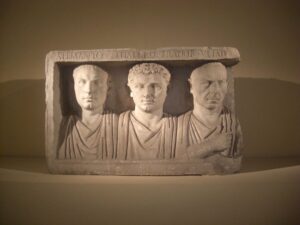 Elite ancestral imagines could make a family’s lineage visible in funeral processions. These should be distinguished from portraits on tombs, urns and sarcophagi, which commemorated people from varied backgrounds. Carved scenes might show myths, seasons, occupations or family relationships.
Mourning and recurring remembrance
Literary accounts describe different expectations of the afterlife, including anxiety about restless spirits. The ninth-day novendialis included a meal and observances completing the funeral rites. Purification accompanied the resumption of ordinary activities. Elite funerary spectacles included theatrical events and, in some circumstances, gladiatorial munera. Recurring festivals such as the Parentalia connected remembrance with the wider calendar. Offerings and meals at tombs maintained family relationships over time.