Catcliffe Glass Cone: A Historic Glassmaking Furnace in the United Kingdom
Site at a Glance
- Rating
- 4.5
- Popularity
- Low
- Country
- United Kingdom
- Primary era
- Early Modern
- Eras represented
- Early Modern
- Civilizations
- British
- Site type
- Economic
- Remains
- Production Complex
On this page8 sections
History
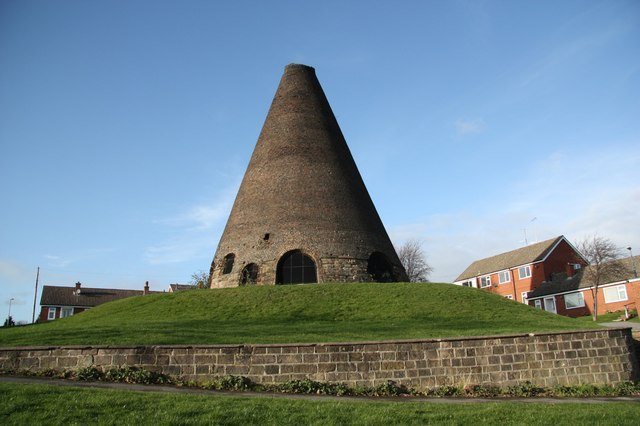
The Catcliffe Glass Cone is a furnace complex used in glassmaking in the United Kingdom, associated with the glassworks William Fenney established in 1740. It is described as the oldest surviving glass cone in Western Europe.
Foundation and industrial glassmaking
Before establishing the Catcliffe works, Fenney had managed the glassworks at Bolsterstone, which belonged to his mother-in-law. Her will prohibited him from opening another glassworks within 10 miles (16 km) of Bolsterstone. Catcliffe lay 10.5 miles (16.9 km) away, beyond that limit.
Glass cones developed alongside industrial glassmaking, which allowed much larger-scale production than earlier methods. In Britain, coal was often used to fuel glass furnaces instead of wood. Although the cone form had been invented earlier, it became common in the early 19th century.
Closure and later uses
The glassworks closed around 1887 and reopened briefly in 1900. Later, the more efficient float-glass process, which makes flat glass by floating molten glass on a bath of molten material, helped concentrate production in fewer, larger works. Many disused cones were demolished. By the mid-1970s, four remained: Catcliffe, Alloa, Lemington, and Red House in Wordsley.
During the First World War, the site served as a prisoner-of-war camp. In 1926, it was used as a canteen during a nationwide strike in support of coal miners disputing their pay and working conditions.
Preservation
The cone faced demolition in the 1960s. It received Grade I listing in 1968, England’s highest category for buildings of special architectural or historic interest. It also has Scheduled Ancient Monument status, which provides legal protection for nationally important archaeological sites and monuments. Bricks began falling from the cone’s upper section in 2006, and restoration work took place in 2014.
Remains
Glassworks remains
The glass cone
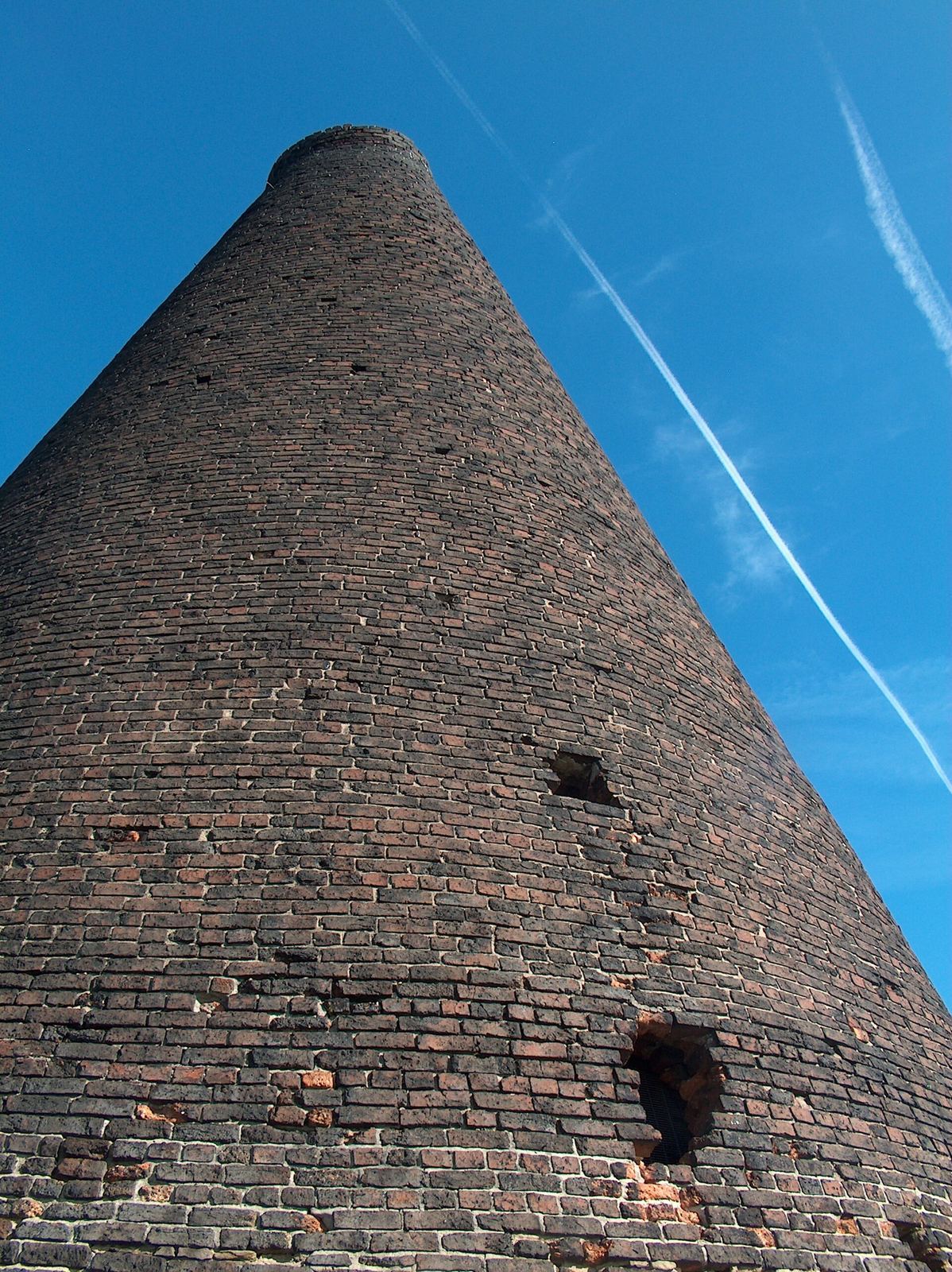
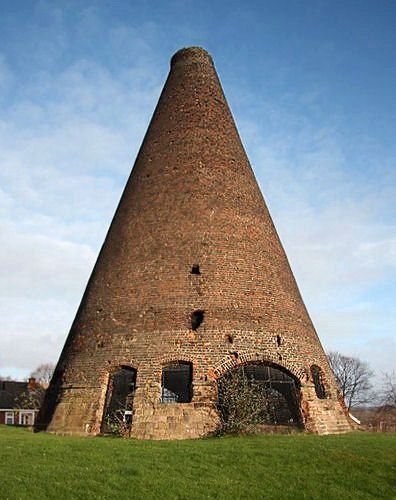
The physical remains include the brick cone and foundations of other glassworks buildings. The cone is approximately 20 metres (66 feet) high, with archways around its base that allow air to enter.
Excavated foundations
Excavation in 1962 uncovered the foundations of other buildings that formed part of the glassworks.