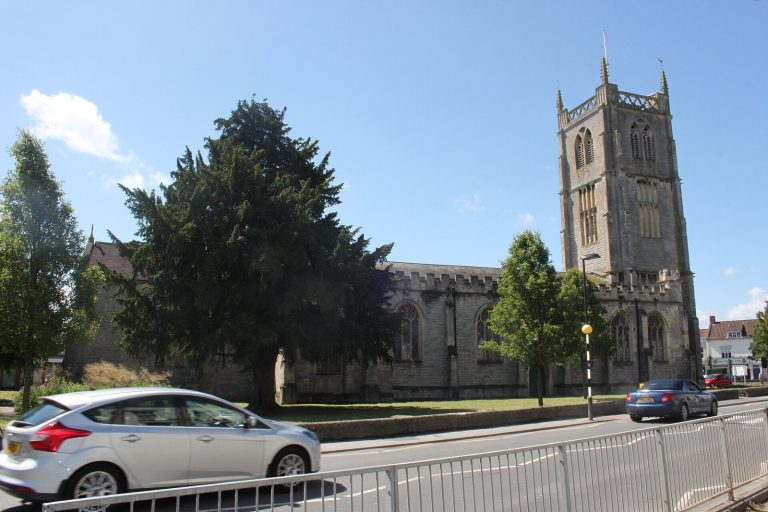
St Thomas à Becket Church, Pensford: A Medieval Church Rebuilt in the 19th Century
Site at a Glance
- Popularity
- Medium
- Country
- United Kingdom
- Primary era
- Modern
- Eras represented
- Medieval, Modern
- Civilizations
- British, English
- Site type
- Religious
- Remains
- Church
On this page9 sections
History
Foundation and medieval church
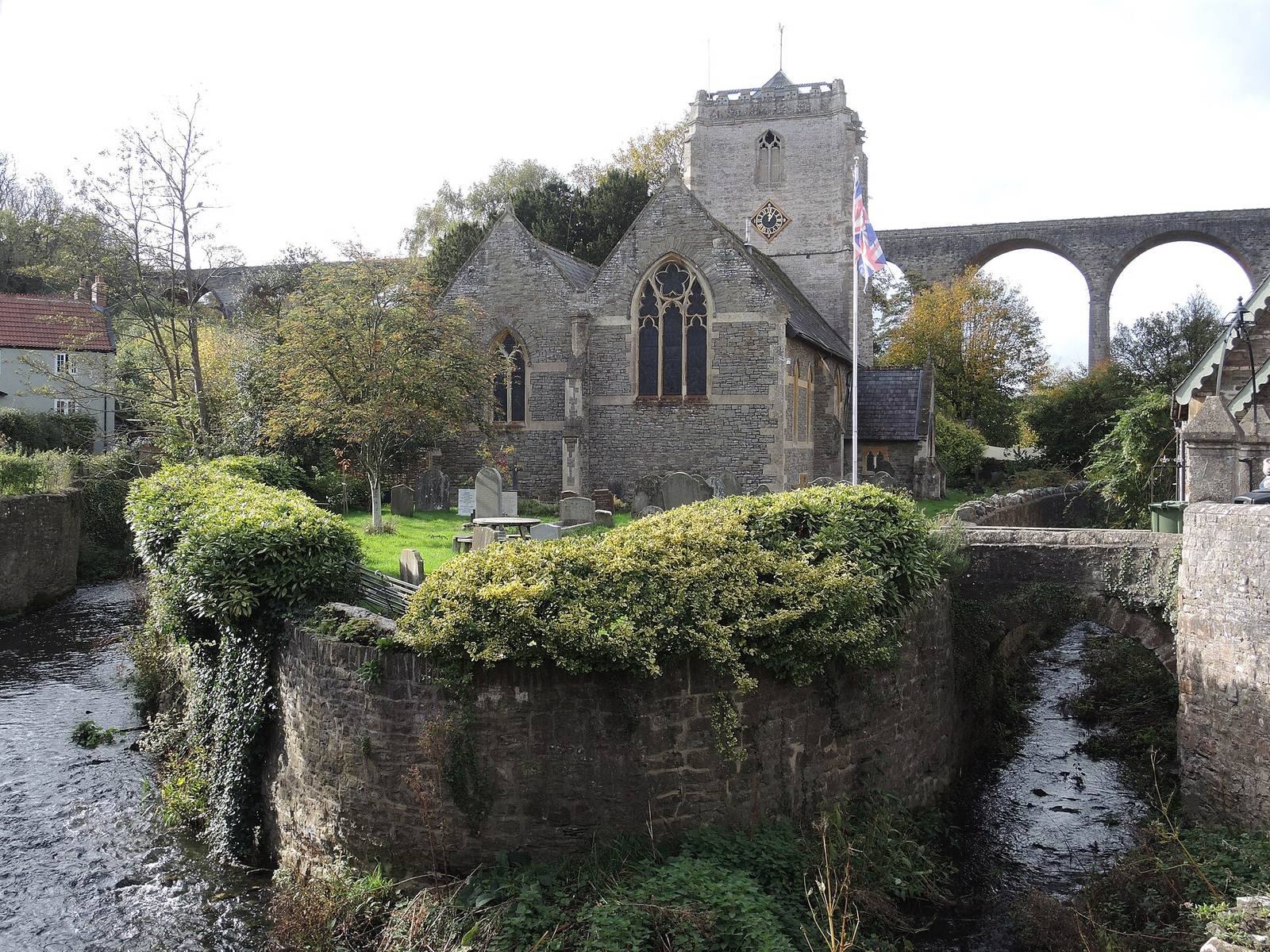
St Thomas à Becket Church, Pensford, in the United Kingdom, was founded in 1301, dates from the 14th century, and was active by 1341. It is named for Thomas Becket, Archbishop of Canterbury, who was murdered in 1170 and later venerated as a saint.
Rebuilding in the 19th century
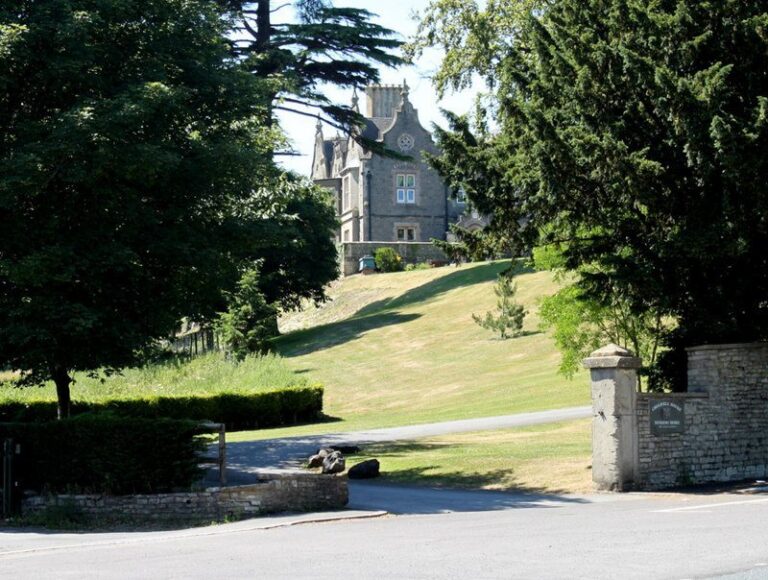
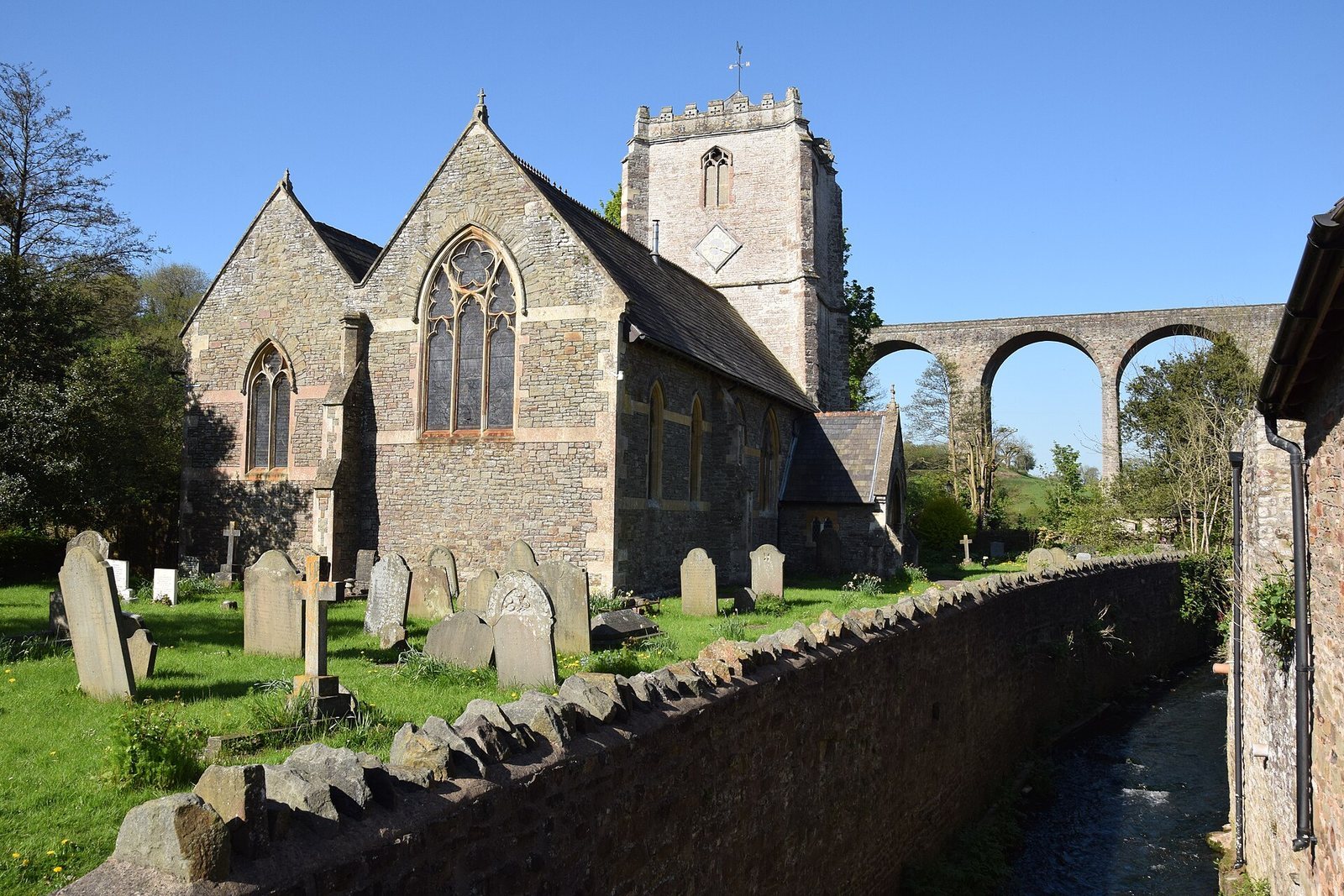
The church’s main body was rebuilt in the late 1860s by the architectural practice Giles and Robinson. Charles Edmund Giles, an architect associated with Taunton, was also responsible for the work. The church was reconsecrated in 1869.
Flood damage and later changes
Flooding from the River Chew damaged the church in 1968. It subsequently fell out of use and became derelict, and was declared redundant on 30 July 1971. It is Grade II* listed, a category for buildings of particular importance below Grade I and above Grade II. After the flood, it was placed on the English Heritage Buildings at Risk Register. Its tower is in the care of the Churches Conservation Trust.
An effort to turn the church into an arts centre in the 1980s was abandoned when the scale of repairs needed to make the building safe became clear. It was offered for redevelopment in 2007 and bought in 2008 for repair and use as a private dwelling.
Remains
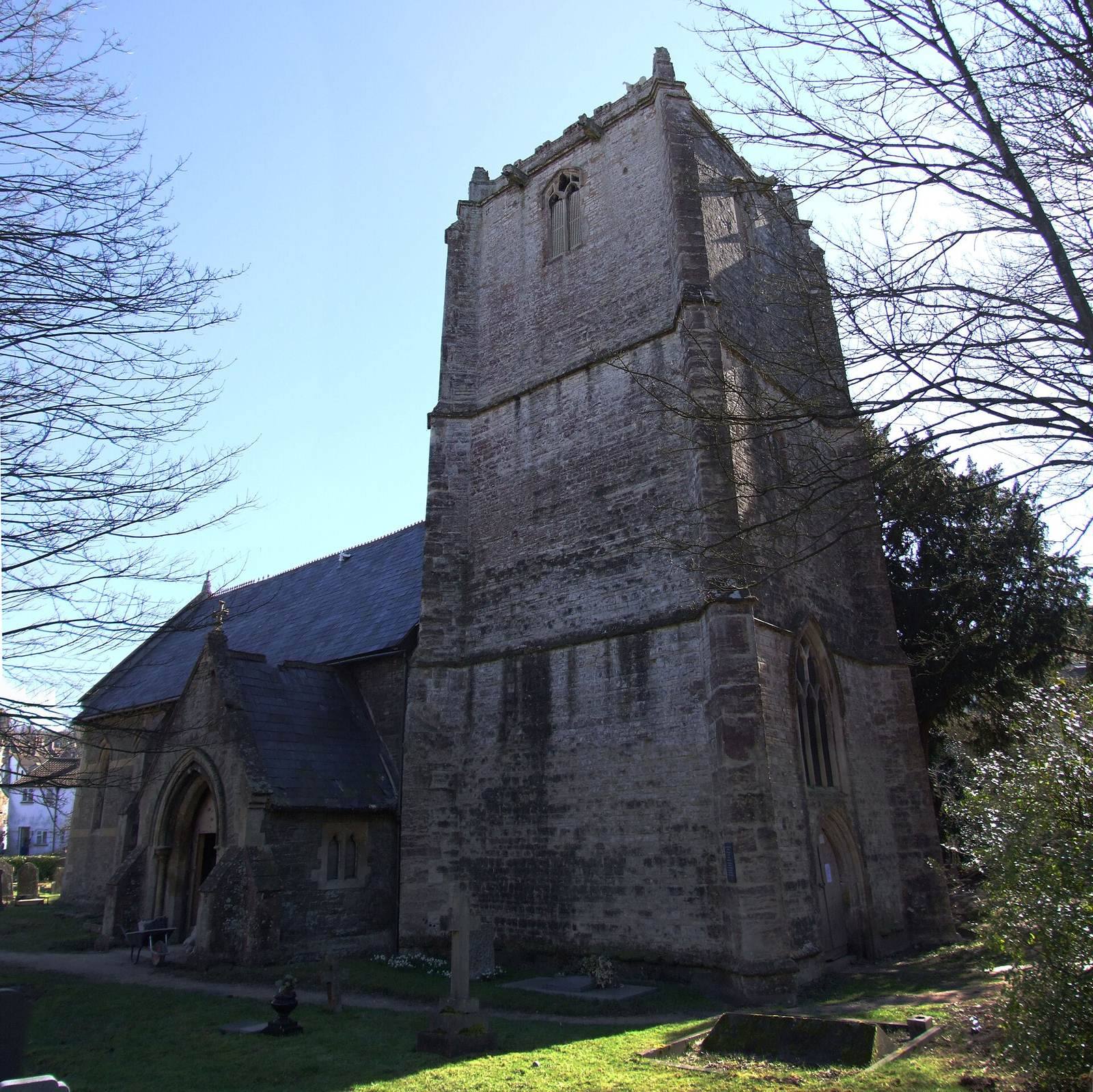
The west tower is the only surviving part of the 14th-century church. Other surviving features represent later medieval work, including a 15th-century west doorway and a font of similar age.
Medieval features
West tower
The west tower is the sole surviving part of the church’s 14th-century fabric. It is now in the care of the Churches Conservation Trust.
Vault
A 14th-century tierceron vault survives at the church. This is a ribbed vault with additional intermediate ribs.
West doorway and font
The west doorway dates to the 15th century and has a two-centred arch, formed from two arcs. The font is of a similar age and is decorated with quatrefoils, four-lobed forms, and roses.