St John Clerkenwell: The Priory Church of the Order of St John
Site at a Glance
- Popularity
- Medium
- Country
- United Kingdom
- Primary era
- Medieval
- Eras represented
- Medieval
- Civilizations
- English, Knights Hospitaller
- Site type
- Religious
- Remains
- Chapel
On this page11 sections
History
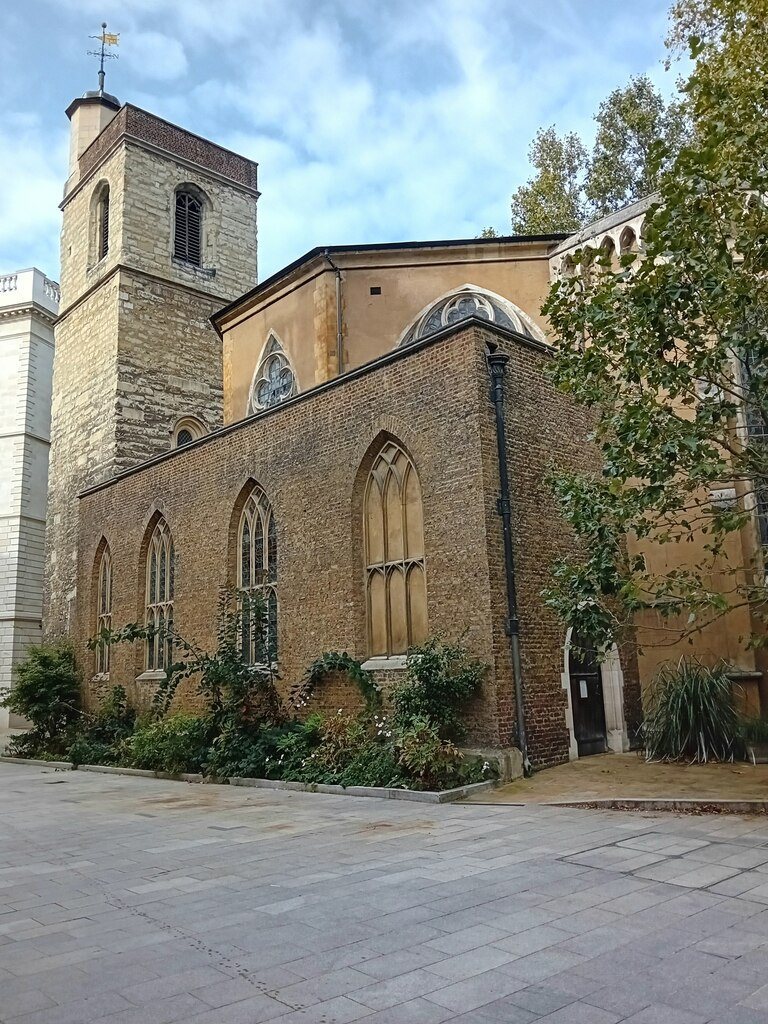
St John Clerkenwell is the priory church of the Order of St John in the United Kingdom, occupying a chapel built from 1951 to 1958 on the site of its medieval predecessor. The original round church belonged to St John’s Priory and was consecrated in 1185 by Heraclius of Auvergne, the Latin Patriarch of Jerusalem, the senior bishop of the Latin-rite church there. It was probably destroyed when fire struck the priory in 1381 during the Peasants’ Revolt, a major English uprising.
Restoration and parish church
During Queen Anne’s reign in the early eighteenth century, the partly successful Commission for Building Fifty New Churches, an organization established to provide churches in London, bought and conserved the crumbling church. It was restored and improved in 1845. In 1868, its rectory was valued at £260; the Revd William Dawson held the post, with the Lord Chancellor as patron.
In 1931, falling attendance led to St John’s parish being united with the neighbouring parish of St James’, Clerkenwell. St John’s ceased to be a parish church and was formally consecrated again by the Crown as a chapel of the Order of St John. Following the German bombing of 1941, the old choir walls at St John’s were rebuilt. The larger successor church of St James’, built during Queen Victoria’s reign about 150 metres southwest, was largely gutted in the same bombing campaign, known as the Blitz.
Chapel of the Order of St John
The Order of St John, a chivalric and charitable organization established by Queen Victoria in 1888, supports St John Ambulance, a first-aid and ambulance organization. The Order owns the chapel, its crypt, the garden of remembrance and the adjacent entrance building. St John Clerkenwell serves as the Order’s priory church, where investitures, formal ceremonies conferring ranks or honours, are held.
Remains
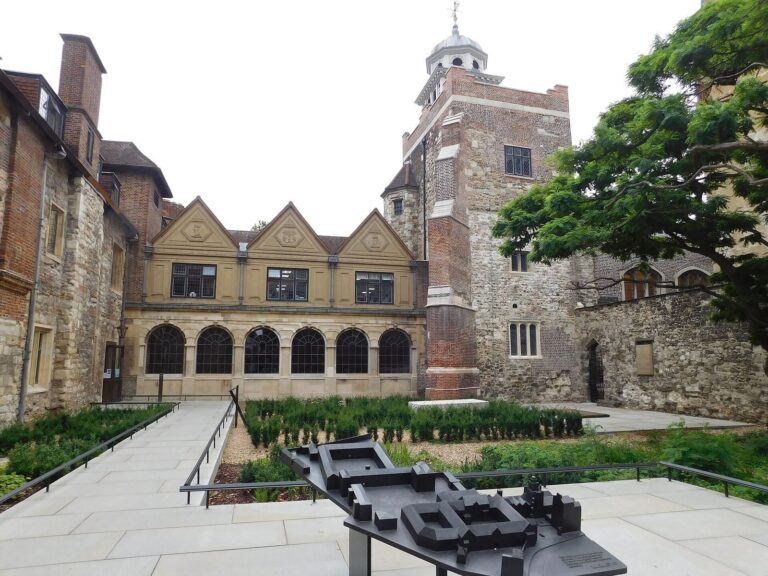
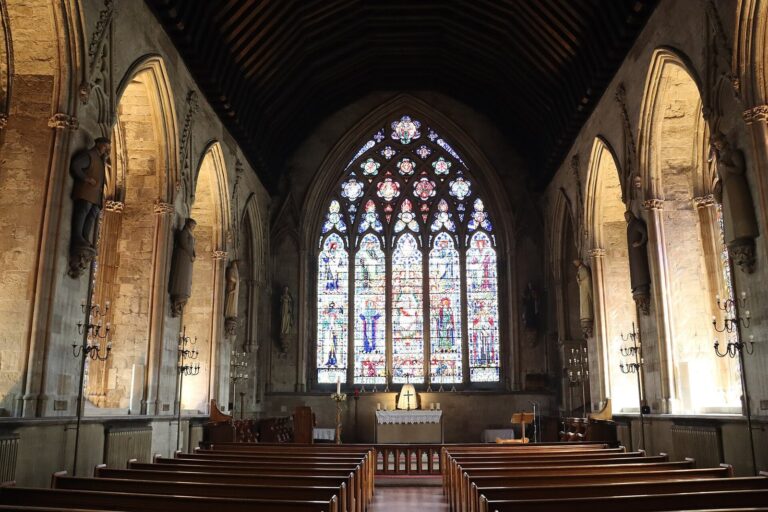
The present chapel has a modest rectangular plan and light-brick walls, and the medieval crypt survives within it. In St John’s Square in front, a marked outline indicates the position of the original round church.
Church and earlier fabric
The chapel and crypt
Banners belonging to the Order’s Knights and Dames Grand Cross, a senior grade within the Order, are displayed in the chapel. The medieval crypt is incorporated into the building.
Earlier church features
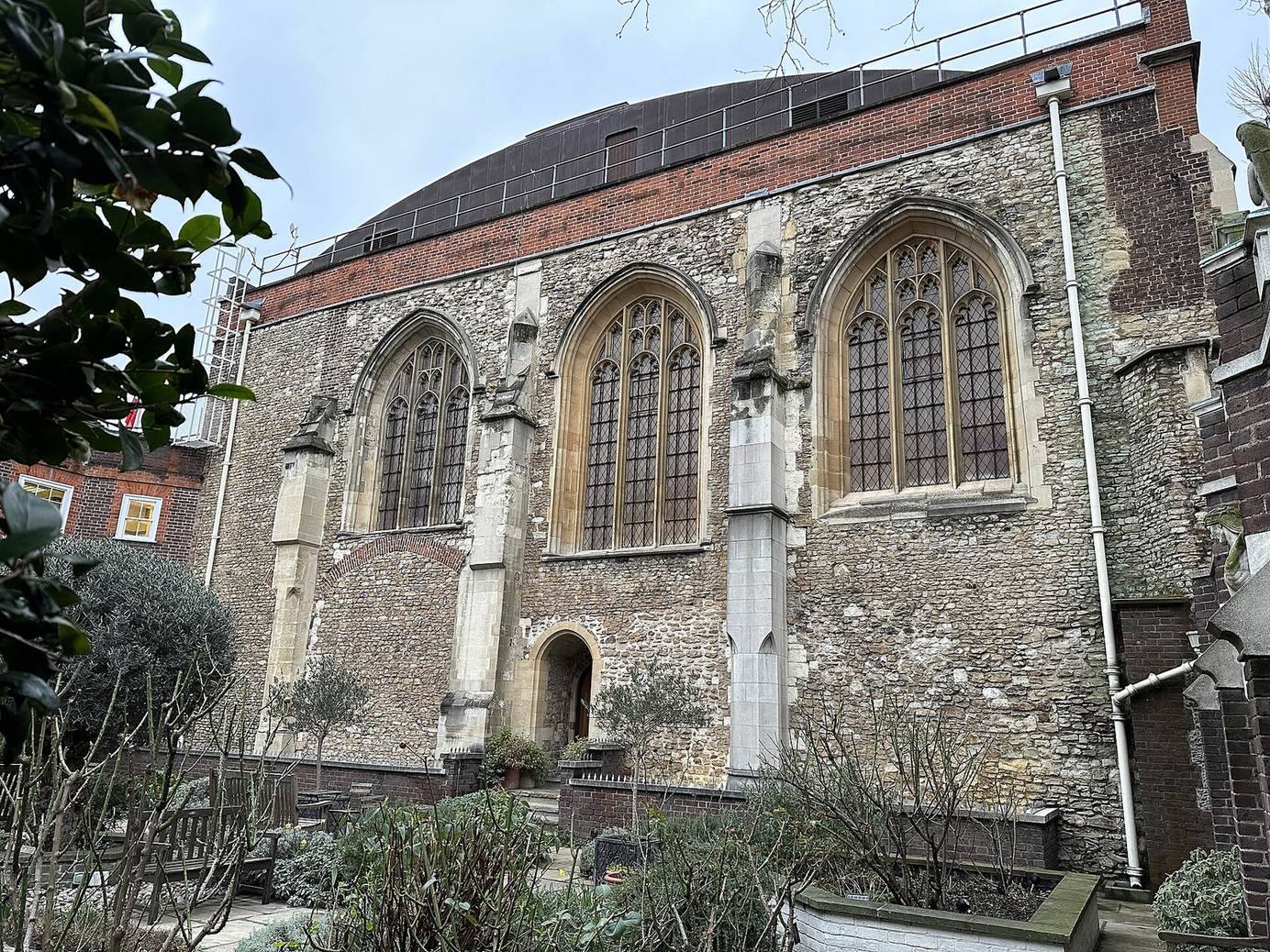
By 1878, a large stained-glass window remained at the eastern end of the church, near the altar. Remains of the church associated with early sixteenth-century prior Thomas Docwra were present in the south and east walls. Column tops and moulded bands emphasizing structural ribs also survived beneath the pews.
Gardens and adjoining buildings
Garden of remembrance
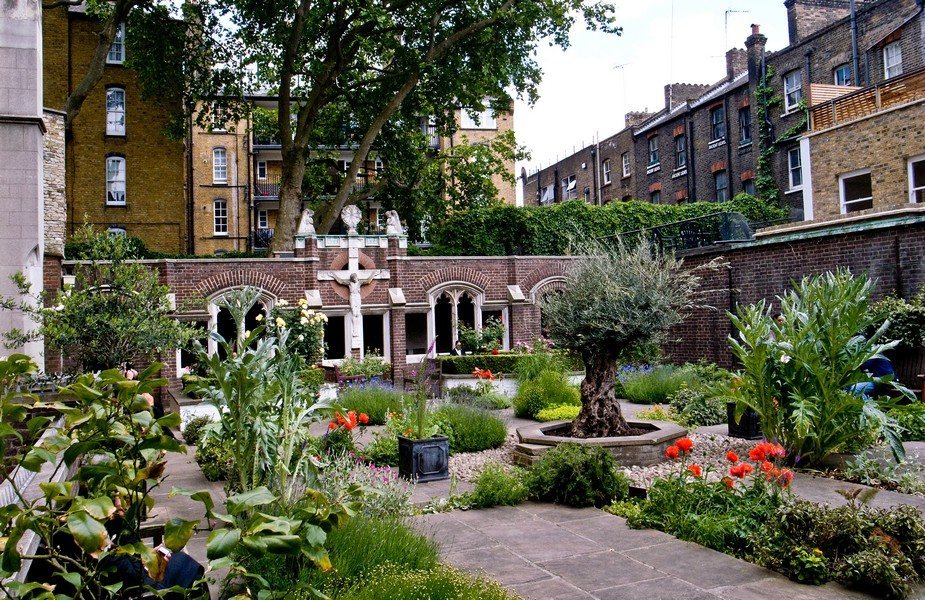
South of the church, the garden of remembrance occupies the site of a sixteenth-century chapel.
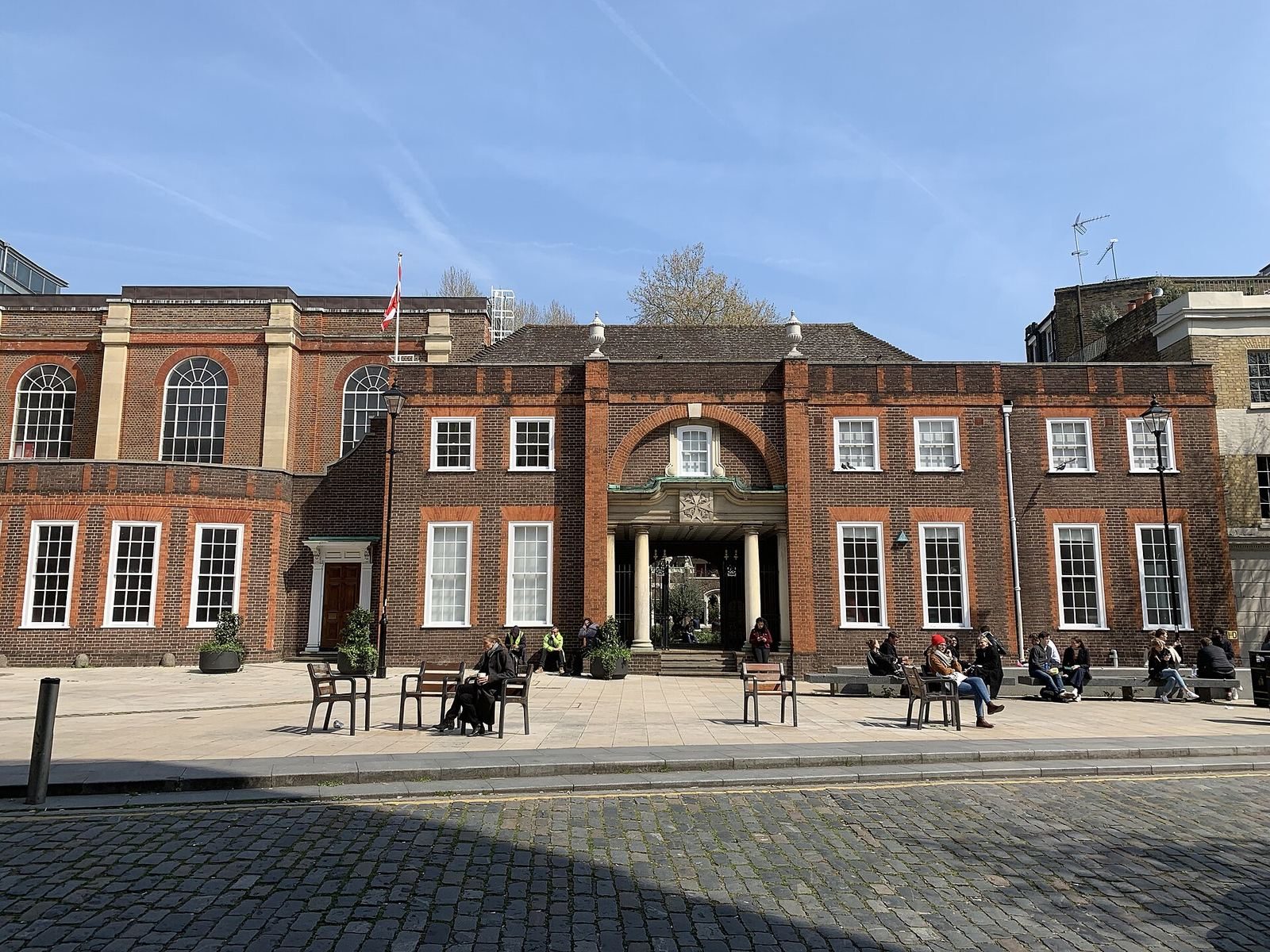
Georgian entrance building
A narrow entrance building stands alongside the church. It dates from the Georgian period, associated with the reigns of Britain’s kings named George.
St John’s Gardens
About a block southwest, St John’s Gardens is a small public garden on Benjamin Street. It replaced the enlarged Victorian version of the church.