Beeleigh Abbey: A Premonstratensian Monastery in Essex
Site at a Glance
- Popularity
- Medium
- Country
- United Kingdom
- Primary era
- Medieval
- Eras represented
- Medieval, Early Modern
- Civilizations
- English
- Site type
- Religious
- Remains
- Monastery
On this page5 sections
History
Beeleigh Abbey, near Maldon in Essex, United Kingdom, was founded in 1180 as a monastery of the Premonstratensian order, a Catholic community of priests living under a common rule. It was established as a daughter house of Newsham Abbey in Lincolnshire at the instigation of Robert de Mantell, lord of the manor of Little Maldon.
Medieval community and pilgrimage
Richard I granted the abbey a royal charter in 1189. Its pilgrimage history was associated with Roger Niger, a 13th-century Bishop of London venerated as St Roger of Beeleigh. His heart was buried at the abbey, and in 1289 Edward I and his queen, Eleanor of Castile, made a pilgrimage there. Among those later buried at Beeleigh were Isabel of Cambridge, Countess of Essex; Henry Bourchier, 1st Earl of Essex; and John Bourchier, 6th Baron Ferrers of Groby.
A property exchange in 1320–21 linked John Ammory’s holdings of land at Great Maldon, the manor of Little Maldon, and the rights to nominate clergy at Beeleigh Abbey and St Giles Hospital with the manor of Toseland in Huntingdonshire, which came from John de Grey. De Grey had previously acquired the local holdings and rights from Thomas Filliol.
Dissolution and later use
The Crown-led Dissolution of the Monasteries under Henry VIII brought Beeleigh’s monastic life to an end in 1536, and many of its buildings were demolished. In 1540, Henry VIII granted the abbey and its lands to Sir John Gate, Chancellor of the Duchy of Lancaster. The building later served as a public house in the 18th century and was ruinous by the late 19th century. Captain F. W. Grantham began restoration work in 1912.
Restoration and renewed ties to the order
William Foyle purchased the abbey in 1943. In 1955, Father Norbert Backmund of Windberg Abbey became the first White Canon, a traditional name for a Premonstratensian, to visit Beeleigh since the dissolution. The order established a house at St Philip’s Priory in Chelmsford in 2008, about eight miles away. Its prior, Hugh Allan, and three canons visited Beeleigh in 2010, the first such visit since 1955.
After William Foyle’s daughter Christina died in 1999, Christopher and Catherine Foyle bought the abbey and its 400-acre estate from her executors in August 2000. They restored the abbey and gardens over four years, following three decades of deterioration. The work received the Royal Institution of Chartered Surveyors’ East of England Conservation Award and National Conservation Award in 2008. The owners also arranged a geophysical survey and archaeological excavations between 2000 and 2006.
In April 2011, Abbot General Thomas Handgraetinger visited Beeleigh with Allan and three canons. With the owners’ agreement, Allan became Titular Abbot of Beeleigh, holding the abbey title without leading a resident monastic community. He was the first Abbot of Beeleigh since 1536. On 8 December 2016, the Bishop of Brentwood enthroned Allan at the Roman Catholic Church of Our Lady Immaculate in Chelmsford, where Christopher Foyle presented him with a mitre. Beeleigh Abbey is now a private residence.
Remains
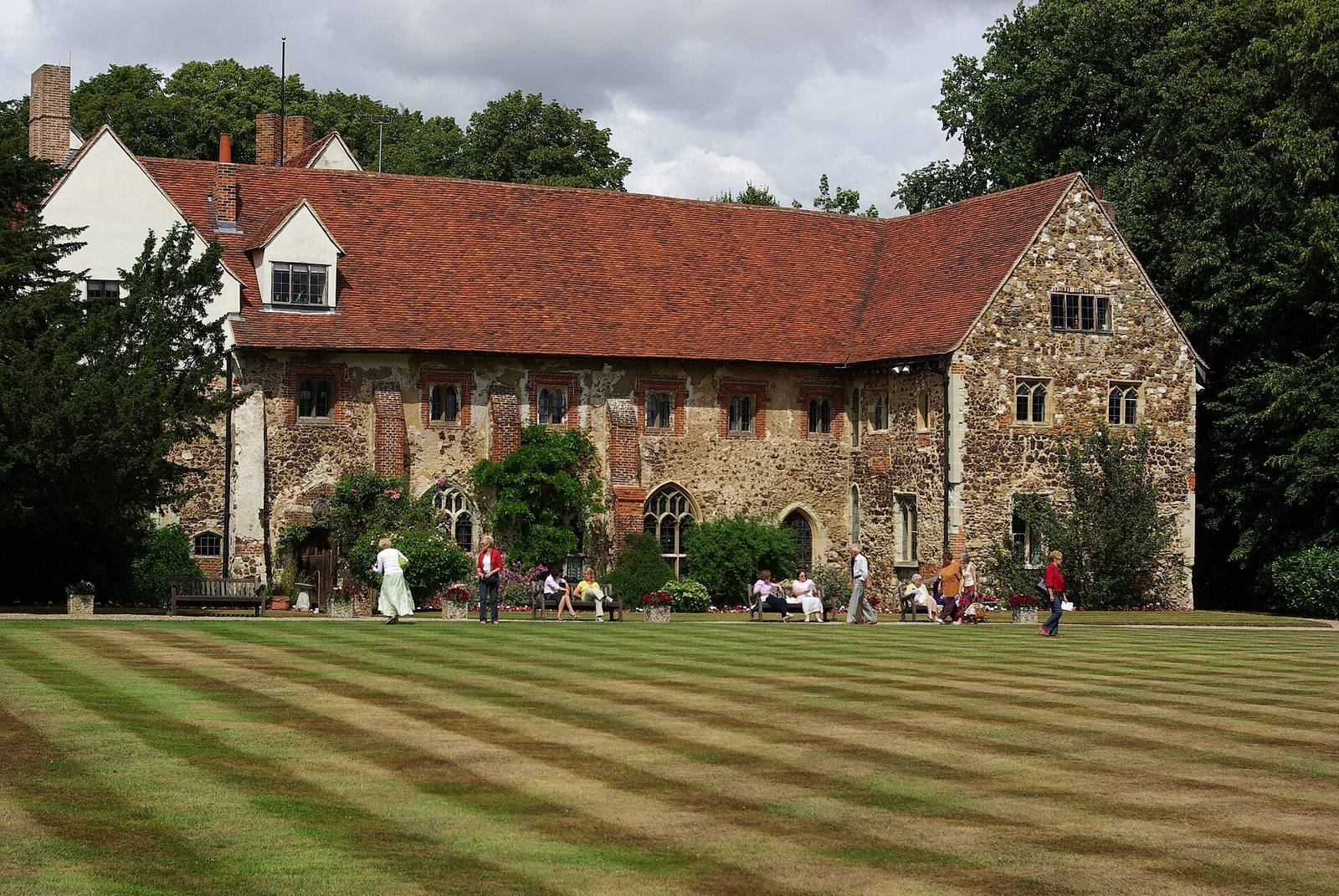
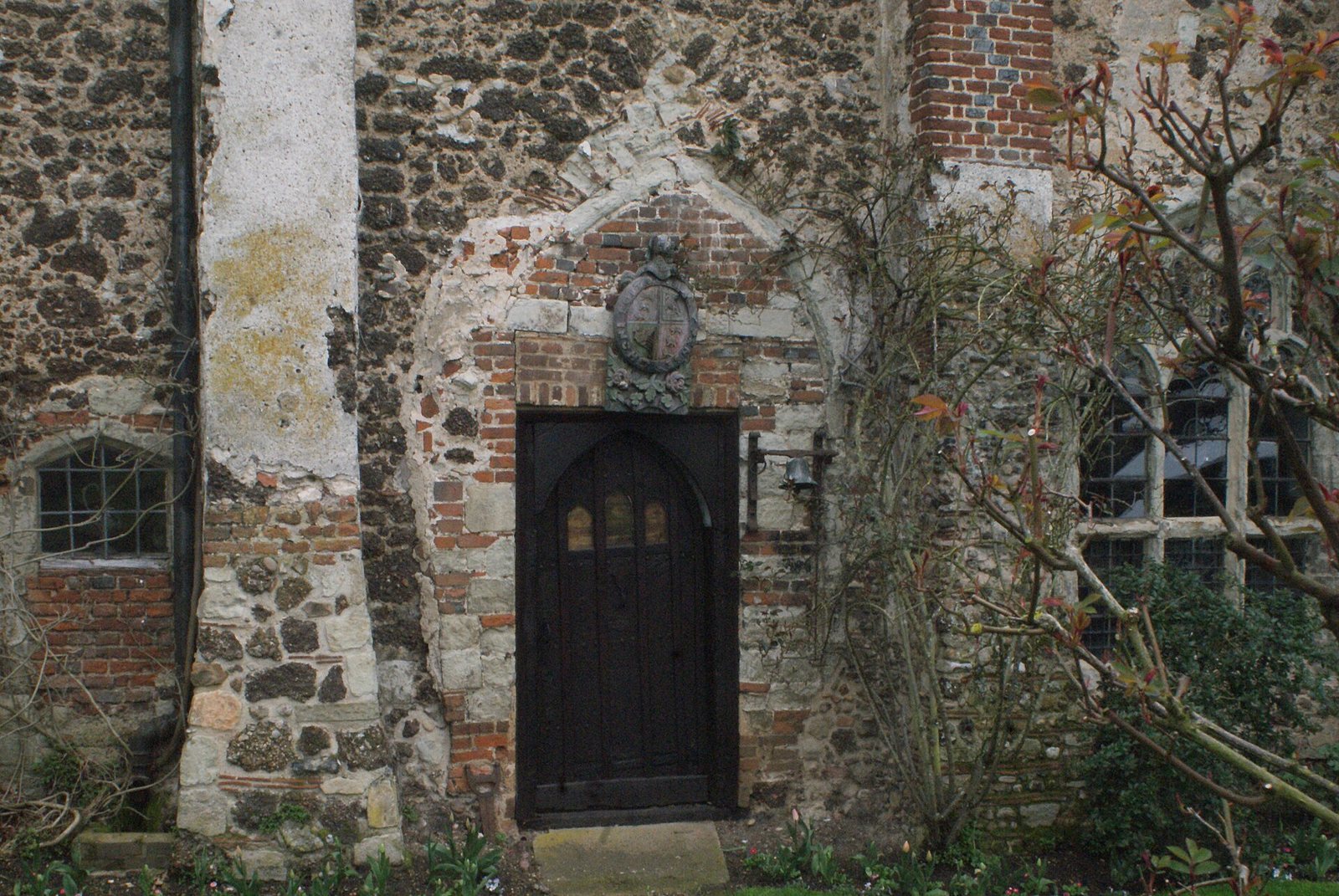
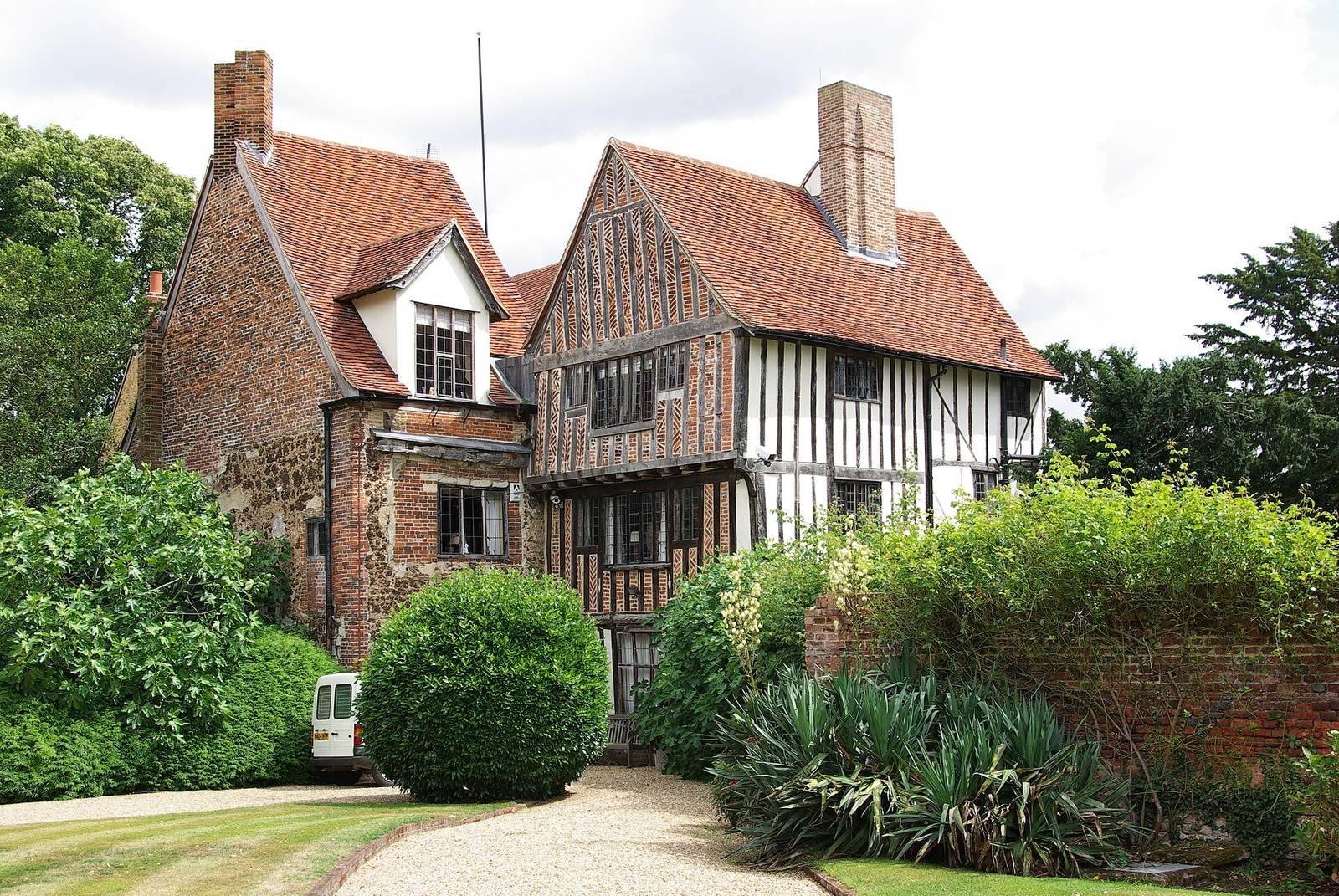
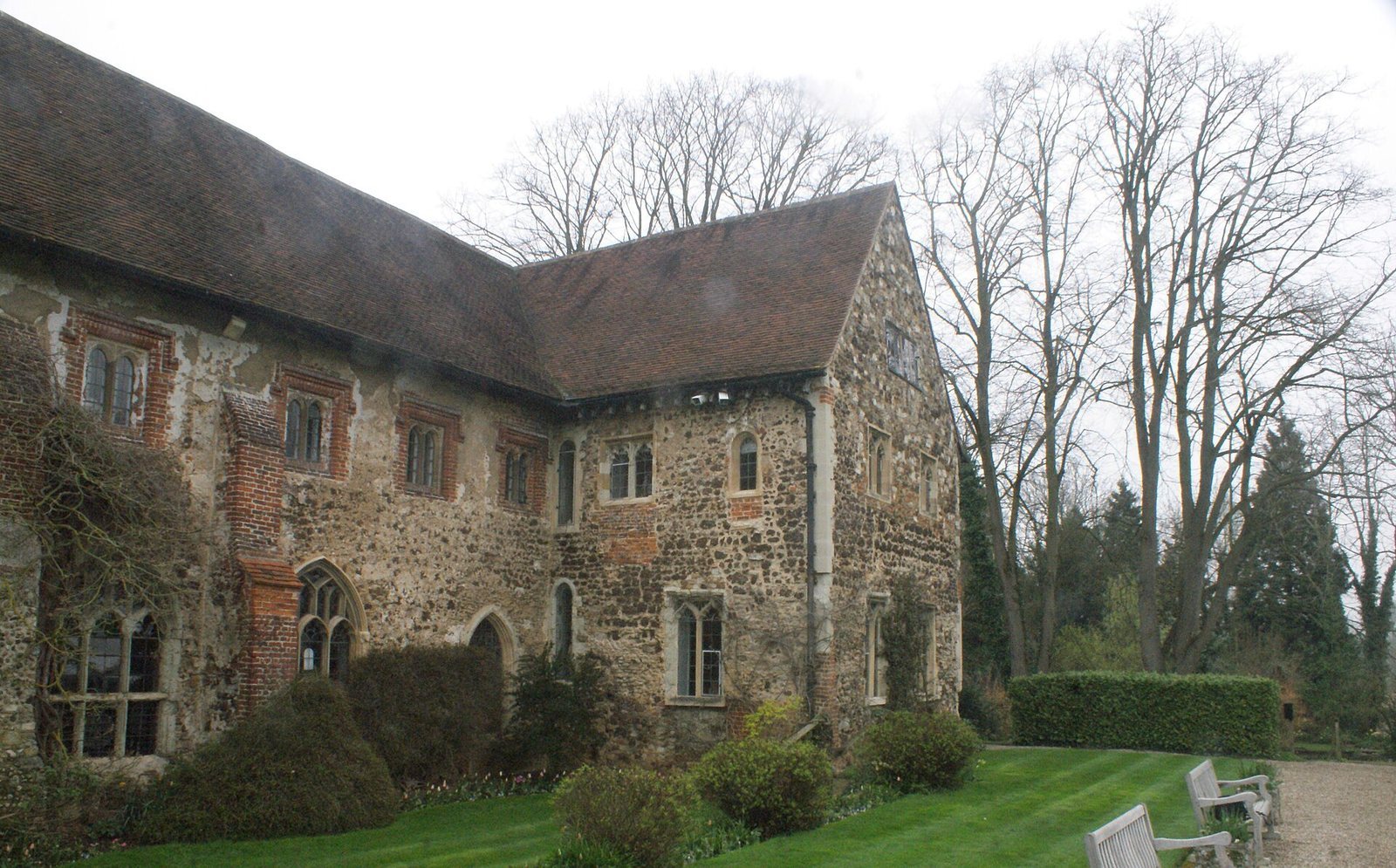
The abbey stands on an estate beside the River Chelmer near Maldon. Medieval buildings from the first monastery survive alongside a later extension built for use as a farmhouse about 30 years after the 1540 grant. Excavations revealed foundations of a hall-house, a medieval residence organized around a principal hall, as well as a brick clamp, a temporary structure for firing bricks, and other outbuildings. Finds included large quantities of pottery dating from the 12th to the 16th century, a small number of coins from the 13th to the 16th century, jetons or counters, and a seal matrix, a tool for making impressions in seals, that belonged to the abbey.