Miandasht Caravanserai: A Safavid and Qajar Roadside Lodging Complex
Site at a Glance
- Rating
- 4.3
- Popularity
- Medium
- Country
- Iran
- Primary era
- Early Modern
- Eras represented
- Early Modern, Modern
- Civilizations
- Qajar, Safavid
- Site type
- Economic
- Remains
- Caravanserai
On this page4 sections
History
Miandasht Caravanserai is a complex of roadside inns for travelling caravans in Miandasht village, in Iran’s Meyami area east of Shahrud. Its buildings took shape across the Safavid and Qajar periods, and one of its caravanserais dates to the seventeenth century.
Safavid and Qajar development
One caravanserai is associated with Shah Abbas, a Safavid monarch. During the Qajar period, Hossein Khan Nezam al-Dowleh built two more caravanserais at Miandasht. An annex is dated to 1873.
The Persian historical and geographical work Matla al-Shams describes the inns and says that the three caravanserais, together with the areas outside them, could accommodate 20,000 pilgrims.
Heritage recognition
Miandasht was registered as an Iranian National Monument in 1977. In 2023 it became part of a UNESCO World Heritage listing of 54 Iranian caravanserais across 24 provinces. The collective listing was Iran’s 27th World Heritage property.
Remains
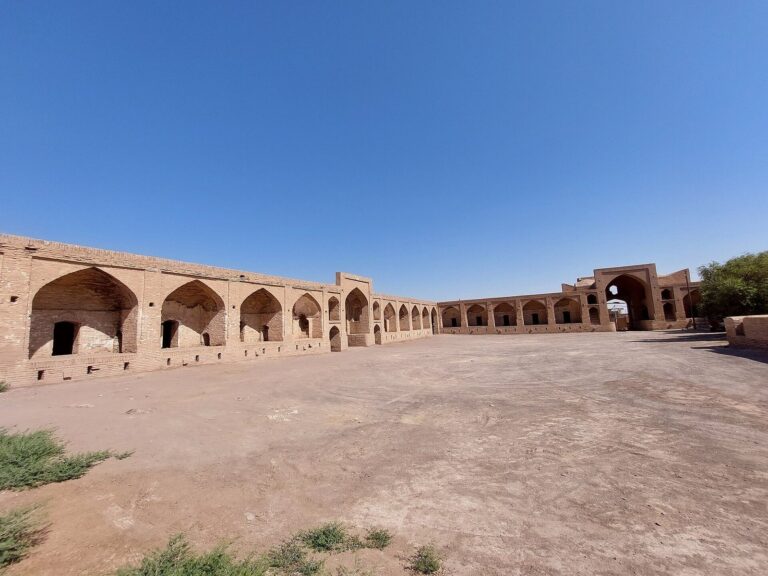
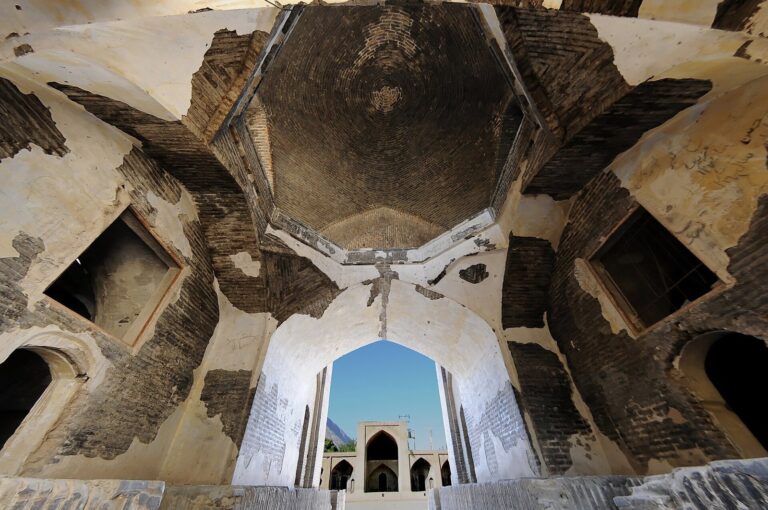
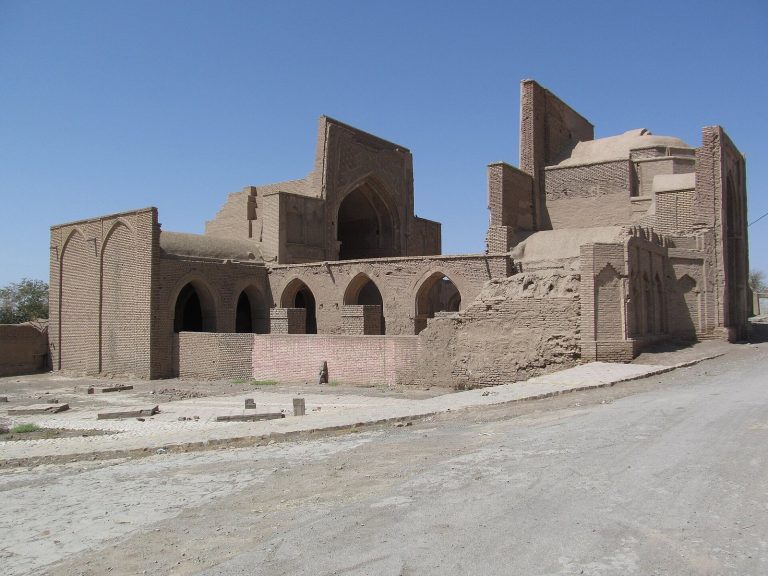
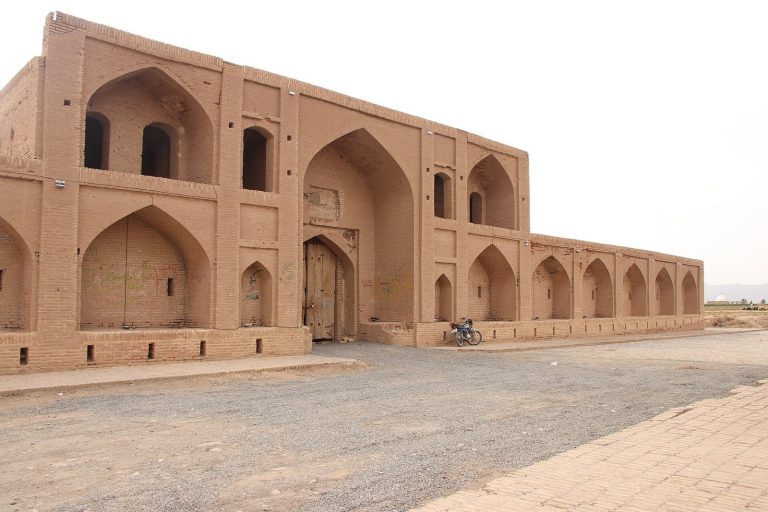
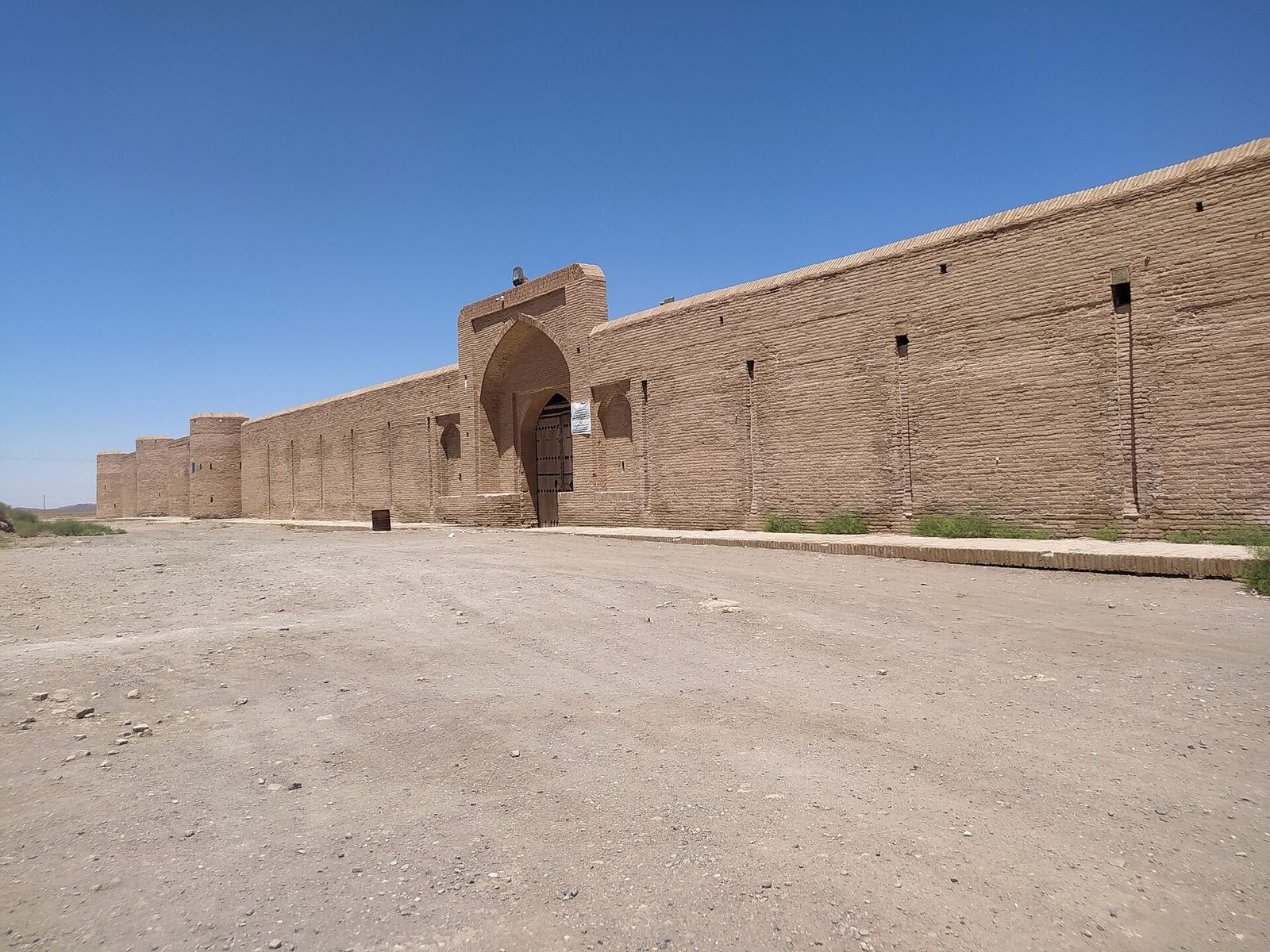
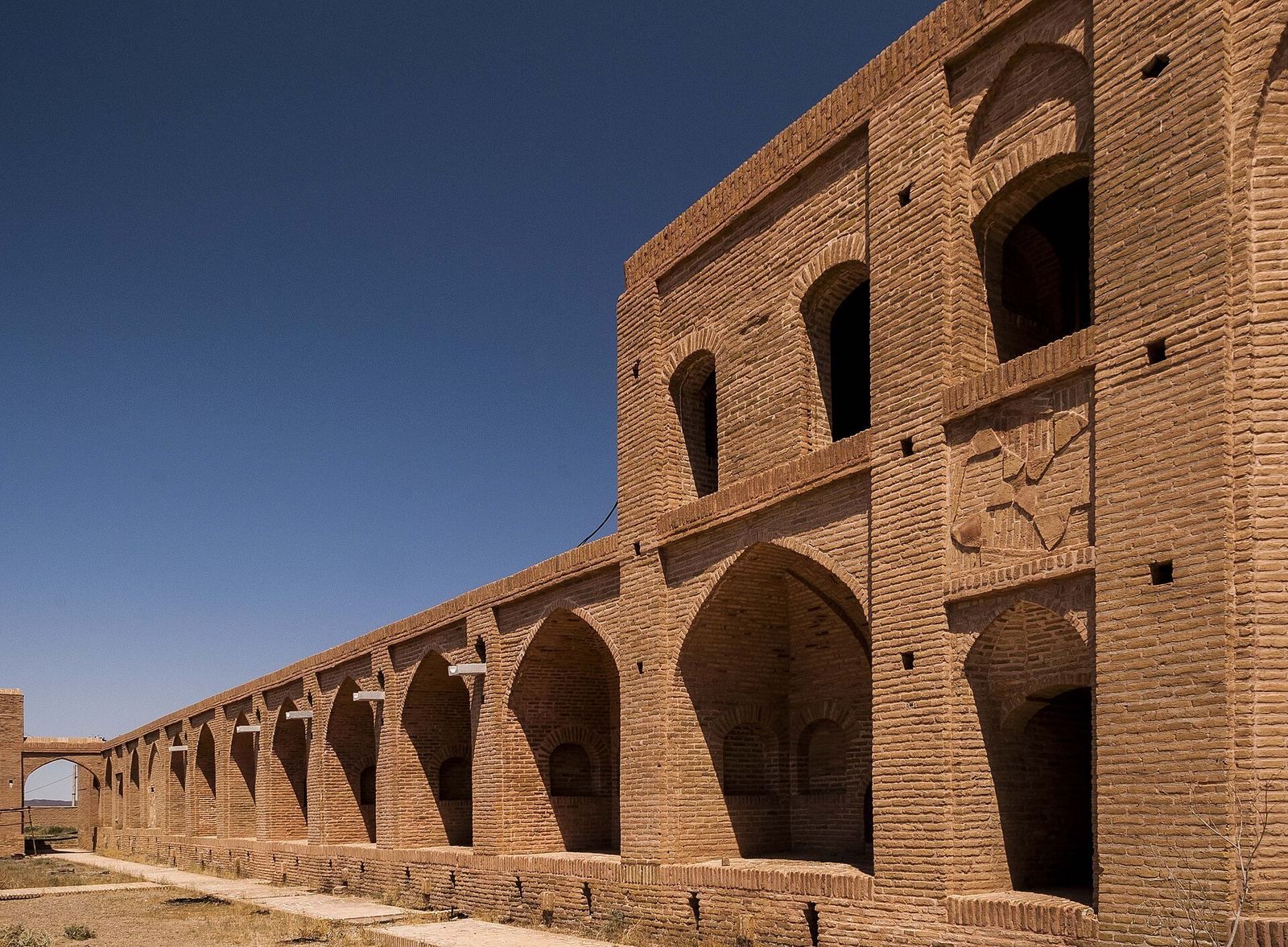
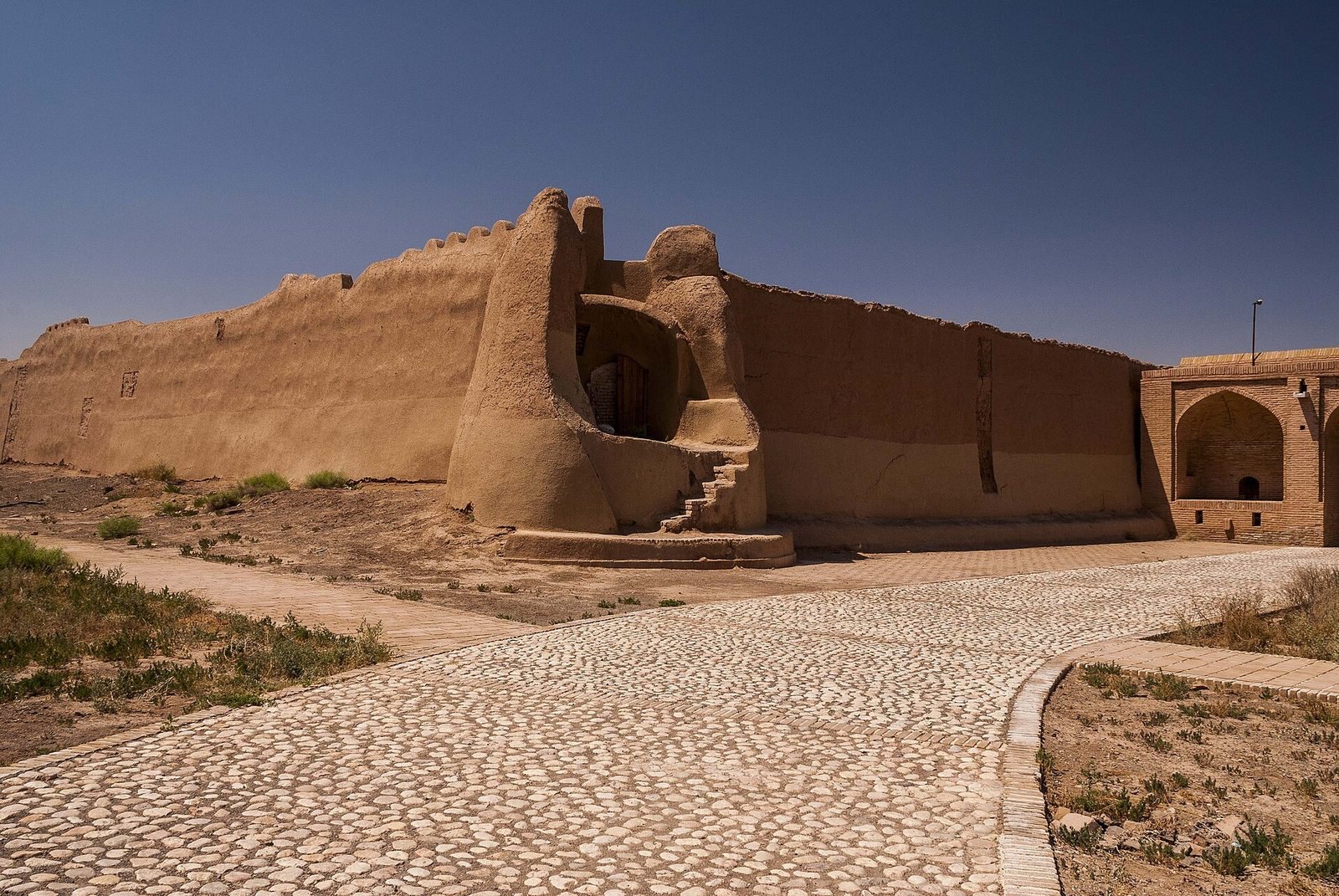
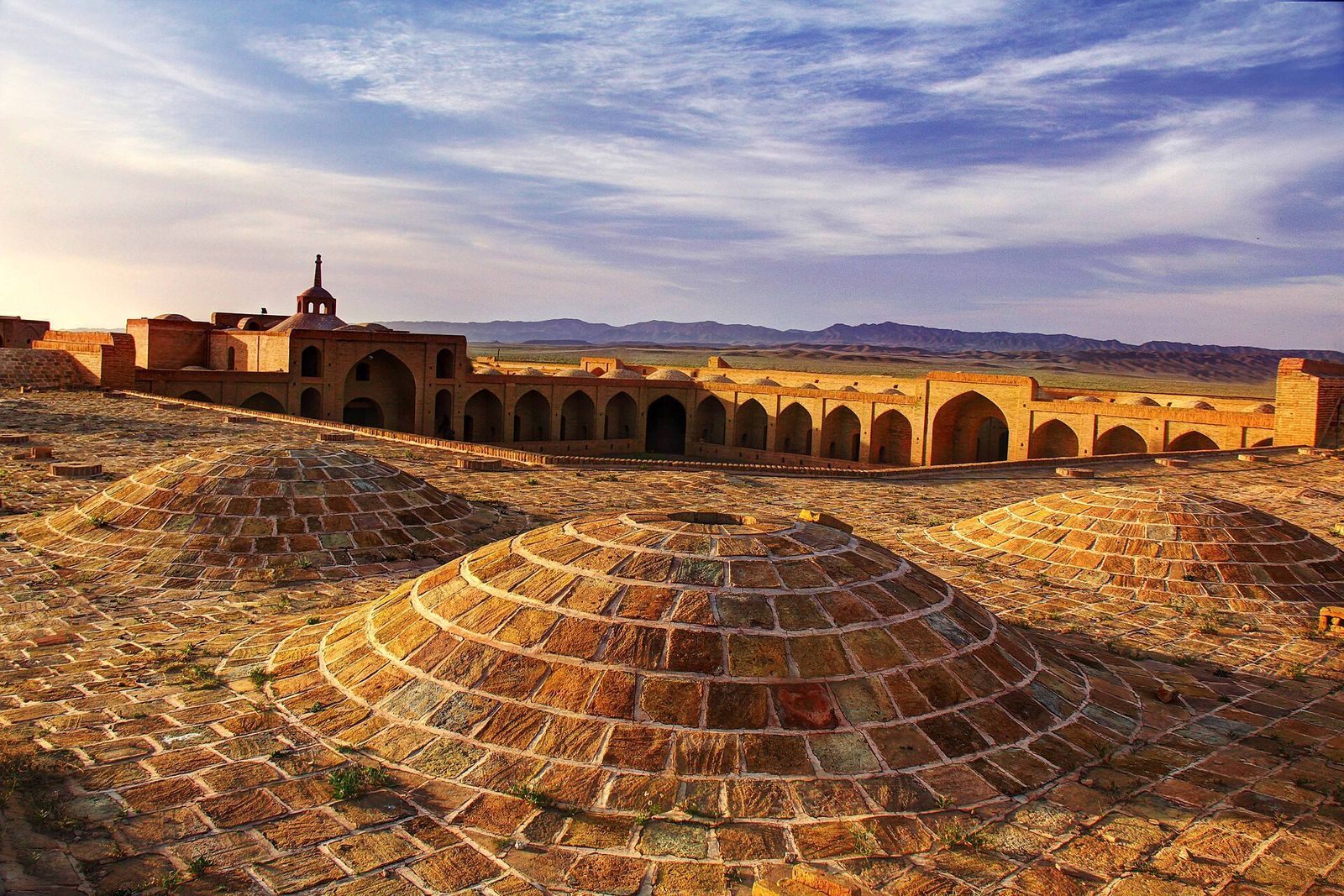
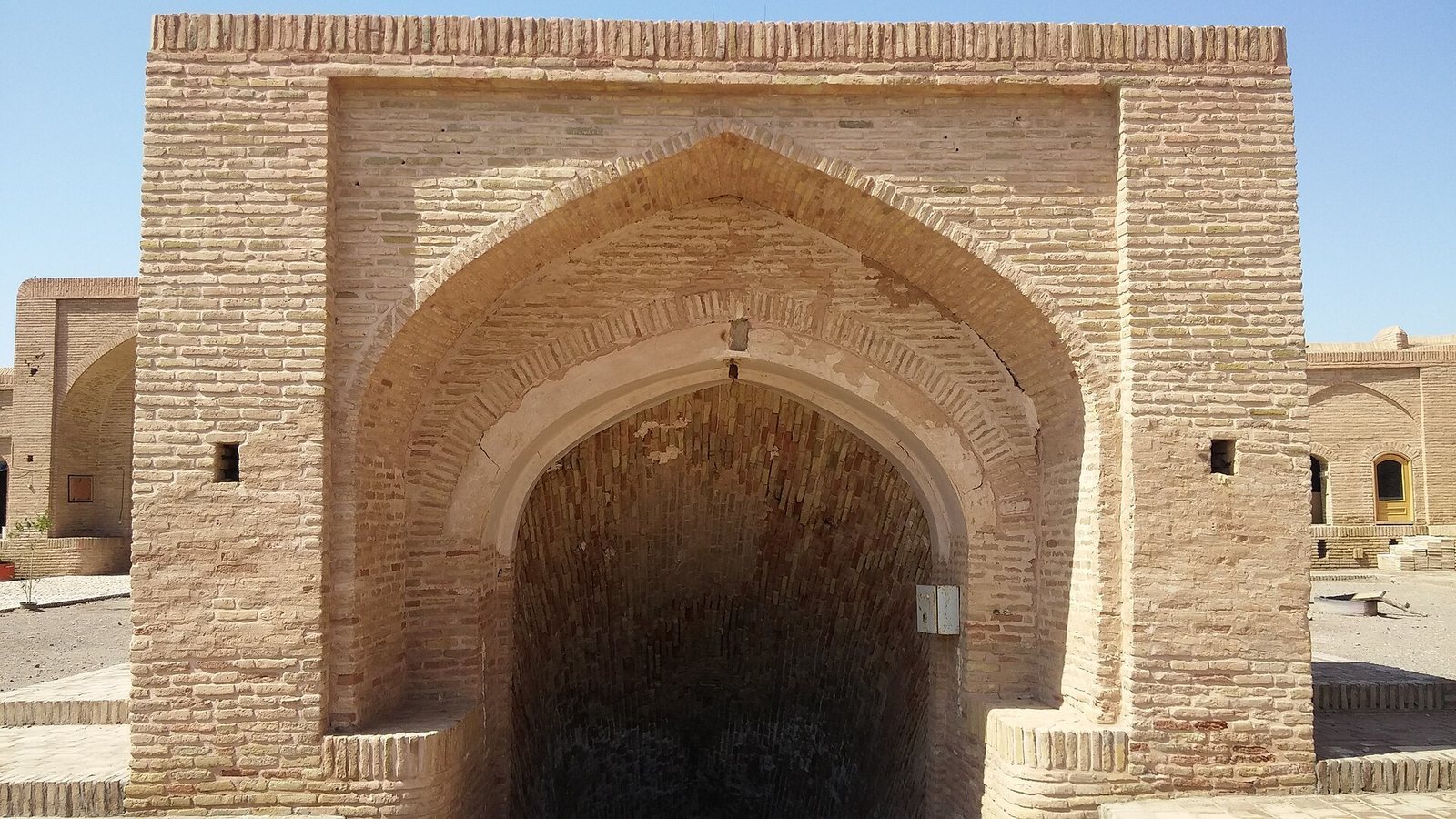
The rectangular complex comprises three caravanserais and a castle. Built with brick and mortar, its architecture reflects Safavid and Qajar styles. The ensemble covers 22,000 square metres.
The western caravanserai covers 2,100 square metres, the eastern one 8,800 square metres, and the castle 5,000 square metres. The UNESCO-listed property covers 2.44 hectares, with a 197.84-hectare buffer zone, and stands at an elevation of 1,245 metres.
An inscription above an entrance carries a verse by the Persian poet Saburi, whose honorific title, Malek al-Shoara, means “poet laureate.” It records the construction date of the middle caravanserai. Saburi was the father of the poet and literary figure Malek al-Shoara Bahar.