Jostbergkloster: A Franciscan Monastery in the Teutoburg Forest
Site at a Glance
- Rating
- 4.4
- Popularity
- Medium
- Country
- Germany
- Primary era
- Early Modern
- Eras represented
- Early Modern
- Civilizations
- Holy Roman Empire
- Site type
- Religious
- Remains
- Monastery
On this page4 sections
History
Jostbergkloster was a Franciscan Observant monastery on a ridge of the Teutoburg Forest in Germany, southwest of Bielefeld. The monastery was dedicated in 1502, and its church was built in the late Gothic style. Franciscan Observants were a reform branch that sought stricter observance of the order’s religious rule.
Pilgrimage and foundation
Veneration of Saint Jodokus began at a small house on Loyckhuserberg in 1481. Jodokus was regarded as a hermit and patron of pilgrims. A document issued in 1483 by Simon III, Bishop of Paderborn, recorded the devotion, which led the bishop to permit a chapel dedicated to Jodokus and Saint Mary.
By 1496, the Franciscan Johannes Schrage and his brother Wessel, a merchant from Bielefeld, had asked William, Duke of Jülich and Berg and Count of Ravensberg, to establish a Franciscan community at the site. The friars would support devotion to Jodokus. After inspecting the location, leaders of the Cologne Franciscan Province, a regional division of the order, refused the request because the site was isolated and Franciscan houses already stood at Hamm and Lemgo.
The duke threatened to invite a different religious order, while Wessel appealed to the bishop and the Roman Curia, the papacy’s central administration. Pope Alexander VI authorized the Franciscan Deithard Duve to establish a community beside the chapel, and the duke transferred the chapel and surrounding land to the friars. In 1501, Rome approved a new monastery elsewhere on the mountain, at the highest point of the Bielefeld–Halle pass road.
The friars faced harsh winter winds, summer water shortages, and isolation that hindered pastoral work and begging. Two friars died in 1504. On 10 June 1507, Pope Julius II approved the community’s move to Bielefeld, despite opposition from its founder, Schrage. The Franciscans received land on Obernstraße, where their church of St. Jodokus and St. Francis was consecrated in 1511.
Rediscovery and conservation
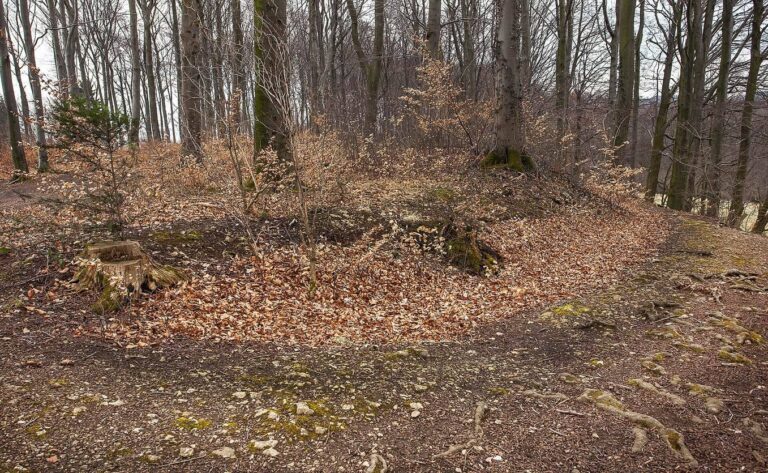
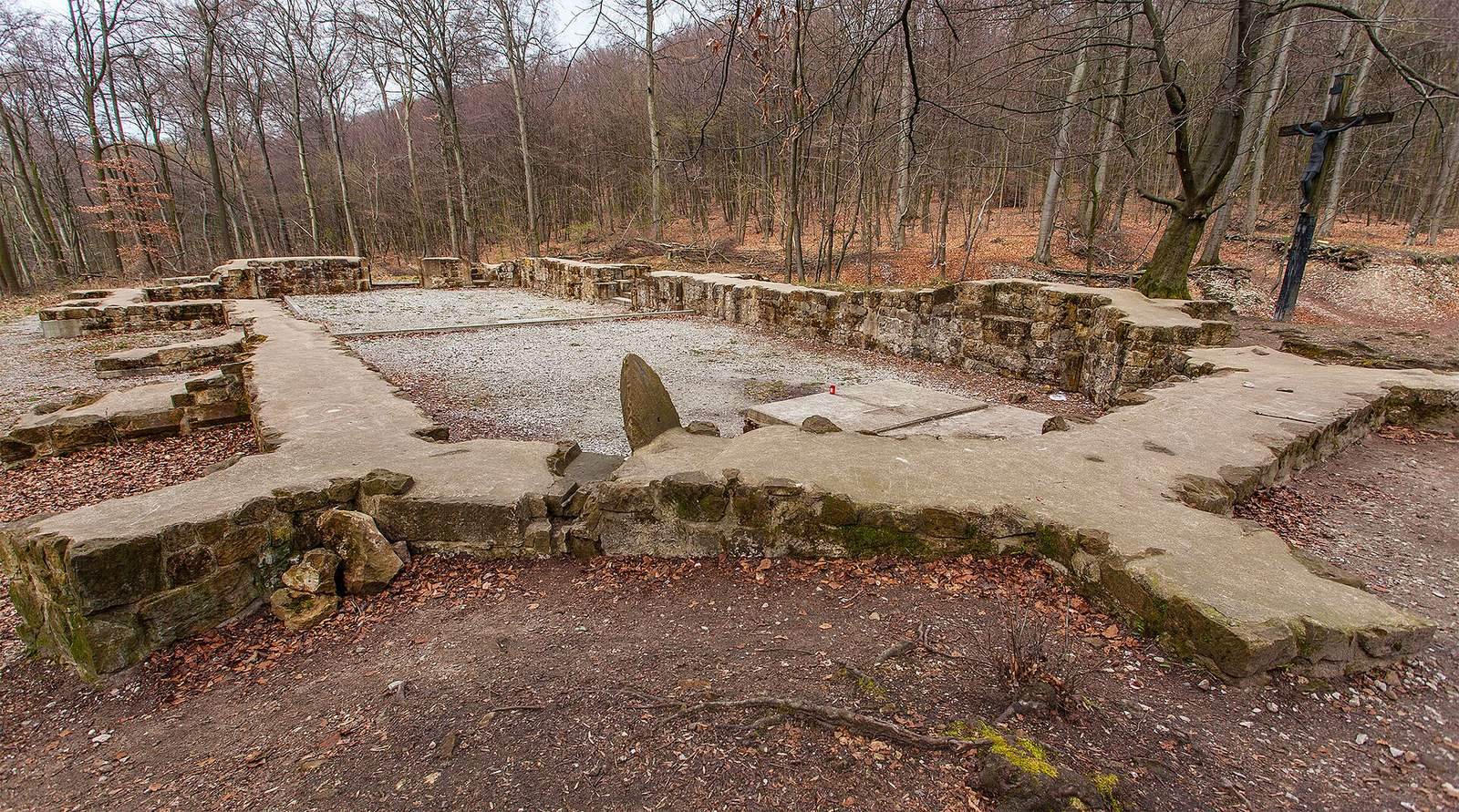
The church ruins were exposed in 1912 at the city of Bielefeld’s initiative and again in 1966 by the Catholic parish of St. Jodokus. The exposed structure deteriorated, and souvenir hunters repeatedly broke off pieces. Archaeological excavation and recording took place in 1993–94; repairs and partial restoration of the ruin were completed in 2009.
Remains
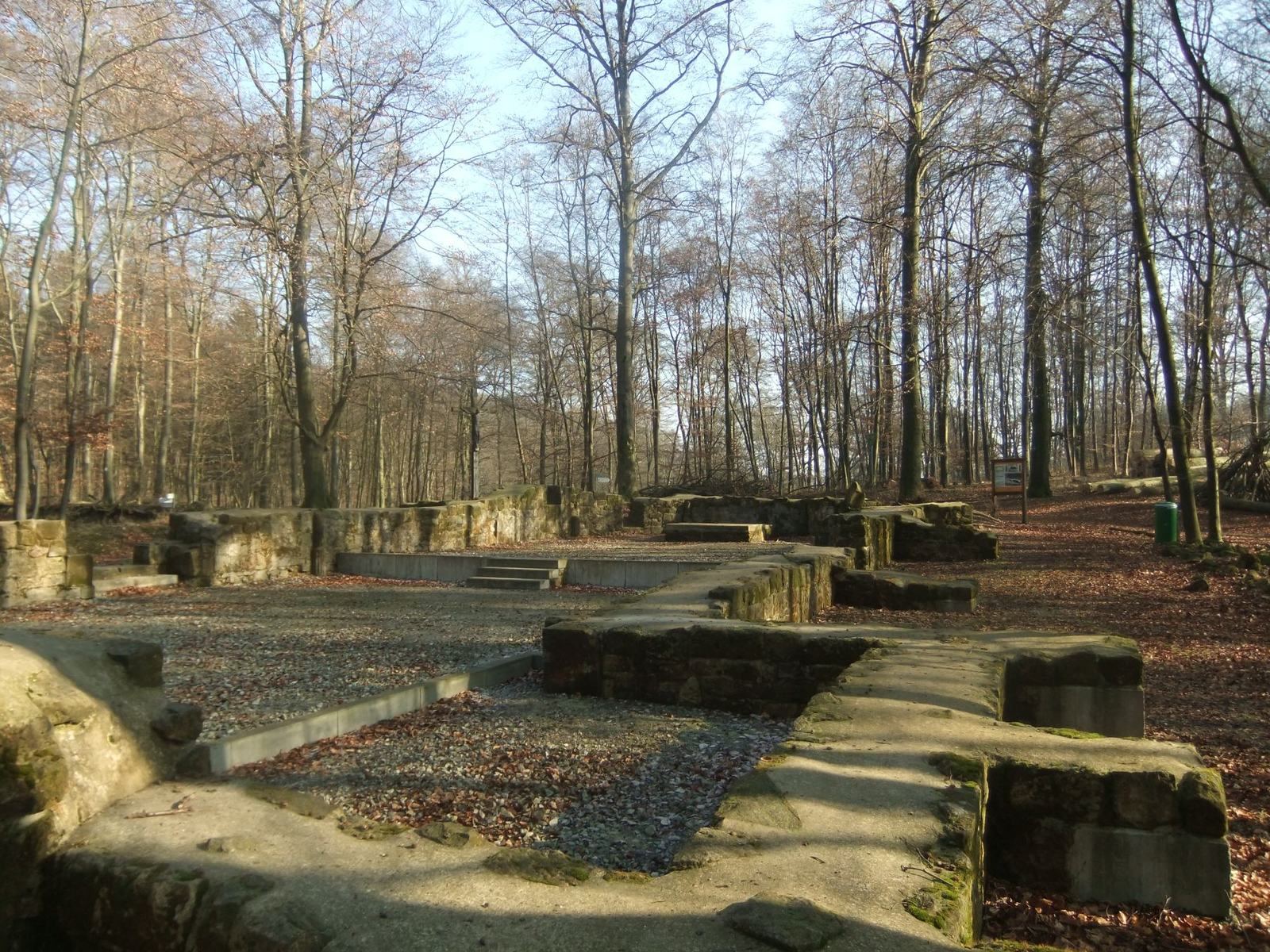
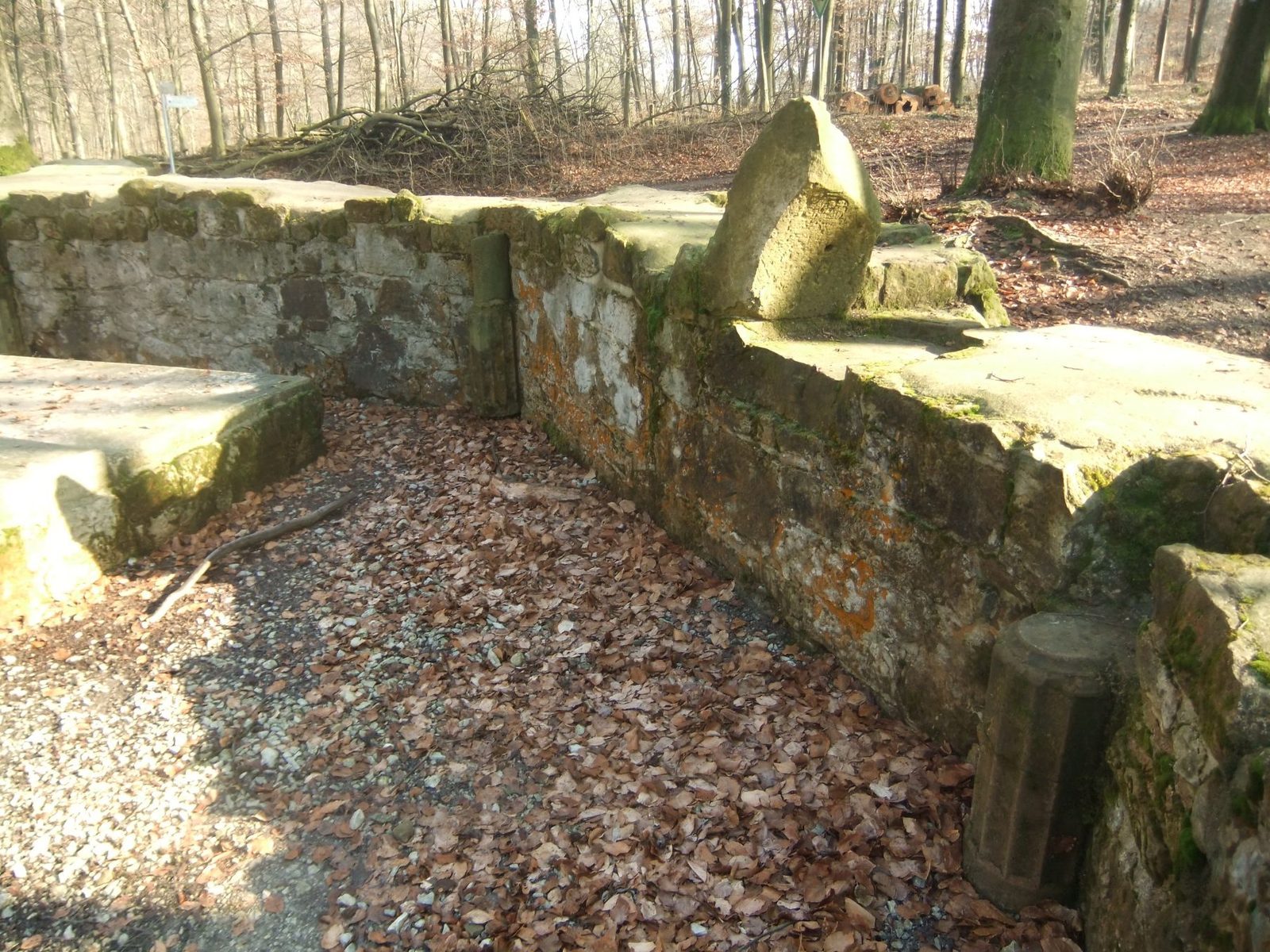
The surviving church foundations outline a single-nave building with three interior divisions and a choir ending in five sides of an imagined eight-sided shape. The walls stand about one metre high. The choir measured 9.1 metres across and 14 metres long, while the church’s total internal length was 24.4 metres.