Gondrani: Archaeological Cave Dwellings in Pakistan
Site at a Glance
- Popularity
- Medium
- Country
- Pakistan
- Primary era
- Medieval
- Eras represented
- Medieval
- Civilizations
- Unclassified
- Site type
- Settlement
History
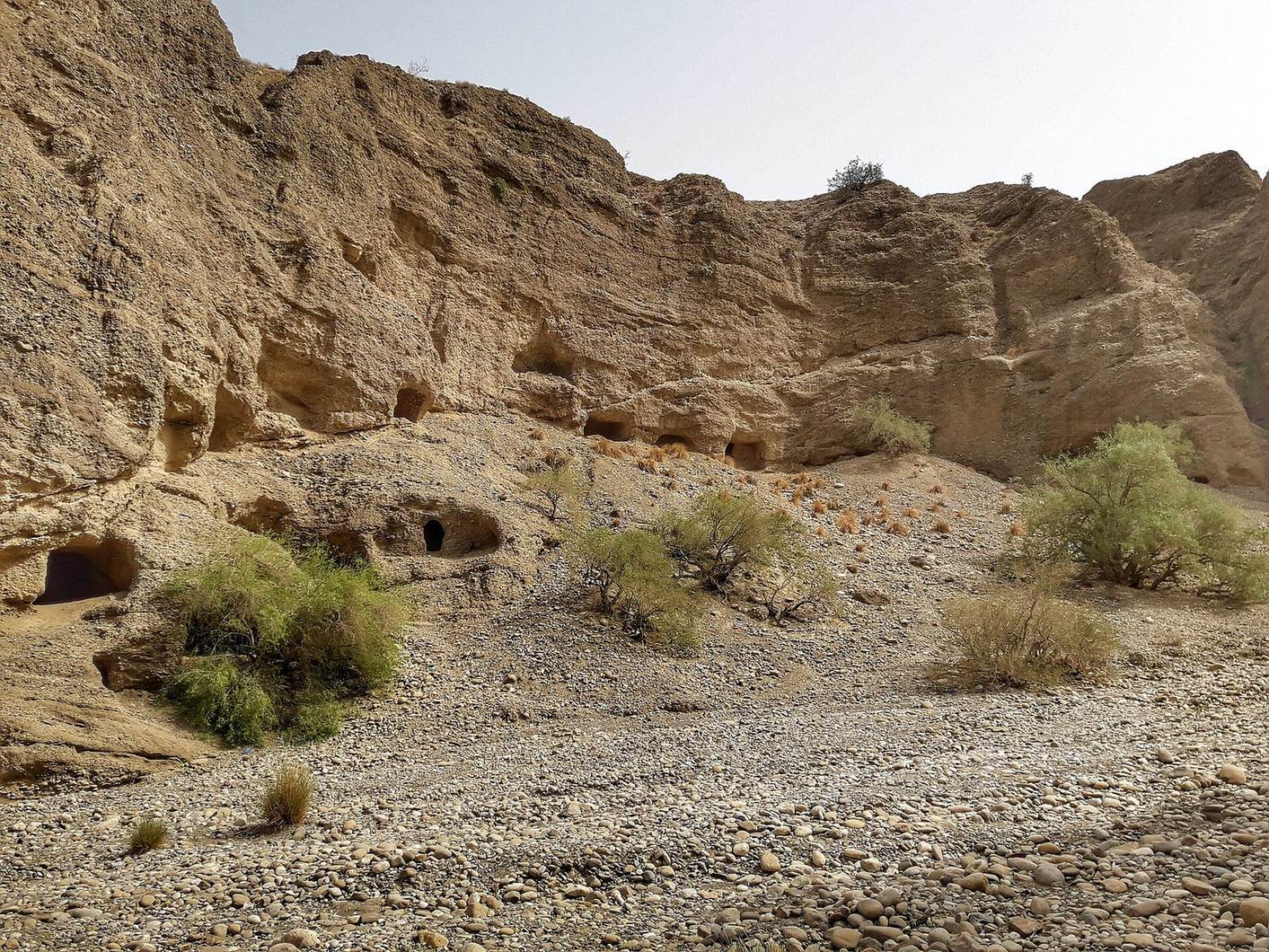
Gondrani, also known as Shehr-e-Roghan, is an archaeological settlement of cave dwellings near Bela in Balochistan, Pakistan. Its builders and precise history are unknown, but the complex is believed to have been a large Buddhist monastery dating to the eighth century, when the region formed part of a Buddhist kingdom. A Buddhist monastery is a religious residence and community for Buddhist monastics. The caves’ construction has been used to identify them as Buddhist, although that connection remains uncertain.
Local legends describe demons and evil spirits on the mountain tormenting and eating the town’s inhabitants. In one version, Mai Gondrani, an elderly holy woman, gave her life to destroy the demons and free the people. In another, she drove the spirits away and remained in the settlement until her death.
No conservation work has been carried out at the site. Poor access, limited archaeological awareness and a lack of institutional impetus to preserve historic places outside Islamic heritage have hindered conservation.
Remains
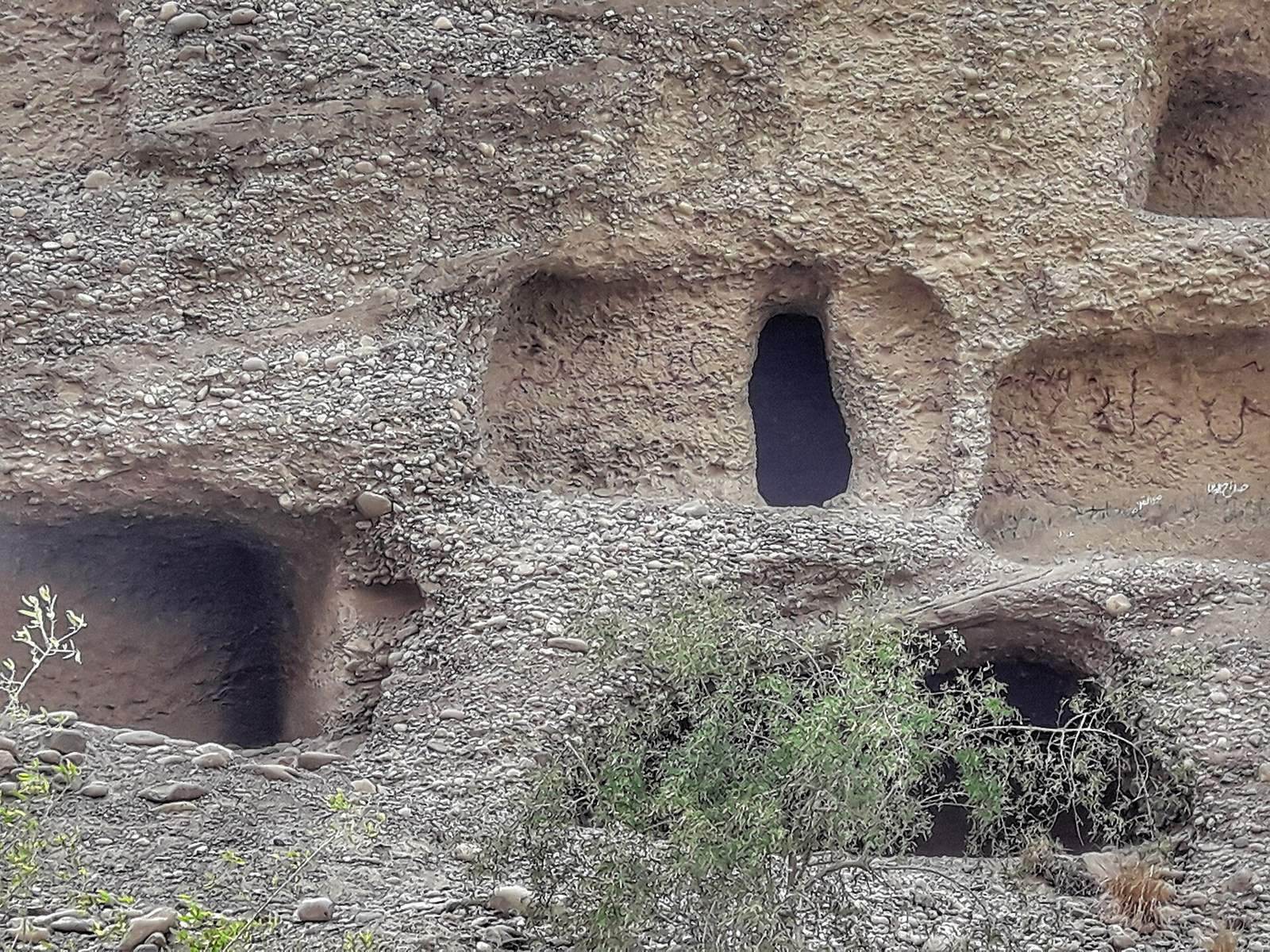
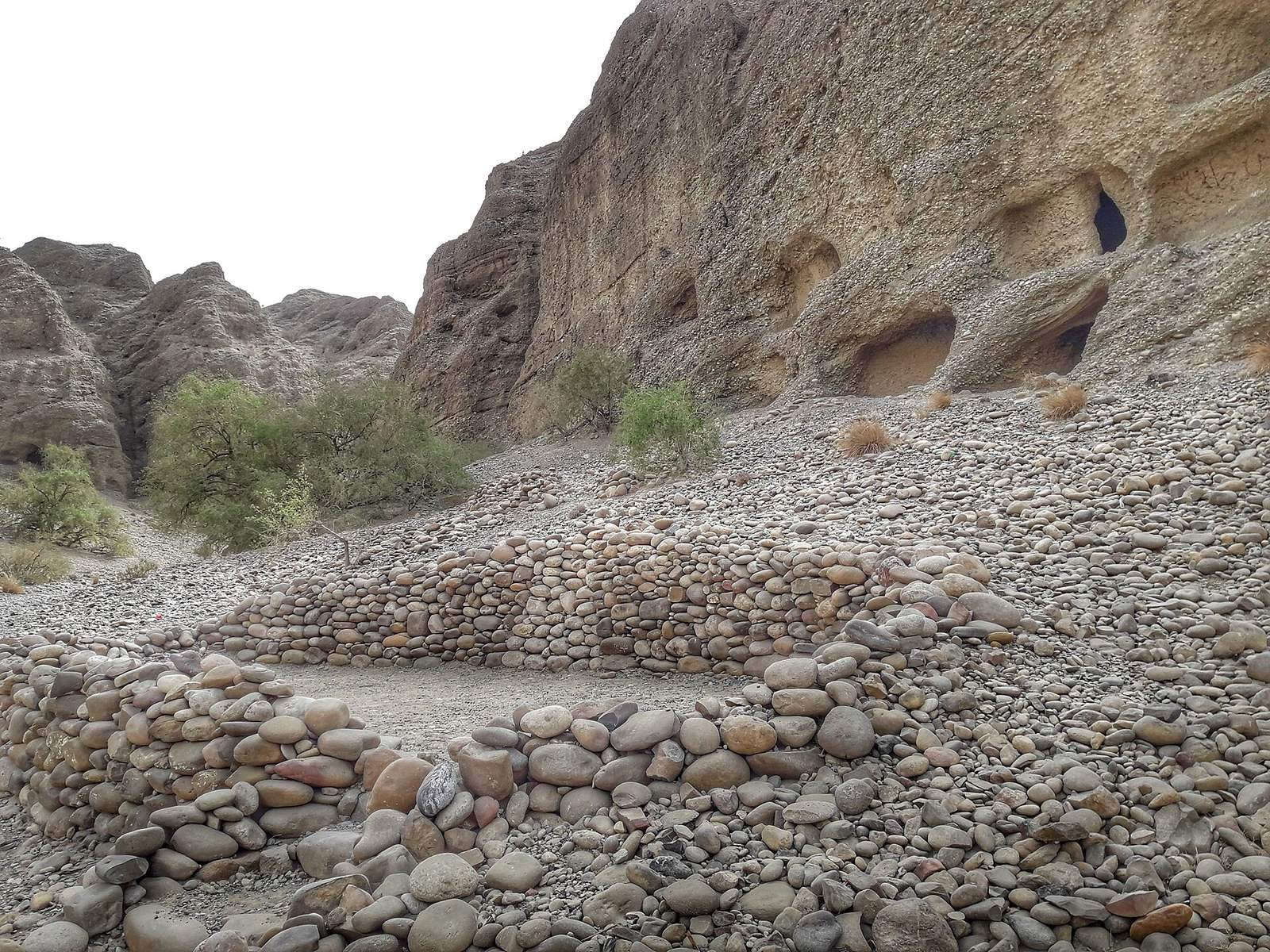
The cave dwellings, locally called Puraney Ghaar, or “Old House,” are cut into solid conglomerate rock, a sedimentary stone formed from cemented rounded fragments. They occupy several levels and are connected by pathways. The complex lies roughly 15–20 km north or northwest of Bela, at Gandakahar near the ruins of an ancient town.
The caves contain small rooms, hearths, wall niches for lamps, and verandahs or front porches. An estimate from the period of British rule put their number at about 1,500; approximately 500 remain. They are in poor condition and continue to erode.
A nearby burial place associated with Mai Gondrani is a well-known local shrine.