Brdo Castle near Kranj: A Renaissance Mansion and Government Residence
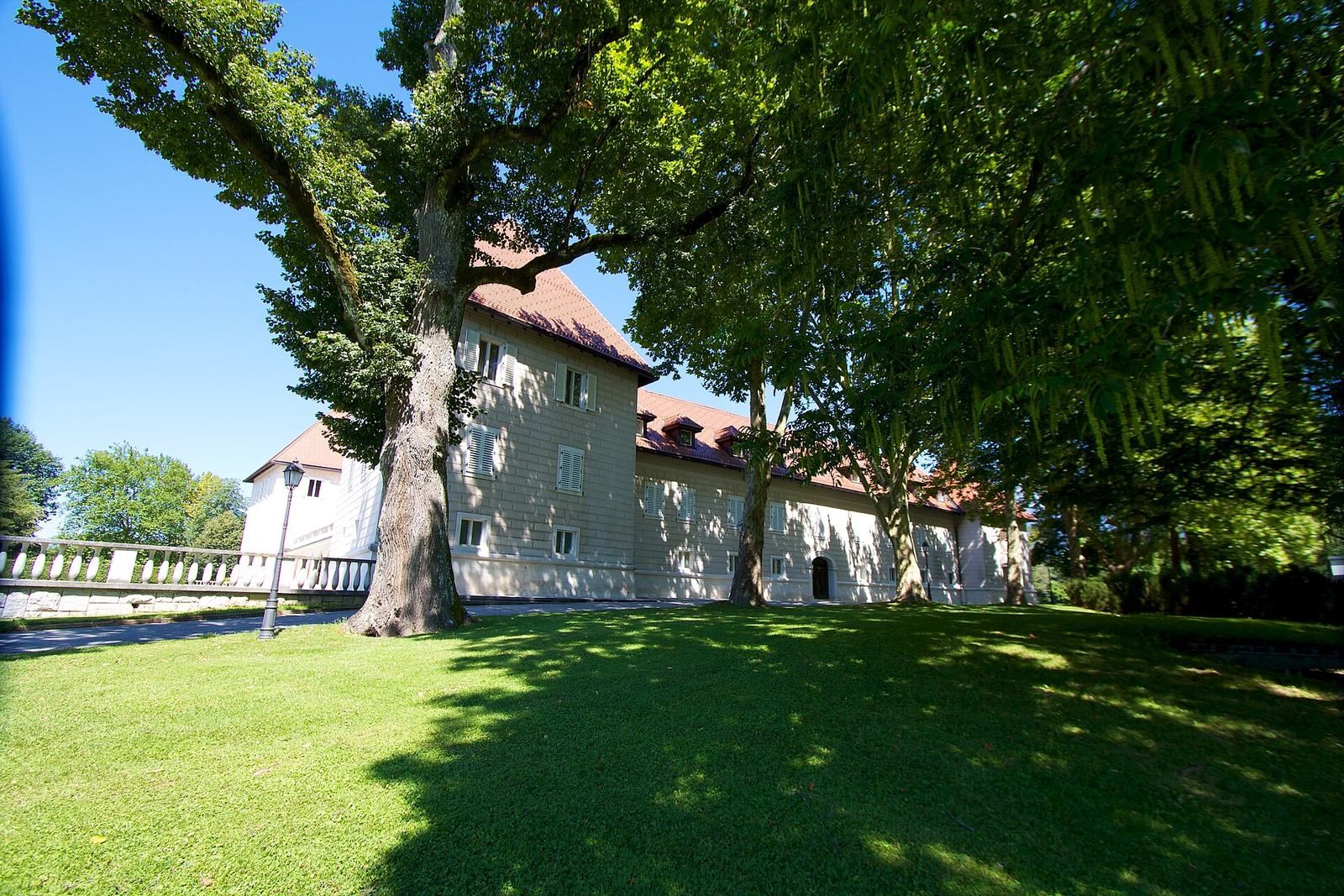
Site at a Glance
- Rating
- 4.7
- Popularity
- High
- Country
- Slovenia
- Primary era
- Early Modern
- Eras represented
- Early Modern
- Civilizations
- Habsburg, Holy Roman Empire
- Site type
- Domestic
- Remains
- Palace
On this page8 sections
History
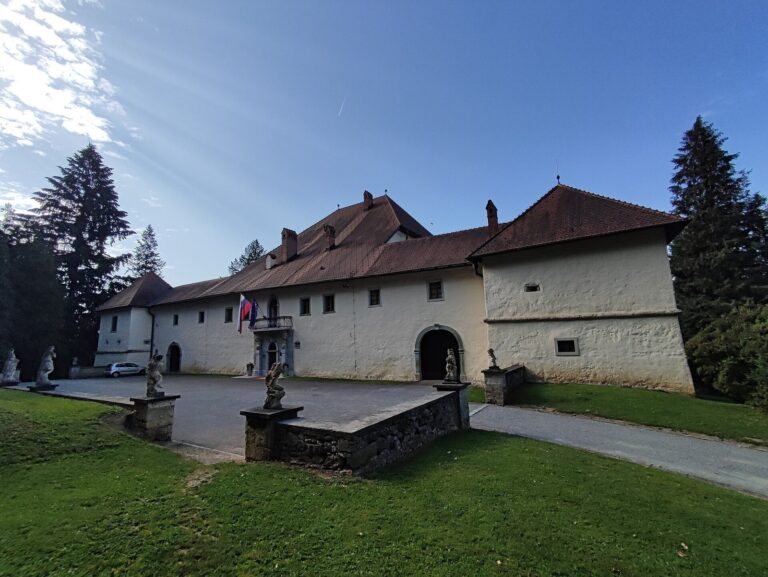
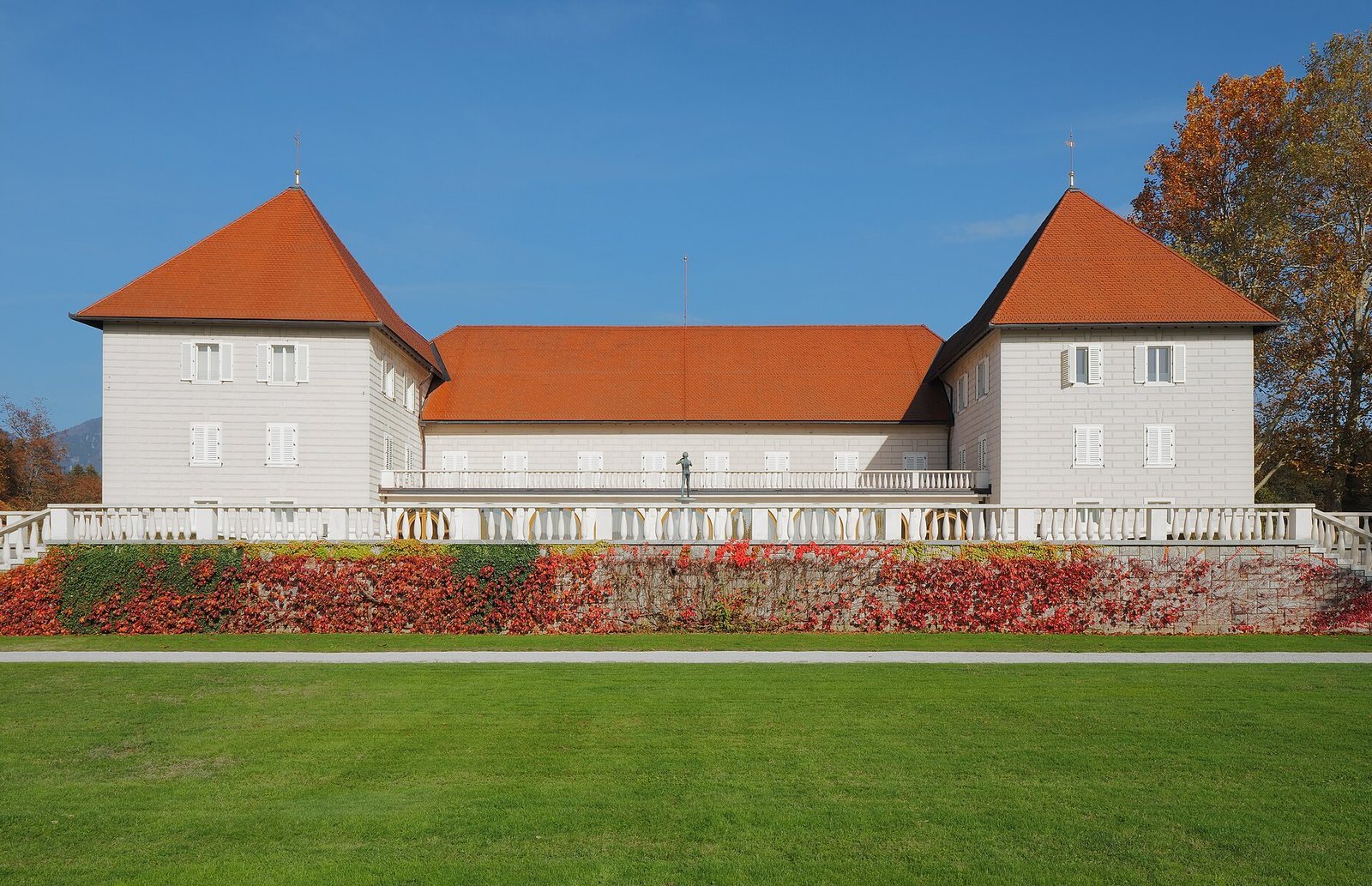
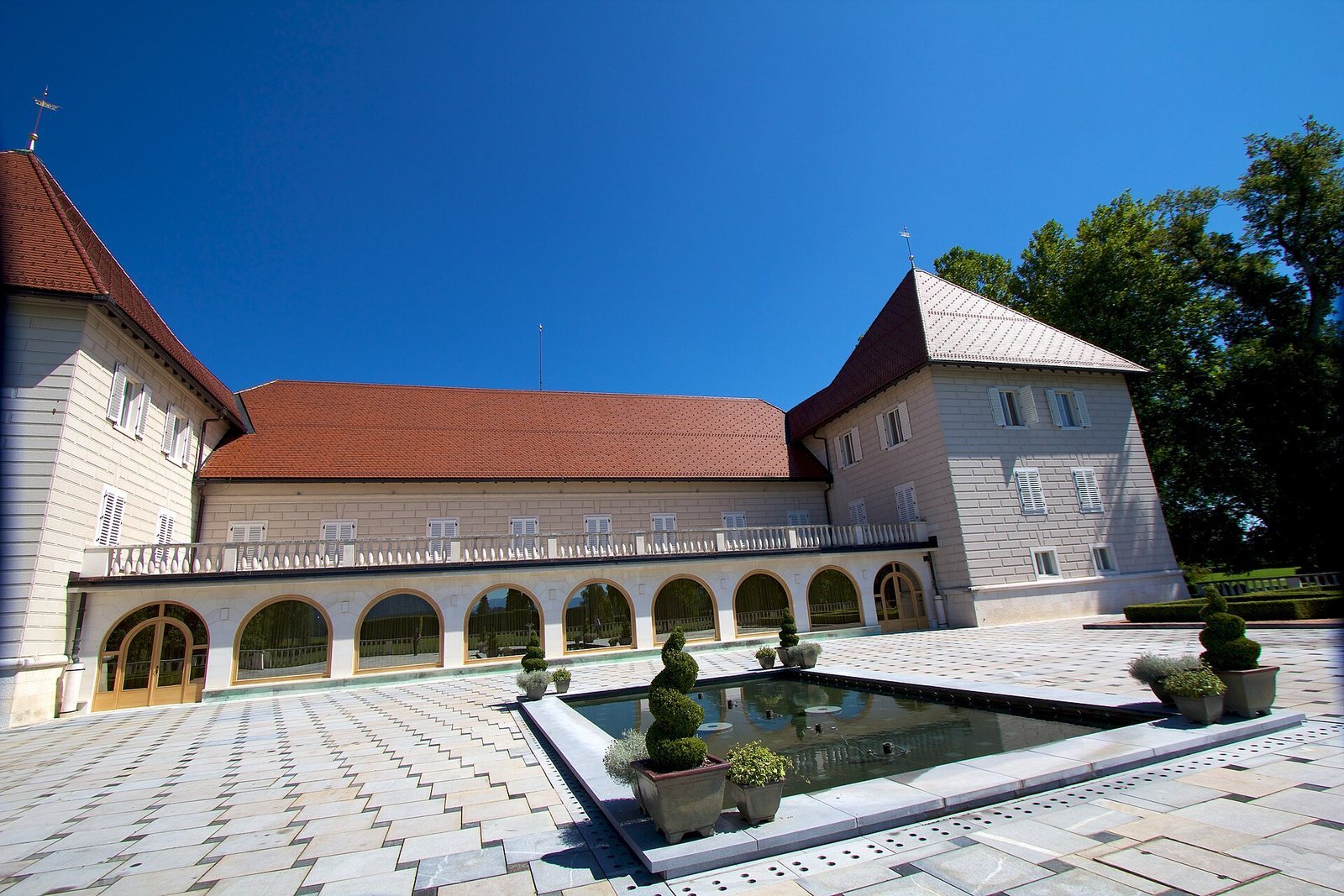
Brdo Castle near Kranj is a mansion and estate in Upper Carniola, Slovenia, west of Predoslje. Nobleman Georg (Jurij) Egkh built it in 1510 as the first Renaissance castle in the Duchy of Carniola. Carniola was a historic duchy in present-day Slovenia, and the Renaissance was a European cultural and artistic movement that shaped architecture from the fifteenth century onward. Egkh administered Habsburg private estates in the duchy and received permission to build from Maximilian I, a Habsburg ruler and Holy Roman Emperor.
Foundation and changing ownership
The name Brdo appears in records as Eck in 1430, Egkh in 1490, and Ekh in 1499. After Egkh’s death, the castle passed among successive owners, and its appearance changed. In the eighteenth century, Baron Michelangelo Zois acquired it. He was the father of Sigmund Zois, a Carniolan patron of the arts and natural scientist associated with the Enlightenment. The castle changed hands several times again during the nineteenth century, when its interior was completely renovated.
Royal residence under Prince Paul
By the early twentieth century, the castle had fallen into neglect. In 1935, Prince Regent Paul Karađorđević, a member of Yugoslavia’s royal dynasty, bought it and transformed the provincial mansion into a refined summer royal residence. Between 1935 and 1941, its guests included Edward VIII of the United Kingdom and Prince George, Duke of Kent.
Yugoslav state residence
After the Second World War, the castle was confiscated from the Karađorđević dynasty and became state property in 1947. Yugoslav leader Josip Broz Tito used it as a summer residence during visits to the Socialist Republic of Slovenia, one of socialist Yugoslavia’s constituent republics. He spent time there and received foreign dignitaries. Among the guests were Soviet Marshal Georgy Zhukov, Soviet premier Nikita Khrushchev, Indonesian president Sukarno, Tanzanian prime minister Julius Nyerere, Egyptian presidents Nasser and Anwar Sadat, and Palestinian leader Yasser Arafat. Actors Kirk Douglas and Orson Welles also visited.
During a visit in spring 1980, Tito suffered a seizure at Brdo and was taken to the Ljubljana University Medical Centre, where he later died. After his death, the estate passed to the Socialist Republic of Slovenia and later to the government of independent Slovenia.
Diplomatic role in independent Slovenia
In 1990, Brdo hosted a meeting of leaders from Yugoslavia’s six republics, who unsuccessfully sought to prevent the federation’s dissolution. After Slovenia became independent in 1991, the residence served government protocol and diplomatic functions. On 16 June 2001, it hosted the first official meeting between Russian president Vladimir Putin and United States president George W. Bush. It also held high-level international meetings during Slovenia’s presidency of the Council of the European Union in the first half of 2008.
Prince Paul’s descendants disputed the confiscation, arguing that it was unlawful. Courts rejected their claim in 2011 and April 2012; in 2013, they were still seeking review by Slovenia’s Supreme Court. Brdo is now the Slovenian government’s principal venue for diplomatic meetings and other government-sponsored events. It is regarded as the country’s best-preserved Renaissance castle.
Remains
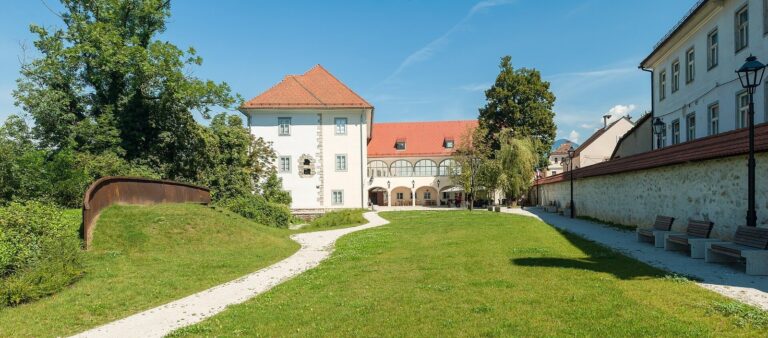
The estate includes the Renaissance mansion and a nearby modern congress centre. The castle interior and the contemporary glass building represent distinct parts of the complex, which also lies amid a protected natural forest.
Renaissance Castle
The mansion’s interior is decorated with paintings, frescoes, or wall paintings made on wet plaster, and sculptures by Slovenian artists Božidar Jakac, Maksim Sedej, Boris Kalin, Zdenko Kalin, and Karel Putrih.
Brdo Congress Centre
Built in 2008 for Slovenia’s presidency of the Council of the European Union, the Brdo Congress Centre stands near the castle complex. The glass building covers 10,200 square metres and was designed by architects Matija Bevk and Vasa Perović.