Kotavank: A Late Ninth-Century Dynastic Church in Armenia
Site at a Glance
- Rating
- 4.9
- Popularity
- Low
- Country
- Armenia
- Primary era
- Medieval
- Eras represented
- Medieval
- Civilizations
- Armenian
- Site type
- Religious
- Remains
- Church
On this page10 sections
History
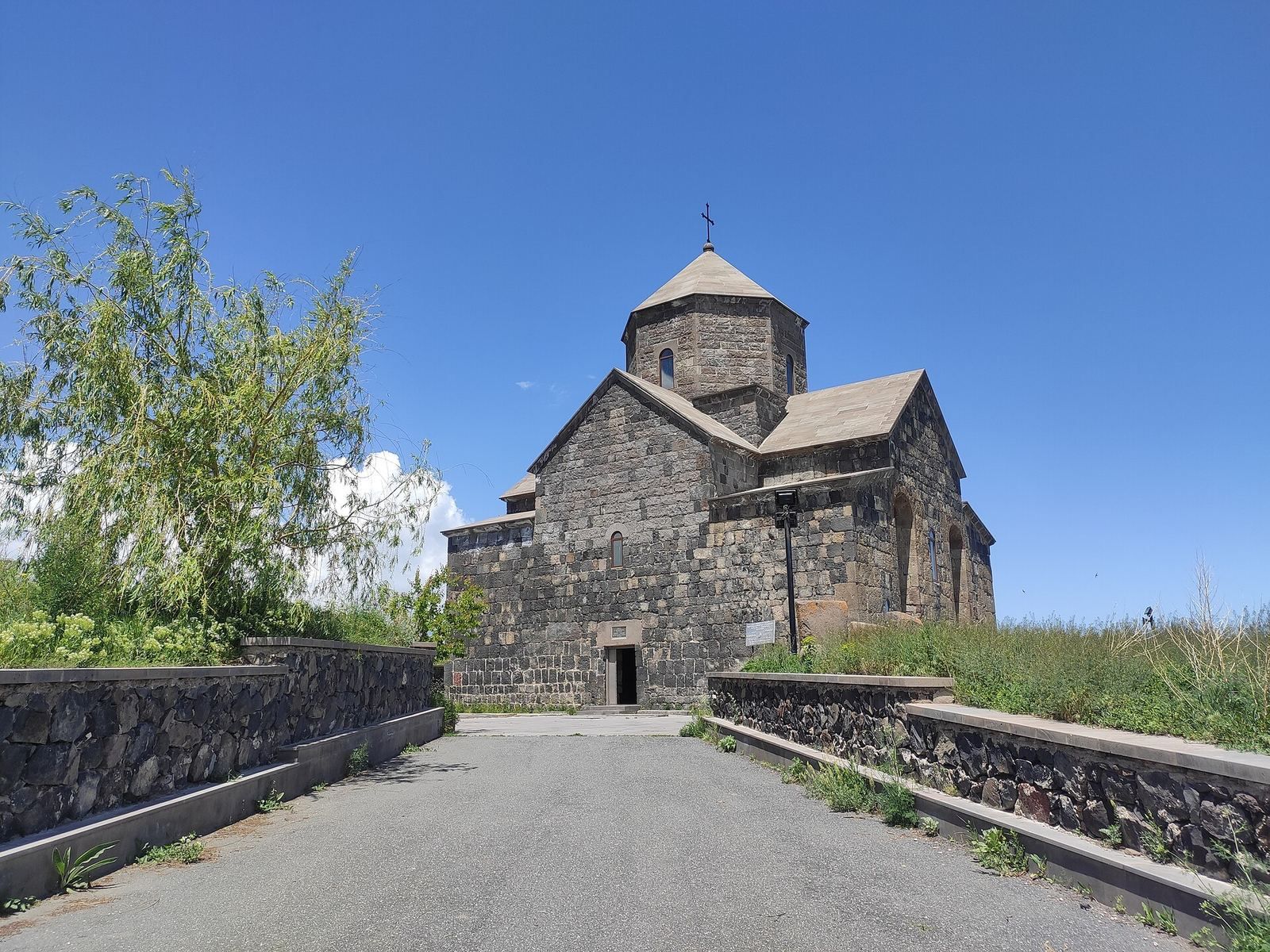
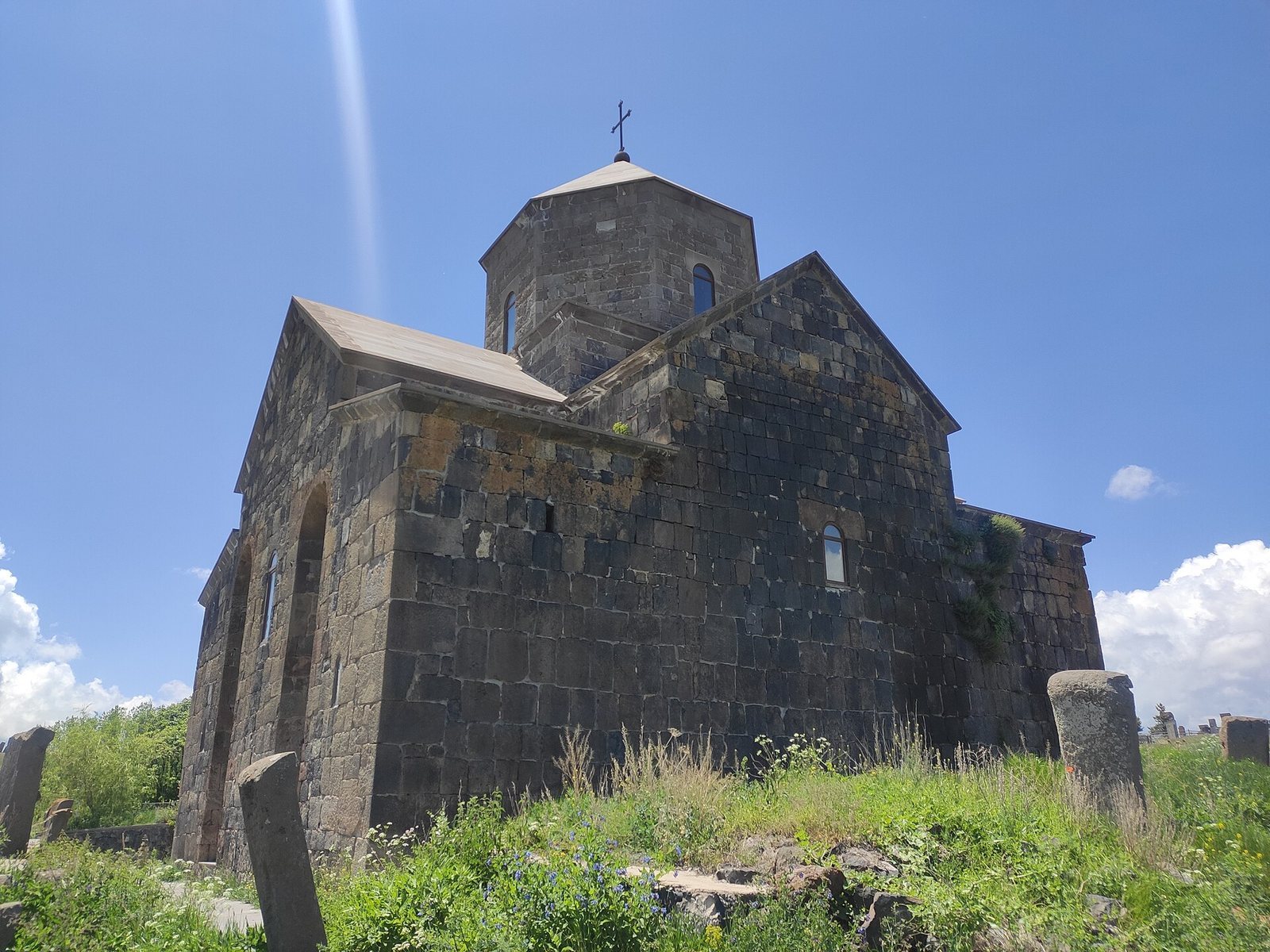
Kotavank, the Church of the Holy Mother of God, is a late ninth-century Armenian church near Nerkin Getashen in Armenia. Built as a dynastic tomb for the Haykazun branch of the Syunik princely family, it is associated with the Armenian Apostolic Church, Armenia’s historic Christian church. The site lies within the historical territory of Bagratid Armenia, the kingdom ruled by the Bagratuni dynasty.
Foundation and princely setting
Prince Grigor Supan founded Kotavank. He was the son of Vasak Syuni, lord of Syunik, and Mariam, daughter of King Ashot Bagratuni. The Haykazun branch made Kot, now Nerkin Getashen, its princely seat. In the early medieval period, Kot was also the capital of a region bearing the same name.
Invasions and later damage
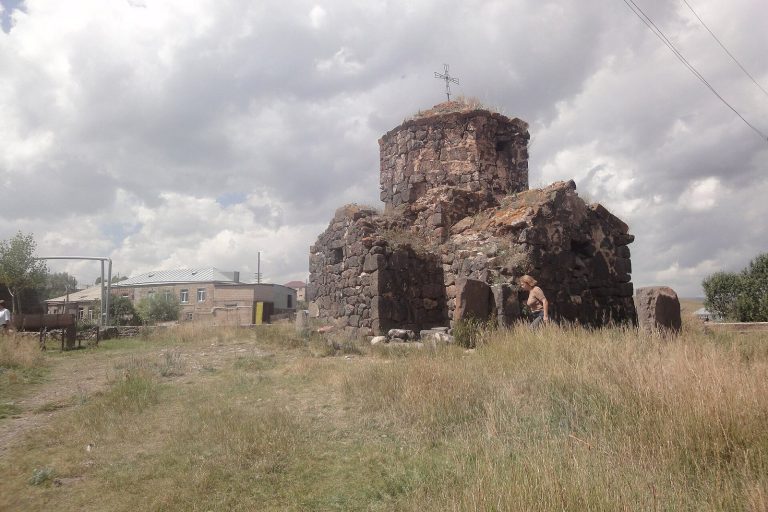
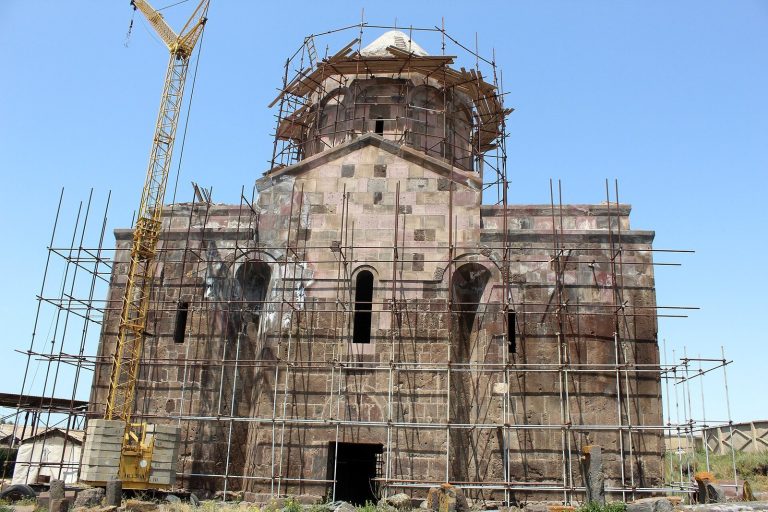
Invasions in the tenth and eleventh centuries partially destroyed both Kotavank and Kot. An earthquake later damaged the church. Renovation has taken place, and restoration work continues.
Remains
South of Lake Sevan in Gegharkunik Province, Kotavank stands on a hill overlooking the Argitchi River and Nerkin Getashen. The village is about five kilometres from Martuni. The church has a large cross-shaped plan within a rectangular outline, and its roughly hewn basalt walls have entrances on the south and west sides.
Surviving church structure
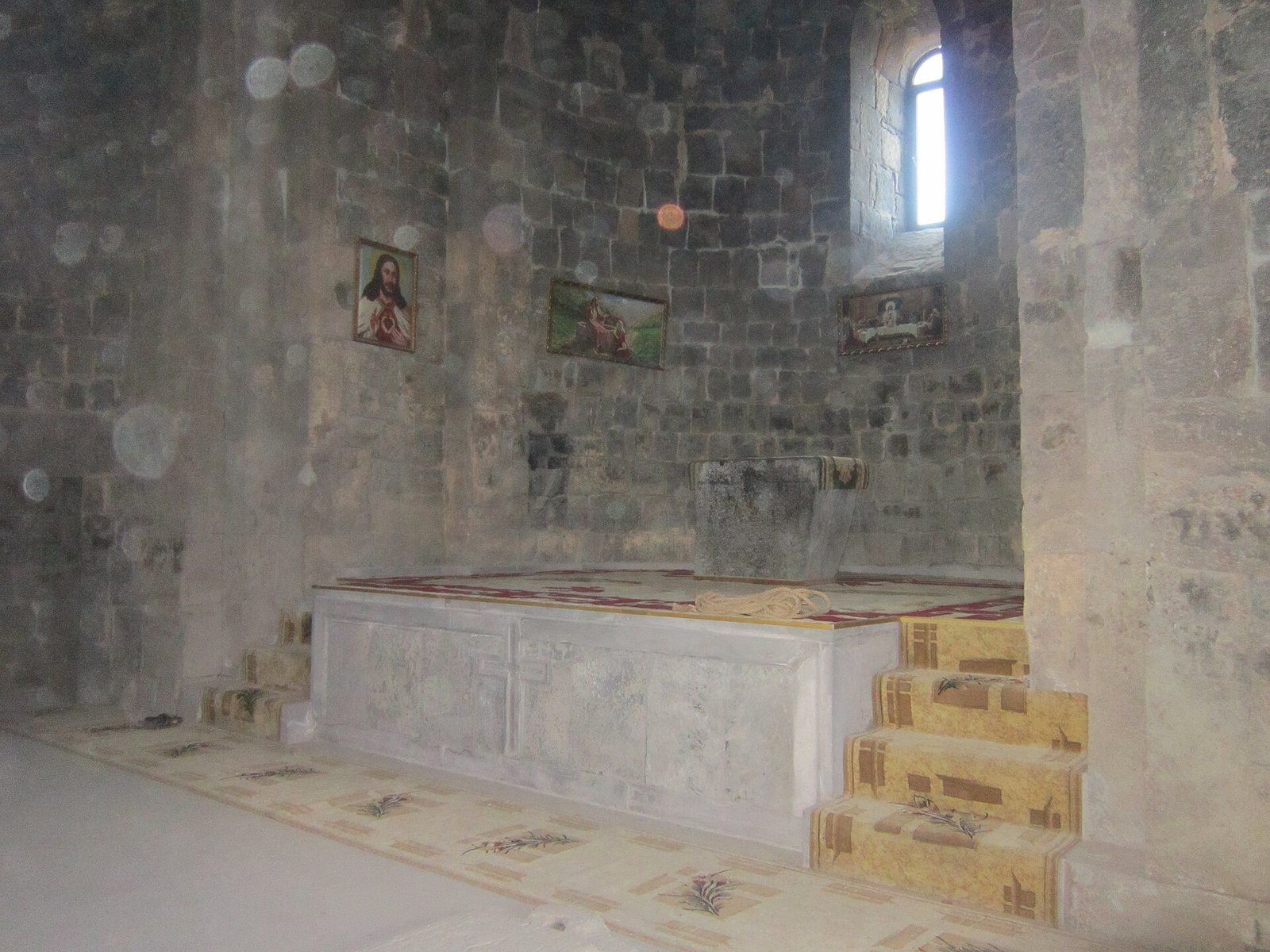
The northern and southern wings are semicircular, while the western wing is rectangular. The eastern semicircular sanctuary and its four side rooms survive, along with sections of the walls and curved ceiling structures. The roof, dome, and supporting drum have collapsed, as has one of the curved ceilings. The former dome and drum were decorated.
Prayer rooms and concealed chambers
Four rooms used for prayer or study open into the church: two through the north and south walls of the western wing, and two through the eastern walls of the north and south wings. Chambers above the study rooms were intended as hiding places during invasions. Two high openings beside the sanctuary offer partial views into these chambers.
Underground passages
Two tunnels ran beneath the church. One connected it to a nearby spring, while the other provided an escape route to the valley.
Burial grounds and khachkars
Medieval cemetery
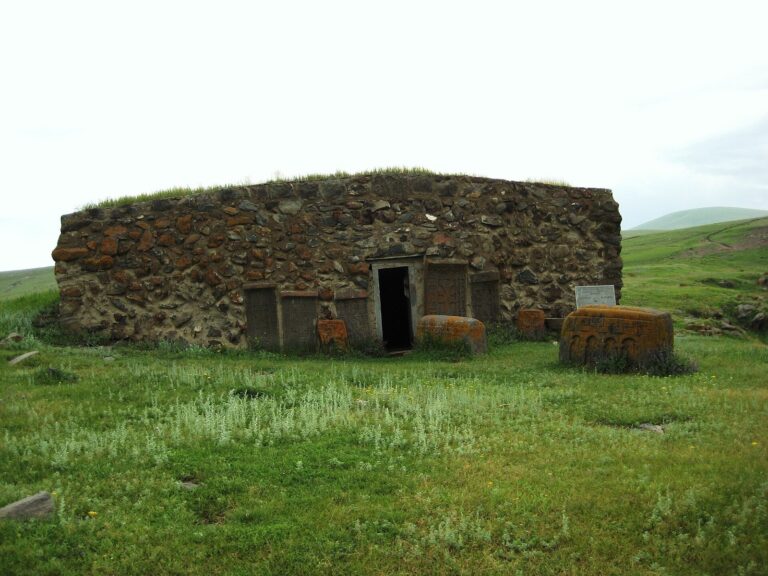
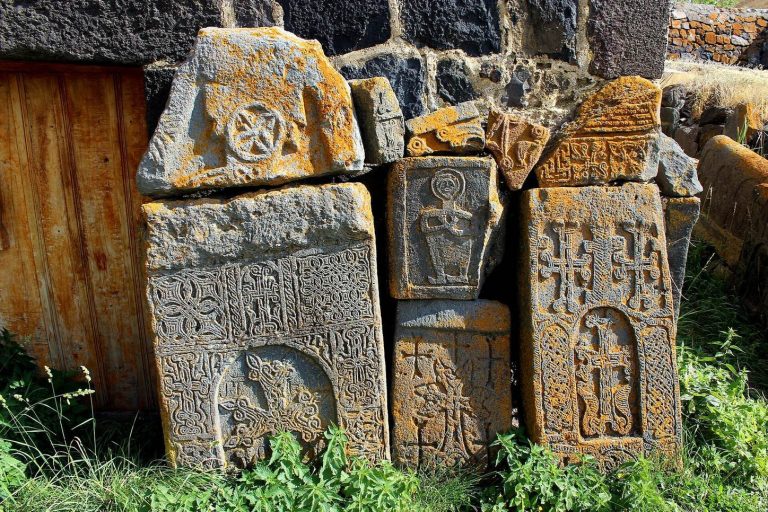
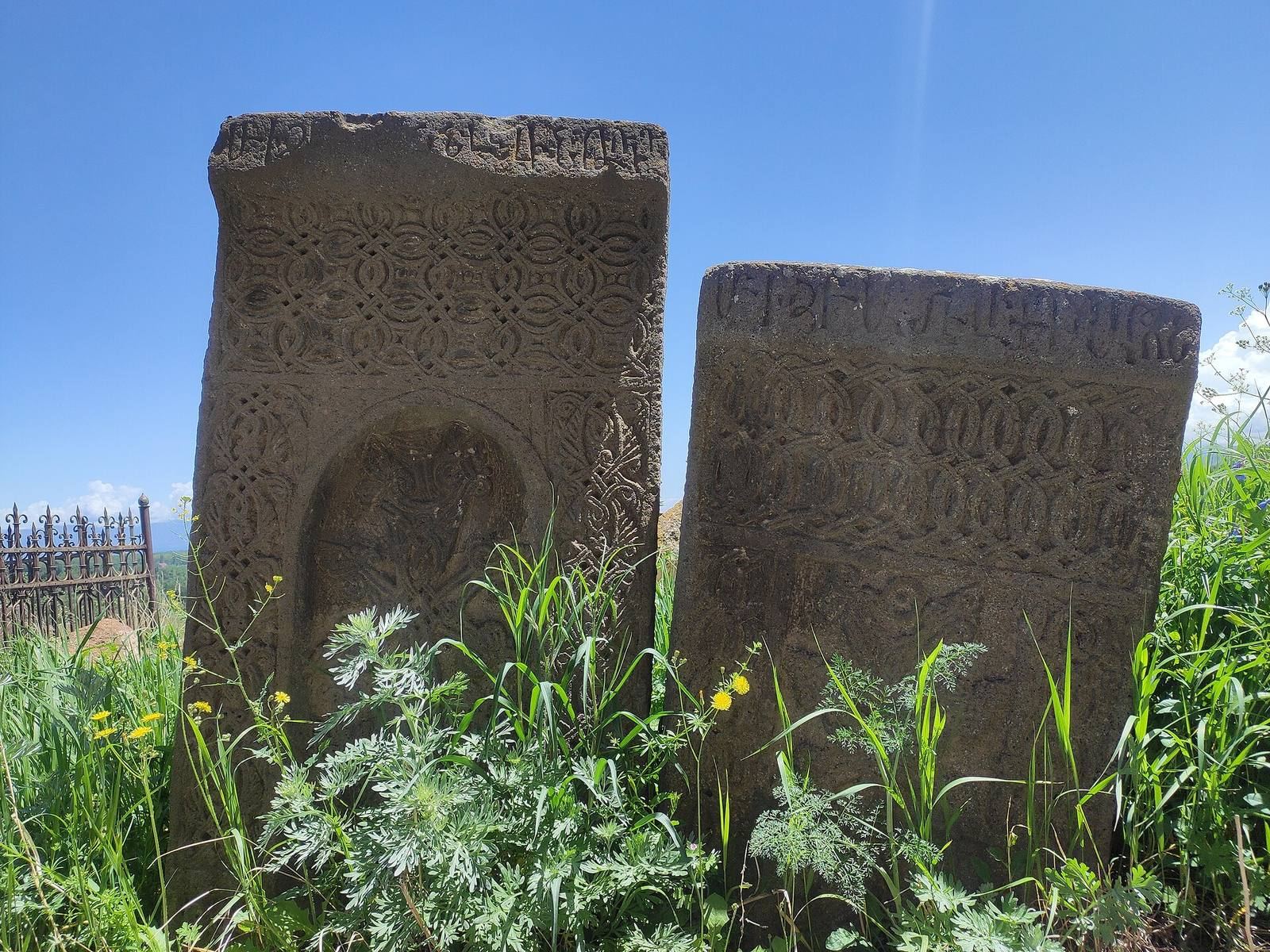
A large medieval cemetery surrounds the church. It contains numerous khachkars, carved stones bearing crosses and used as memorials or religious monuments, as well as ancient tombstones.
Other burial grounds and carved stones
A modern cemetery has encroached on the older burial ground. Many khachkars and tombstones have been moved from their original positions and piled together. Another ancient cemetery, also containing numerous khachkars, lies on a hill beside the modern cemetery. Khachkars are also found along the main road leading up the hill.