Naletale: A Torwa Capital and Khami-Phase Settlement in Zimbabwe
Site at a Glance
- Rating
- 5
- Popularity
- Very Low
- Country
- Zimbabwe
- Primary era
- Early Modern
- Eras represented
- Early Modern
- Civilizations
- Unclassified
- Site type
- Settlement
- Remains
- Town
On this page7 sections
History
Naletale is a dry-stone settlement in Insiza District, Matabeleland South, Zimbabwe. Its principal construction belongs to the seventeenth-century Khami phase, a regional stone-building tradition that developed after the decline of Great Zimbabwe, a major precolonial center in southern Africa. Naletale formed part of a political and commercial network linking settlements in the southern Zambezi region.
Torwa rule and the Khami phase
The Torwa dynasty, associated with the Kalanga people of southwestern Zimbabwe and neighboring areas, dominated southwestern Zimbabwe from the fifteenth century. Danamombe, Zinjanja, and Naletale were among its political centers. In the seventeenth century, the Torwa capital moved to Naletale, which served as the capital of the Torwa dynasty in the kingdom of Butua. The settlement’s principal construction is assigned to this century.
Naletale’s inhabitants farmed, raised livestock, mined, and worked metal. Imported glass beads and ceramics indicate links with Indian Ocean trade networks. Gold from the region passed through intermediaries connected with Portuguese merchants before being exported overseas. Naletale also gives its name to a group of dry-stone settlements that includes Nsalansala, Arupanga, Shangangwe, Bhila, Gwenaguru, Belmont Ruin, and Lawdale. These settlements served as habitation centers between the sixteenth and eighteenth centuries.
Rozvi rule and continued occupation
In the late seventeenth century, the Rozvi took control of Torwa territory and incorporated some of its political and material structures. Naletale remained occupied under Rozvi rule into the eighteenth and nineteenth centuries. Since both dynasties used and altered the same settlements, individual building phases at Naletale are difficult to assign to one or the other.
Disturbance and conservation
Treasure hunters and antiquarians disturbed parts of Naletale during the nineteenth and early twentieth centuries. Objects were removed, and damage to archaeological contexts has complicated interpretation. The site became a national monument in 1937. In 2018, Zimbabwe added the Naletale group to its World Heritage Tentative List, an inventory of places the country may propose for World Heritage inscription.
Some restoration in the 1930s introduced cement, plaster, and metal elements that differed from the original dry-stone construction. Later work aimed to rebuild walls using traditional methods. Maintenance slowed from the 1980s, and by 2012 the foundations and walls were considered at risk of collapse. A conservation project completed in 2014 consolidated walls and added interpretive features.
Remains
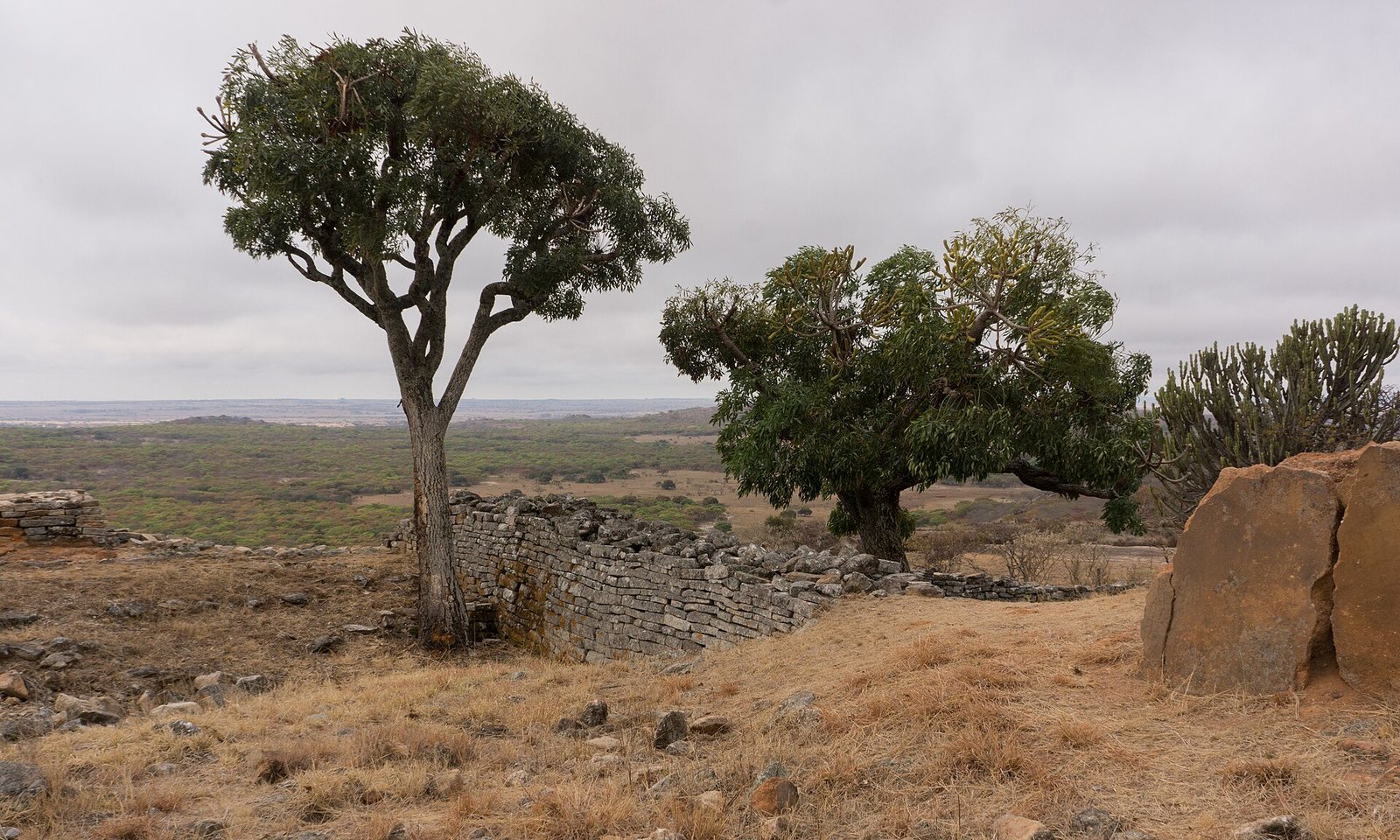
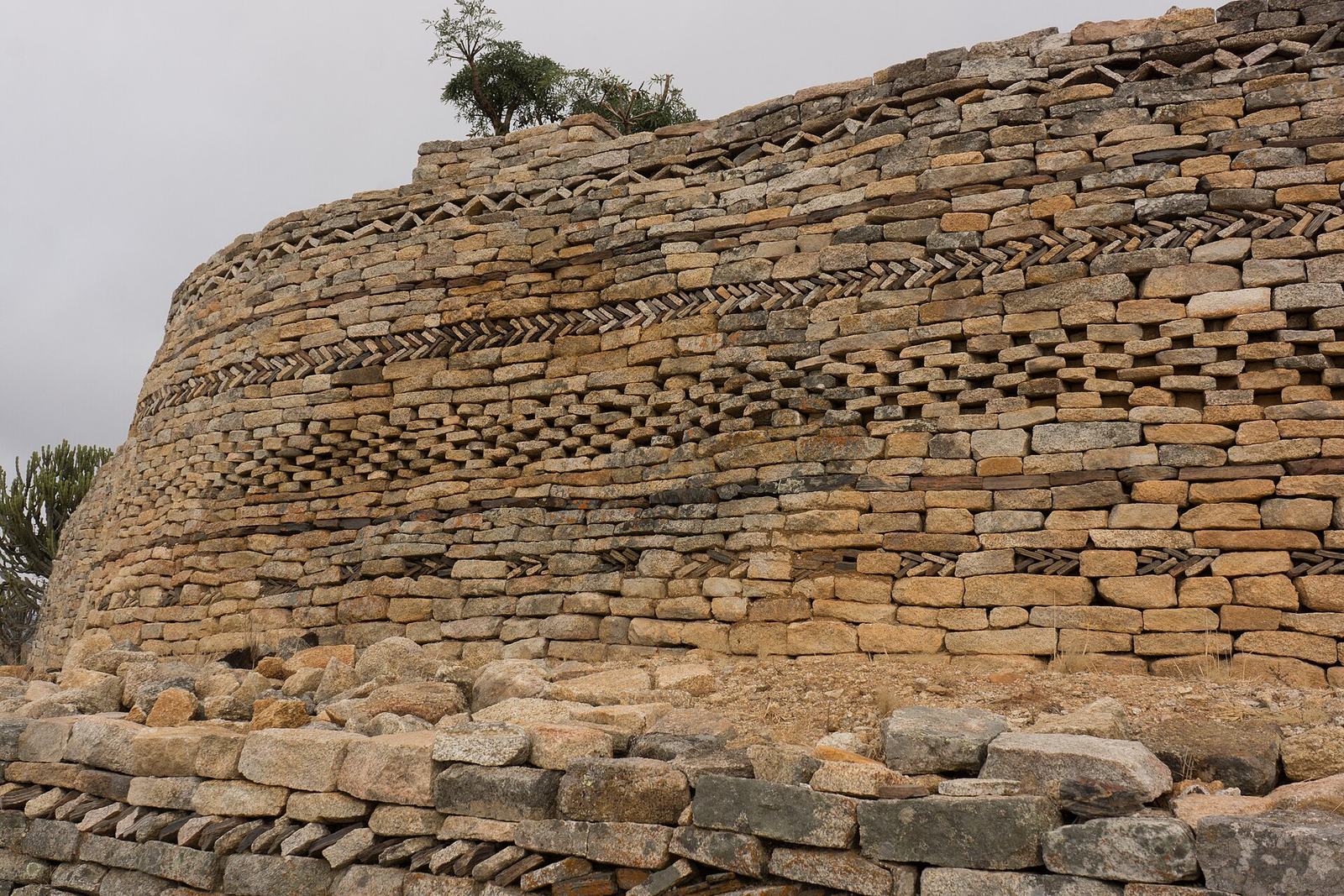
The settlement is arranged around an elliptical enclosure, with habitation areas within and beyond its walls.
Enclosure walls
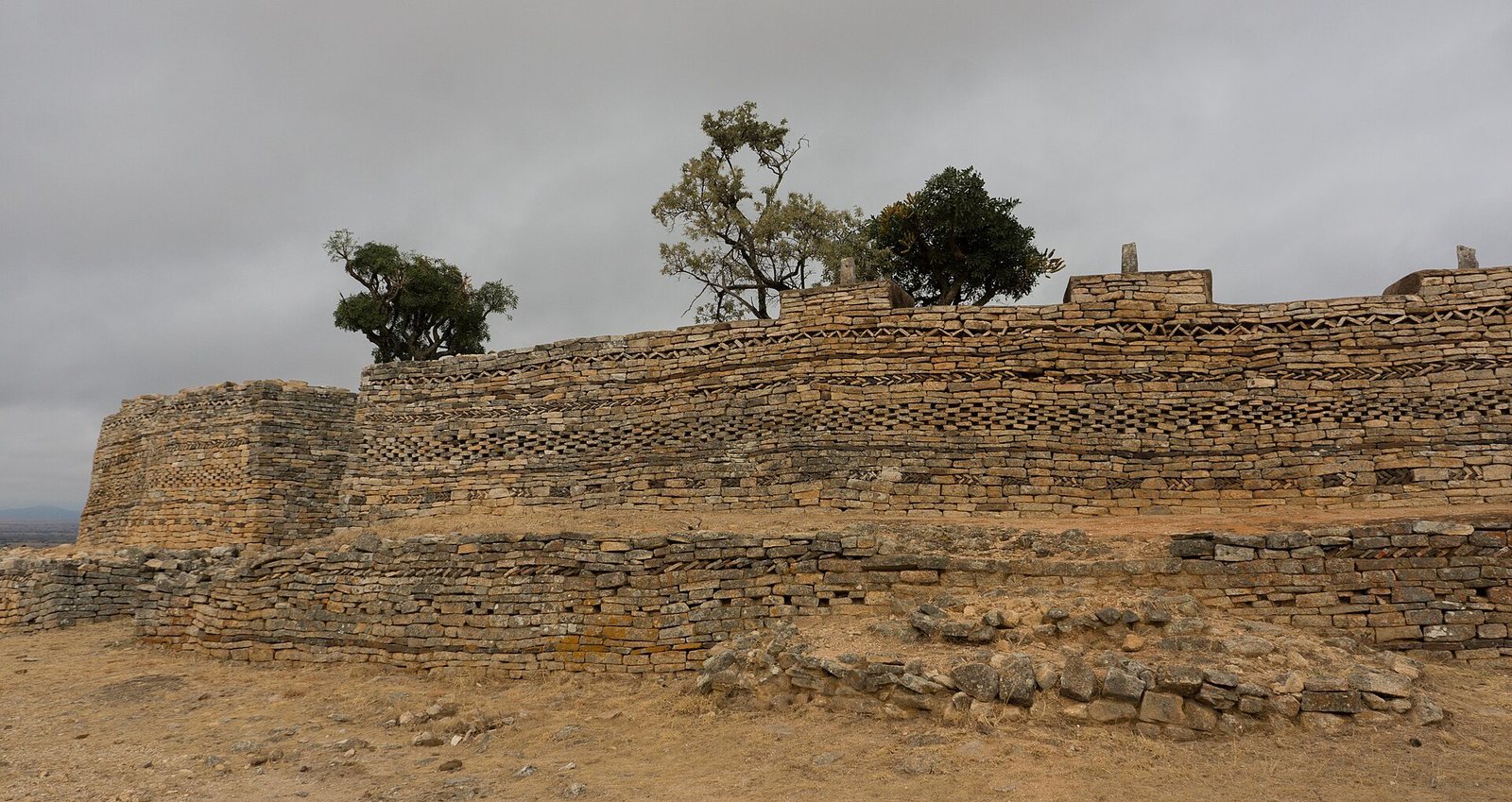
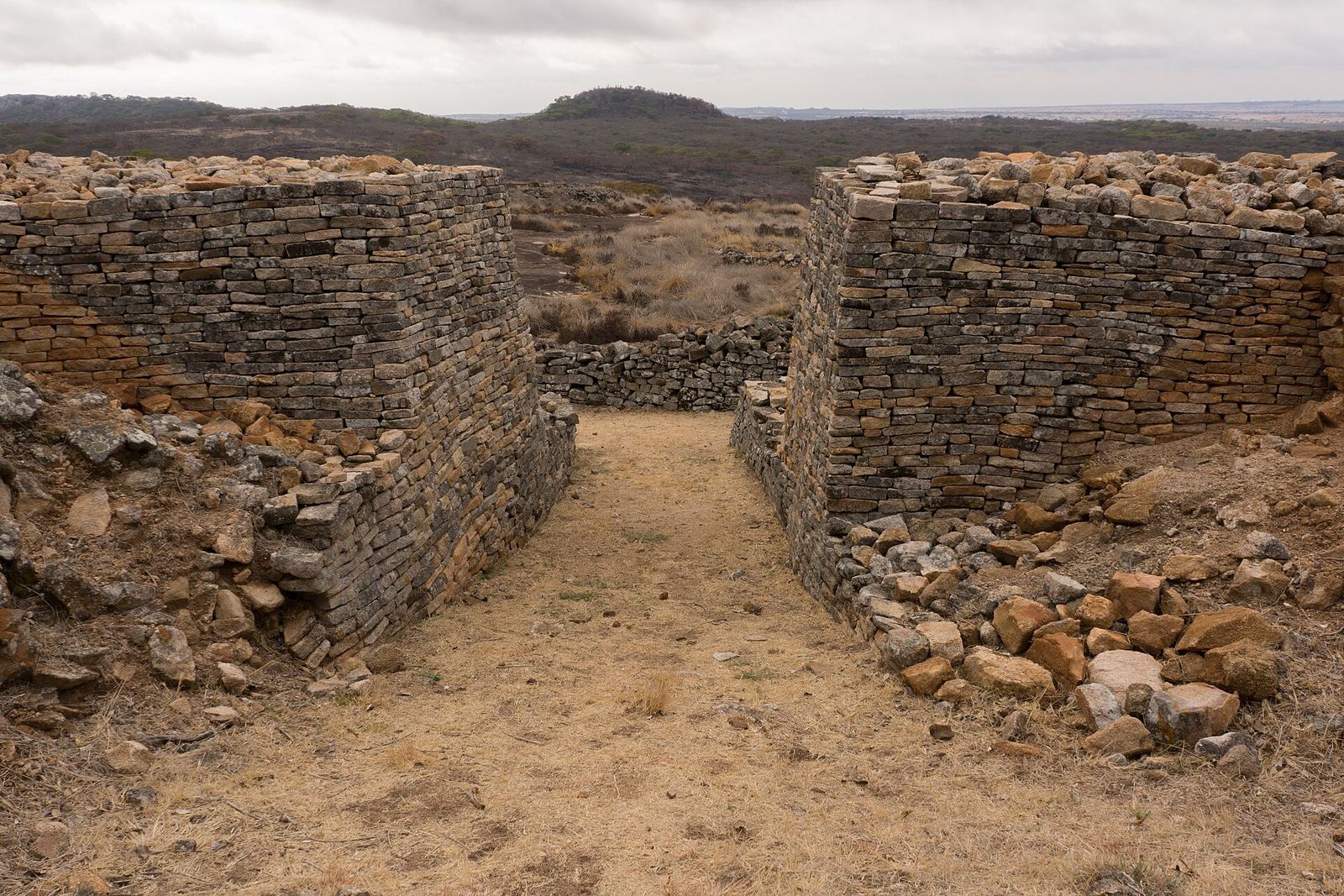
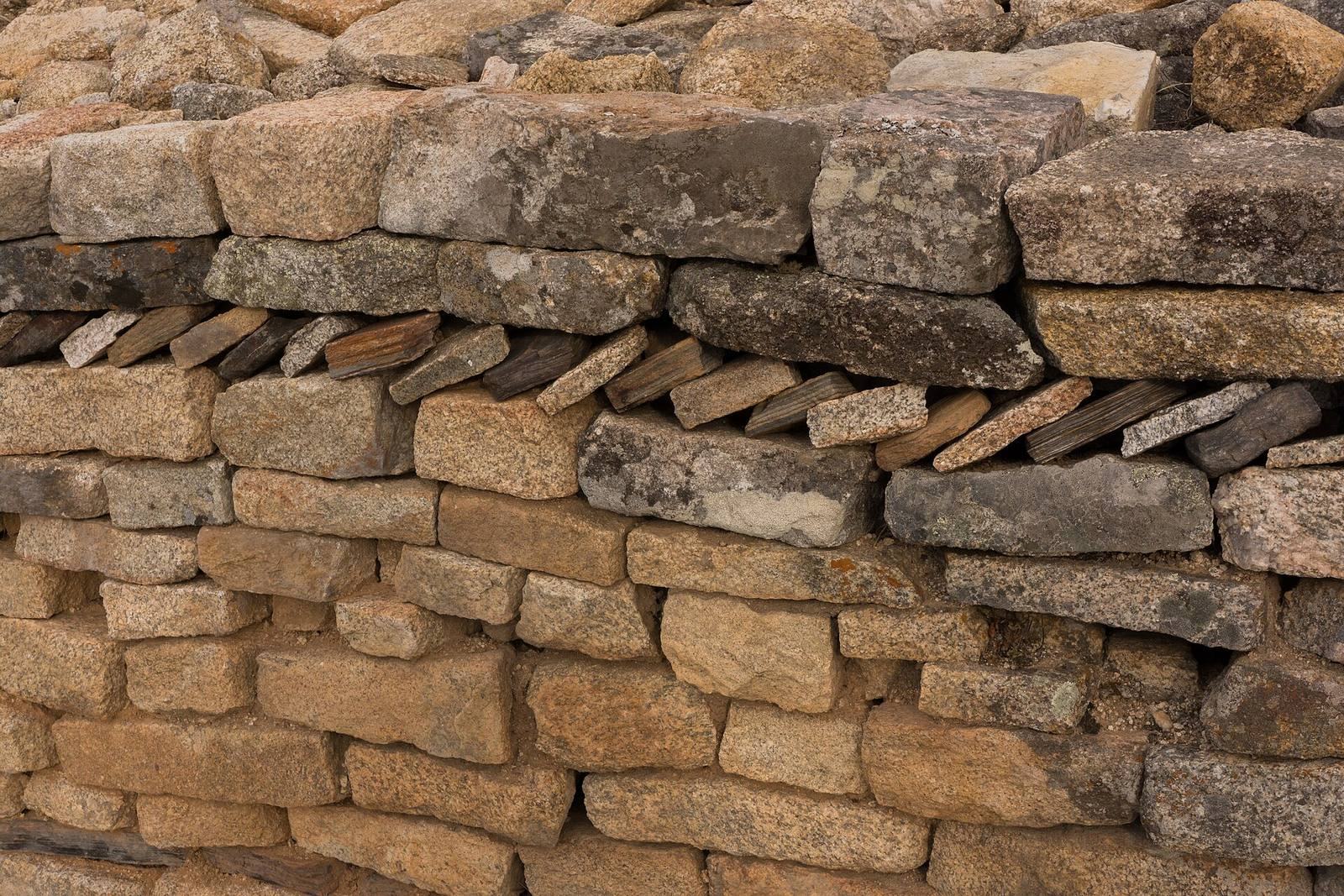
The enclosure measures about 60 m in diameter. Its walls are built from carefully cut granite blocks set without mortar, defining residential spaces and supporting raised platforms for dwellings. Six principal decorative forms appear in the masonry: chevrons, herringbone and double-herringbone patterns, horizontal cord-pattern bands, checkerboards, and rows of iron-rich or alternating-colored stones. Their concentration at Naletale distinguishes it from other Khami-phase settlements. The decoration reflects skilled stonework and had social and symbolic functions.
Habitation areas
Dwelling platforms occur both inside and around the enclosure. The earthen walls of domestic buildings have largely eroded, while the stone structures have resisted erosion more effectively.