Iñaq Uyu: An Inca Temple Complex Dedicated to the Moon
Site at a Glance
- Rating
- 4.3
- Popularity
- Low
- Country
- Bolivia
- Primary era
- Medieval
- Eras represented
- Medieval, Early Modern
- Civilizations
- Inca
- Site type
- Religious
- Remains
- Temple
On this page6 sections
History
Iñaq Uyu is an archaeological complex on Koati, the Island of the Moon, in the Bolivian part of Lake Titicaca. Broadly dated to around 1000–1500 CE, it preserves evidence of an earlier Tiwanaku-period settlement beneath a later Inca complex.
Tiwanaku-period evidence
Finds point to a substantial settlement from the Tiwanaku period, associated with a major pre-Inca Andean state and cultural tradition centered near Lake Titicaca. This evidence supports the proposal that the Tiwanaku state established a pilgrimage complex on the Islands of the Sun and the Moon before Inca rule.
Inca use and later interpretations
During the Inca period, the site was associated with a temple dedicated to Mama Quilla, the Inca lunar deity, and an acllahuasi, a residence for women selected for particular roles in Inca society. Also called Aklla Wasi, meaning “House of the Chosen Women,” Iñaq Uyu was one of the principal temples to the Moon in the Inca realm. The Incas held Coya Raymi, an Inca ceremonial observance, there.
Early scholars, following chroniclers, credited the Inca ruler Túpac Yupanqui with building the complex and Huayna Cápac with enlarging it later. Researchers have questioned this account because the complex combines Inca architectural forms with features linked to Lake Titicaca traditions, including Tiwanaku. A speculative interpretation connects the name Iñaq Uyu with an enclosure for an Inca noblewoman and proposes that the site may have served as a burial place for elite Inca women.
Remains
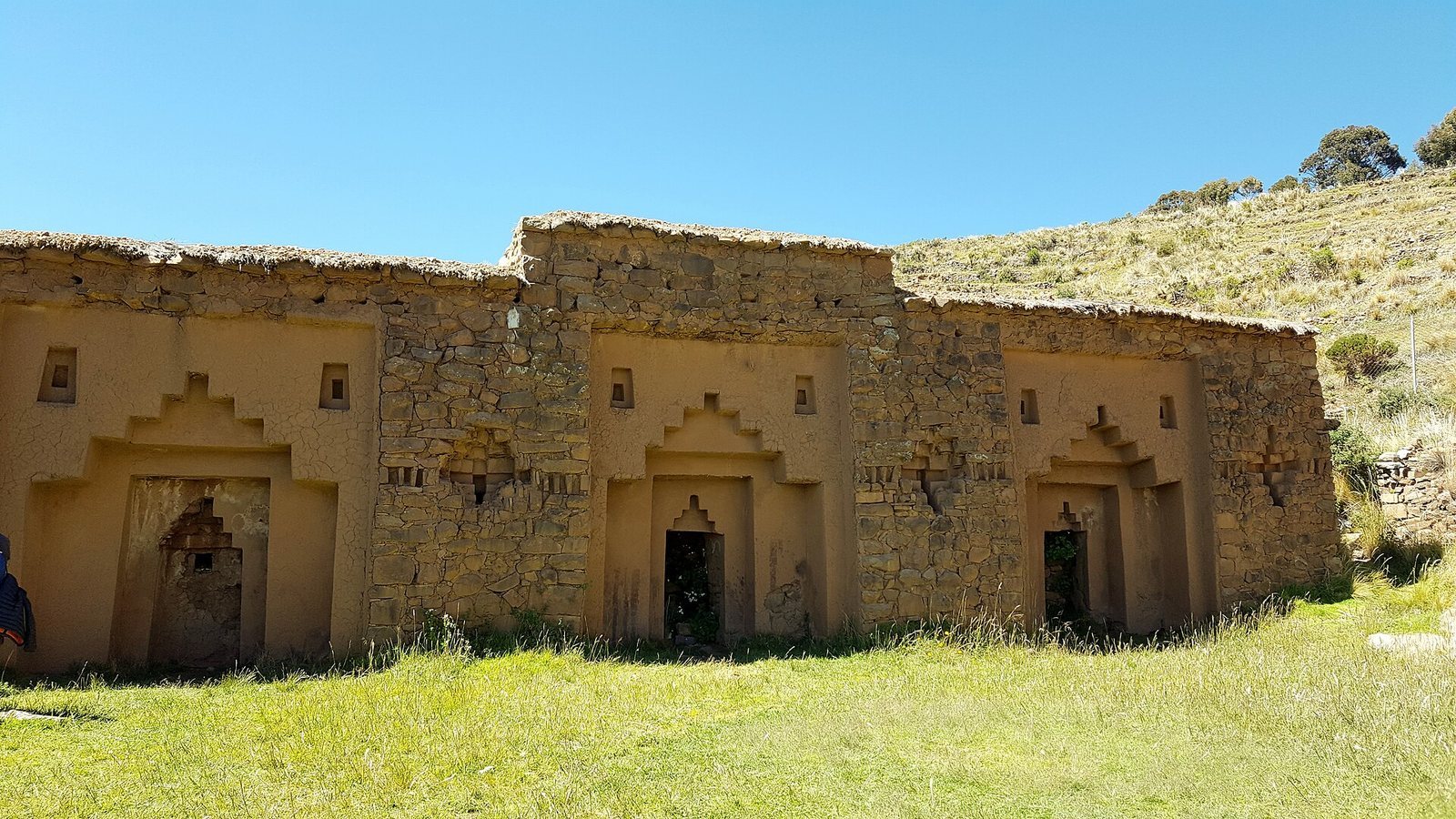
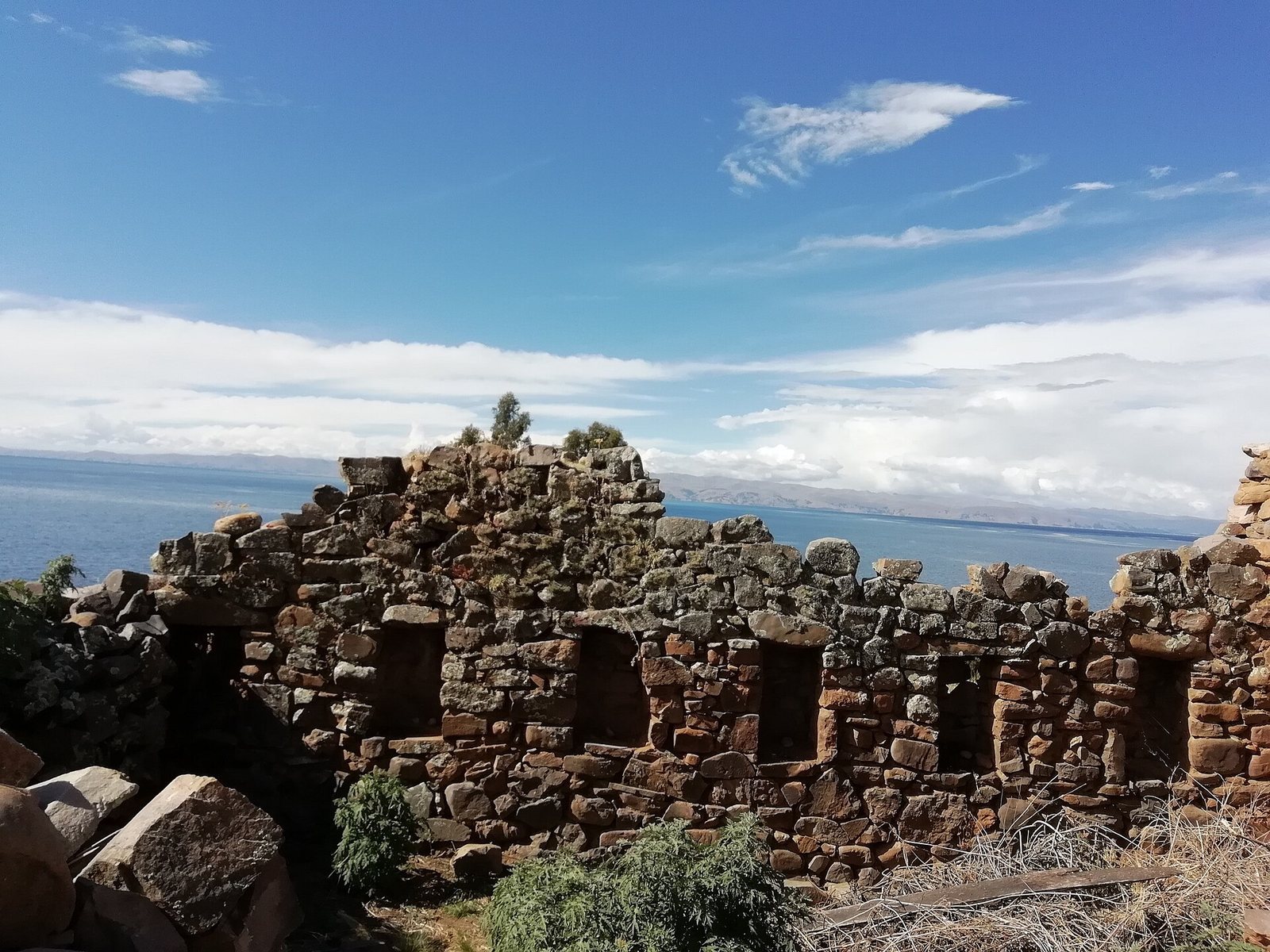
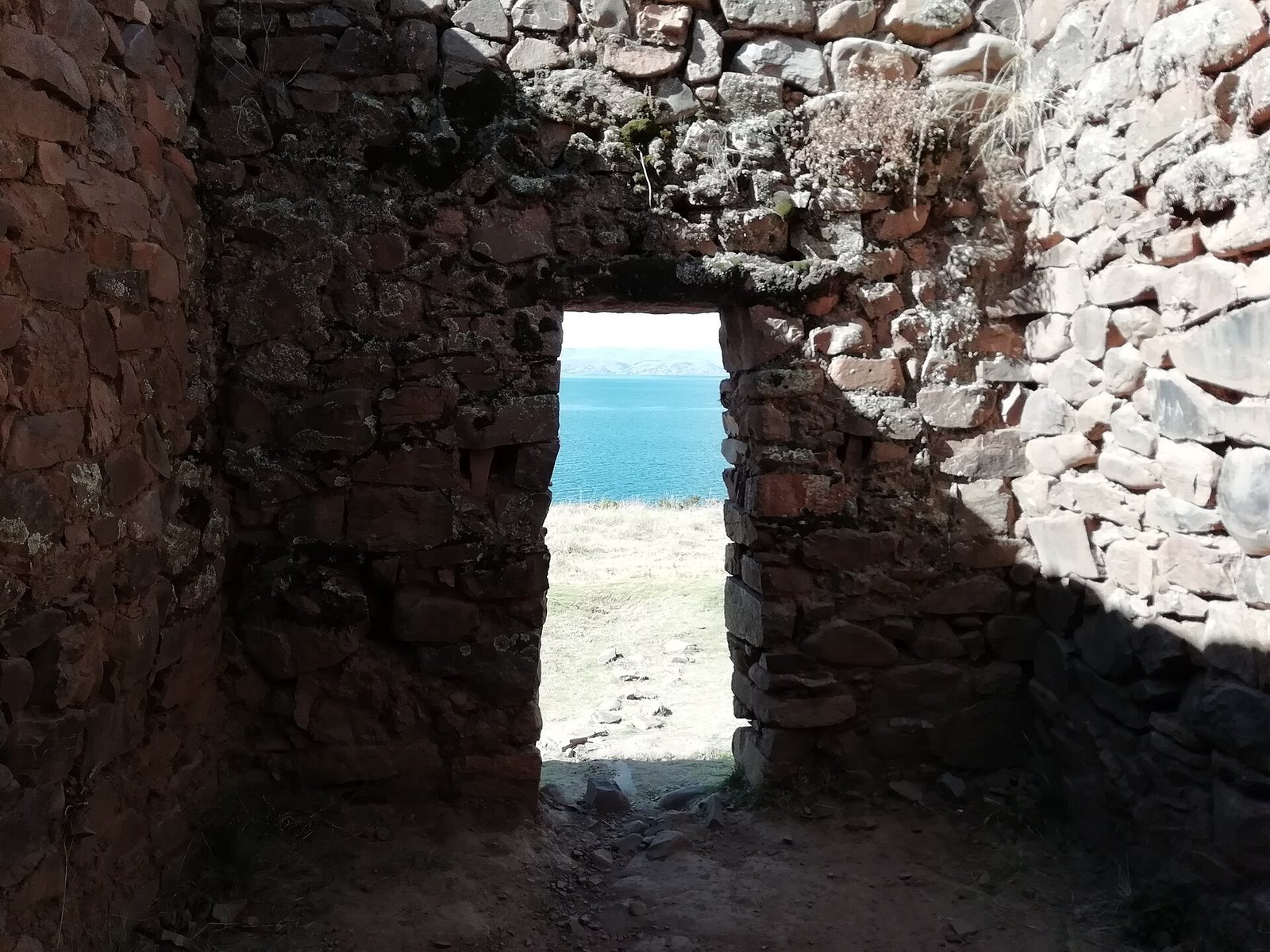
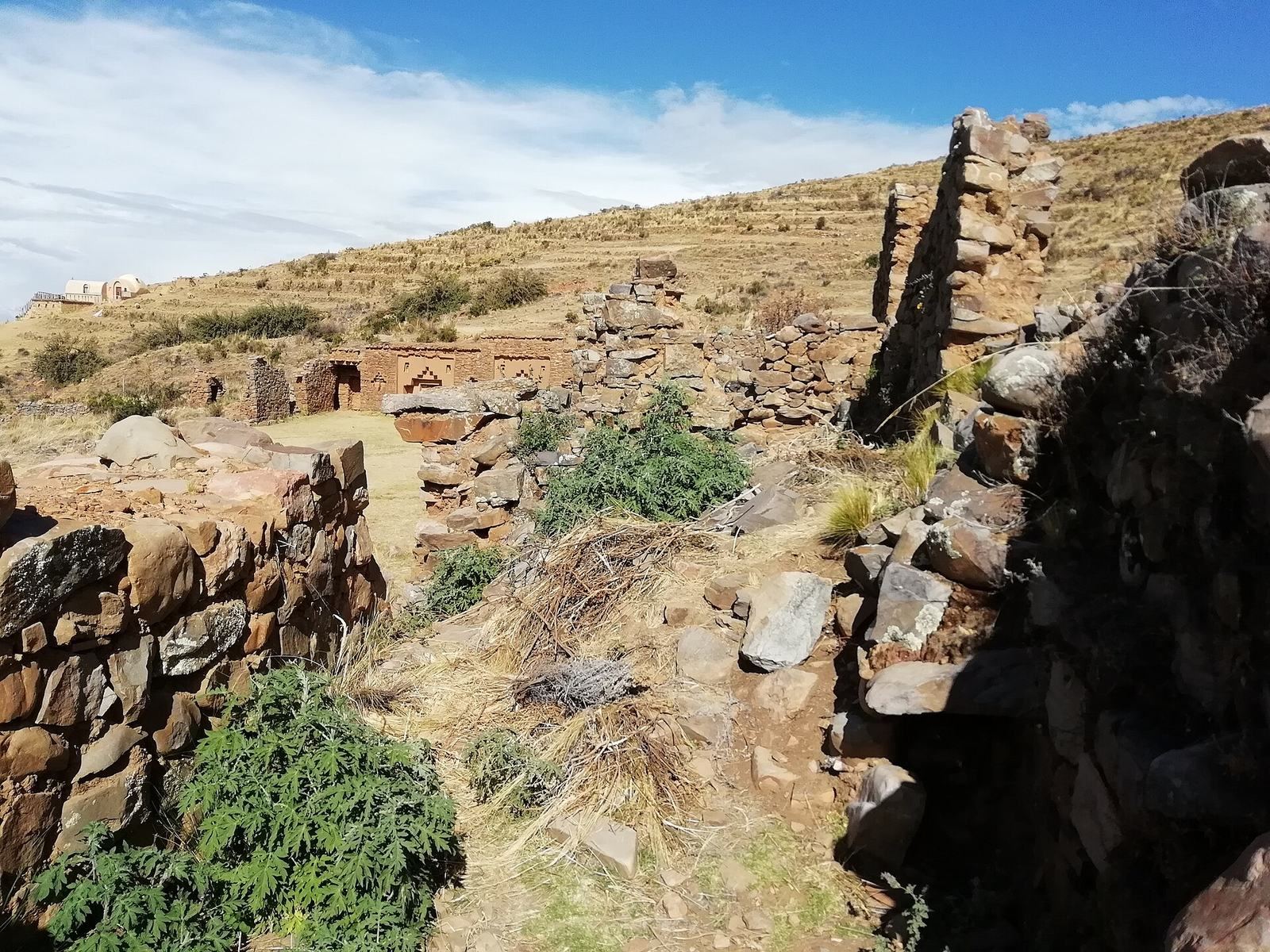
The complex occupies a terrace halfway up a slope. Its ceremonial structure includes an esplanade 55 metres long and 24 metres wide. The enclosure was formerly two storeys and now contains 35 rooms. Stone walls joined with mud support roofs built with corbelled vaulting, in which successive courses project inward to span a space.
Facades and interior features
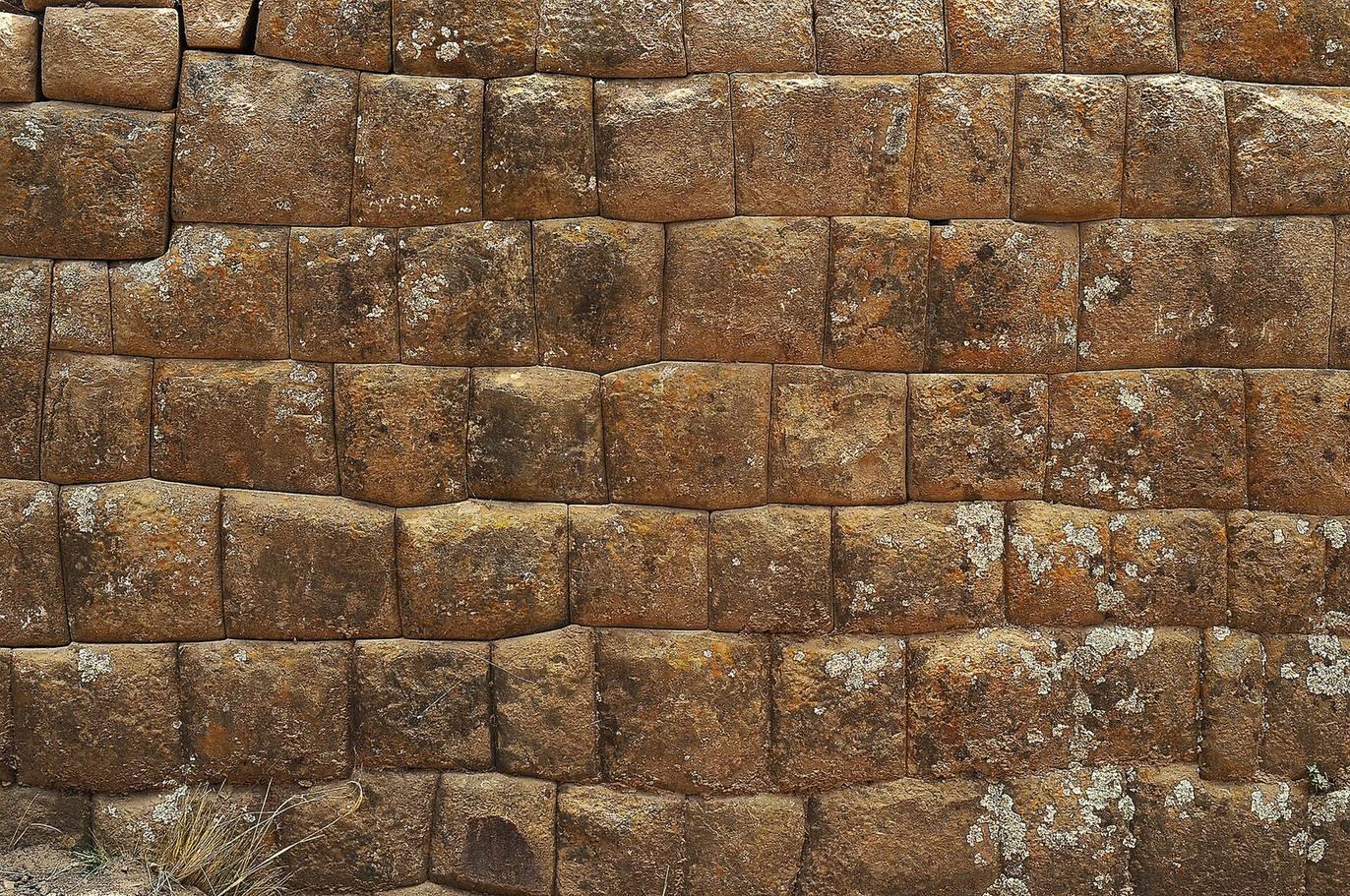
The front façade has stepped symbols and trapezoidal niches made of stone and adobe. Stepped motifs also decorate buildings in the central courtyard and resemble forms at Tiwanaku, while other elements are identified as Inca architectural forms. Most of the complex is built from unworked stone; one room has a facing of finely worked stone. Features also include a wall on the second terrace and Inca niches.
Recovered objects
Ritually important objects from the Tiwanaku period recovered at Iñaq Uyu include finely made queros, ceremonial drinking vessels, as well as gold and silver objects and censers.