St Mary’s Church, Melton Mowbray: Church of England Parish Church
Site at a Glance
- Rating
- 4.8
- Popularity
- Medium
- Country
- United Kingdom
- Primary era
- Medieval
- Eras represented
- Medieval, Early Modern, Modern
- Civilizations
- British, English
- Site type
- Religious
- Remains
- Church
On this page12 sections
History
Origins and parish life
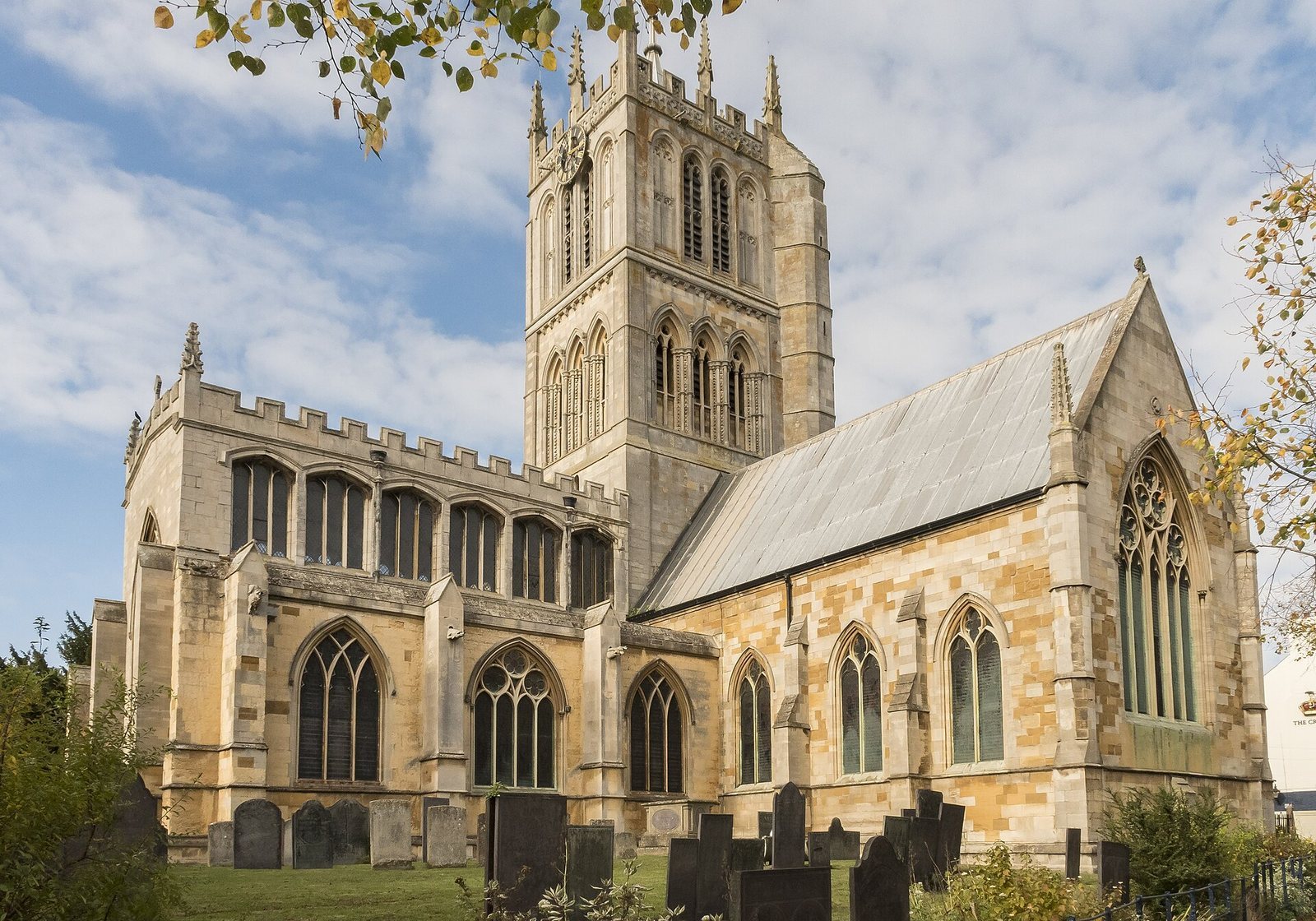
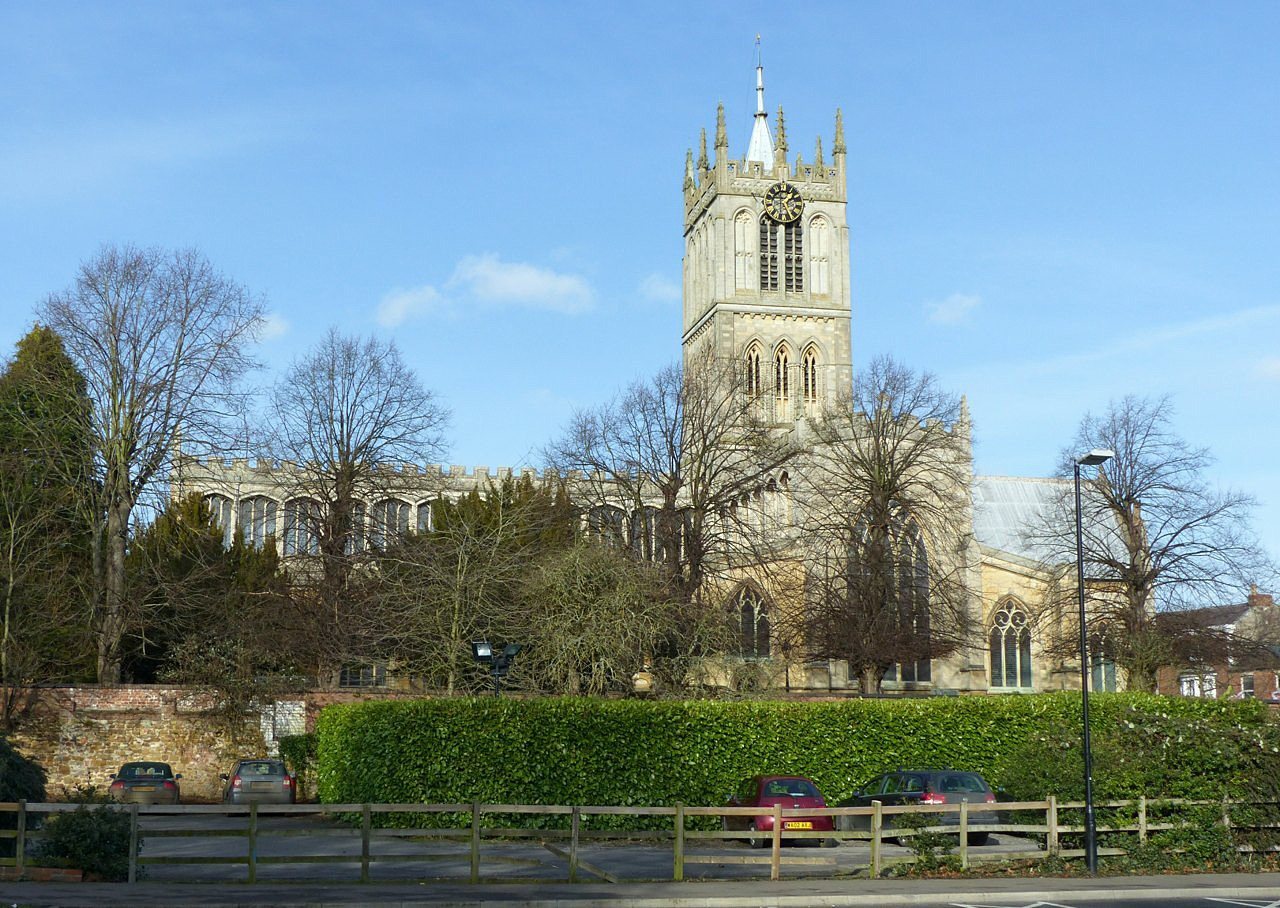
St Mary’s Church is the Church of England parish church in Melton Mowbray, Leicestershire, United Kingdom. Founded in 1150 and dedicated to St Mary, the mother of Jesus in Christian tradition, it is described as Leicestershire’s largest and stateliest parish church. One or more Anglo-Saxon churches stood on the site before the later Norman church.
St Mary’s belongs to the Province of Canterbury, the Diocese and Archdeaconry of Leicester, and the Framland Deanery. Its Broad Church identity reflects a broad theological tradition within Anglicanism.
Restoration and later changes
A Victorian restoration was regarded as poor work. The church was subsequently left in poor repair and deemed unfit for purpose. It received Grade I listed status in 1950, England’s highest listed-building category, for buildings of exceptional interest.
Reordering completed by late 2017 aimed to improve the church’s safety and accessibility.
Remains
Plan and fabric
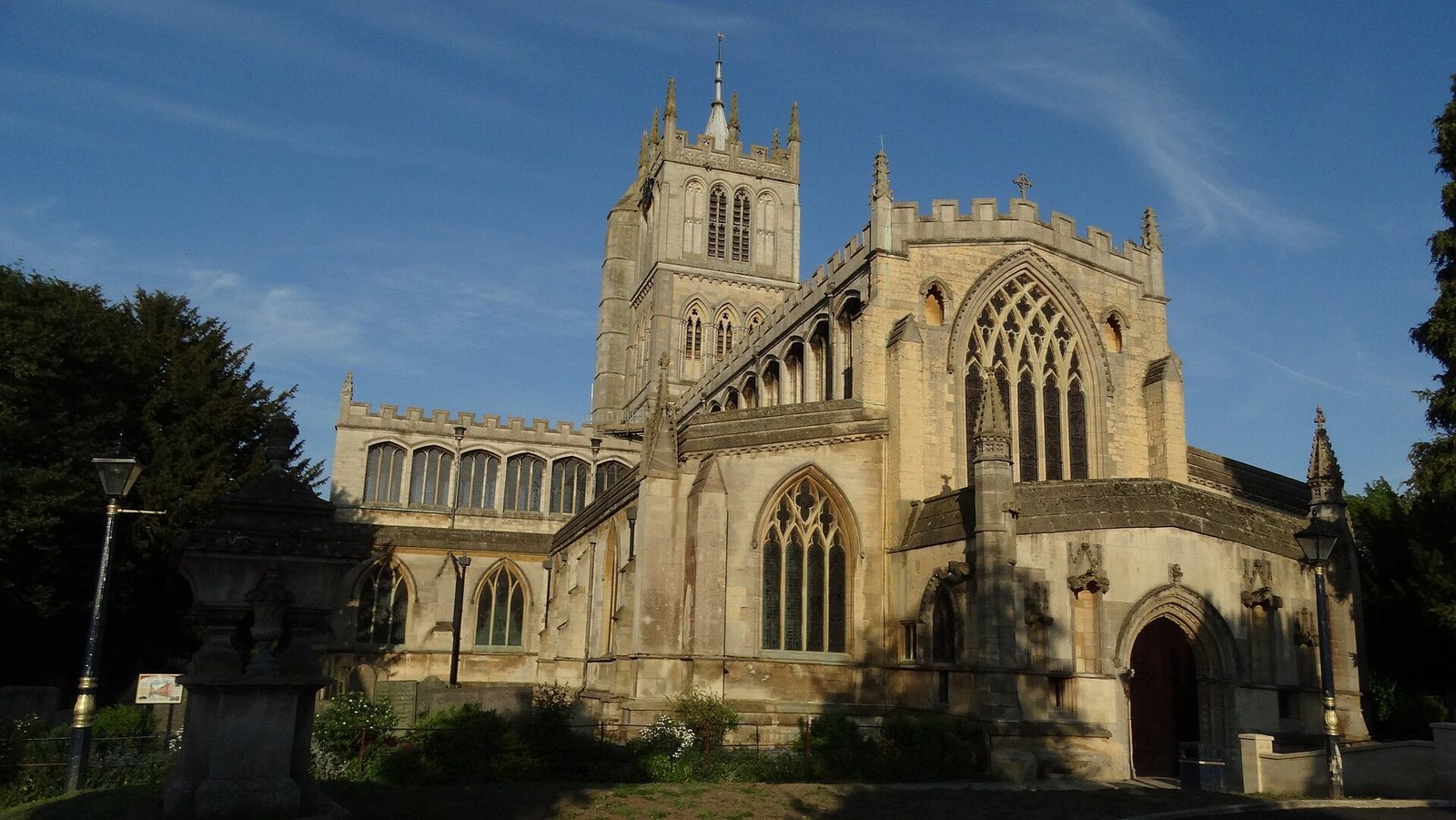
The church’s visible fabric dates mainly from the 13th to 15th centuries. Its plan is more commonly associated with cathedrals and includes aisled transepts, cross-arms with side aisles. This arrangement is rare among parish churches and is found in only five churches in the country.
Tower and bells
Tower
The tower rises 100 feet (30 metres) and dominates the town. Stonework in its lowest section dates to 1170, and this part of the tower contains Norman windows.
Bells and clock
The belfry holds ten bells. The oldest, bell number six, was made by John of York in the 14th century; most of the others have been recast. The number of bells increased from six to eight in 1802, then reached ten after two more were added in 1894. A small sanctus bell, used in the Eucharist service, dates from the 17th century.
In 1938, benefactor Alice Henton’s bequest paid for restoration of the carillon, the church’s bell-playing system, and installation of a new clock. It replaced a clock dating from the early 19th century.
Interior features
Monuments and memorials
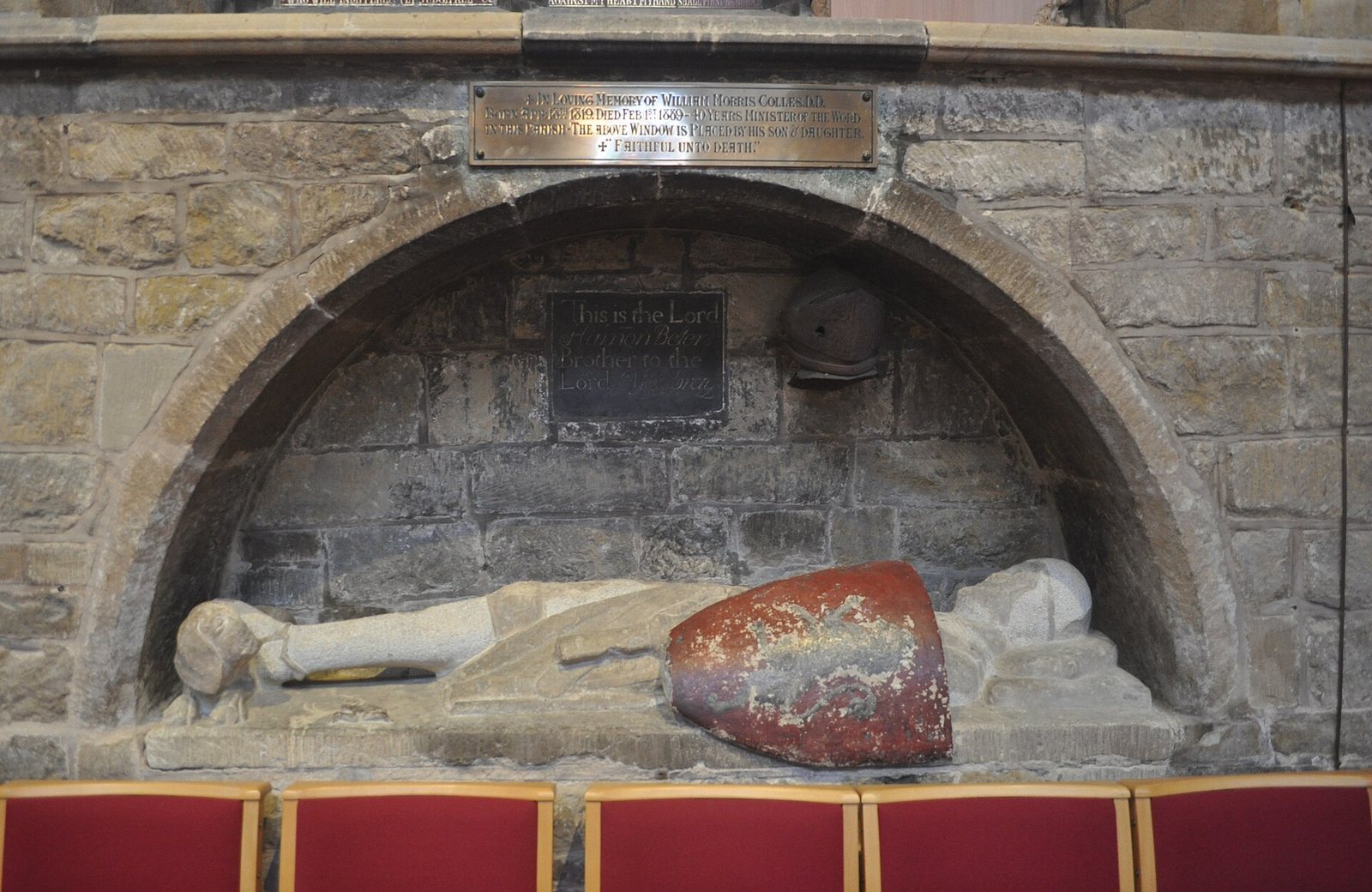
Monuments inside the church date from the 14th to 18th centuries. They include the tomb of Roger de Mowbray, the first Baron Mowbray and a medieval English nobleman. A memorial tablet commemorates John Ferneley (1782-1860), an artist known for painting horses.
Organ
A new organ installed by John Gray opened on 30 September 1832. Its design took the form of two Gothic towers, and it was intended for the west end so the central window would remain visible. Groves and Mitchell enlarged it in 1849, and it reopened in January 1850. After the enlargement, it was moved to positions on either side of the chancel. William Hill and Son enlarged it in 1897; Haydn Morton overhauled it in 1929-30, when the console was moved to the north transept. J. W. Walker & Sons rebuilt the instrument in 1955.
Henry Groves & Son rebuilt and reordered the organ in 2018. The resulting instrument has three manuals, or hand keyboards, a pedal board played by the feet, and 69 stops that control sets of pipes. Its additions included a 32-foot Contra Trombone pedal stop and a five-rank Great Cornet, with each rank comprising a set of pipes.
Floor and services
The church’s reordering included a new floor, underfloor heating, and new lighting and sound systems.