St Mary de Lode Church: A Church of England Church in Gloucester
Site at a Glance
- Rating
- 4.5
- Popularity
- Low
- Country
- United Kingdom
- Primary era
- Medieval
- Eras represented
- Medieval, Modern
- Civilizations
- British, English
- Site type
- Religious
- Remains
- Church
On this page12 sections
History
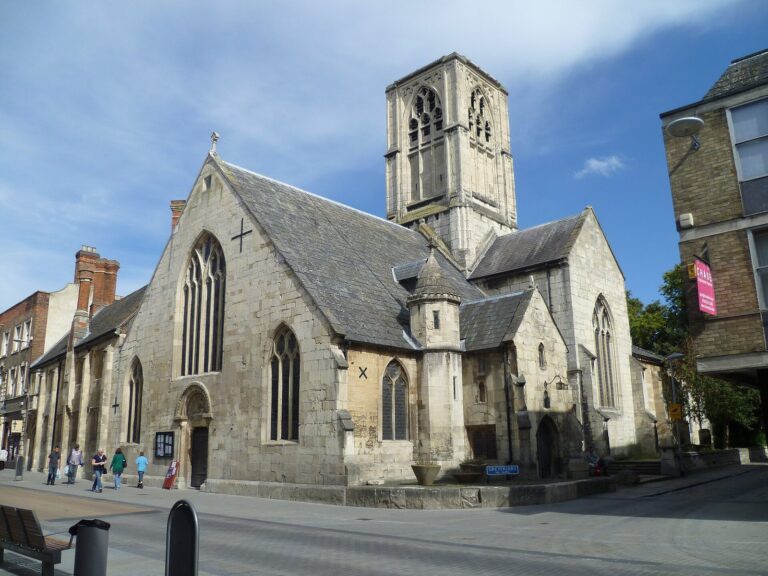
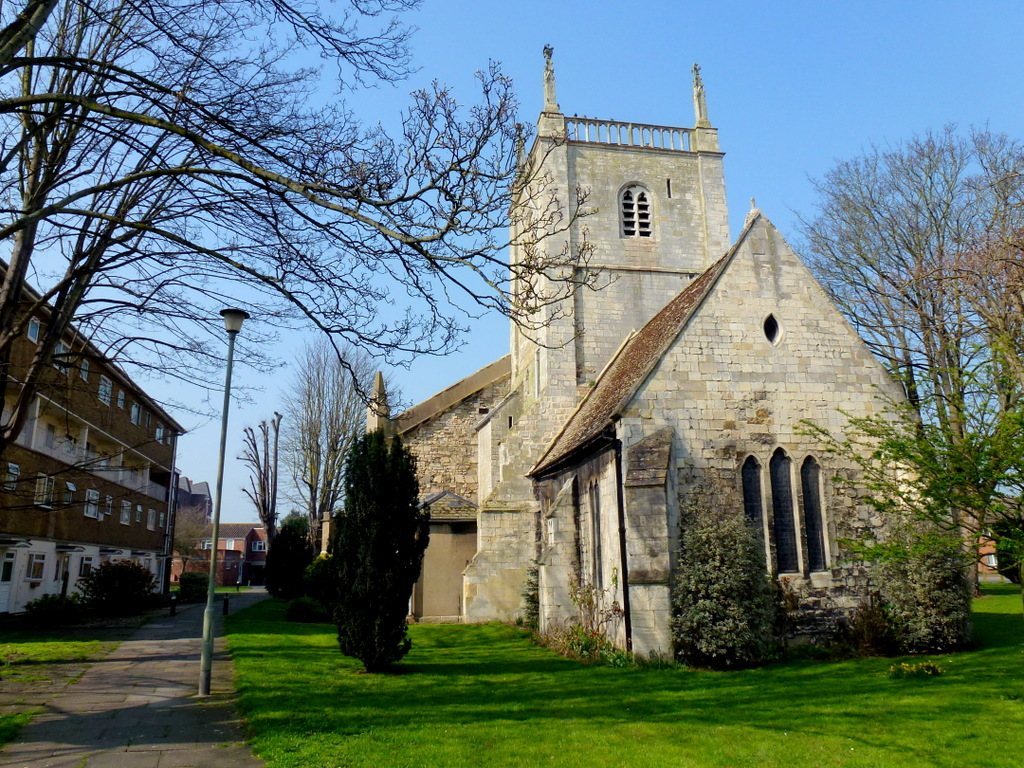
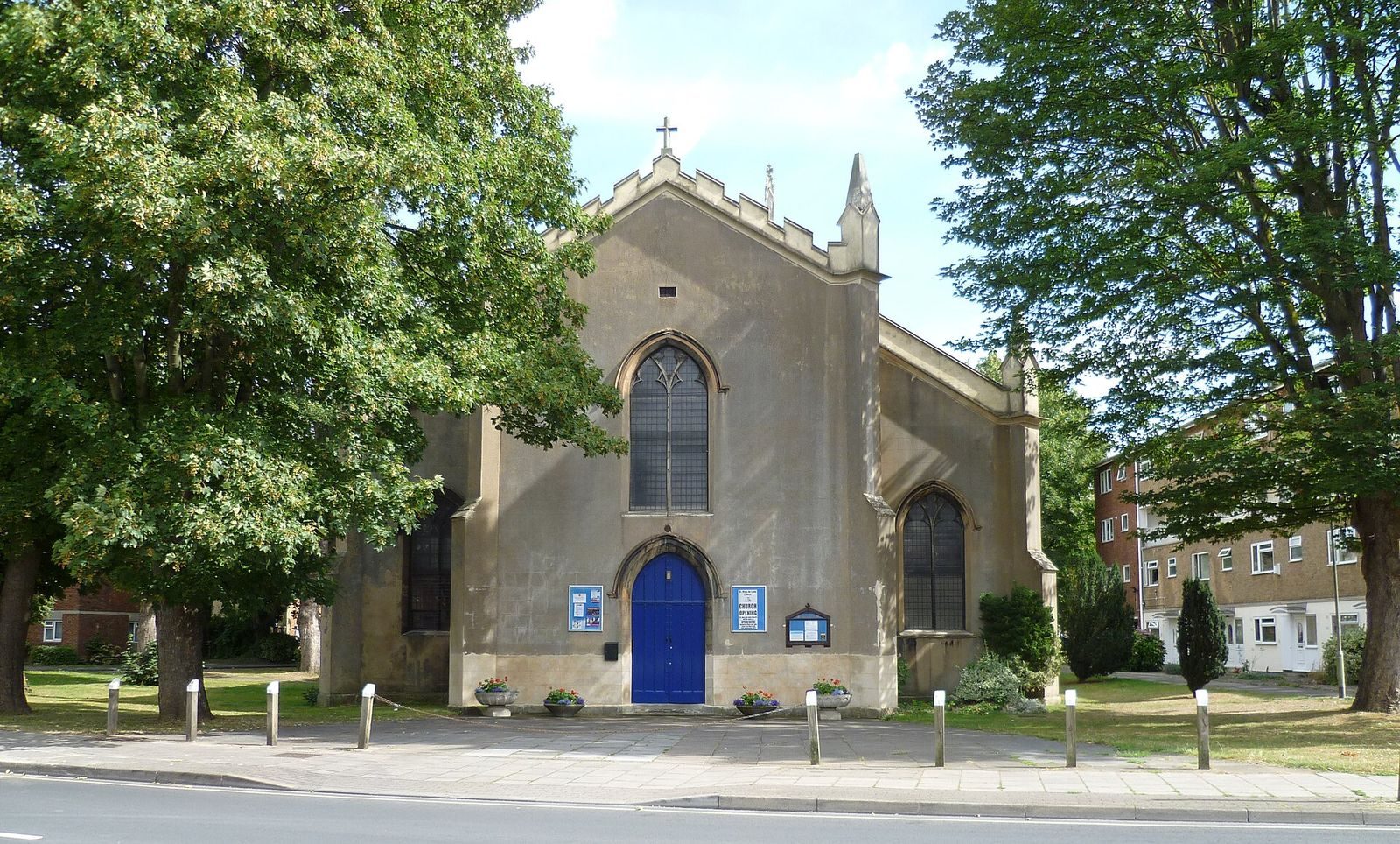
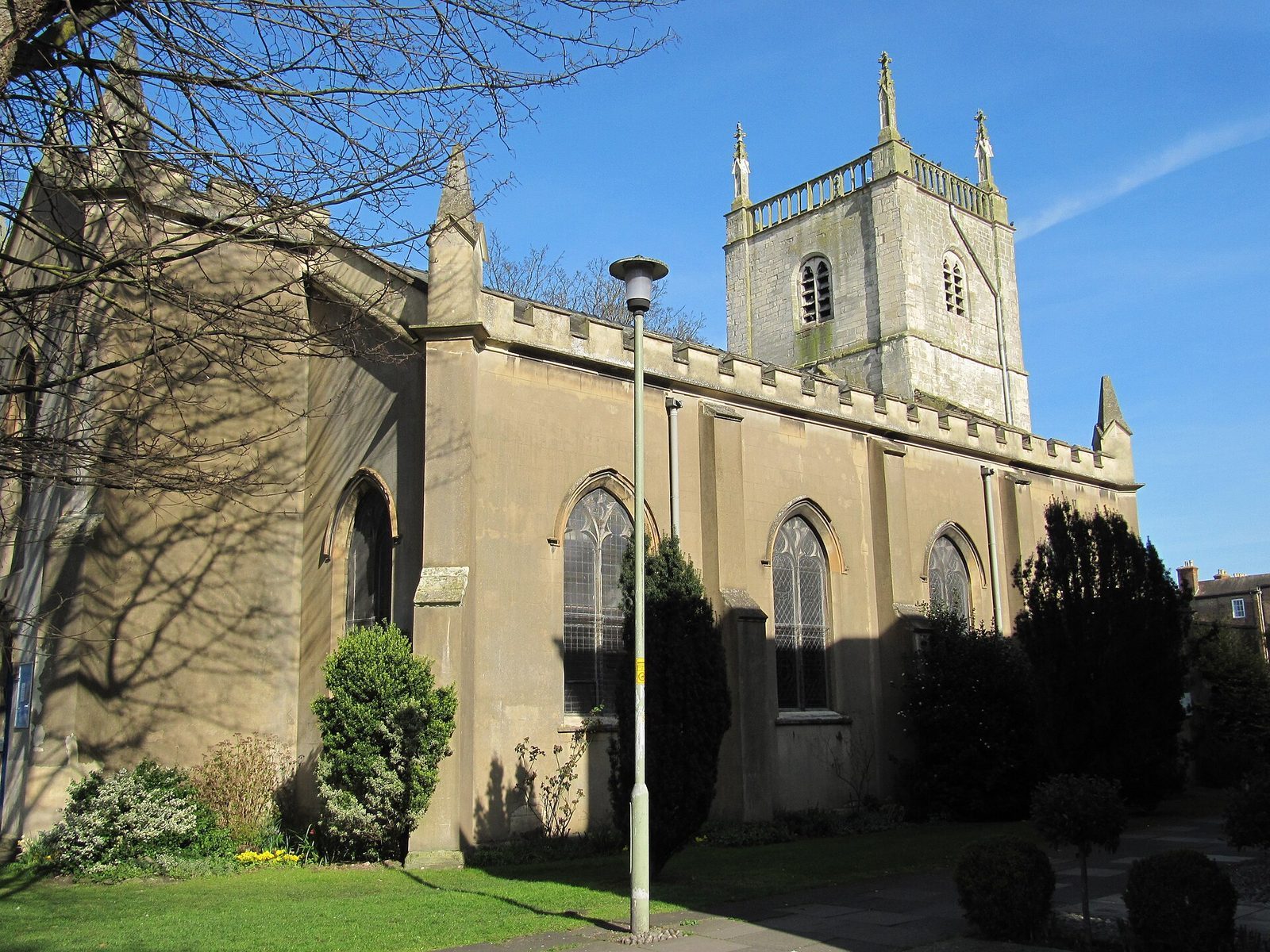
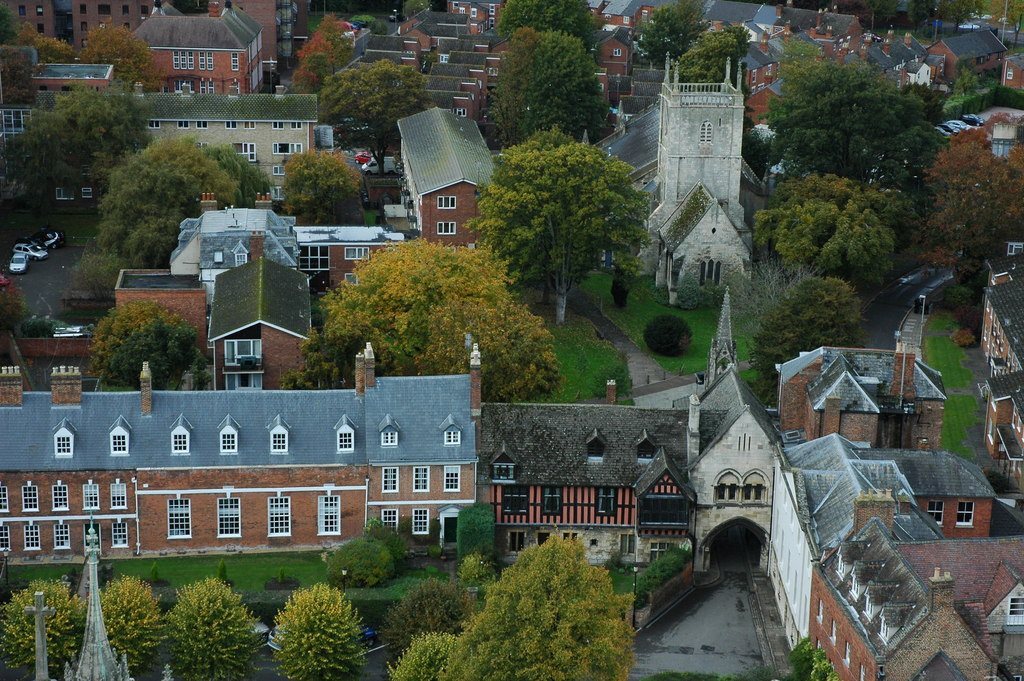
St Mary de Lode Church stands in Gloucester, United Kingdom, immediately outside the grounds of Gloucester Cathedral. Its medieval building developed above Roman remains and a sequence of early church structures; the nave was rebuilt in the Early Gothic Revival style in 1826. The church belongs to the Diocese of Gloucester, an Anglican district overseen by a bishop, and has Grade I status, the highest category of listed-building protection in England.
Roman and post-Roman origins
An early church here is thought to have been founded by Britons after Roman rule in Britain and before Anglo-Saxon settlers, early medieval peoples who settled parts of the country, occupied the area. The name “Lode” comes from an Old English word for a watercourse or ferry and recalls a ferry that once crossed a branch of the River Severn west of the church.
Medieval church and local legend
The earliest written reference to a church here dates to the late eleventh century. It describes a nave, the main space for the congregation, a chancel around the altar, and a tower. Fire destroyed the tower in 1190, and a replacement chancel was built during the thirteenth century.
A local story, first written down in the eighteenth century, names the church as the burial place of King Lucius, a legendary ruler traditionally described as Britain’s first Christian king. The story also credits him with establishing a bishopric in Gloucester in the second century, though his historicity is uncertain. The legend and archaeological discoveries helped prompt a local belief that the church stood on an ancient Roman temple and was Britain’s first Christian church.
Civil War and later changes
During the English Civil War, a conflict between Royalists and supporters of Parliament, the church held Royalist soldiers captured by Parliamentarian commanders Sir William Waller and Lieutenant Colonel Edward Massey. This happened in March 1643 and again in 1646.
James Cooke, a local stonemason who made monuments and memorials, rebuilt the nave in 1826. Further restoration followed in the nineteenth and early twentieth centuries. In 1980, part of the nave’s western end became a church hall. The church remains in use, and its parish is now combined with those of St Swithun’s, Hempsted, and St Mary de Crypt.
Remains
The church’s plan centers on the nave, central tower, and chancel, above earlier archaeological layers exposed in the nave. Its surviving fabric includes medieval work and the later rebuilding of the nave.
Archaeological layers
Excavations in the nave in 1979 revealed two Roman buildings beneath the church. The earlier was probably a second-century bathhouse. After its destruction in the fifth century, a timber mausoleum, a wooden tomb building, was erected with three burials inside. Fire destroyed it, and later building phases followed that have been interpreted as churches, leading in time to the medieval church.
Church fabric and fittings
Central tower
The central tower dates to about 1190 and is in the Norman Romanesque style associated with medieval England under Norman rule. A Norman arch joins it to the nave. Inside, the tower has a barrel vault, a continuous tunnel-shaped ceiling, and an arch dating to the thirteenth century connects it with the chancel.
Chancel and tomb figure
The chancel began around 1190 and was extended and vaulted during the thirteenth century. A carved tomb figure in its north wall dates to the fourteenth century. Once thought to represent King Lucius, it depicts a priest with part of his scalp shaved as a clerical practice. He may be William de Chamberleyn, vicar from 1302 to 1305.
Nave
The nave’s Early Gothic Revival design includes cast-iron columns. Its western part was adapted as a church hall in 1980.
Pulpit, organ, and stained glass
An octagonal pulpit appears to be assembled from carved wooden panels made in the fifteenth century. The church’s eighteenth-century organ was brought here in 1972 from St Nicholas on Westgate Street, a church no longer in regular use. Stained-glass windows commemorate the Royal Gloucestershire Hussars, a cavalry regiment, and Ivor Gurney, a poet and composer associated with Gloucester.
Grounds monument
A monument in the church grounds commemorates John Hooper, a sixteenth-century Protestant bishop who was burned at the stake in Gloucester.