St Tysilio’s Church, Menai Bridge: A Medieval Church on Church Island
Site at a Glance
- Rating
- 4.9
- Popularity
- Medium
- Country
- United Kingdom
- Primary era
- Medieval
- Eras represented
- Medieval
- Civilizations
- English
- Site type
- Religious
- Remains
- Church
On this page12 sections
History
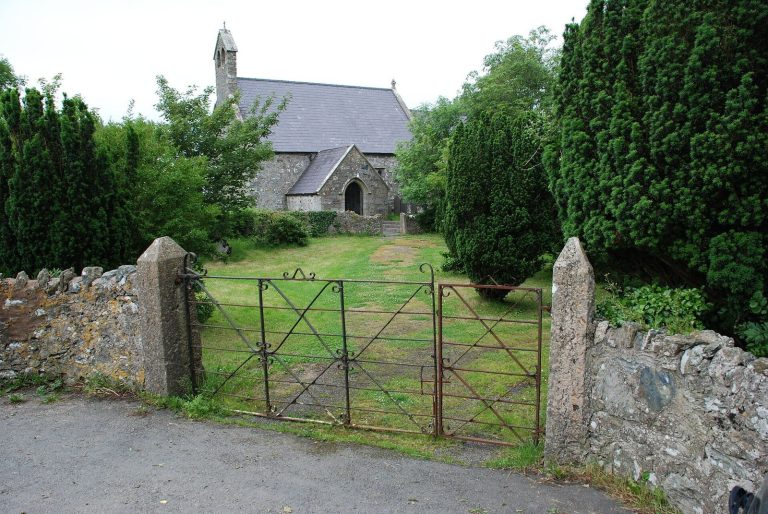
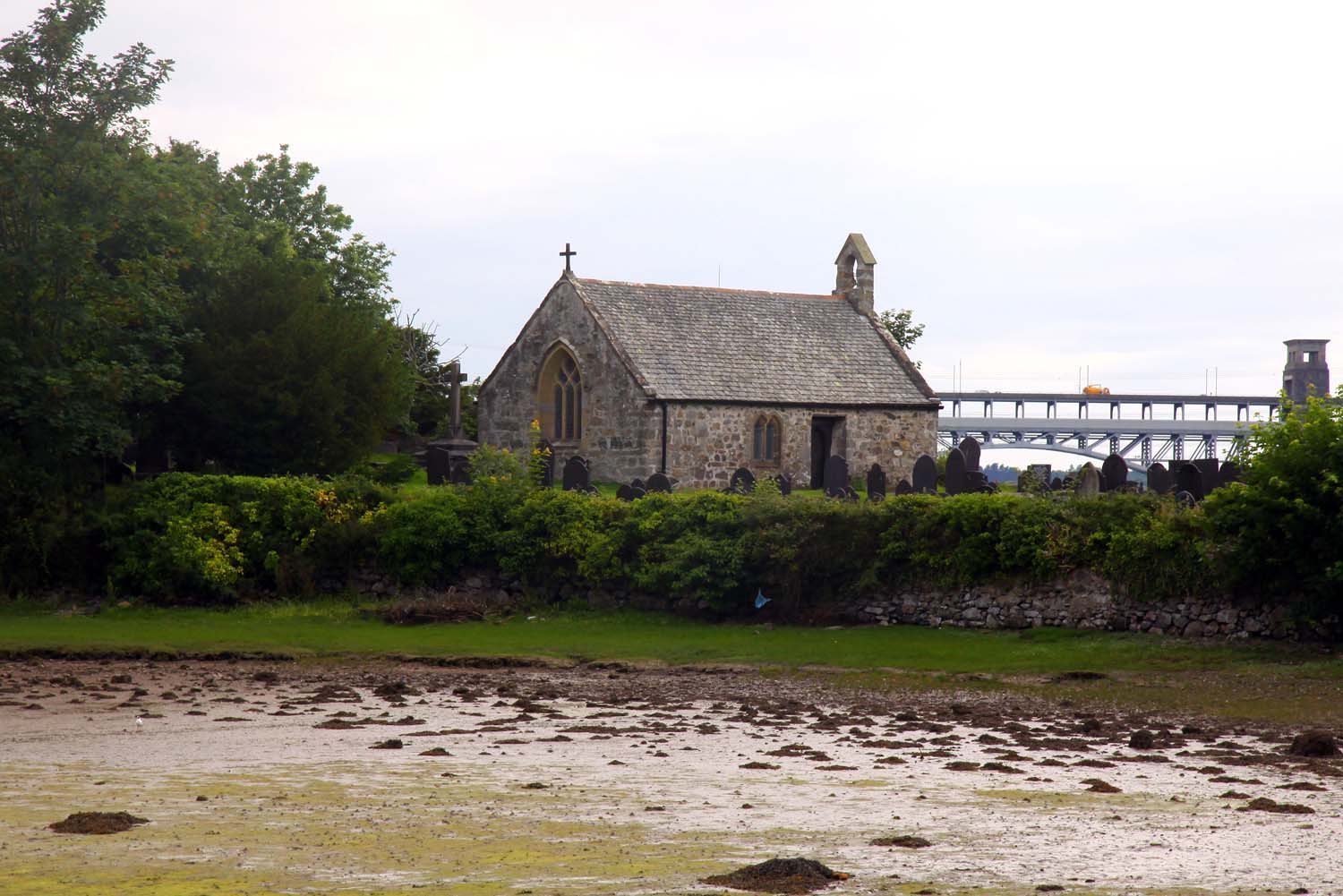
St Tysilio’s Church stands on Church Island in the United Kingdom. Dedicated to Tysilio, an early medieval Welsh Christian saint described as a king’s son, it occupies a religious foundation dating to about 630. Tysilio is said to have established a hermitage, a secluded religious dwelling, on the island. The present church is a late medieval Gothic building, probably erected around 1450.
Medieval foundation and later changes
The 15th-century church followed the early religious foundation associated with Tysilio. Renovations took place in the 19th century, and the roof was renewed in the early 20th century. The church remains Anglican and belongs to the Church in Wales, the Anglican body in Wales, within the Diocese of Bangor.
On 14 February 1967, the church was listed Grade II*, a statutory category for buildings of particular importance. Its architectural and historical value, along with its good state of preservation, informed the listing. This survival was notable in a century when 27 churches on Anglesey were replaced.
Churchyard and remembrance
In 1918, farmland north of the church was consecrated and added to the churchyard. Graves there include people connected with the construction of Menai Bridge: some workers died during the project, while others settled in the area afterward. Henry Fisher, the bridge’s first keeper, was buried there after his death in 1851; he may also have taken part in the construction.
Other burials include Sir Albert Evans-Jones, the Welsh war poet and dramatist known as Cynan, his wife Ellen Jane Jones, and their son Dr Emyr ap Cynan. The churchyard also holds the graves of poets Robert Herbert Williams, who died in 1876, and John Evans, who died in 1888; the Bangor bishop John Charles Jones, who died in 1956 after serving as a missionary in Africa; and members of the local Davies business family.
Remains
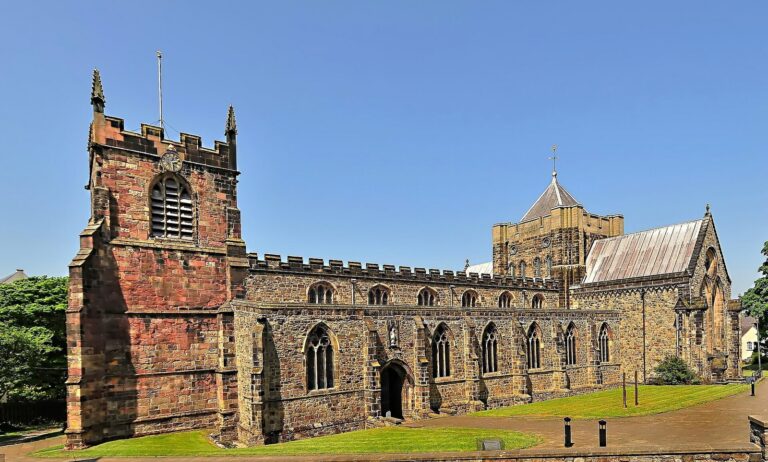
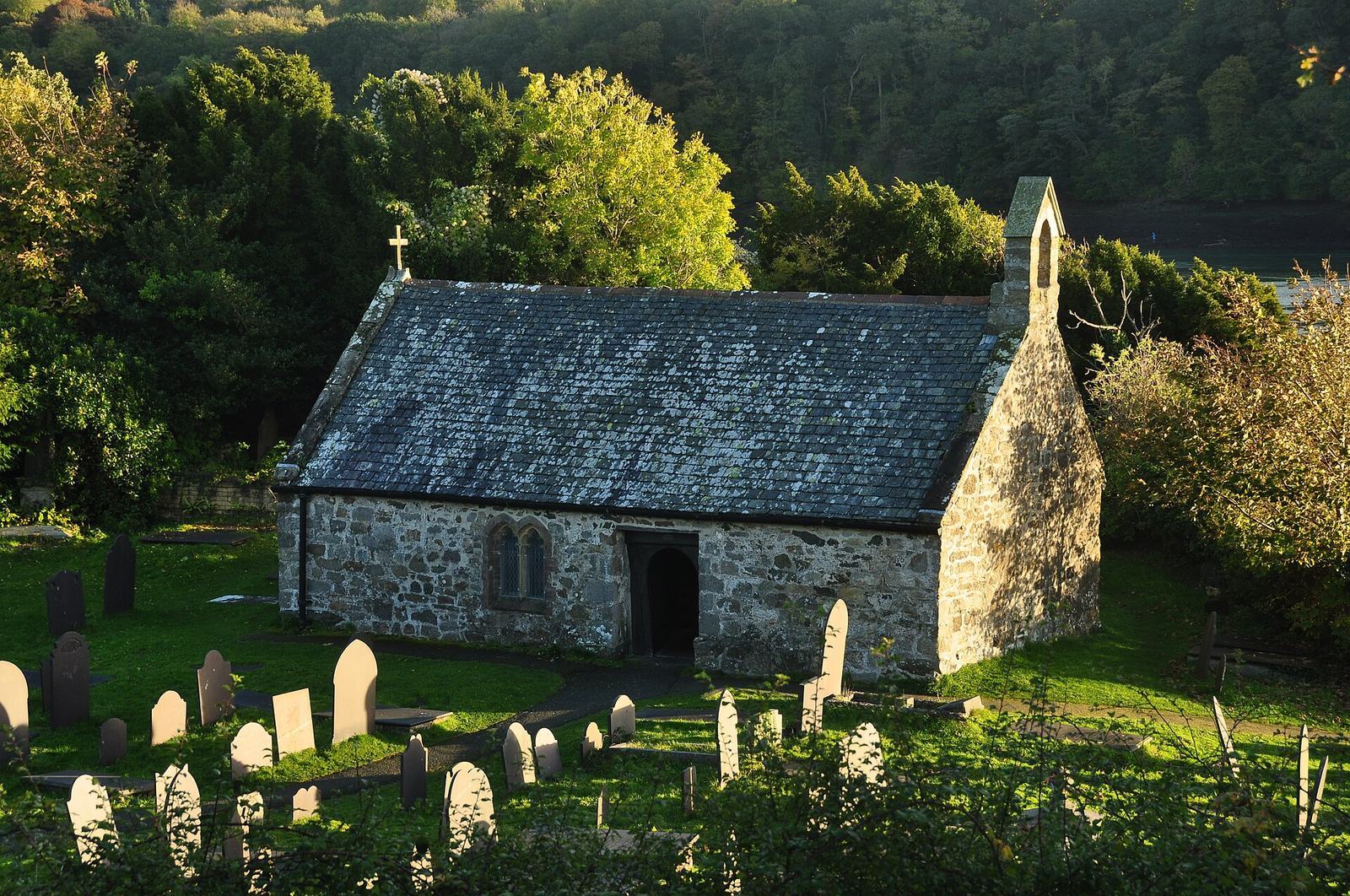
The church occupies Church Island and has a rectangular, single-nave plan, meaning one main lengthwise interior space. Its late medieval Gothic fabric is built from irregular limestone blocks, with sandstone trim and ornament.
Exterior
Plan and masonry
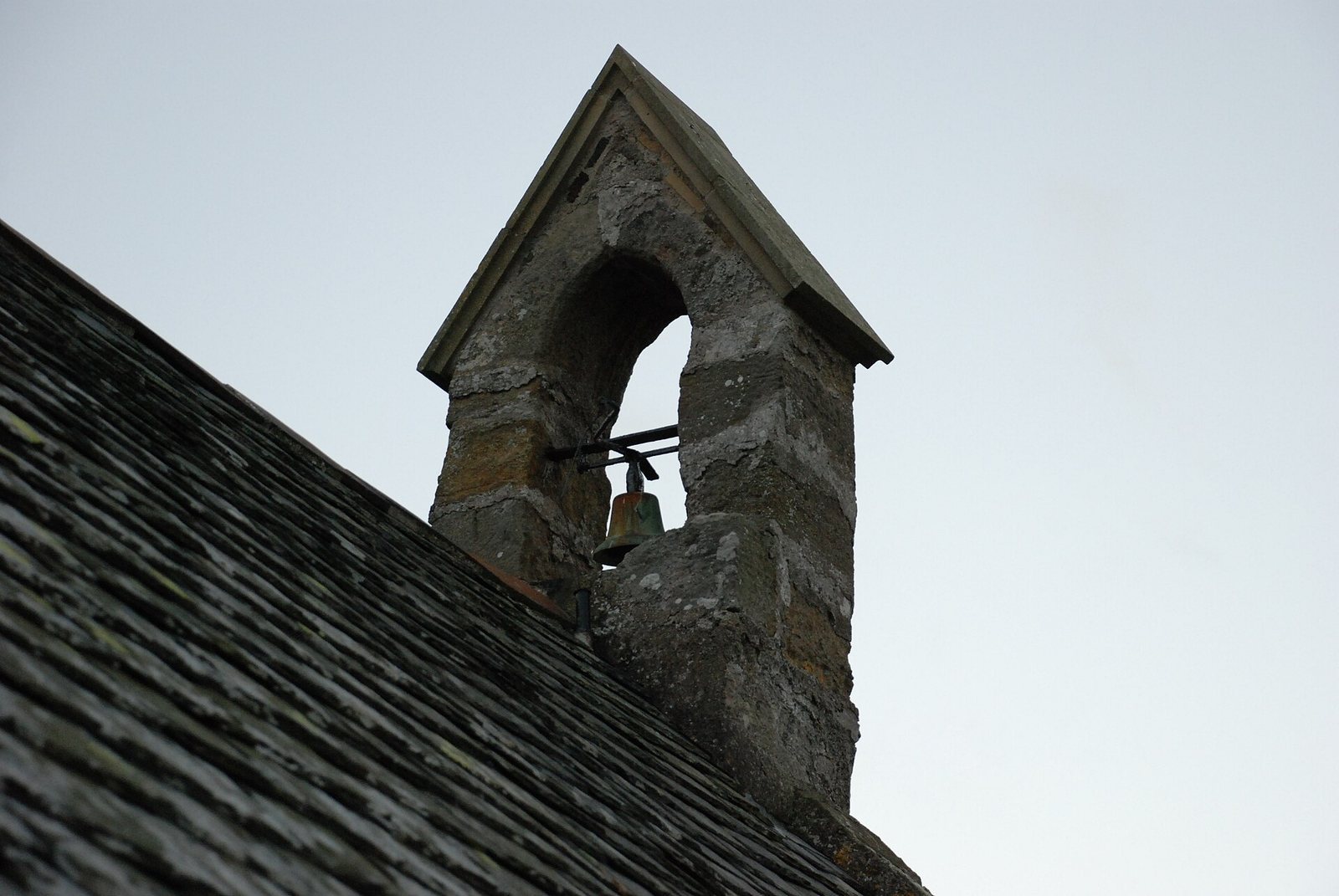
The church retains original ornaments at the gable peaks and has a bell opening in the west gable. A cross-shaped foundation may survive on the east side of the building.
Doorway and windows
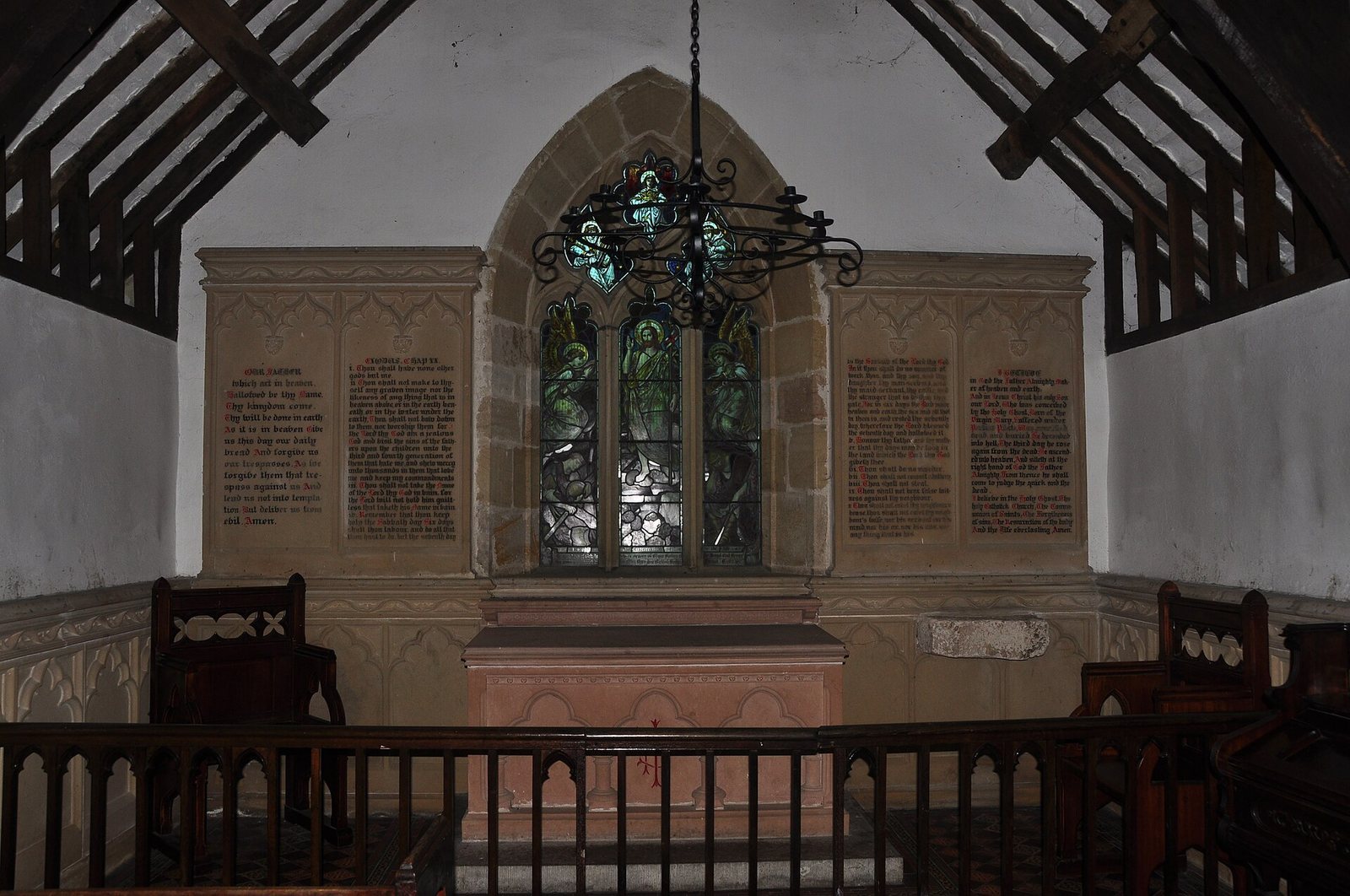
A doorway in the north wall faces west. It is set within a rectangular opening and has elaborate oak construction, a form that suggests a porch may once have stood there. The east-gable window, installed in 1896, copies a 15th-century original. Its coloured glass, made by the London workshop of Jones & Wallis, depicts Tysilio. A window midway along the north wall and one facing west in the south wall may have been added during the 19th century.
Interior
Roof and walls
The roof is covered with shingles. Inside, arches that span the church from side to side are exposed, while the walls have plastered surfaces.
Fittings and memorials
The interior contains a 14th-century basin, an altarpiece associated with the altar and showing biblical scenes, and gravestones set into the floor. The earliest date given on a floor gravestone is 1696. A memorial tablet in the south wall dates to 1738, and another in the north wall dates to 1785. Above the door, a plaque bears the inscription, ‘St. Tysilio built this church 630AD.’
Churchyard
The oldest graves lie close to the church building. The churchyard also extends over the former farmland added in 1918.
War memorials
Memorials to the First and Second World Wars occupy the island’s highest point, which affords a view of the Menai Strait.