Melville Castle: A Neo-Gothic Mansion in Midlothian, Scotland
Site at a Glance
- Rating
- 4.5
- Popularity
- High
- Country
- United Kingdom
- Primary era
- Early Modern
- Eras represented
- Early Modern, Modern
- Civilizations
- British
- Site type
- Domestic
- Remains
- Castle
On this page8 sections
History
Early estate and ownership
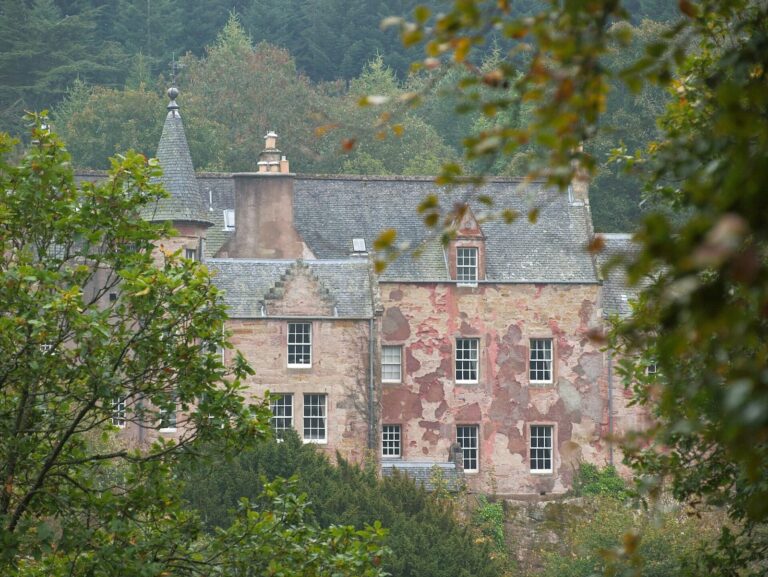
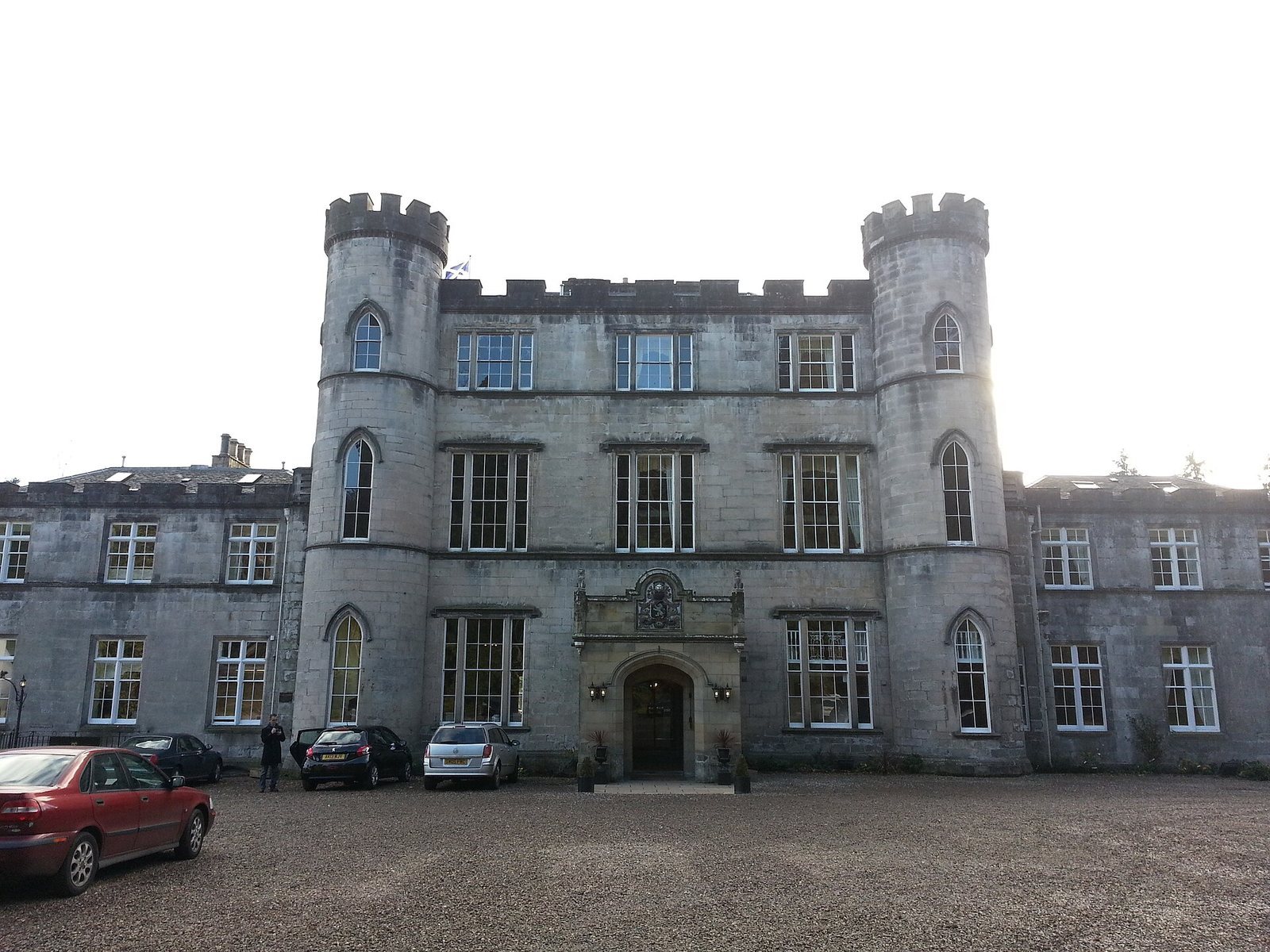
Melville Castle is a mansion near Dalkeith in Midlothian, Scotland, United Kingdom. The estate belonged to Galfrid de Malle in 1155, when he was Sheriff of Edinburgh and Governor of Edinburgh Castle. An earlier tower house, a fortified residence built around a defensible tower, is associated with the Melville family. In 1371, the estate passed to Sir John Ross of Halkhead and remained with his family for several generations.
The Dundas family and the present castle
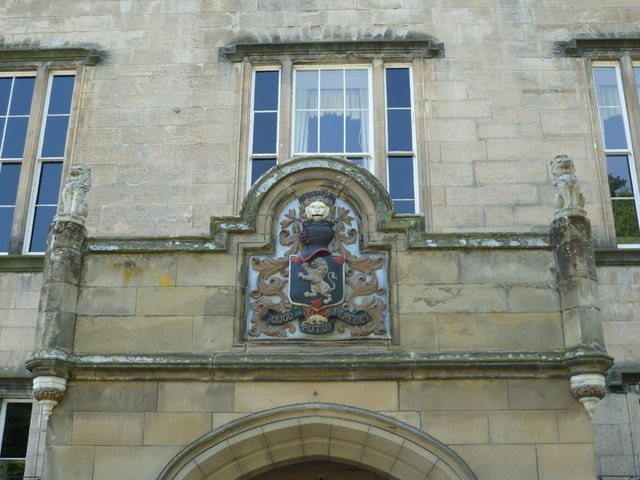
The estate was sold in 1705 to David Rennie, whose wealth came from Asia. After Rennie returned, he died a few years later, and his daughter Elizabeth inherited the property. Her marriage to Henry Dundas at age 14 brought the estate into the Dundas family. Dundas later held the title of 1st Viscount Melville, a British peerage rank below an earl.
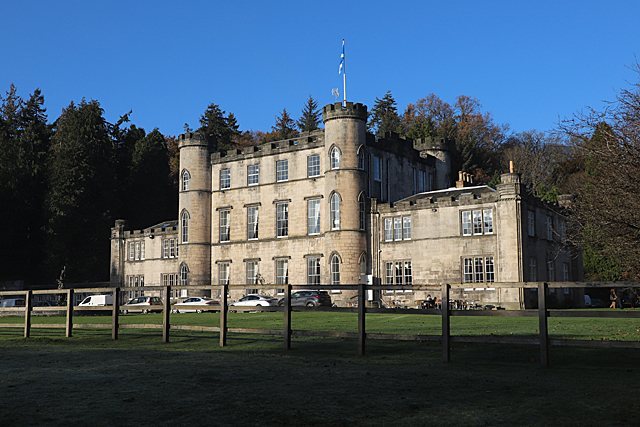
Elizabeth and Henry Dundas divorced in 1780, the same year the earlier tower was demolished to ground level. Scottish architect James Playfair designed the present Neo-Gothic castle for Dundas. Neo-Gothic architecture adapts forms associated with medieval Gothic buildings for later construction. The mansion was built between 1786 and 1791.
Royal and literary associations
Mary, Queen of Scots, who ruled from 1542 to 1567, was a frequent guest at the castle. David Rizzio, an Italian-born courtier and secretary to Mary, stayed in apartments there, and their relationship caused controversy. King George IV visited in 1828 while staying at Buccleuch Palace in Dalkeith Country Park. A road was built directly between the palace and Melville Castle to enable the visit. The royal connection also reflected George IV’s interest in the Dundas family: a site in Edinburgh’s St Andrew’s Square intended for a statue of the king was instead used for a statue of Henry Dundas, while George IV’s statue was placed near Waverley.
Queen Victoria visited in 1842. Sir Walter Scott, a frequent guest, referred to the estate in his poem The Gray Brother. The song Willies gane to Melville Castle is associated with Edinburgh football club Hibernian.
Later use and restoration
The Dundas family retained the castle until after the Second World War. The ninth Lord Melville moved to a smaller house on the estate, and the castle was leased first as an army rehabilitation centre and later as a hotel. It subsequently passed to an American couple and then a Norwegian couple. By the early 1980s, the hotel was in disrepair and unoccupied. The estate and adjoining farms were sold in the late 1980s, but remained closed. The Hay Trust acquired the castle in the early 1990s, and restoration work continued for about eight years. In 2021, Original Collection acquired the lease and undertook extensive refurbishment. The castle now operates as a hotel and wedding venue.
Melville Castle is a Category A listed building, Scotland’s highest listing category for buildings of special architectural or historic interest. The estate is also included in Scotland’s Inventory of Gardens and Designed Landscapes, with the inventory designation dating to 30 June 1987.
Remains
The mansion
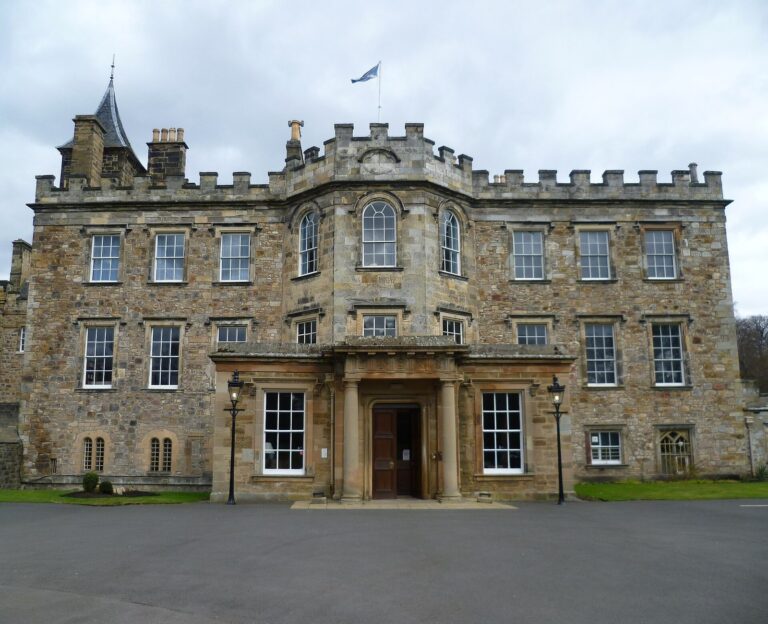
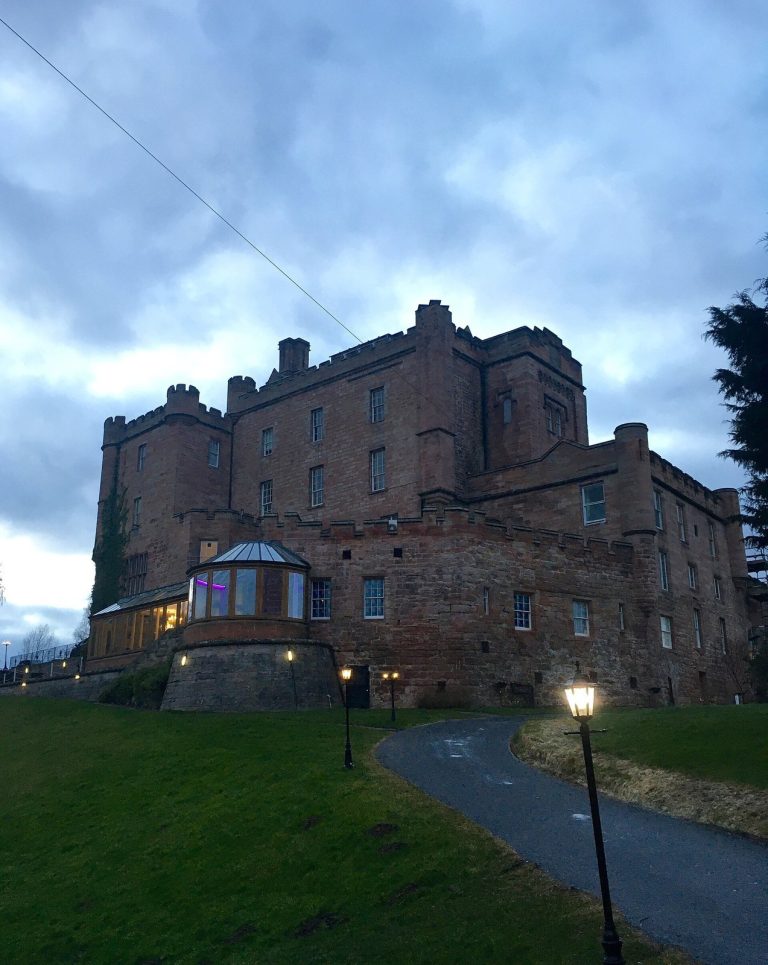
The surviving castle is a three-storey Neo-Gothic mansion on the site of the earlier tower house. It was built between 1786 and 1791 to Playfair’s design.
Grounds and landscape
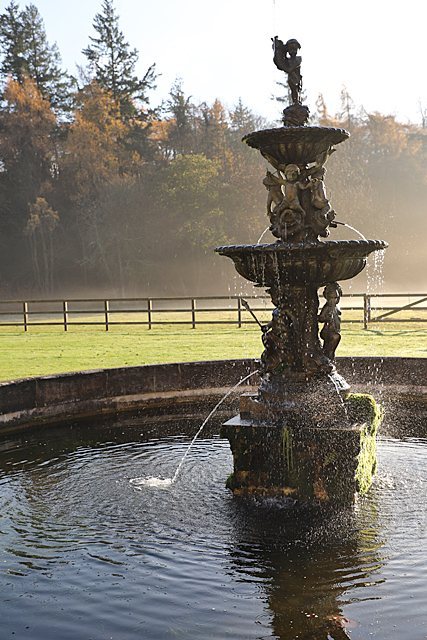
The castle stands near the North Esk, about 2 km west-southwest of Dalkeith. Its 54-acre grounds include parkland, woodland, mature trees, and landscaped gardens. Tradition credits Rizzio with planting a tree as a token of affection for Mary, Queen of Scots, and attributes five oaks along the drive to Mary. Those five oaks survive.