Tiberius Bridge (Pont Tibère): A Roman Road Bridge at Sommières, France
Site at a Glance
- Rating
- 4.6
- Popularity
- Medium
- Country
- France
- Primary era
- Classical
- Eras represented
- Classical, Early Modern
- Civilizations
- French, Roman
- Site type
- Infrastructure
- Remains
- Bridge
On this page6 sections
History
Roman road and the growth of Sommières
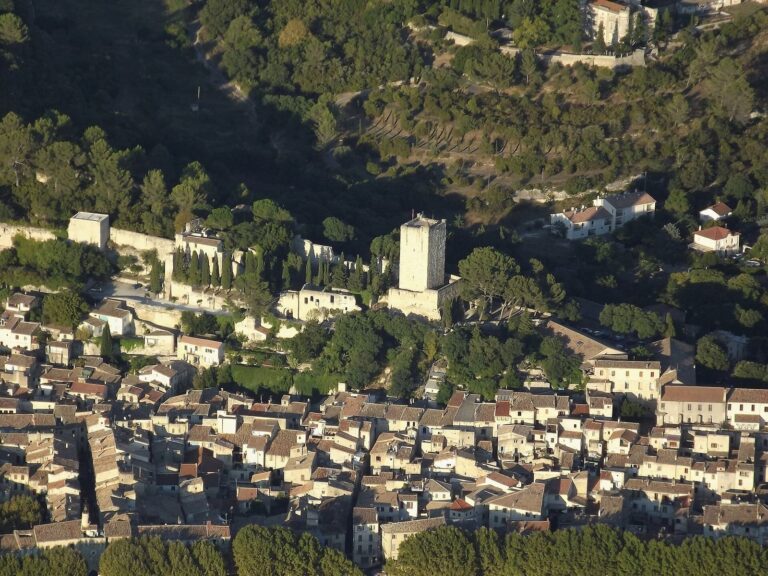
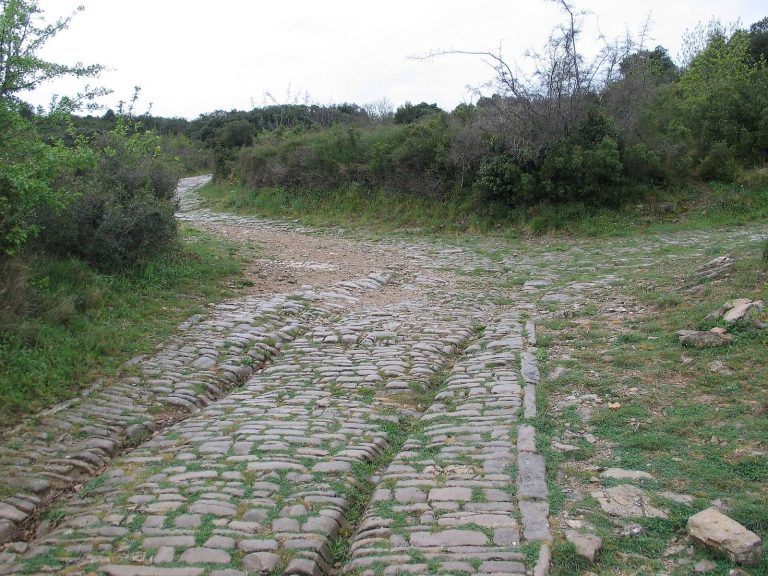
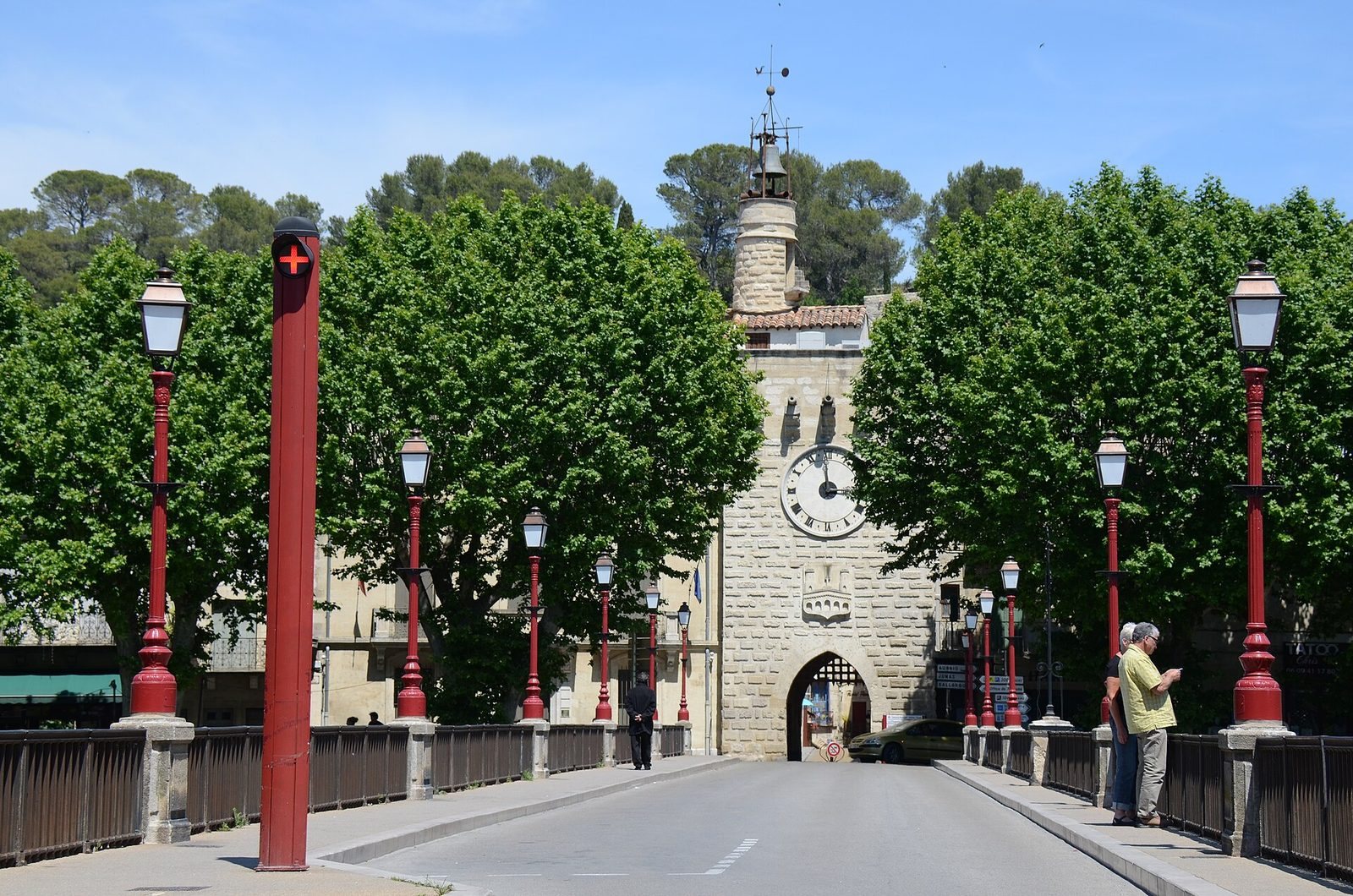
The Tiberius Bridge, known locally as Pont Tibère, is a stone road bridge over the Vidourle at Sommières, France. It was probably built between the first century BC and the first century AD as part of the Roman road network. The Via Luteva connected Nîmes and Toulouse by way of Lodève and crossed the river here. The bridge’s construction is traditionally attributed to Emperor Tiberius, Rome’s second emperor, who ruled from AD 14 to 37, but no contemporary written evidence confirms this attribution or the bridge’s date.
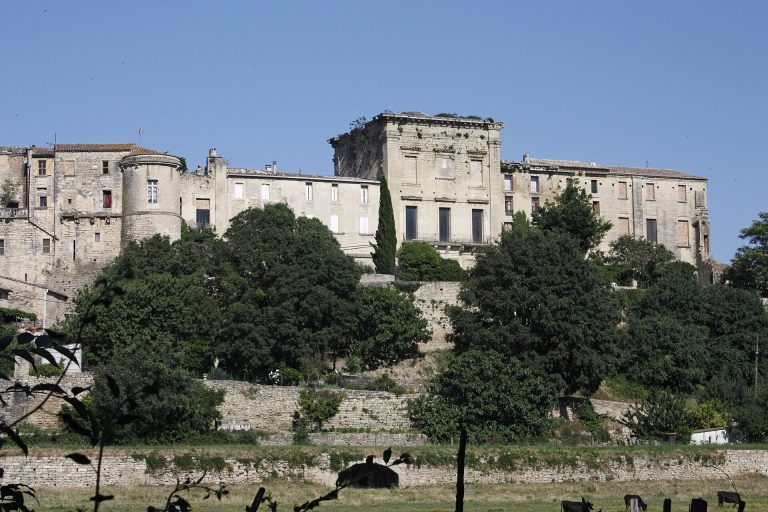
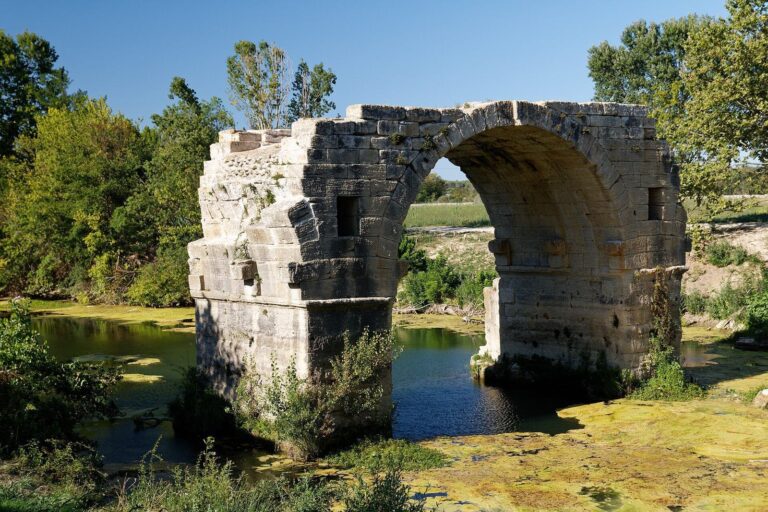
Farther south, the Via Domitia, a major Roman road through southern Gaul, crossed the Vidourle at Ambrussum over the bridge also known as Pont Ambroix. Sommières was established in the tenth century largely on the Tiberius Bridge, which remains the town’s main axis.
Flood damage and repair
Flooding damaged the bridge repeatedly and led to repairs over the centuries. After a devastating flood on 18 November 1745, the royal administrator for Languedoc asked Henri Pitot, the province’s director of public works, to investigate the flooding and identify work needed to strengthen the bridge. Pitot continued visiting Sommières until late 1747. Repairs carried out under his direction altered the older structure as building methods changed.
Historic protection
The entire Roman bridge was listed as a historic monument by decree on 6 March 2025. The listing process had begun in July 2018.
Remains
Stone bridge and surviving arches
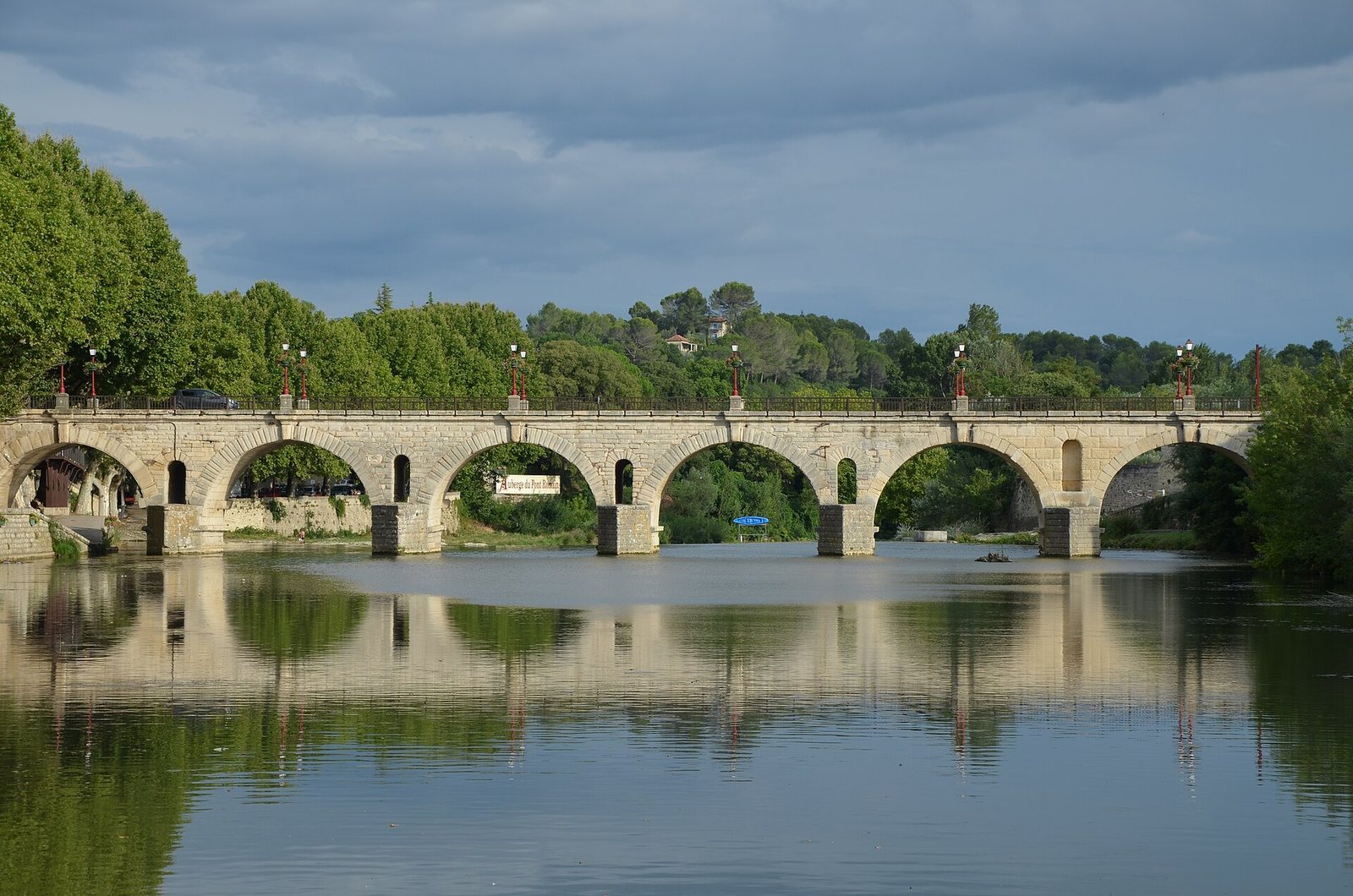
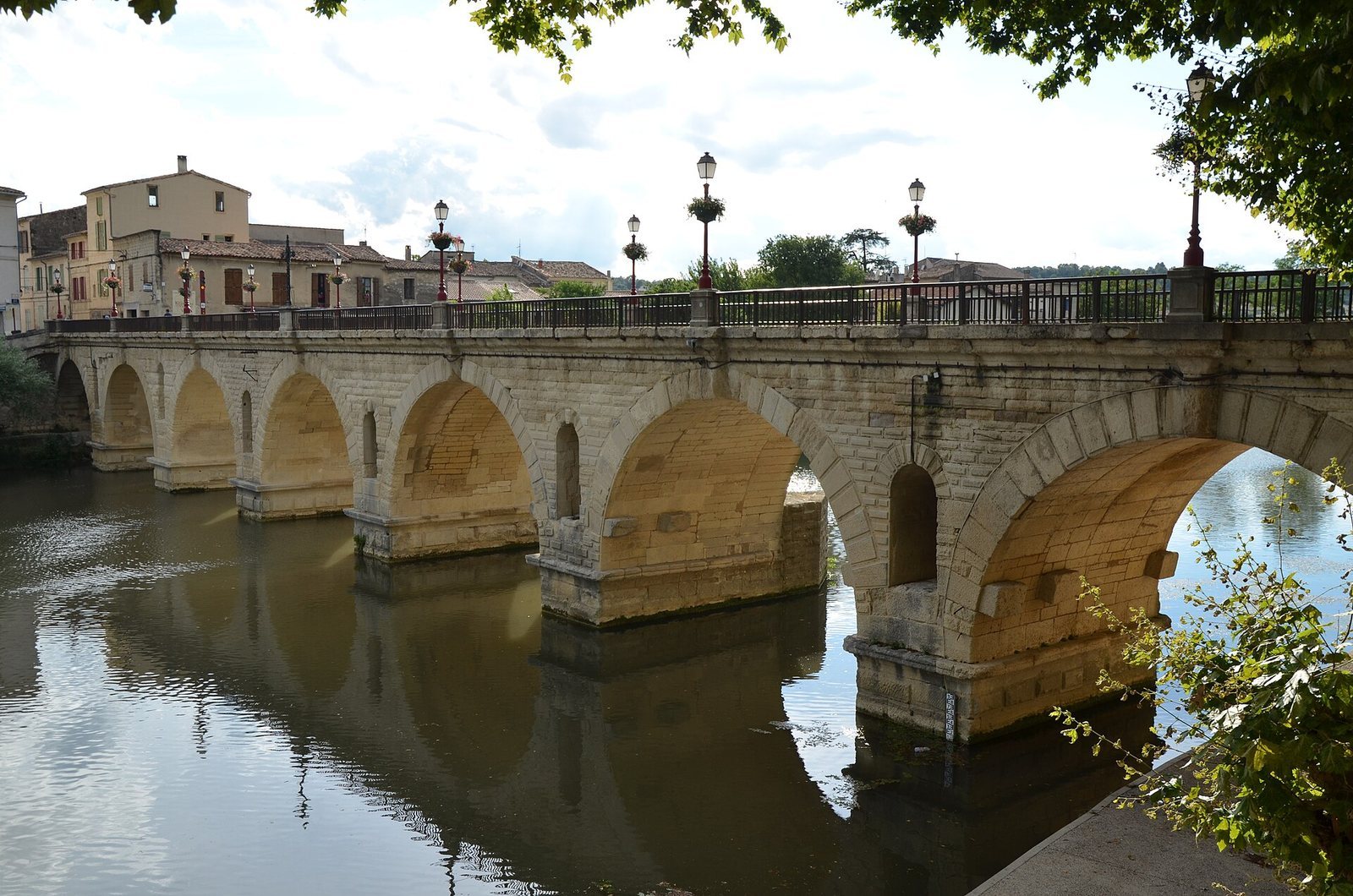
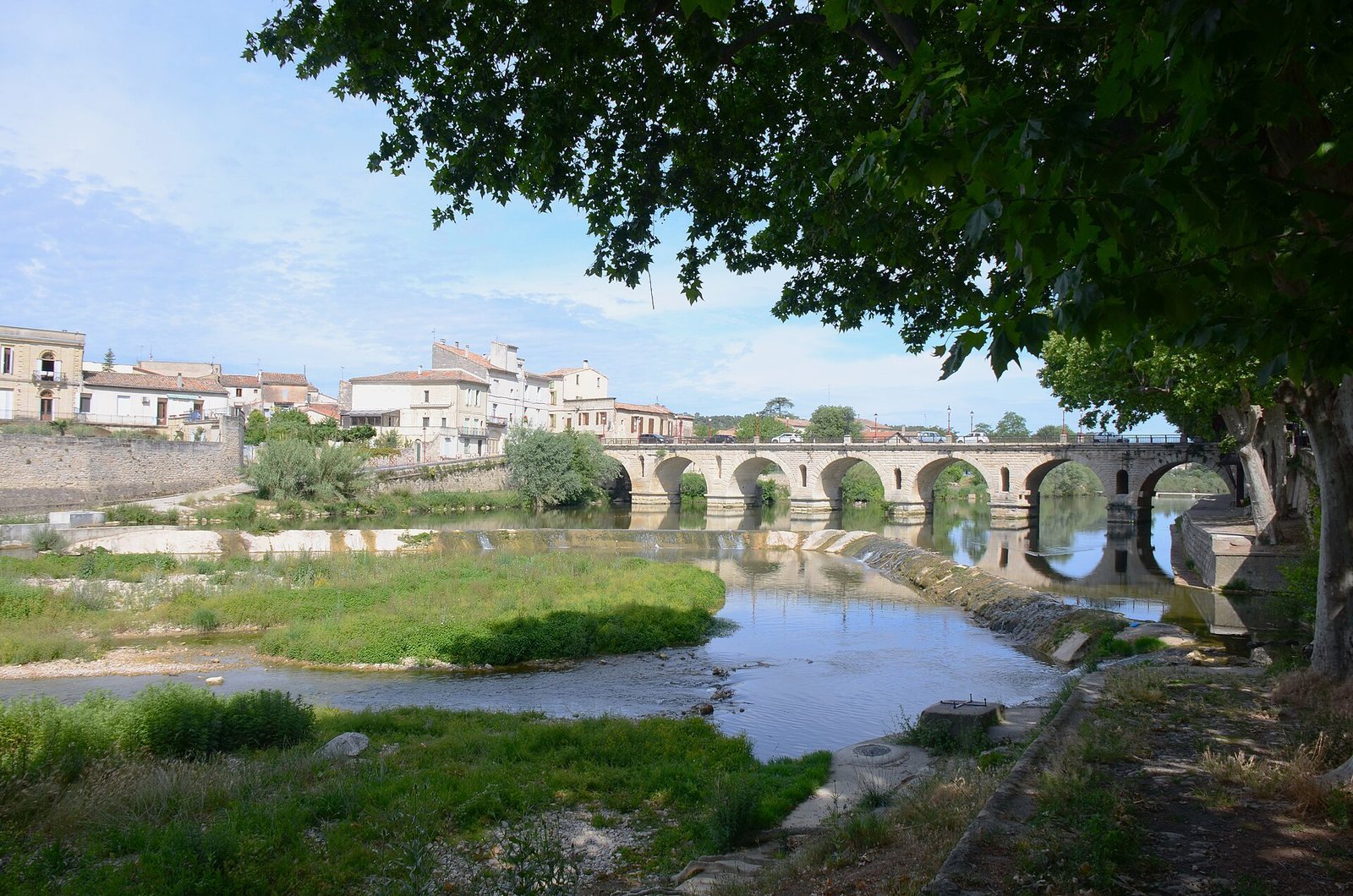
The bridge extends 190 metres across the Vidourle and is the longest preserved Roman bridge in France. Its original width was 6.60 metres, enough to cross the river’s natural channel and link its banks despite frequent floods. Estimates put its original total at between 17 and 22 arches. Pitot’s memorandum described 18 semicircular arches, each with an opening about 9.74 metres across. Seven arches are visible in the river’s main channel. Others are incorporated into the foundations and cellars of nearby buildings, including beneath Rue du Faubourg, Rue Marx Dormoy and Place Jean-Jaurès; most remain visible. The small number of arches open in the channel is associated with Sommières’ vulnerability when the Vidourle overflows.