Middelburg Abbey: A Monastic Complex and Civic Center in the Netherlands
Site at a Glance
- Rating
- 4.6
- Popularity
- Medium
- Country
- Netherlands
- Primary era
- Early Modern
- Eras represented
- Medieval, Early Modern
- Civilizations
- Dutch, Habsburg, Habsburg Spain, Holy Roman Empire, Spanish
- Site type
- Religious
- Remains
- Monastery
On this page8 sections
History
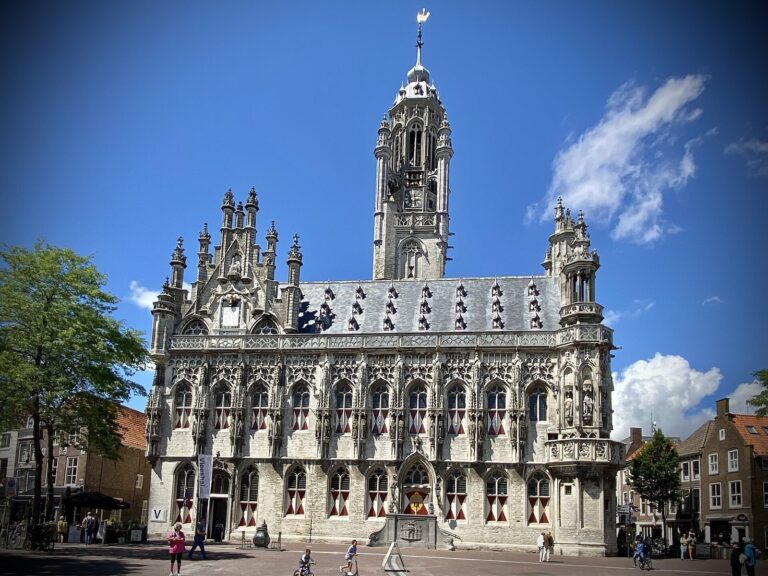
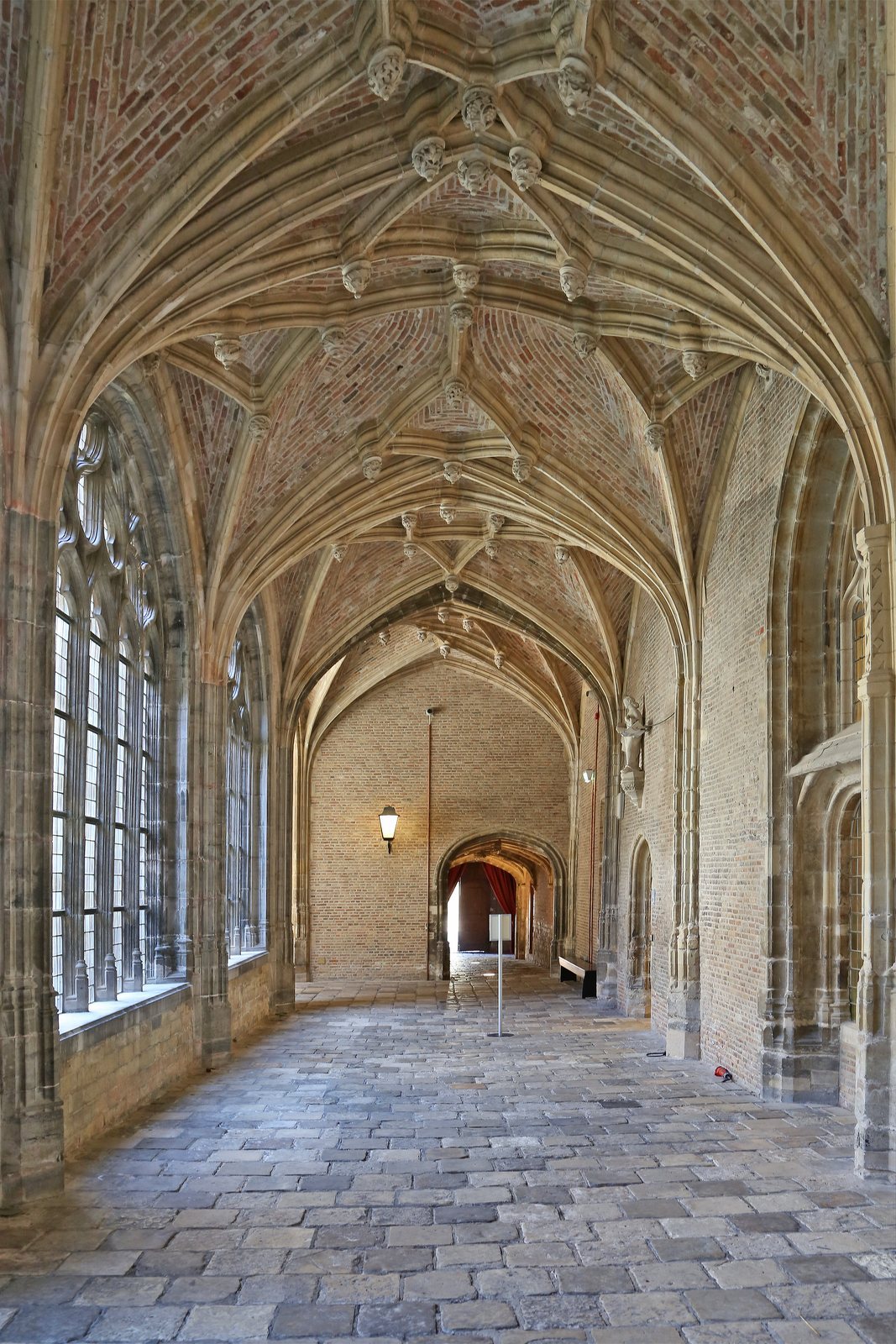
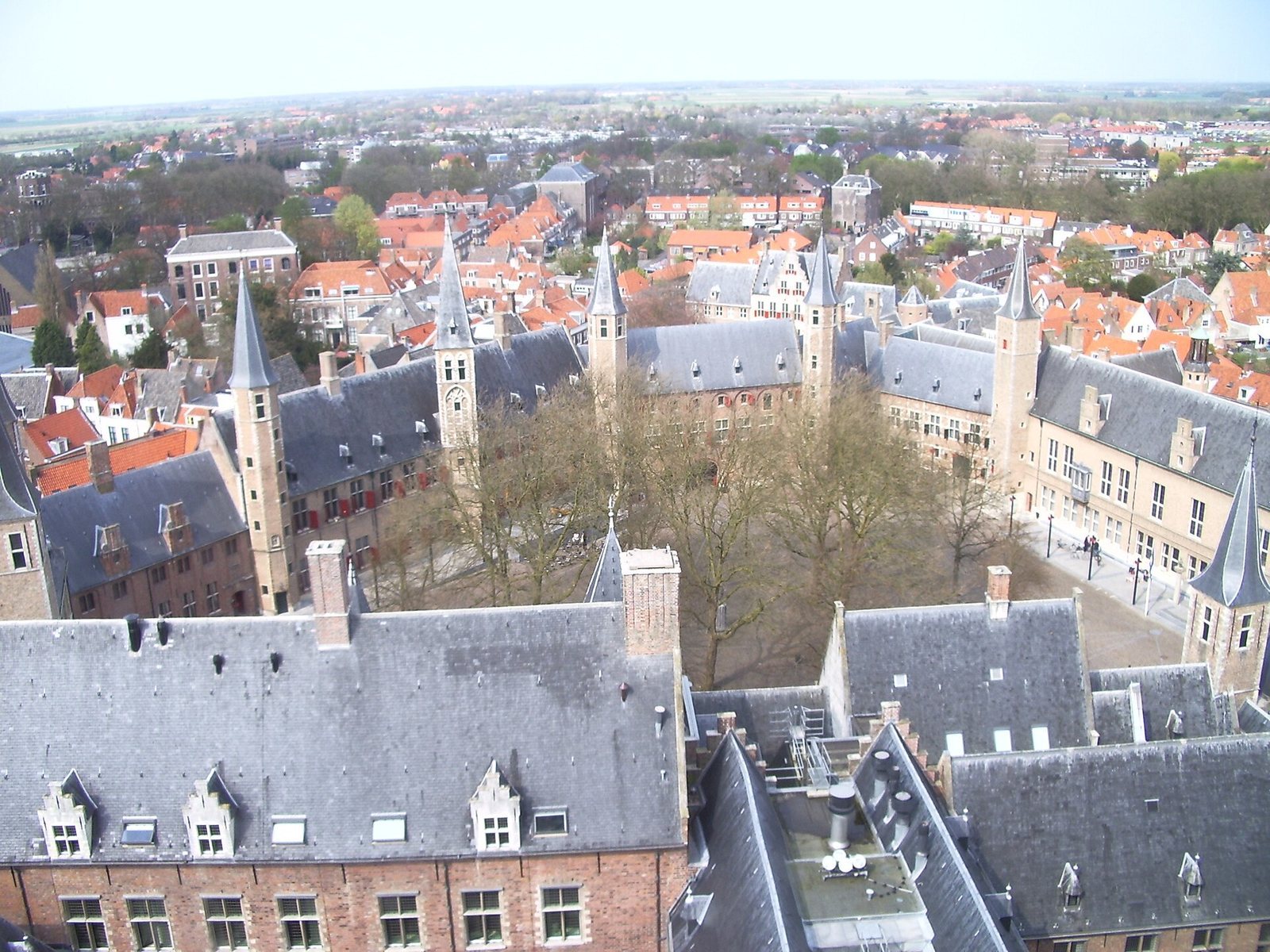
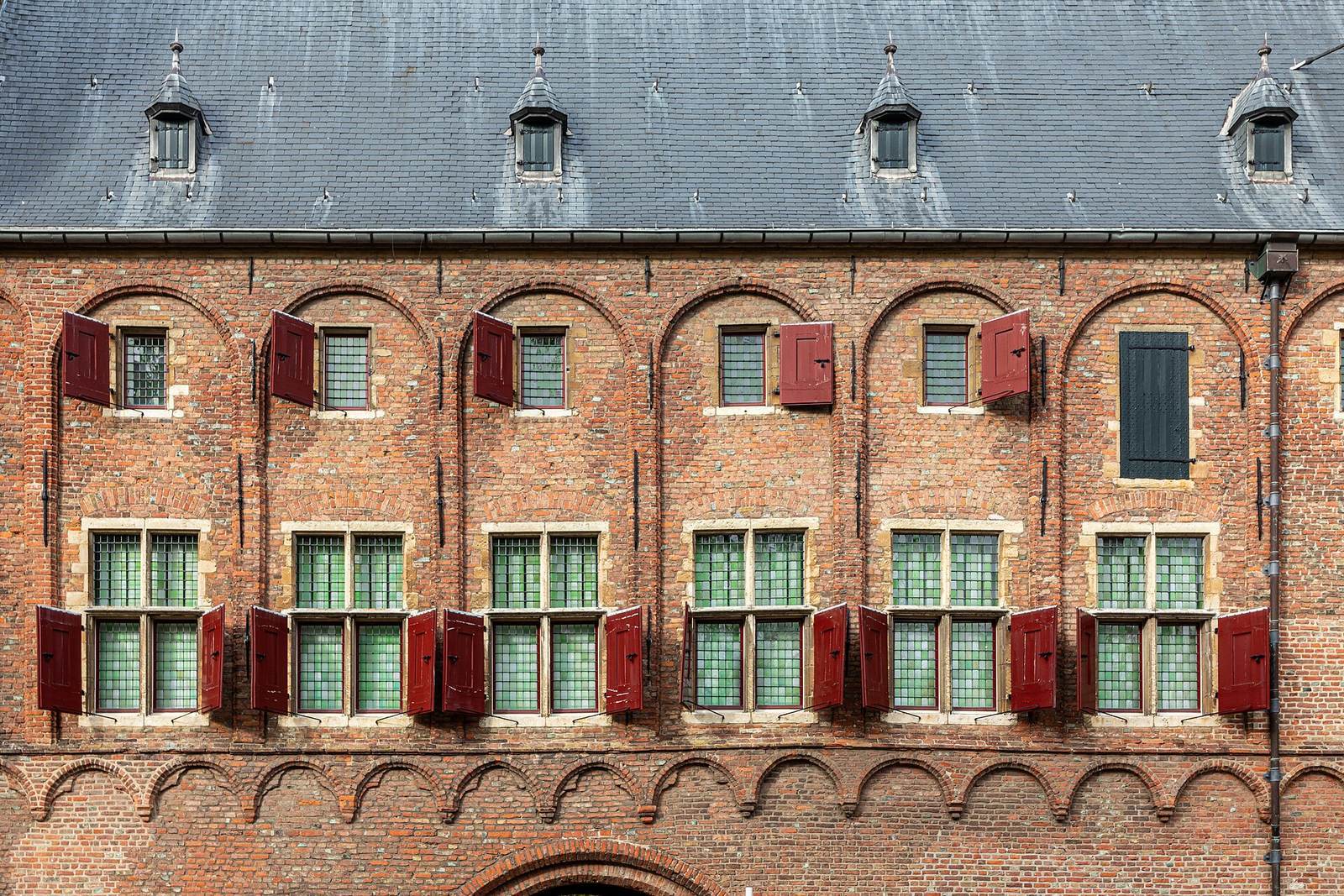
Middelburg Abbey is a former monastery in Middelburg, the Netherlands, whose origins reach back to the early twelfth century or earlier. In 1127, Premonstratensian canons from Antwerp established a monastery on the site of a former Carolingian stronghold. The Premonstratensians were a Catholic order of canons regular. Surviving monastic buildings include examples of late-medieval Gothic architecture.
Monastic foundation and growth
The abbey developed into a large religious foundation with two churches and extensive landholdings on Walcheren, then an island, and elsewhere in Zeeland. In 1401, it came under direct papal control. A fire in 1492 destroyed many of its buildings.
Sixteenth-century changes and suppression
In 1559, the abbey’s abbot Nicolaas van der Borcht became the first bishop of the newly established, short-lived Diocese of Middelburg, a church jurisdiction overseen by a bishop. A fire in 1568 chiefly damaged the abbey’s two churches, and much of the surviving monastic fabric dates from rebuilding in the second half of the sixteenth century.
Monastic life ended in 1574, after Spanish defenders under Cristóbal de Mondragón surrendered to Protestant Dutch forces at the end of the two-year Siege of Middelburg. The siege took place during the revolt against Spanish rule. William of Orange had promised in the surrender negotiations that the clergy would be left undisturbed, but the abbey and Catholicism in Middelburg were forcibly suppressed.
Provincial government and later uses
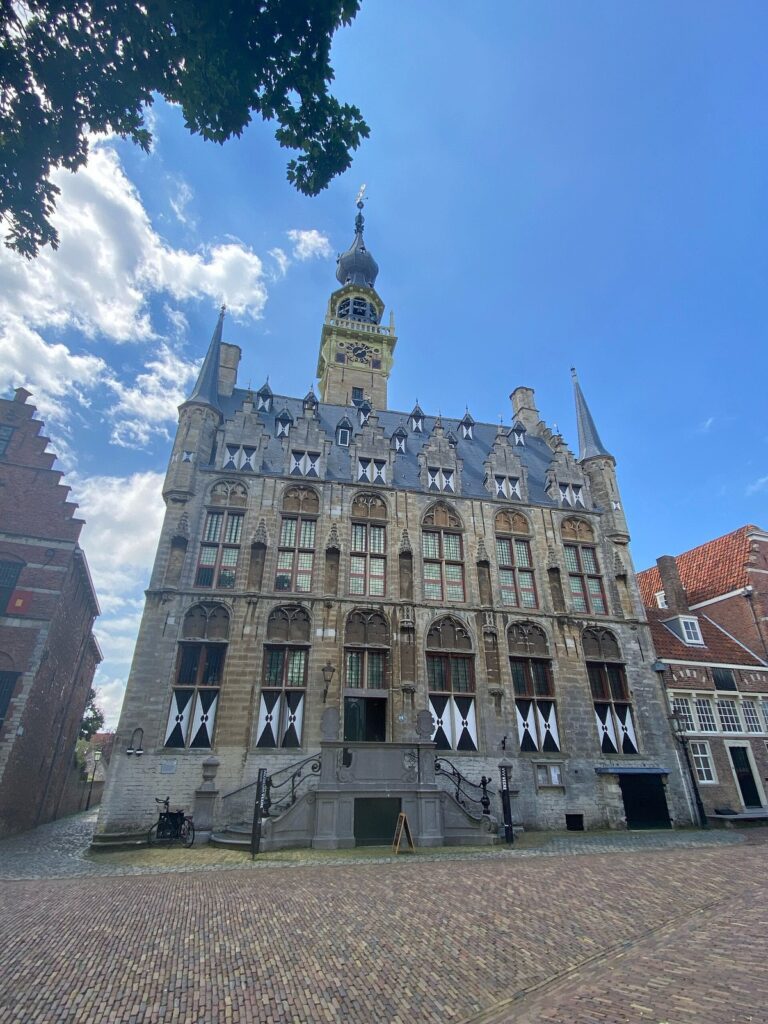
After the suppression, the complex became the Court of Zeeland, or Hof van Zeeland, and served as a center of provincial administration. Its occupants included the States of Zeeland, the provincial assembly, an admiralty department responsible for naval affairs, a mint, and a court chamber. Following administrative reforms under French rule during the Napoleonic occupation, it was known as the Province Building from 1812.
German aerial bombing severely damaged the abbey church in May 1940 during an attack intended to discourage Dutch resistance to the invasion. Postwar rebuilding continued until 1965. Other former abbey buildings served government functions, including as a land registry and state archive, into the late twentieth century. Part of the complex has housed the Zeeland Museum since 1972, and another part became home to the Roosevelt Study Center in 1986. The two former abbey churches are now Protestant churches belonging to the Protestant Church in the Netherlands. From 1833, the New Church served as the sole parish church for Middelburg’s central walled area.
Remains
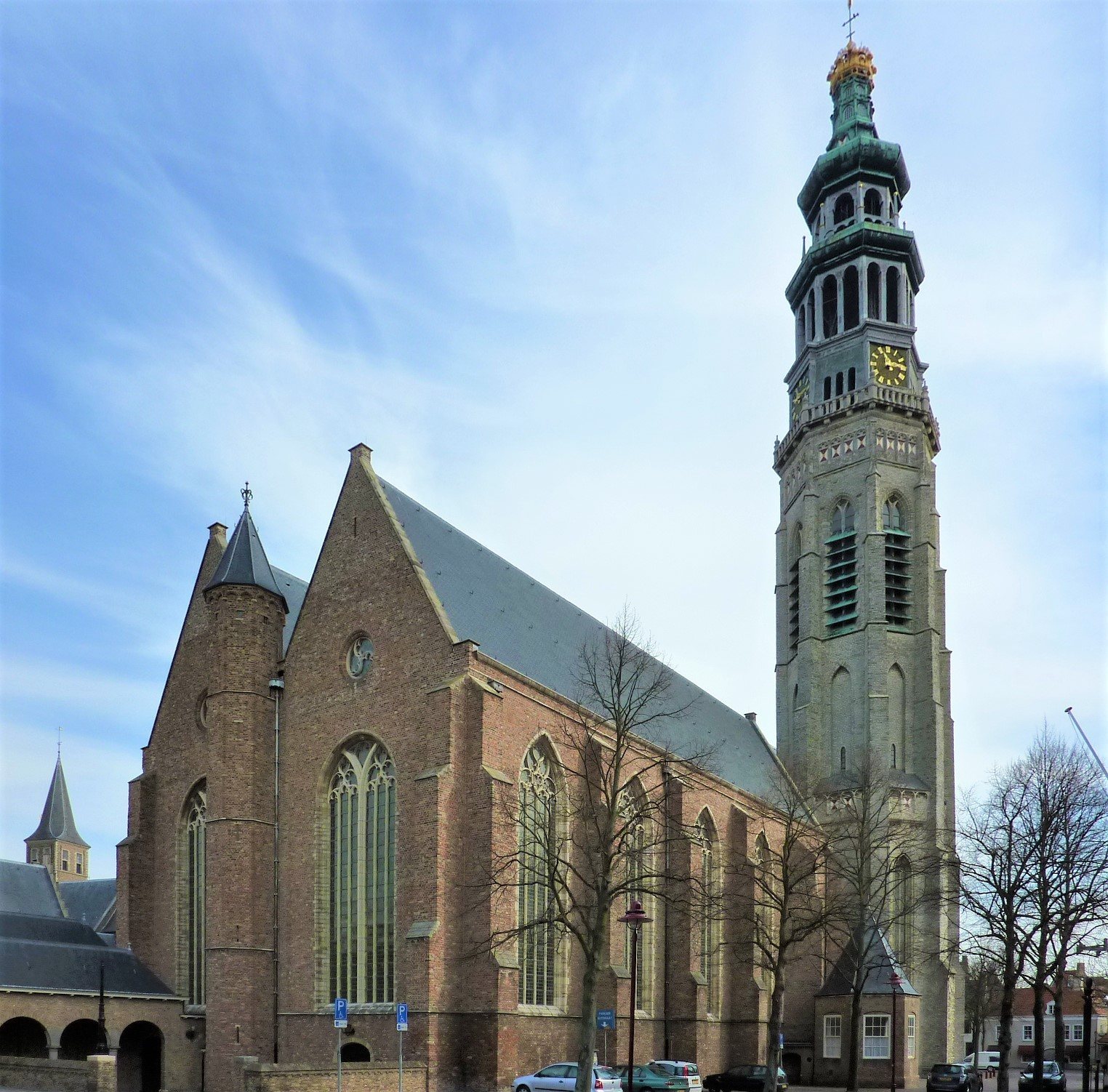
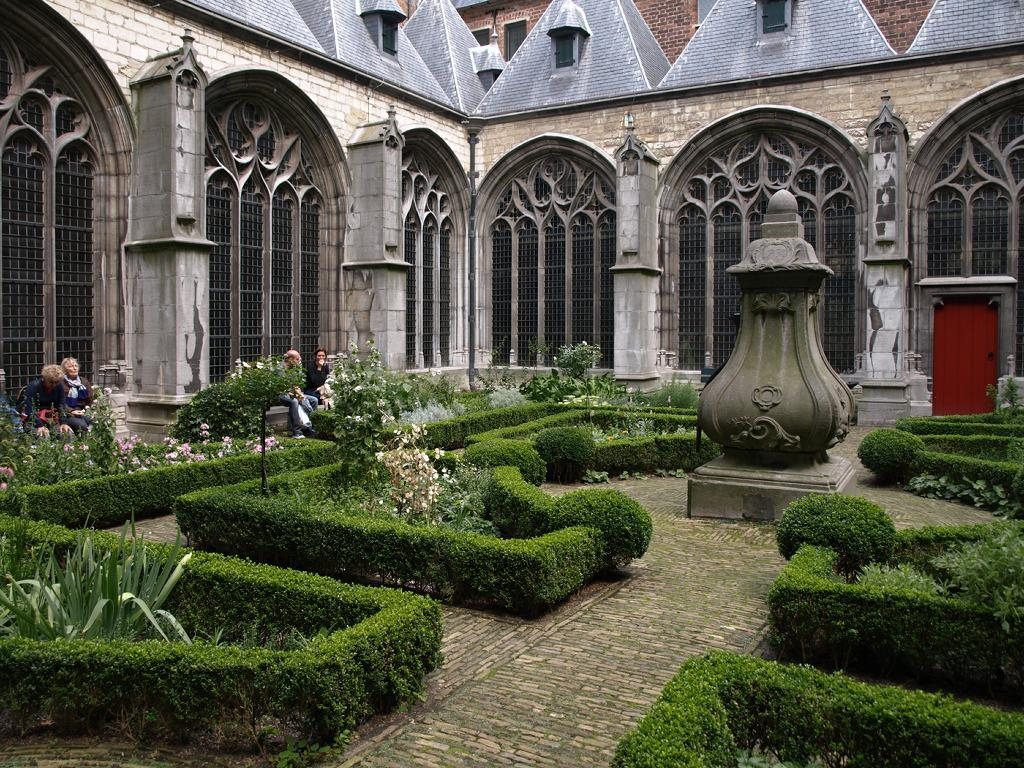
The abbey once formed the center of a large monastic complex. Its principal surviving facade and many buildings from the monastic period remain, including the New Church, whose architecture is late-medieval Gothic. South of the cloister, the Choir Church and New Church stand directly beside one another on the outside. Their interiors are no longer connected, and the pair is collectively known as the Abbey Churches.
The Abbey Churches
Choir Church
The Choir Church, or Koorkerk, replaced an older abbey church around 1300. Its tall choir ends in a five-sided apse, and two western bays are set apart from the main nave. An elaborate roof vault was added after the fire of 1568. The south-side tower, known as Lange Jan, meaning Tall John, has a lower section dating to the fourteenth century; its more elaborate upper parts were added in 1712 and reconstructed after wartime destruction. The tomb of William II of Holland, Count of Holland and a Roman-German king, is set into the church’s south wall.
New Church
The New Church, also called the New or St. Nicholas Church, has two naves. Its smaller predecessor, also a two-naved church, was built around 1300. The enclosing walls of the present church date from rebuilding after a fire in 1558. Its east wall also forms the west wall of the Choir Church. An arch once joined the churches’ interiors, but it was later blocked.
The church’s organ was built in 1954 by Pels & Van Leeuwen, an organ-building firm from Leiderdorp. Its casing was made in 1693 by the seventeenth-century carpenter-craftsman Jan Albertsz Schut for a church in Amsterdam and was later installed here. The casing underwent extensive restoration in 1996, and the organ mechanism was restored in 2004.