Kapinovo Monastery: A Bulgarian Orthodox Monastic and Cultural Center
Site at a Glance
- Rating
- 4.6
- Popularity
- High
- Country
- Bulgaria
- Primary era
- Modern
- Eras represented
- Modern
- Civilizations
- Ottoman
- Site type
- Religious
- Remains
- Monastery
On this page10 sections
History
Kapinovo Monastery is an active male monastery of the Bulgarian Orthodox Church, within the Bulgarian Patriarchate and Diocese of Veliko Tarnovo, in the village of Kapinovo in Bulgaria. It was founded in 1272 during the reign of Tsar Constantine I Asen Tikh, a ruler of the Second Bulgarian Empire, the medieval Bulgarian state that lasted from 1185 to 1396. An inscription at the church records the foundation, while Orthodox tradition names Saint Sergius of Kapinovo as the monastery’s founder.
Ottoman-era disruptions
During Ottoman rule, the monastery was repeatedly devastated. In 1794, its abbot was Sophronius of Vratsa, a Bulgarian Orthodox cleric and writer associated with the Bulgarian National Revival, a cultural and national movement among Bulgarians under Ottoman rule, especially in the eighteenth and nineteenth centuries. He brought to the monastery a copy of Paisius of Hilendar’s Slav-Bulgarian History, an influential eighteenth-century work often regarded as foundational to the revival. Four years later, Kardzhali raiders, armed groups active in the Ottoman Balkans, devastated the monastery again.
Nineteenth-century rebuilding and cultural role
In 1835, the abbot commissioned master builders Pencho and Racho of Dryanovo to restore the monastery to its present form. Construction of the church began at that time. A further building campaign followed between 1856 and 1864, when the Horozov brothers of Elena funded the residential buildings.
The monastery also served as a spiritual and cultural center, with a monastic cell school, a small school associated with a monastery. It sheltered the bands of nineteenth-century insurgent leaders Captain Dyado Nikola and Hadji Stavri Koinov; Hadji is an honorific traditionally given to someone who had completed a pilgrimage to Jerusalem. Other people sheltered there included the rebel leader Filip Totyu, Bulgarian revolutionary figures Vasil Levski and Angel Kanchev, and the Orthodox monk and revolutionary Matei Preobrazhenski, known as Mitkaloto.
Remains
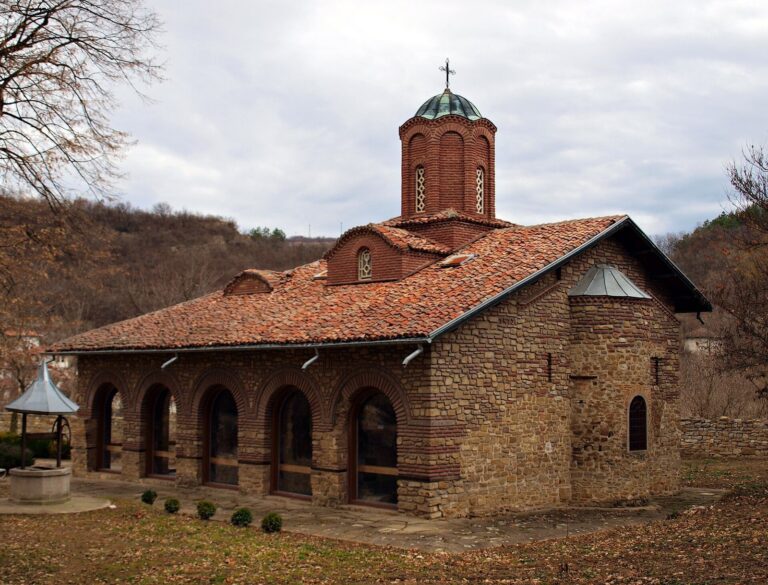
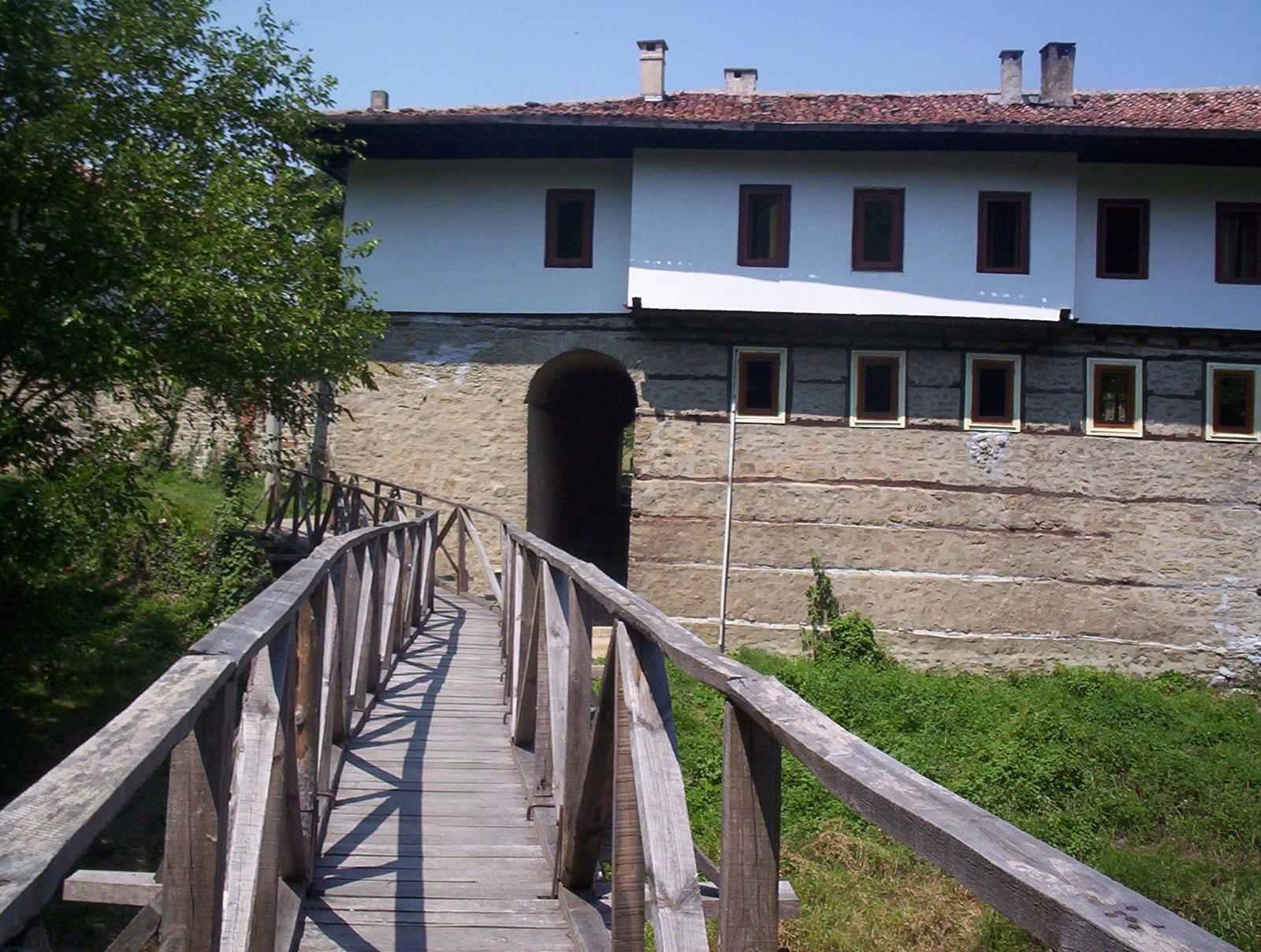
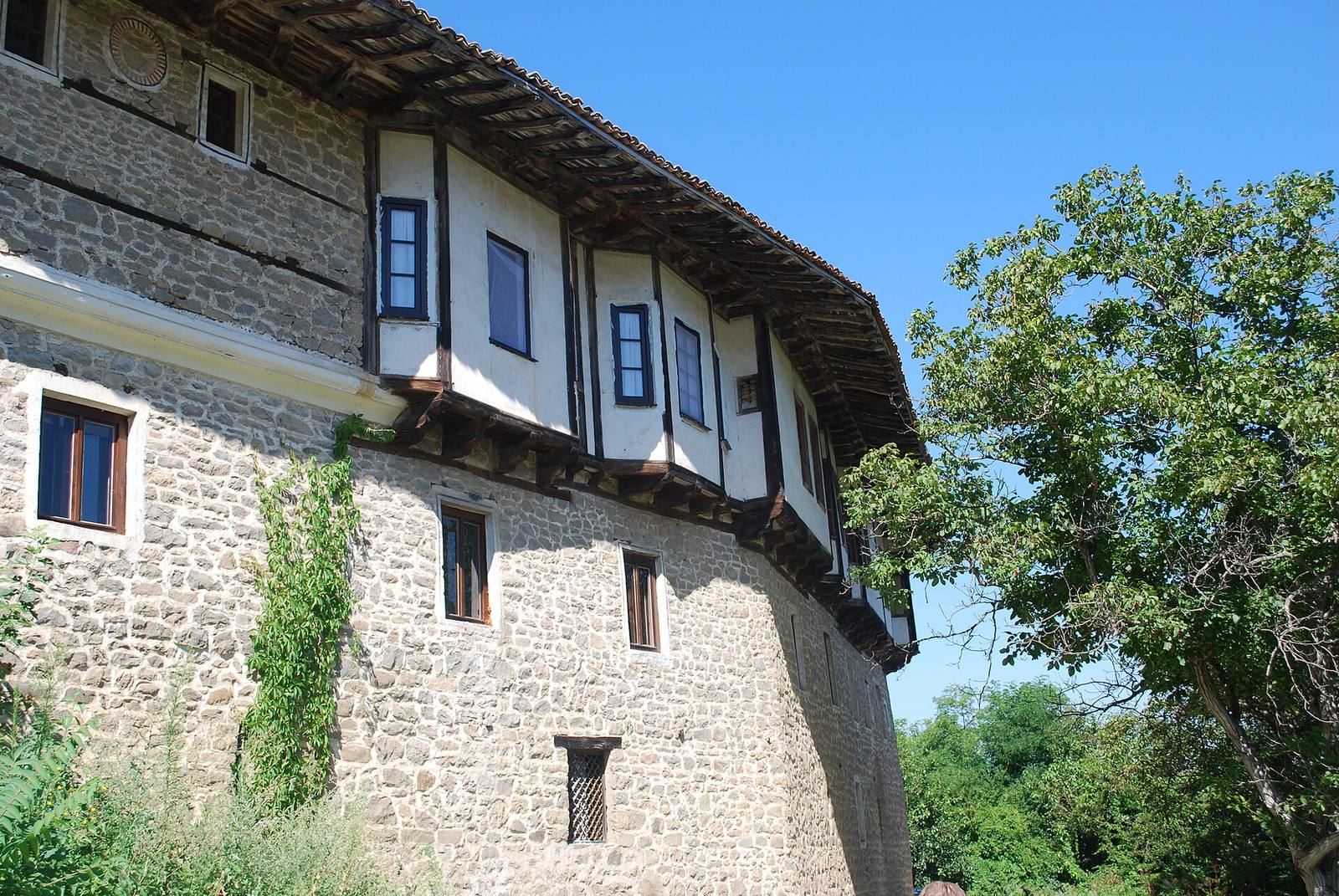
The monastery’s buildings include a long stone church and a residential complex in its eastern part. The residential buildings are two storeys high, and chapels form part of the complex and its courtyard.
Church
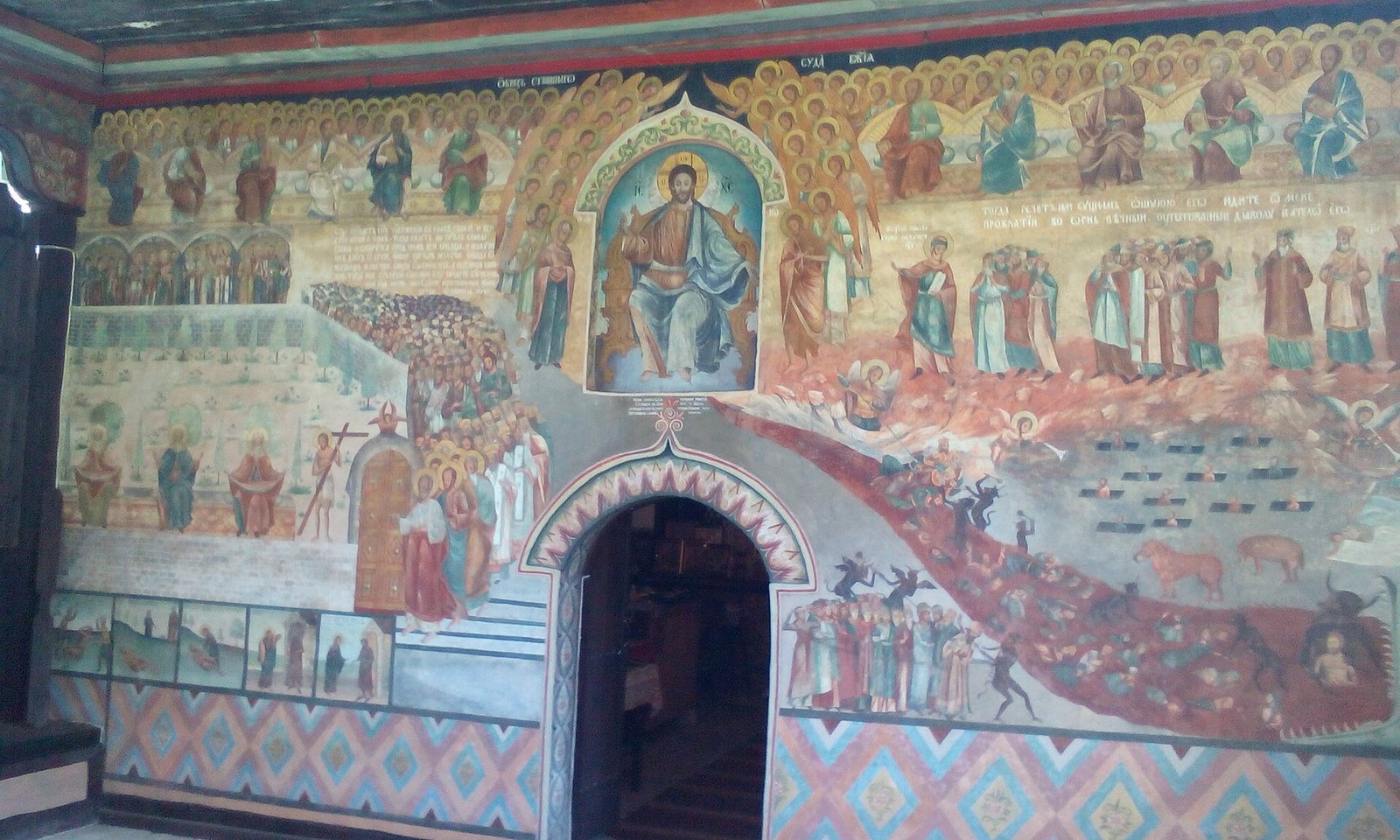
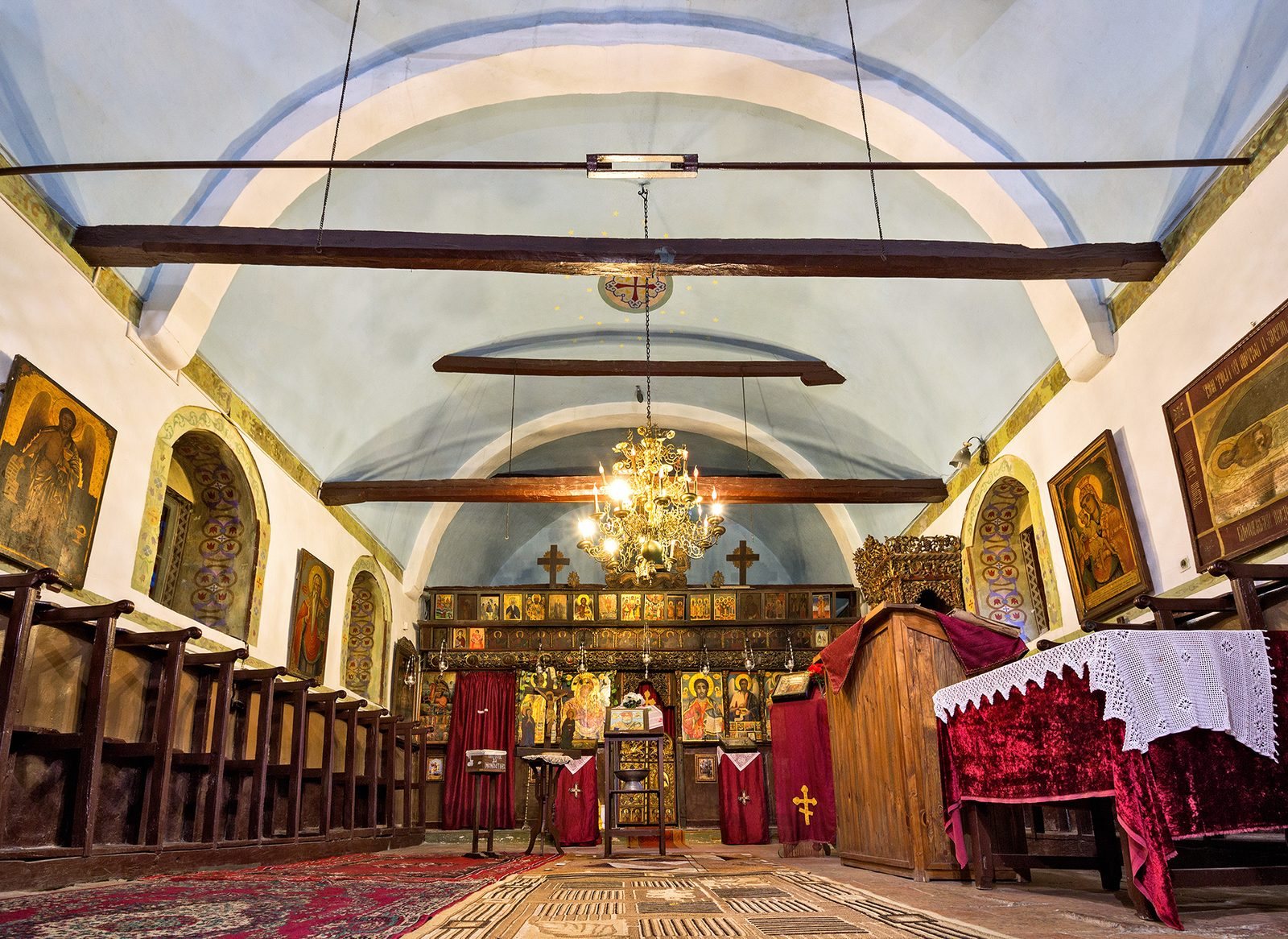
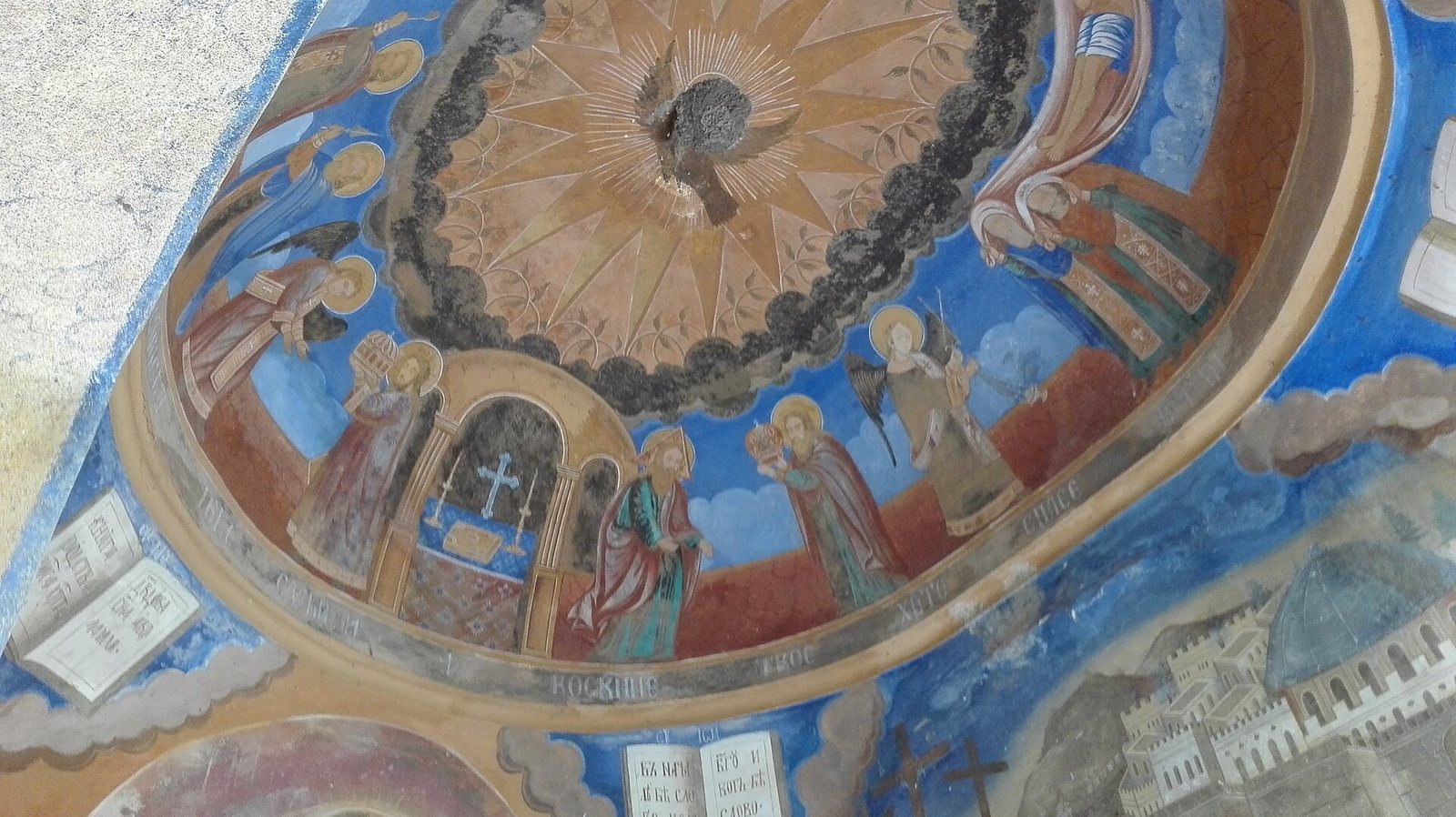
The church is a long stone building with a single nave, the main interior hall of a church. Its carved wooden iconostasis, a screen bearing icons that separates the sanctuary from the main body of an Orthodox church, holds many icons. Painters associated with the Tryavna art school, a Bulgarian National Revival tradition of religious painting and woodcarving, and Yoan Popovich of Elena painted the icons between 1811 and 1820. Above the entrance on the east wall is a painting of the Last Judgment, made in 1845 by Yoan Popovich, also known as Popraykov and described as a painter from Razgrad.
Residential complex and chapels
Residential buildings
The residential buildings stand in the eastern part of the monastery. They are two storeys high, with an exterior wall measuring 1.5 metres thick.
Presentation of the Virgin chapel
The upper floor contains the Presentation of the Virgin chapel, painted by Aleksi Atanasov.
Annunciation chapel
A chapel on the first floor is dedicated to the Annunciation and was decorated by masters from Teteven.
Courtyard chapel
A chapel in the courtyard contains the burial of Theodosii Horozov, one of the monastery’s patrons.