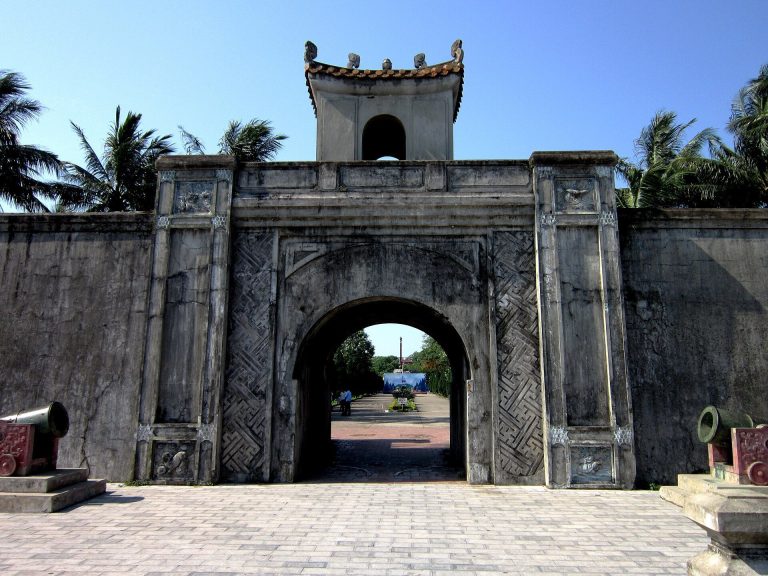
Hoằng Phúc Pagoda: A Buddhist Temple in Vietnam
Site at a Glance
- Popularity
- Medium
- Country
- Vietnam
- Primary era
- Medieval
- Eras represented
- Medieval
- Civilizations
- Unclassified
- Site type
- Religious
- Remains
- Pagoda
On this page4 sections
History
Early history and changing names
Hoằng Phúc Pagoda stands in Thuan Trach Village, Mỹ Thủy Commune, Lệ Thủy District, Quảng Bình Province, Vietnam, and is dated to 1300. It is counted among central Vietnam’s oldest temples. In 1301, Trần Nhân Tông, the third emperor of the Trần dynasty, visited when the temple was called Tri Kien Temple. The dynasty ruled Vietnam from 1225 to 1400.
In 1716, Nguyễn Phúc Chu, a Nguyễn lord from the family that governed southern Vietnam before unification, renamed it Kính Thiên Tự. Emperor Minh Mạng visited in 1821 and gave it the name Hoằng Phúc Tự, meaning “Great Blessing Temple.” Minh Mạng was the second emperor of the Nguyễn dynasty, Vietnam’s last imperial dynasty, which ruled from 1802 to 1945. The temple was also known locally as Trạm Temple or Quan Temple.
Storm damage and reconstruction
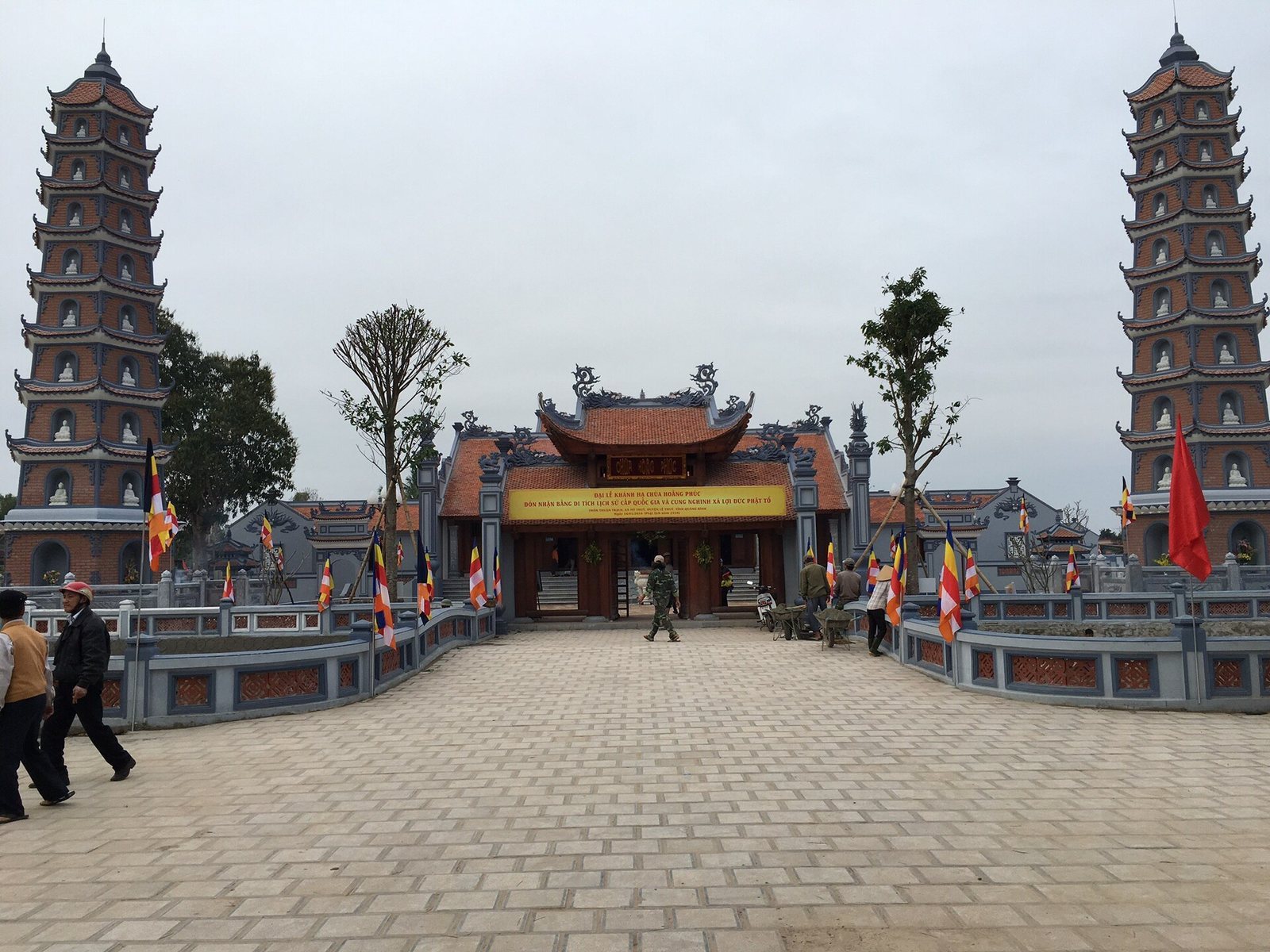
A tropical storm severely damaged the pagoda in 1985. Reconstruction began in December 2014, and the rebuilt temple was inaugurated on 16 January 2016. The ceremony brought together Vietnamese government officials, Buddhist monastic communities from Vietnam and Myanmar, Buddhists from across Vietnam, and Cambodia’s Supreme Patriarch Tep Vong, the country’s highest-ranking Buddhist monastic leader. On that day, Myanmar’s Buddhist Sangha, a community of Buddhist monks or nuns, presented the pagoda with a Buddha relic from Shwedagon Pagoda, a major Buddhist religious site in Yangon.
Hoằng Phúc Pagoda was included on Quảng Bình Province’s list of relics and recognized as a national historical relic of Vietnam.
Remains
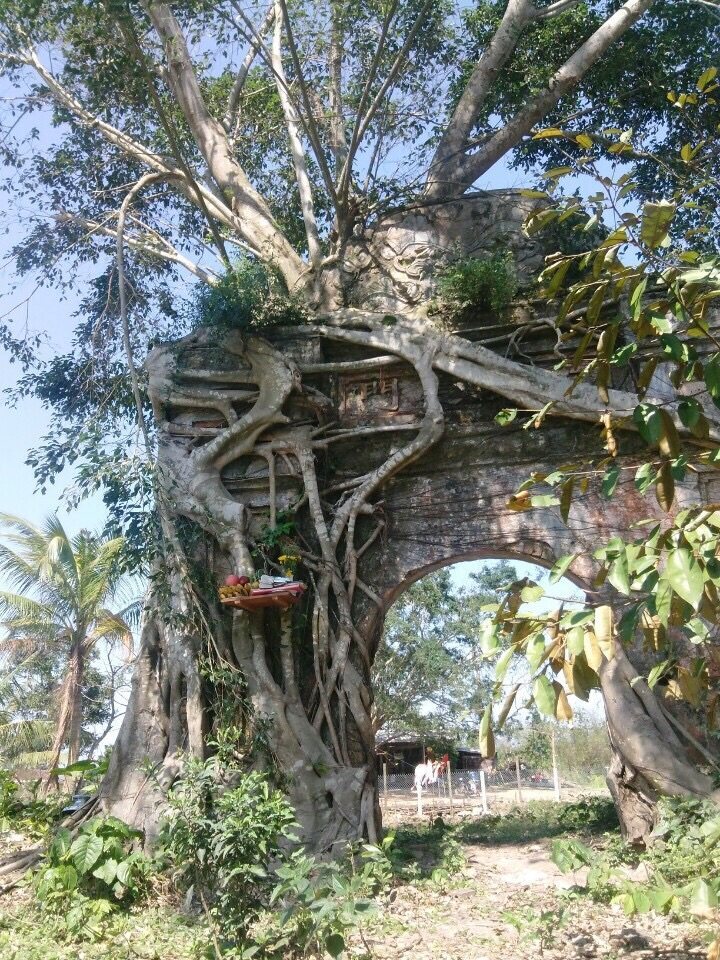
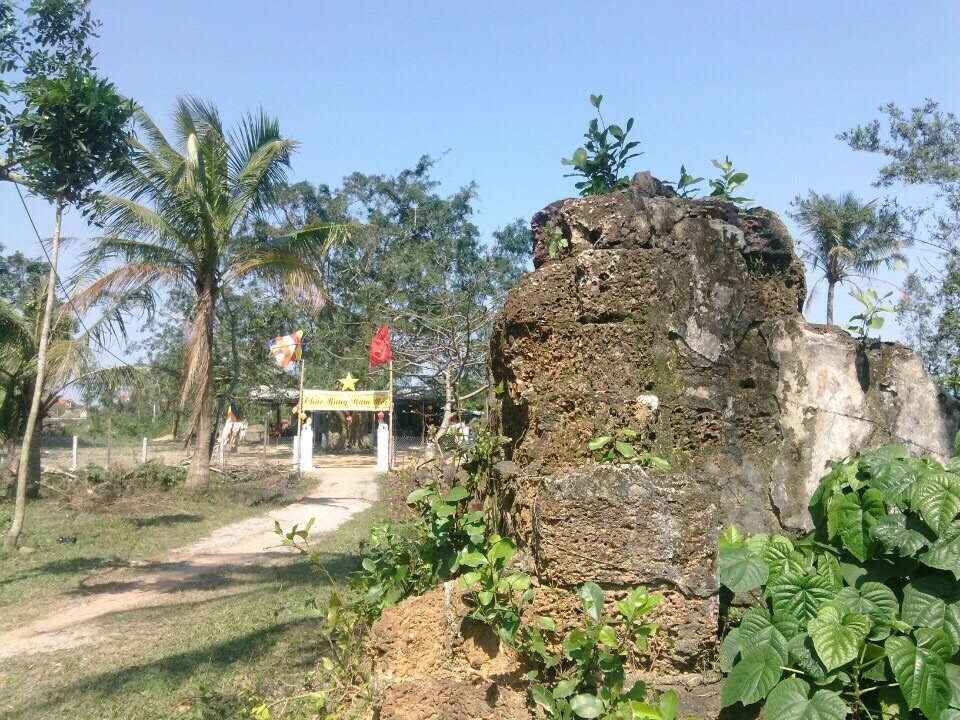
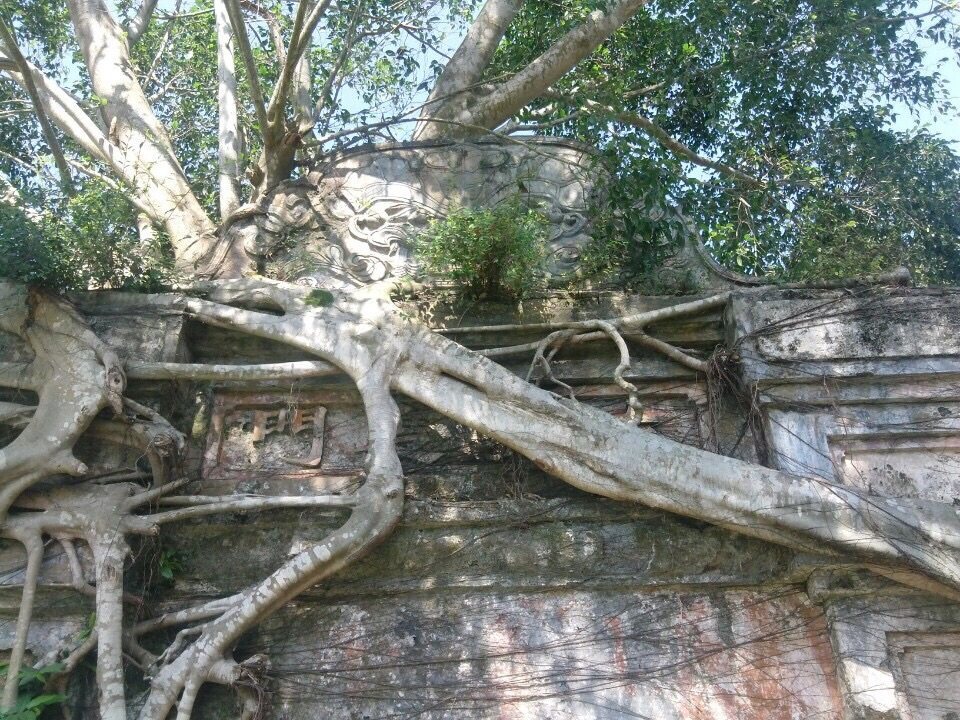
After the 1985 storm, the surviving structures were the entrance gate and the temple foundation. The surviving objects included an 80-kilogram bell and several old Buddha statues.