Forte de São João Batista do Brum: A Coastal Fort in Recife
Site at a Glance
- Popularity
- Medium
- Country
- Brazil
- Primary era
- Early Modern
- Eras represented
- Early Modern
- Civilizations
- Dutch, Portuguese
- Site type
- Military
- Remains
- Fort
On this page4 sections
History
Portuguese and Dutch control
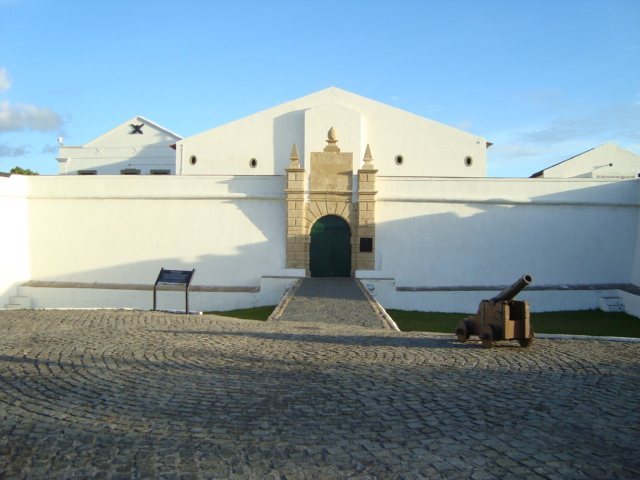
Forte de São João Batista do Brum, also known as Forte do Brum, is a coastal fort in Recife, Pernambuco, Brazil. Portuguese colonists began building the fortification in 1626 under a Portuguese colonial leader. After Dutch forces captured Recife in 1630, the Dutch West India Company, which organized Dutch colonial and military activity overseas, developed the site into a fort. Dutch engineers directed the work, and the fort became known as Fort De Bruyne, a name attributed either to a commander or to an administrator of the company.
The fort formed part of a defensive line that also included the nearby forts Frederik Hendrik and Driehoek. In 1654, a local uprising drove the Dutch from Brazil, and the fort returned to Portuguese control with 14 artillery pieces. The Portuguese rebuilt it after regaining power.
Renovation and later use
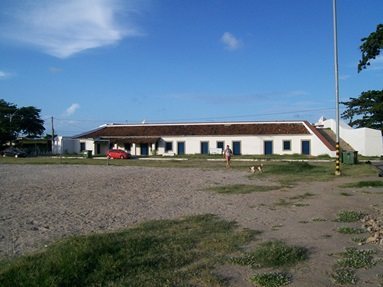
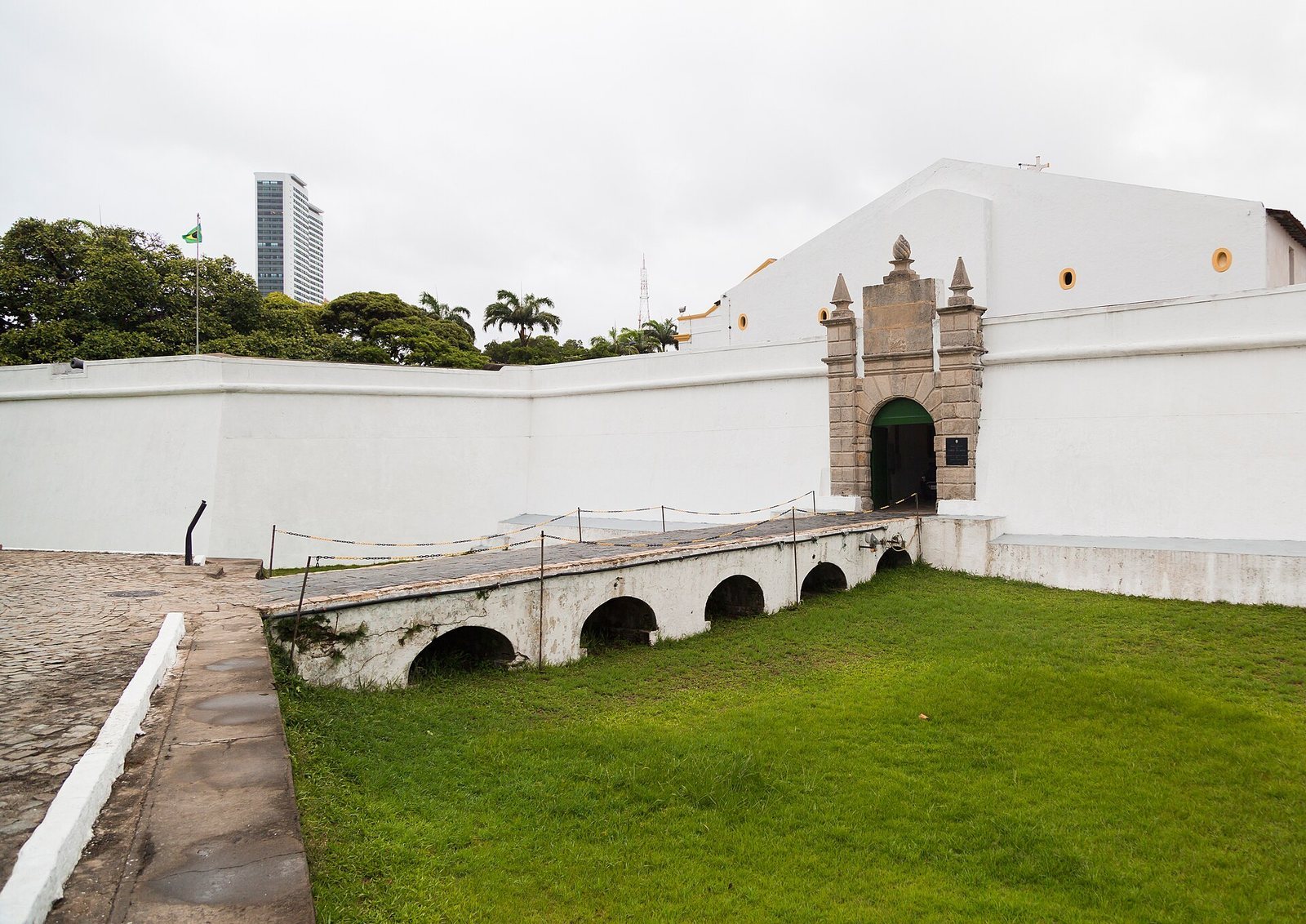
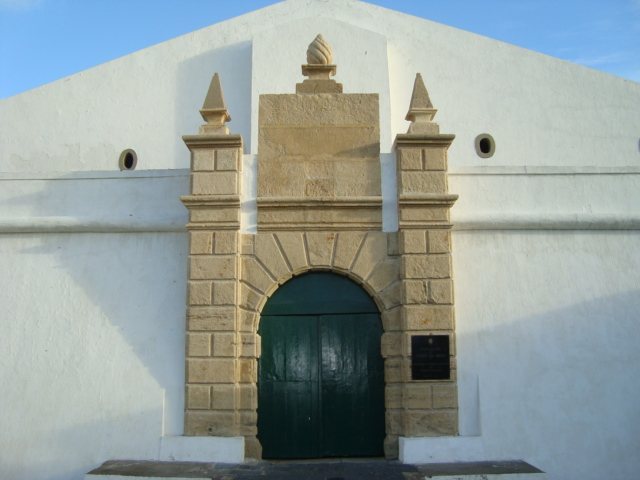
Extensive renovation and restoration took place in the eighteenth century. Following a long period of abandonment, archaeologists from the Federal University of Pernambuco partially restored the fort in 1985. It now houses a Military Museum devoted to the history of the fort and Recife, with a collection of weapons.
Remains
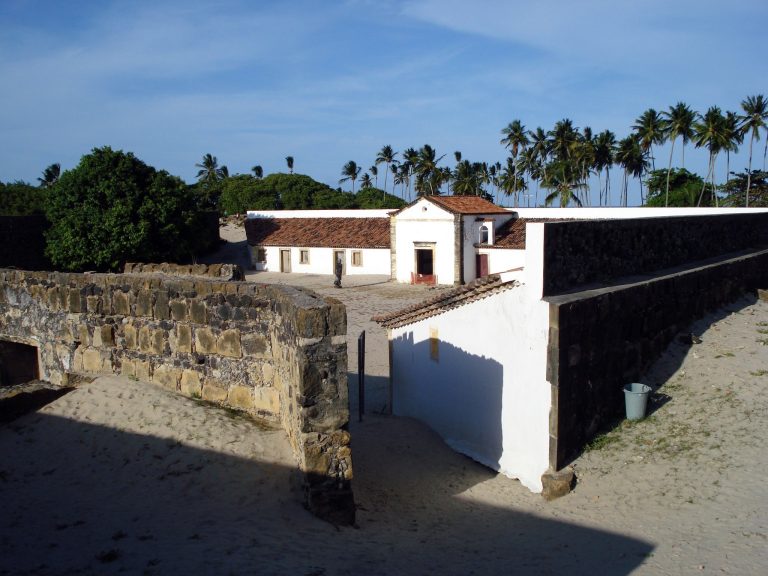
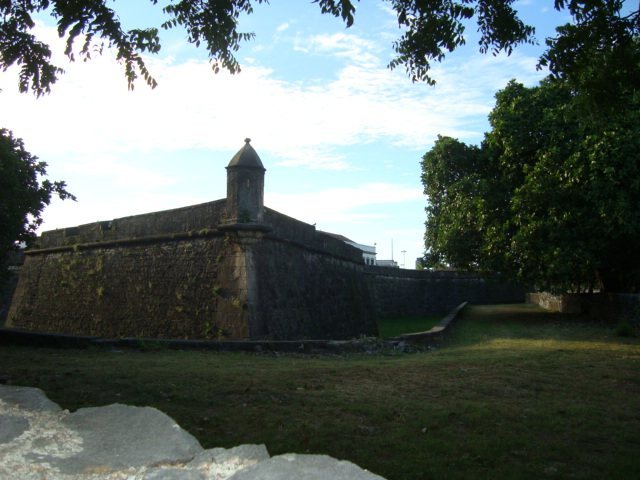
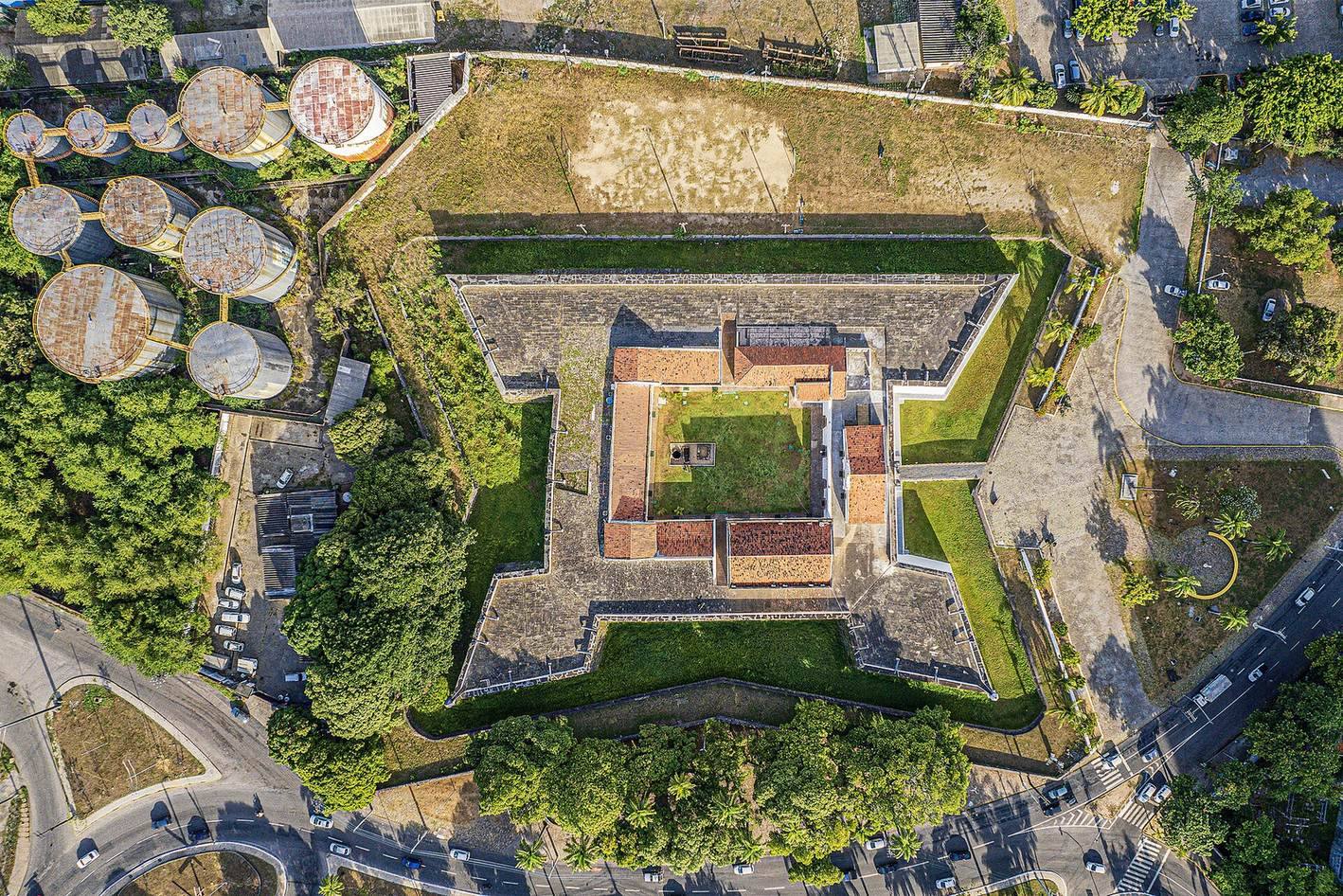
The fort stands in the northern part of Recife’s Old Recife district and has a square ground plan. Its landward side has two bastions, projecting defensive structures, with inward-set flanks designed to hinder attacks from land. The fort is described as well preserved.