Fort São Tiago das Cinco Pontas: A Fortification with Dutch and Portuguese Phases
Site at a Glance
- Popularity
- Medium
- Country
- Brazil
- Primary era
- Early Modern
- Eras represented
- Early Modern
- Civilizations
- Portuguese
- Site type
- Military
- Remains
- Fort
On this page7 sections
History
Fort São Tiago das Cinco Pontas is a fortification in Brazil whose history began with Fort Frederik Hendrik, built by the Dutch in 1630 near Mauritsstad. This Dutch settlement near present-day Recife served as the capital of Dutch Brazil, the Dutch colonial territory in northeastern Brazil.
Dutch construction and defense
Named for Frederick Henry, Prince of Orange, Fort Frederik Hendrik was designed for the Dutch West India Company, a Dutch chartered company involved in overseas trade and colonization. The fort was also known as Trotsch den Duyvel and Vijfhoeck. Construction continued amid repeated clashes with enemy forces, and the fort was strengthened in 1638.
Its fresh-water supply added to its military value. The fort formed part of a defensive line that included Prins Willem and extended north to Olinda. It was regarded as the most notable fort in that line.
Portuguese rule and replacement
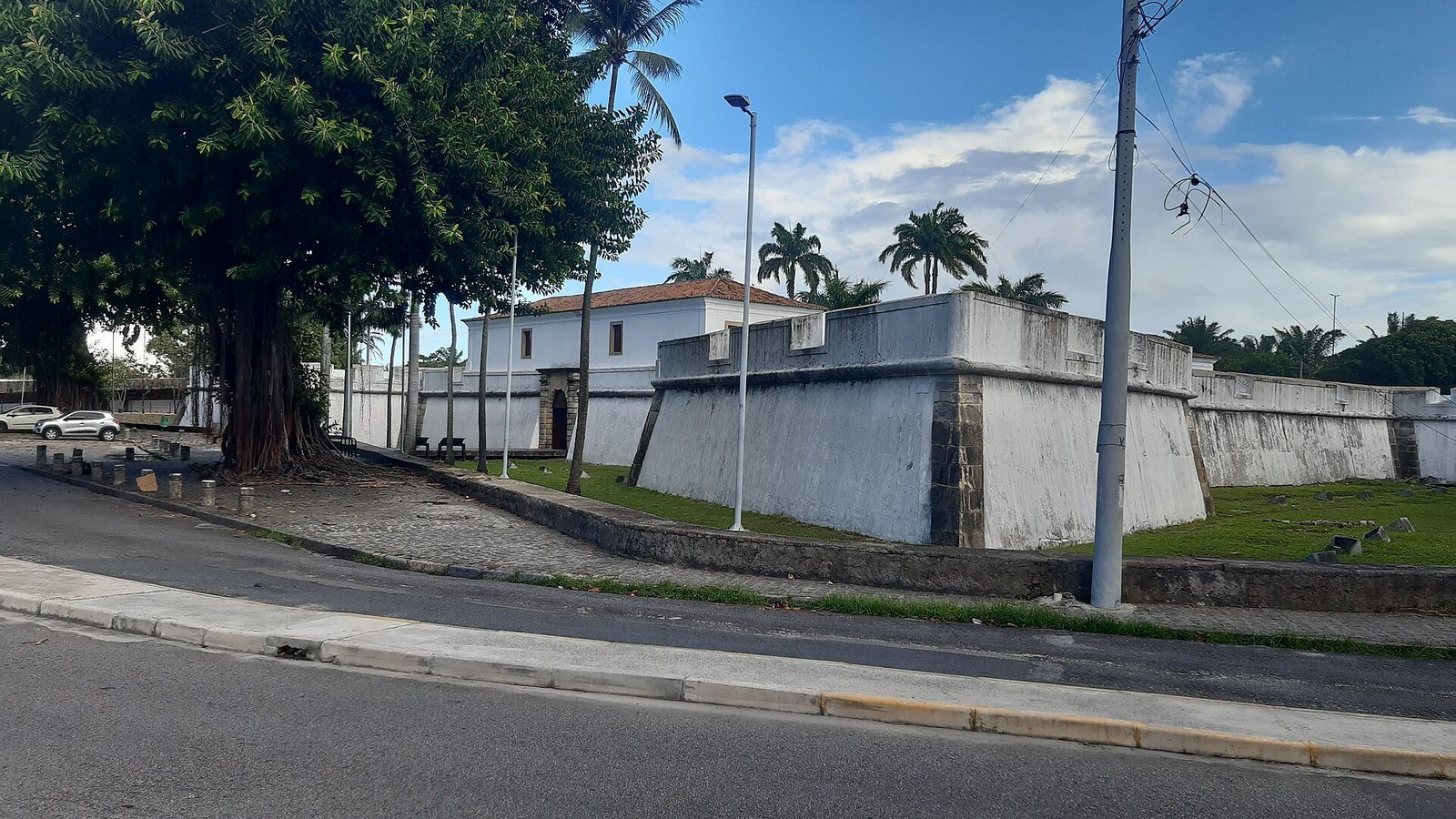
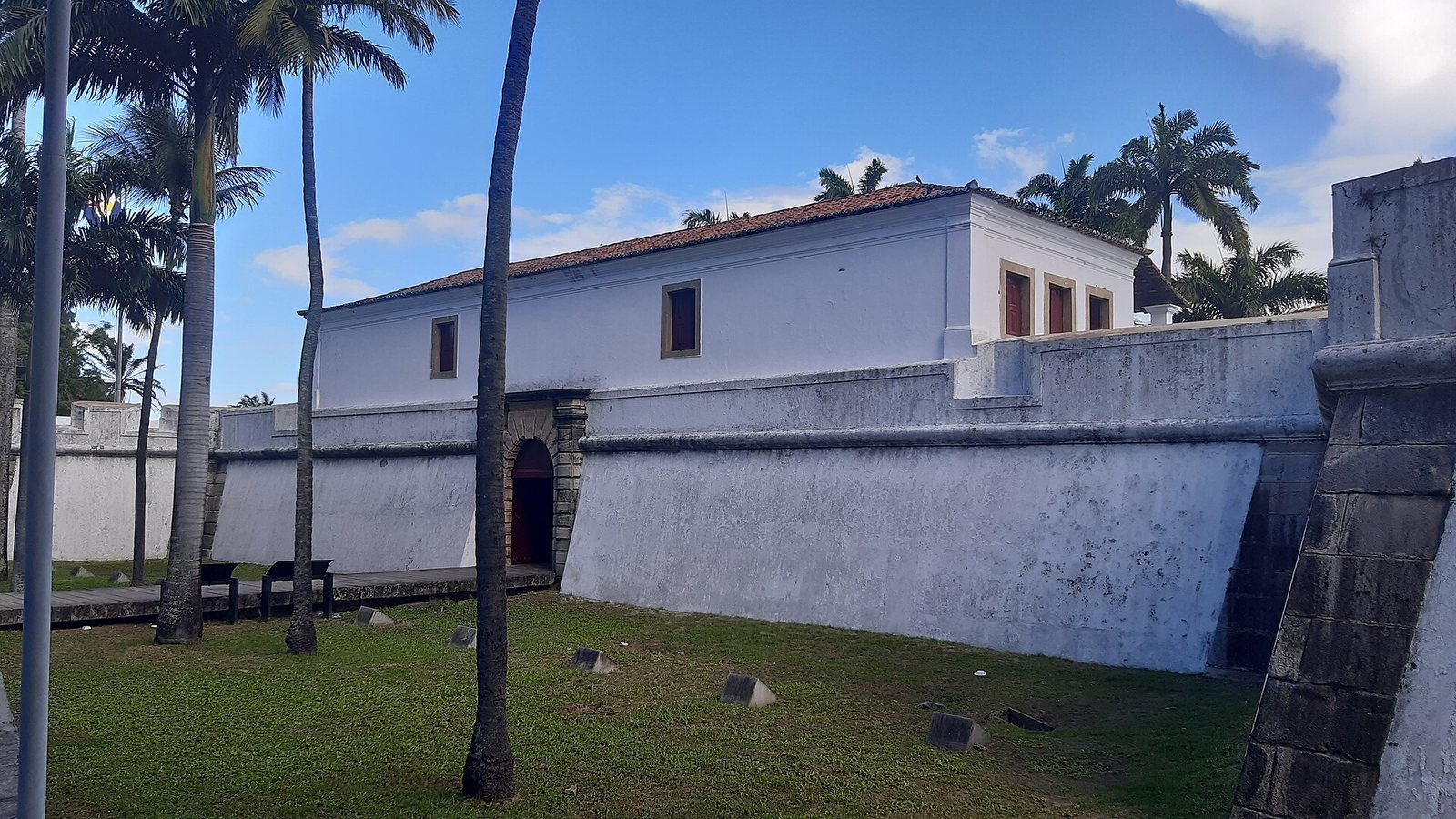
Portuguese forces retook Recife in 1654. Around 1677, they completely demolished Fort Frederik Hendrik, and a rectangular fort called Cinco Pontas took its place.
Remains
Successive fortifications
The site’s fortifications were built in succession, with a Dutch defensive work followed by a replacement on the same site.
Fort Frederik Hendrik
The Dutch fort had a five-sided plan, with a moat and a projecting outer defensive work called a hornwork. Pentagonal plans were common in seventeenth-century Dutch overseas fortifications. A mystical meaning has been proposed for the shape, though this remains uncertain. Later fort designs favored the more practical rectangular plan.
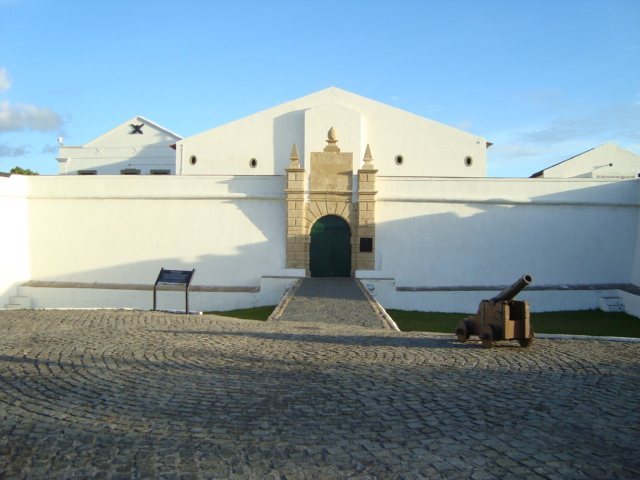
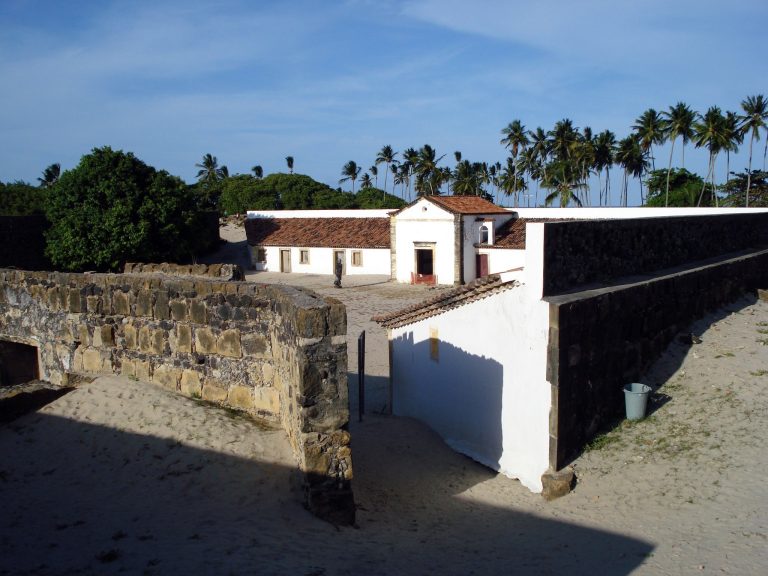
Cinco Pontas Fort
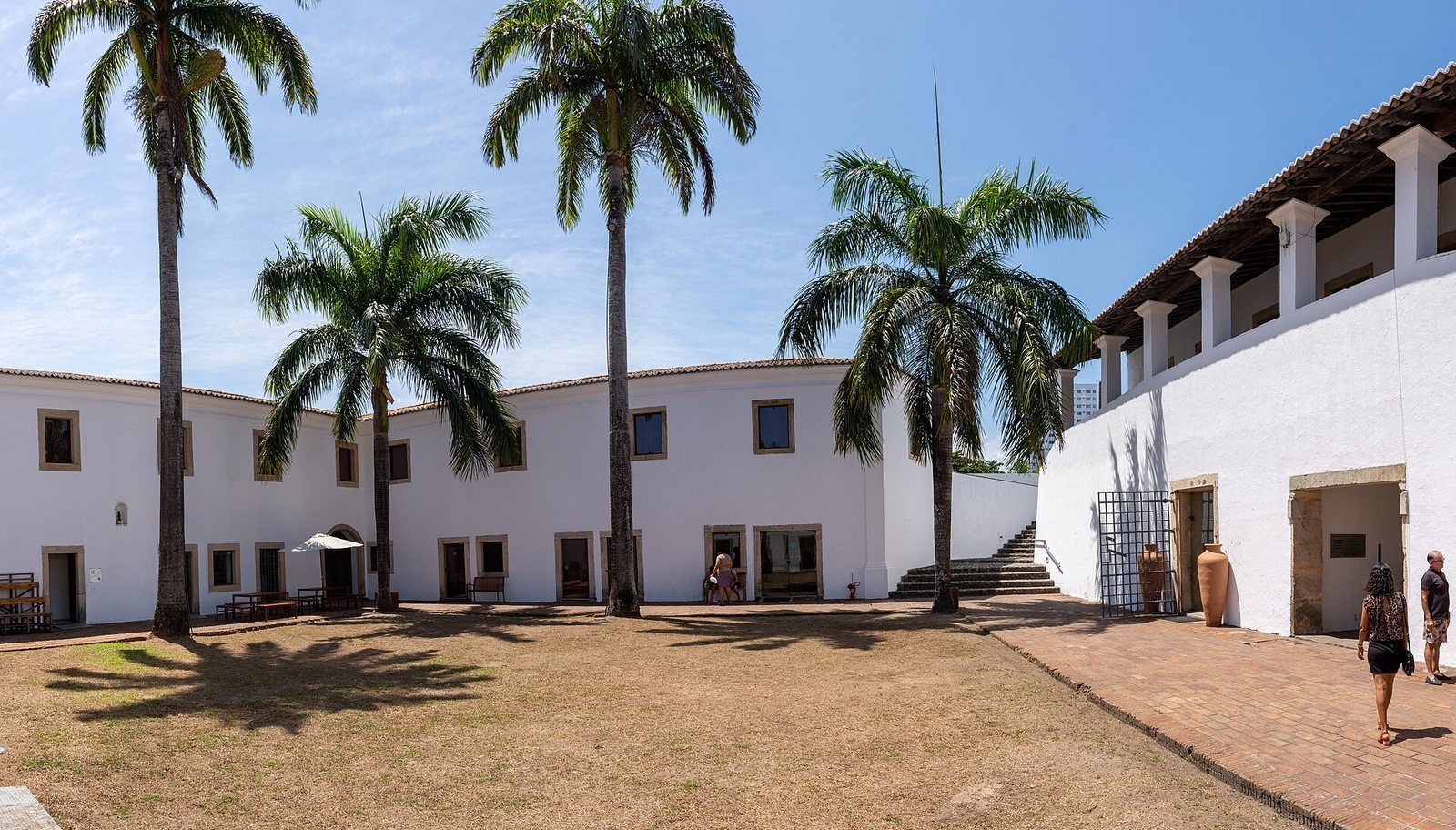
The replacement fort had a rectangular plan. Recife City Museum is housed within it.