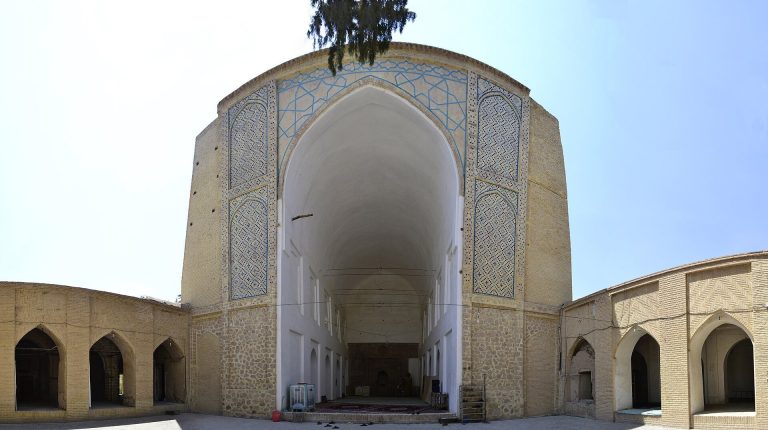
Darabgerd: An Ancient Military and Administrative Center in Fars, Iran
Site at a Glance
- Popularity
- Very High
- Country
- Iran
- Primary era
- Classical
- Eras represented
- Classical
- Civilizations
- Achaemenid
- Site type
- Settlement
- Remains
- City
On this page9 sections
History
Darabgerd was an ancient city in Iran, about 6 km from modern Darab, and a major military and administrative center in the historic region of Fars. It was one of Fars’s five administrative districts, or kuras. The district covered parts of what are now Darab, Zarrin Dasht, Fasa, Jahrom, Estahban, Neyriz, and Laristan. Its lands reached from the Persian Gulf coast toward the mountains and Iranian plateau, and included coastal territory adjoining Kerman.
Origins and early history
The city’s founding date and founder are uncertain. Tradition attributes its foundation to Darab, a legendary Iranian king. Stories give different accounts of Darab’s origins, including descent from Esfandiyar or birth to Queen Homay, followed by exposure as an infant in a chest on a river and upbringing by a washerwoman. Another tradition says Darab settled Roman captives at the city. The name is commonly understood as “the city built by Darab,” while its final element has also been interpreted as meaning “city” or “round.”
Some proposals place the city’s beginnings under the Achaemenid kings Darius I or Darius II, perhaps as a military garrison that expanded during the later Parthian period. The French archaeologist Roman Ghirshman instead placed its construction in the Parthian era. These differing possibilities leave Darabgerd’s early development unresolved.
Sasanian center
In the late Parthian period, Ardashir I rose from Darabgerd against Artabanus V, the last Parthian king, and founded the Sasanian Empire. Darabgerd remained a leading center in Fars under Sasanian rule. Fars was an important region for Zoroastrianism, an ancient Iranian religion, and was closely associated with Sasanian kingship. Early in Ardashir’s reign, Estakhr served as the imperial capital; it was later transferred to Ctesiphon. Darabgerd belonged to the province of Fars and Kerman, governed by the spahbed of Fars, a senior military commander who could also serve as a provincial governor.
Medieval rule and decline
Darabgerd and its district remained important in the medieval period. Ports in the district included Lar and Soru, while Hormozd Kohneh, near Minab, was another major port. Lar played an important part in the regional economy. A peace treaty between Hasan ibn Ali, the Prophet Muhammad’s grandson and briefly a caliph, and Muawiya, who became the first Umayyad caliph, assigned the district’s tax revenues to Hasan.
During the rule of the Salghurid dynasty in Fars, the Shabankara, a medieval regional power, gained control in Darabgerd and claimed descent from Ardashir I. Their leader Fazlawayh Hasanwayh took Fars from the Buyid ruler Abu Mansur Fulad Sutun. After Fazlawayh’s defeat, Shabankara power was restricted to eastern and southern Fars. The district came to be called Shabankara, and Shabankara rulers held power there from the fifth to eighth centuries of the Islamic era. Their capital was Ij; the district seat also moved to Darakan, south of the fortress at Ij.
Warfare involving the Shabankara and the Seljuqs brought about Darabgerd’s destruction. A new town, Darab, was founded in the late medieval period, and the “gerd” element was dropped from its name. The ruins are registered nationally as a heritage site under number 14.
Remains
Circular city plan
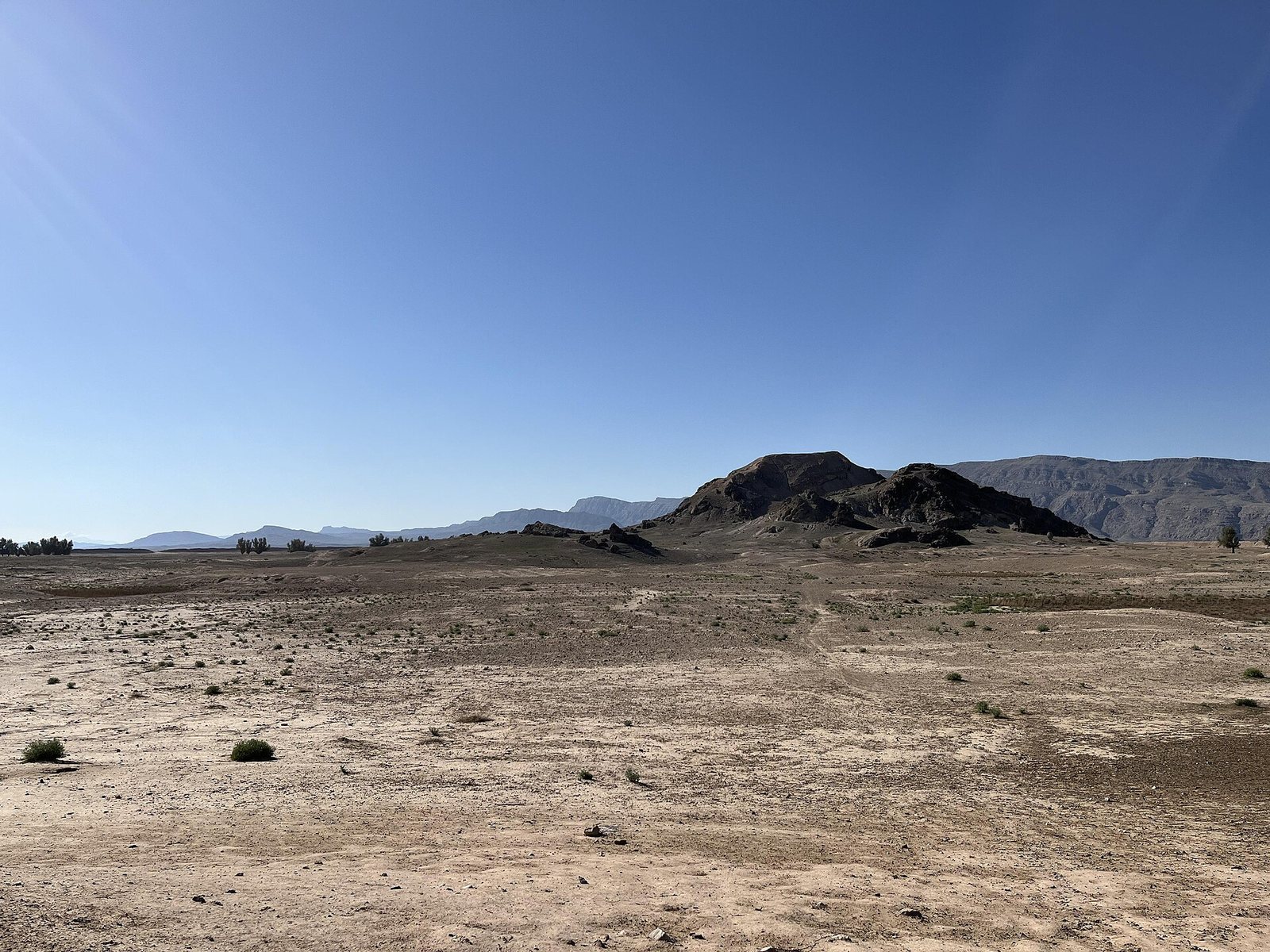
The ancient city stands beyond modern Darab and had a circular plan influenced by Assyrian military camps. Its radius was about 1,020 m, and its area about 3.2 km2. Towers, ramparts, multiple gates, and movable bridges formed part of its defenses.
Defensive works
Enclosing wall
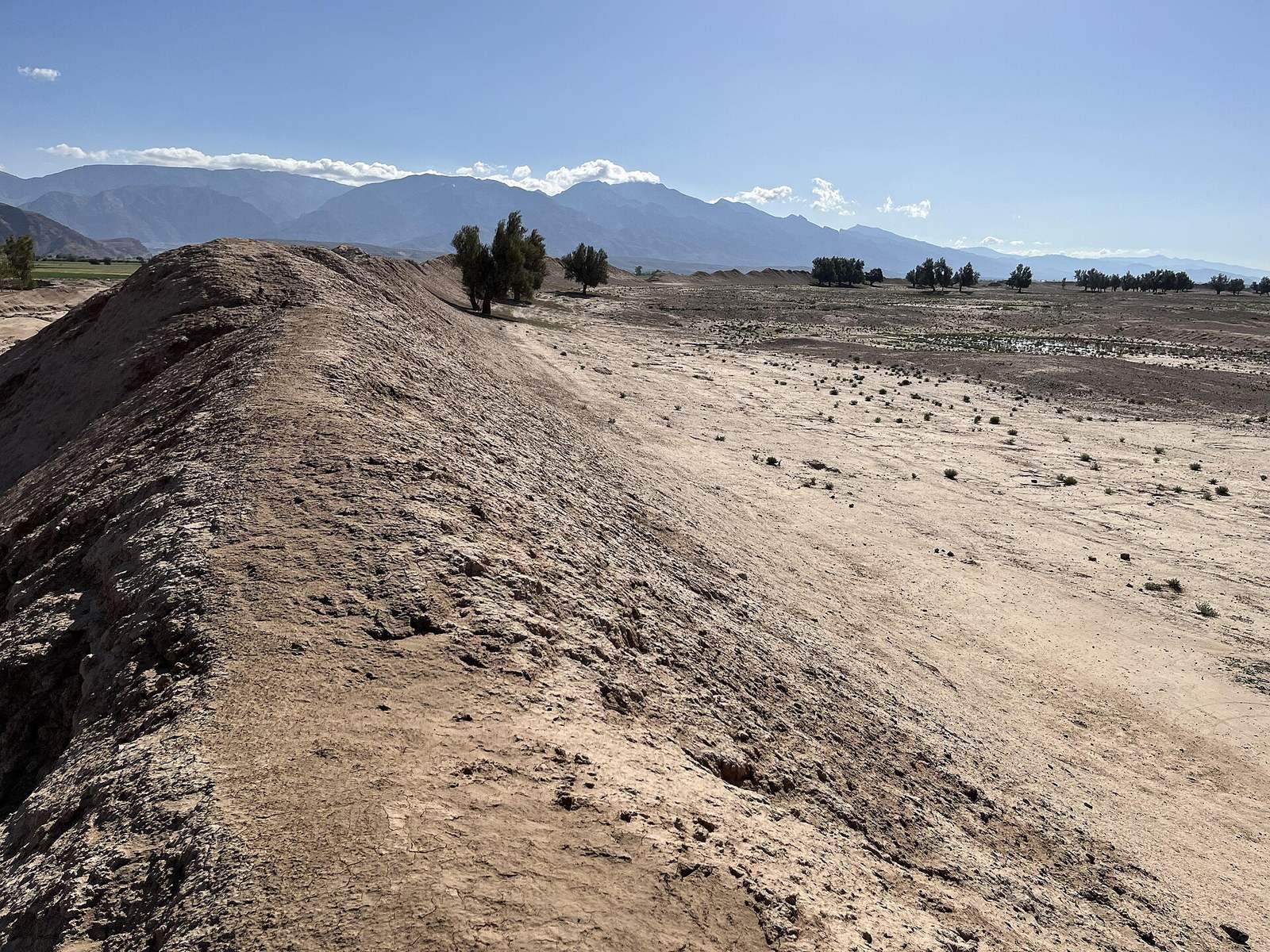
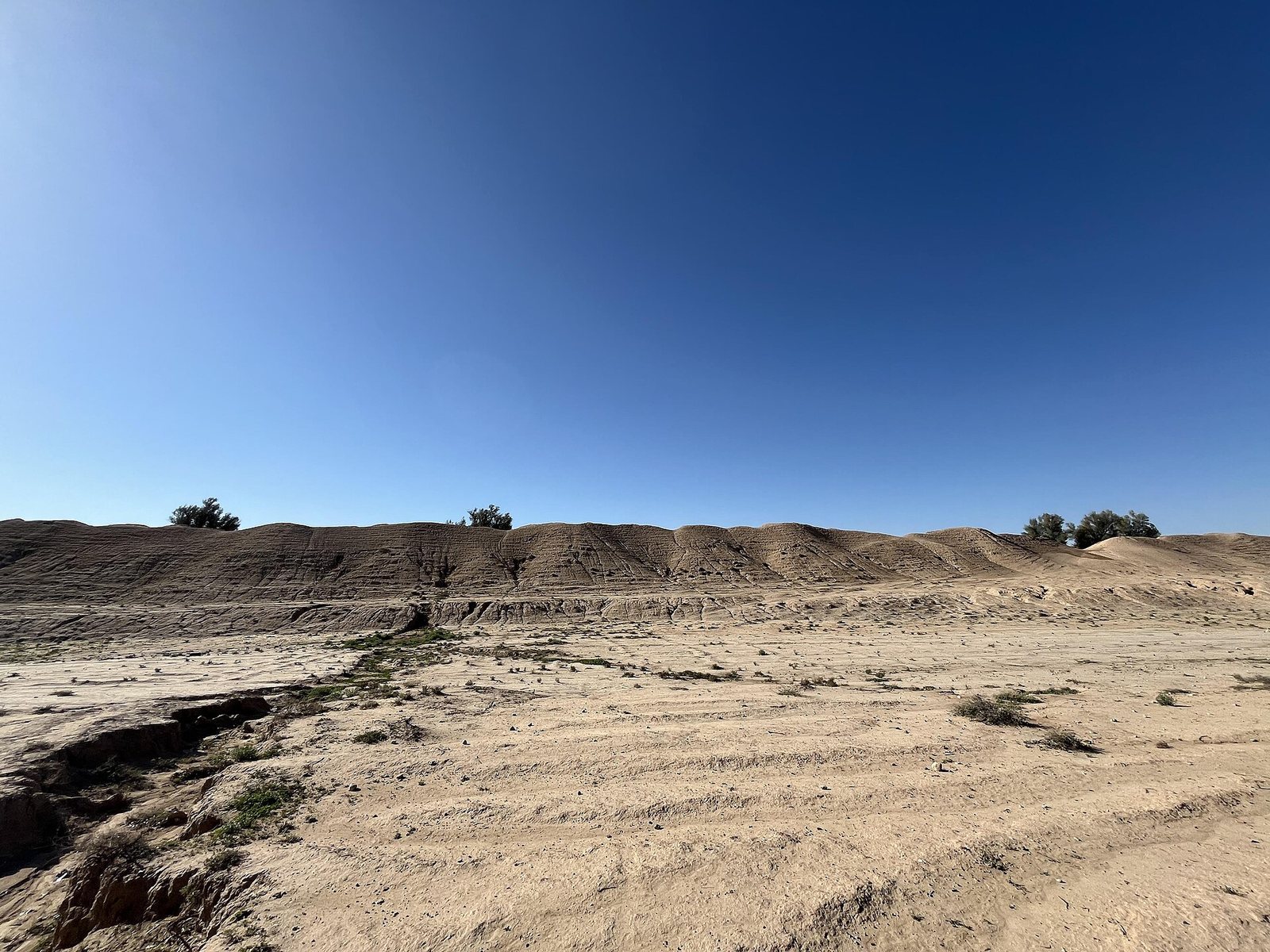
A conical defensive wall of clay, stone, and lime mortar enclosed the city. It extended for about 6,400 m. Once more than 10 m high, it now stands about 7 m high. A binding ingredient in the mortar is credited with helping the wall endure for more than 2,600 years.
Moat
A water-filled moat ran around the wall. Rivers including the Rudbal supplied it, and it was tens of metres wide. Plants growing in the water were thought to make it harder for attackers to swim across.