Dominican Convent in Colmar: A Gothic Church and Religious Complex
Site at a Glance
- Popularity
- Medium
- Country
- France
- Primary era
- Medieval
- Eras represented
- Medieval, Early Modern
- Civilizations
- French, Holy Roman Empire
- Site type
- Religious
- Remains
- Church
On this page7 sections
History
Foundation and construction
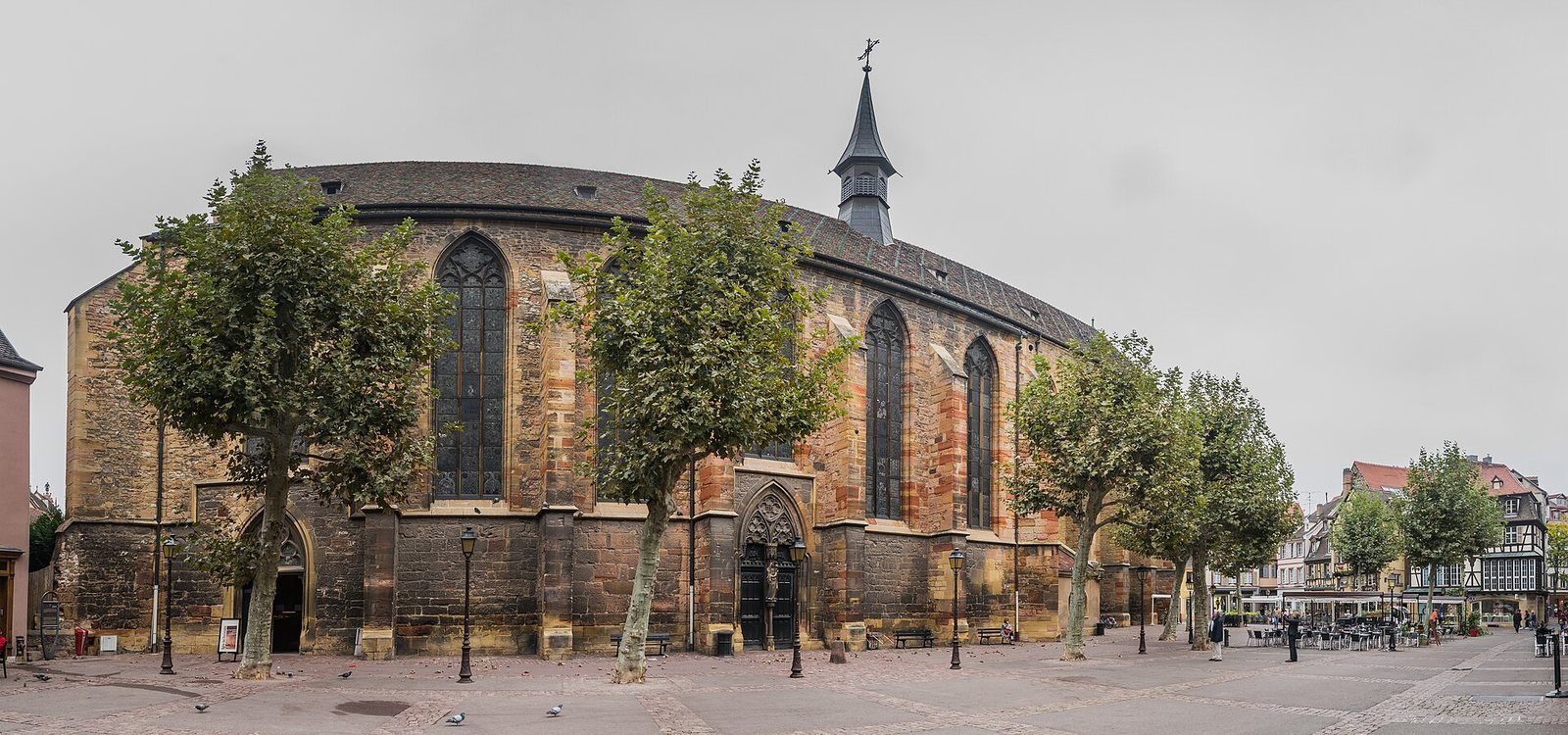
The Dominican Convent in Colmar, France, is a religious complex whose church, built in the medieval Gothic style, was begun around 1289 for the Dominican Order of Preachers, a Catholic mendicant order. The Dominicans had arrived in Colmar around 1260. The choir was completed before 1300; work on the nave began in the early 14th century and was finished in 1346. Rodolphe de Habsbourg, the French name for Rudolf I of Habsburg, a 13th-century king of Germany, is named as the architect.
Fire, art, and changing uses
A fire in 1458 damaged the church roof and cloister, which required repairs. Around 1475, an altarpiece, a decorated work made for an altar, was created under Martin Schongauer’s direction for the Dominicans. It is now in the Unterlinden Museum. Baroque additions in 1720, using the elaborate forms and decoration associated with that style, gave the church a less austere appearance.
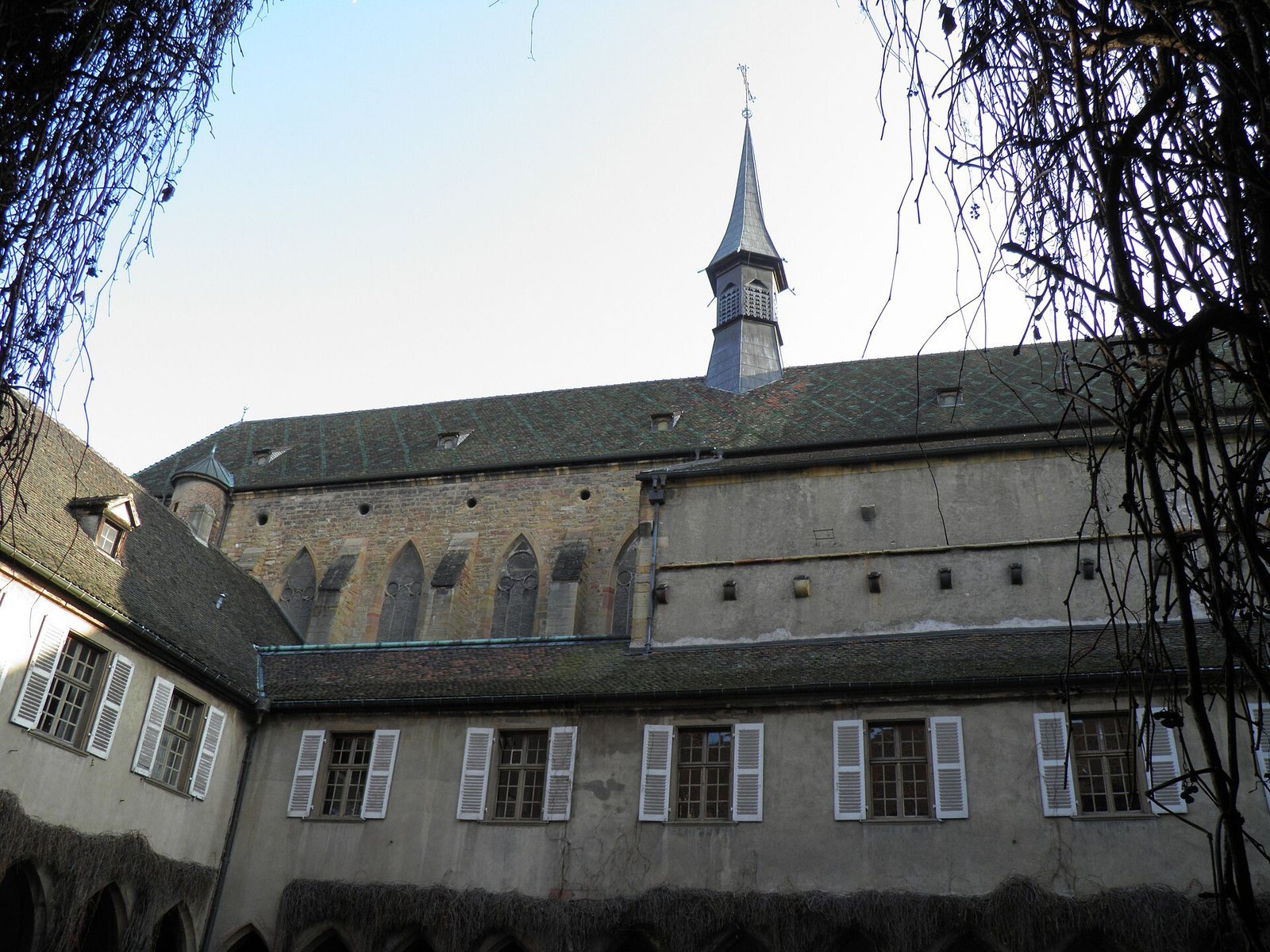
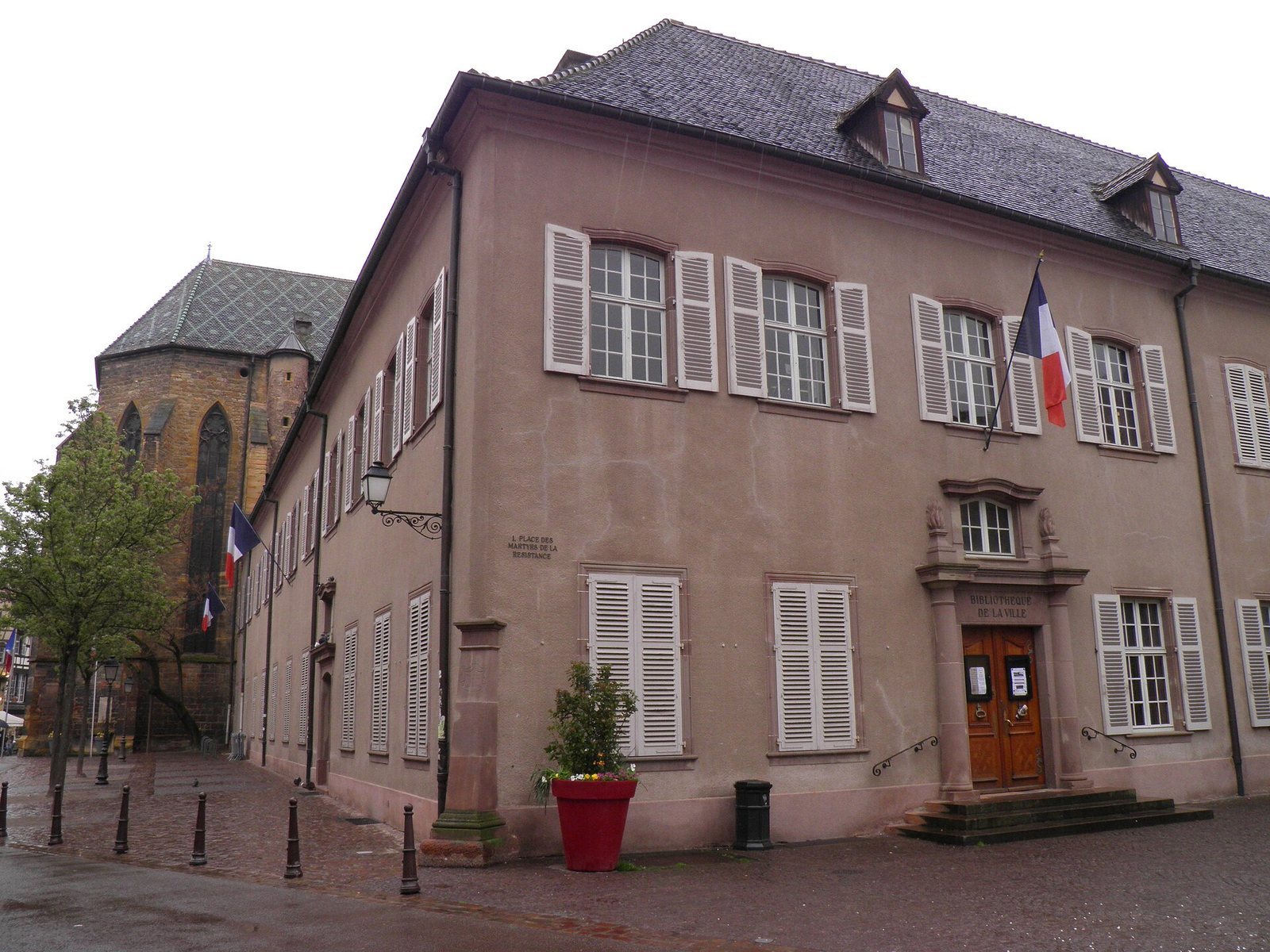
During the French Revolution, the church was converted into an artillery store. The municipality, which owns the church, bought it in 1807 for use as a grain market. After serving secular purposes during the 19th century, it returned to worship in 1898. The convent buildings were rebuilt in the 18th century. They served as gendarmerie barracks from 1795 to 1871, then as a teacher-training school from 1873 to 1940, and have housed the municipal library since 1951.
Modern preservation
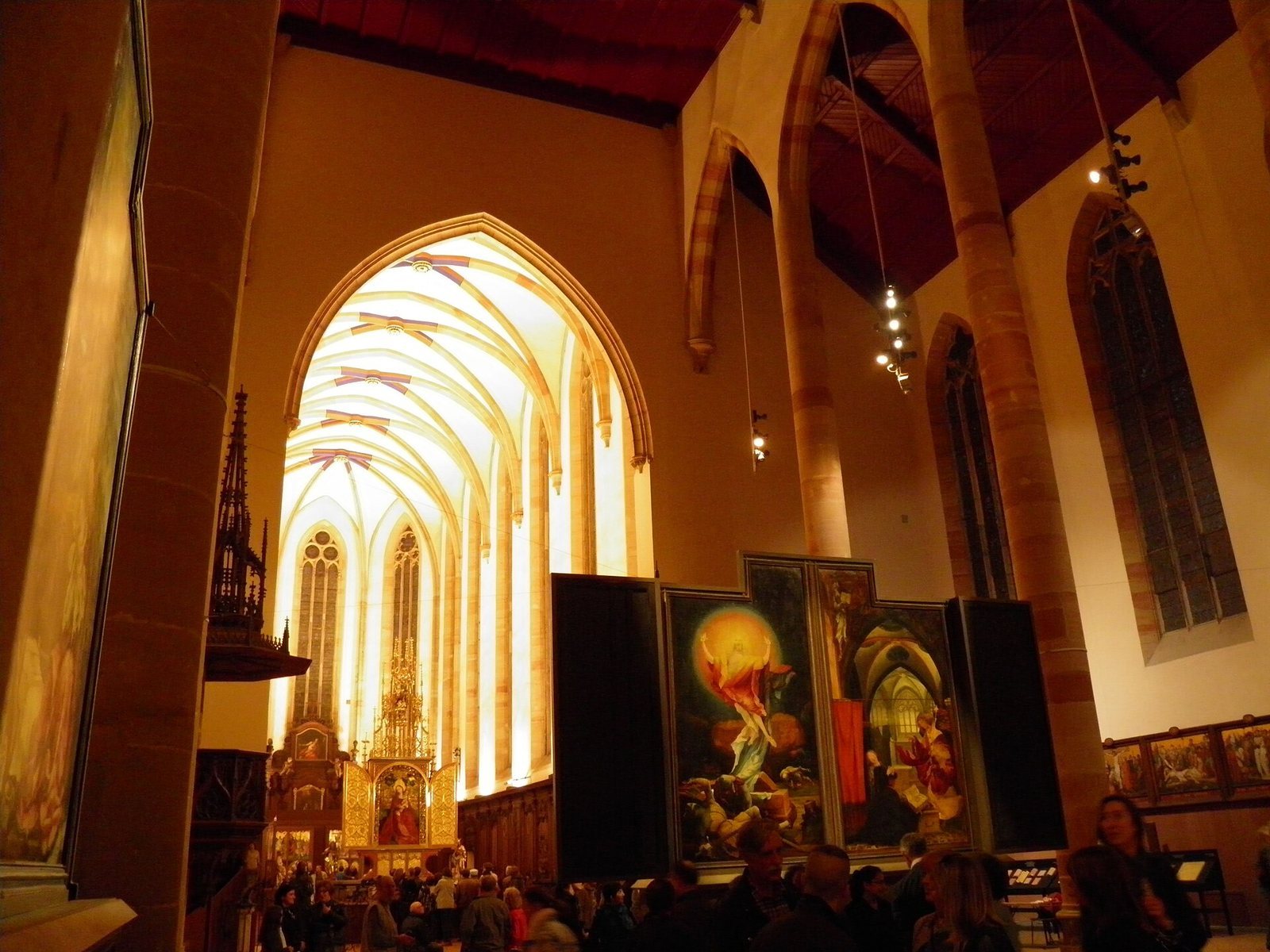
In 1973, the church took ownership of Martin Schongauer’s Madonna in the Rose Bower, which had previously been displayed in the collegiate church of Saint Martin. The church and cloister were classified as French historic monuments in 1948, and restoration work took place during the 1980s and 1990s.
Remains
The church
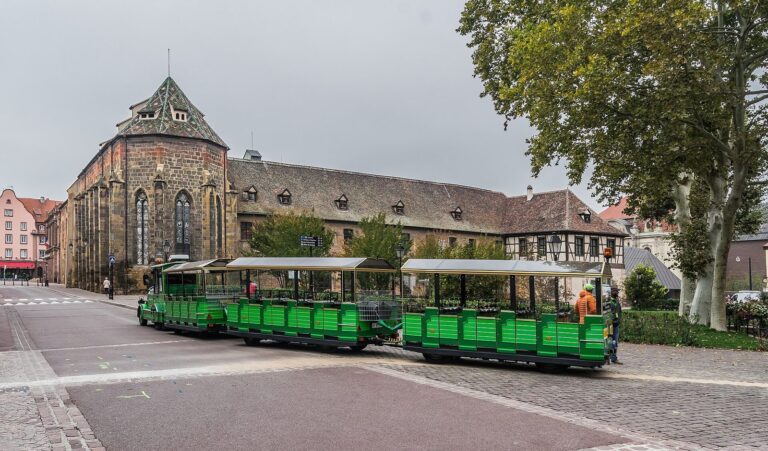
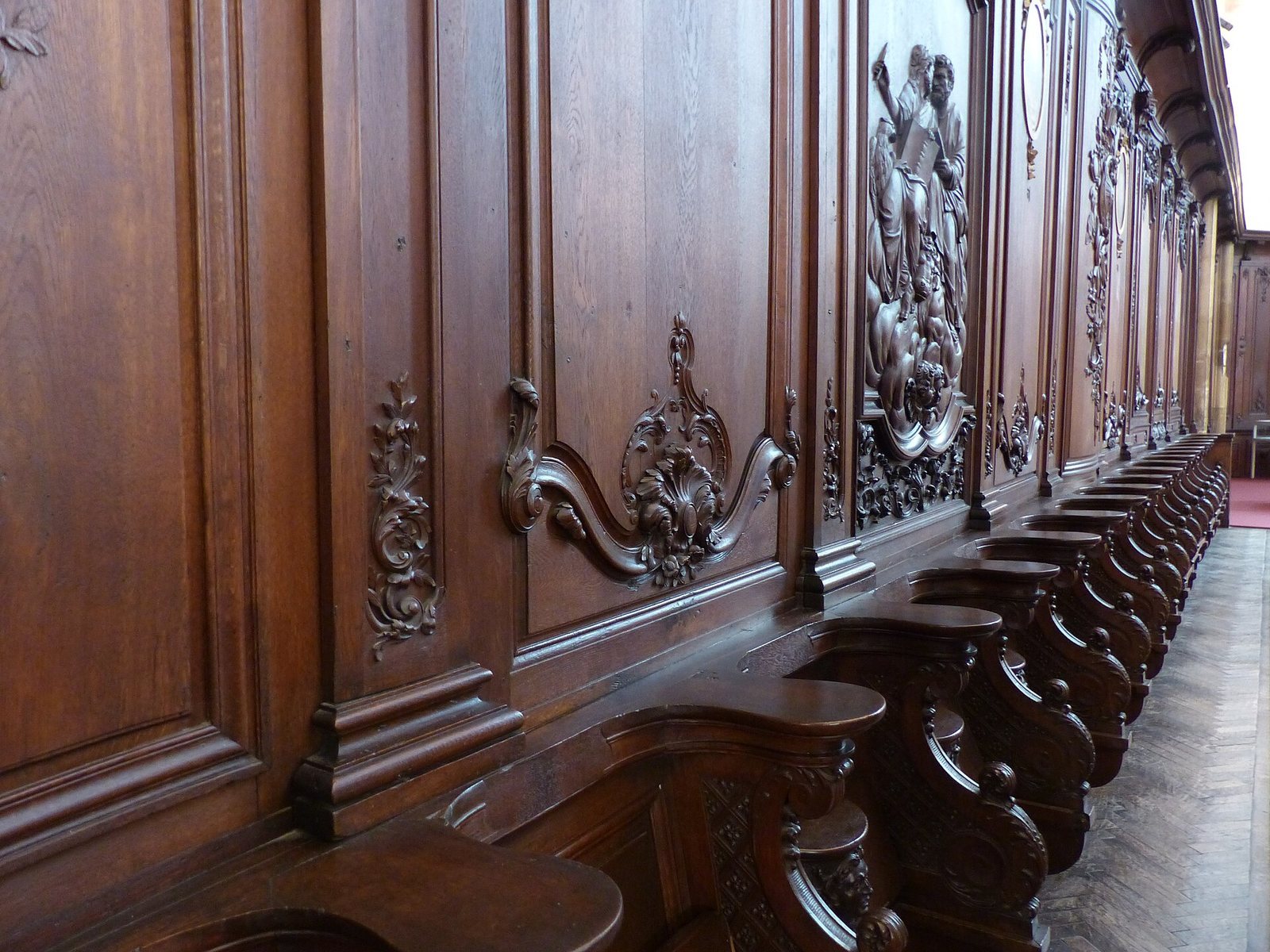
On Place des Dominicains, the Gothic church has a nave of six structural sections, or bays, and a vaulted choir of five bays, the area used by clergy for services. The choir ends in a five-sided apse, a projecting section that forms part of an octagon. Slender columns without capitals support a wooden ceiling, and the interior is austere yet bright. Stained-glass windows from the 14th and 15th centuries depict scenes from the life of Christ. The choir also contains 17th-century stalls and Schongauer’s Madonna in the Rose Bower, painted in 1473 and considered his most important surviving work.
Cloister and convent buildings
The 13th-century cloister is the oldest part of the complex. Its arcades enclose an irregular rectangle, and late-15th-century wall paintings depict the Passion, the events of Jesus’ suffering and death. The conventual buildings date to around 1300 and form part of the same complex.