Castel di Poggio: A Medieval-Style Castle and Estate in Fiesole
Site at a Glance
- Rating
- 4.7
- Popularity
- Medium
- Country
- Italy
- Primary era
- Medieval
- Eras represented
- Medieval, Modern
- Civilizations
- Republic of Florence
- Site type
- Domestic
- Remains
- Castle
On this page7 sections
History
Castel di Poggio is a castle in Fiesole, Italy, whose medieval complex was destroyed in 1348 by the Signoria of Florence, the city’s governing body, to eliminate the Manzecca family’s fief, a territory held under feudal lordship.
Destruction and aristocratic rebuilding
The Alessandri family bought the remains in 1469 and rebuilt the property as an aristocratic residence. In the seventeenth century it passed first to the Girolami and then to the Bonaccorsi. After the Bonaccorsi family went bankrupt, the Marucelli took ownership.
Later transformations
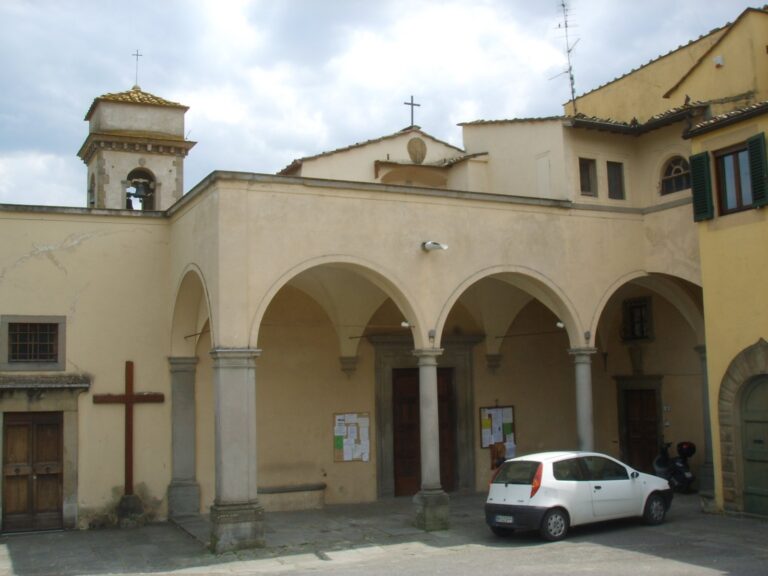
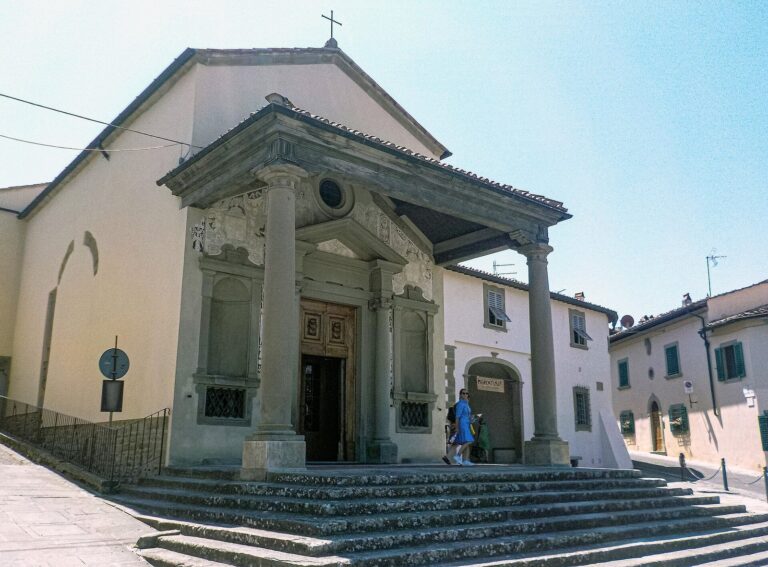
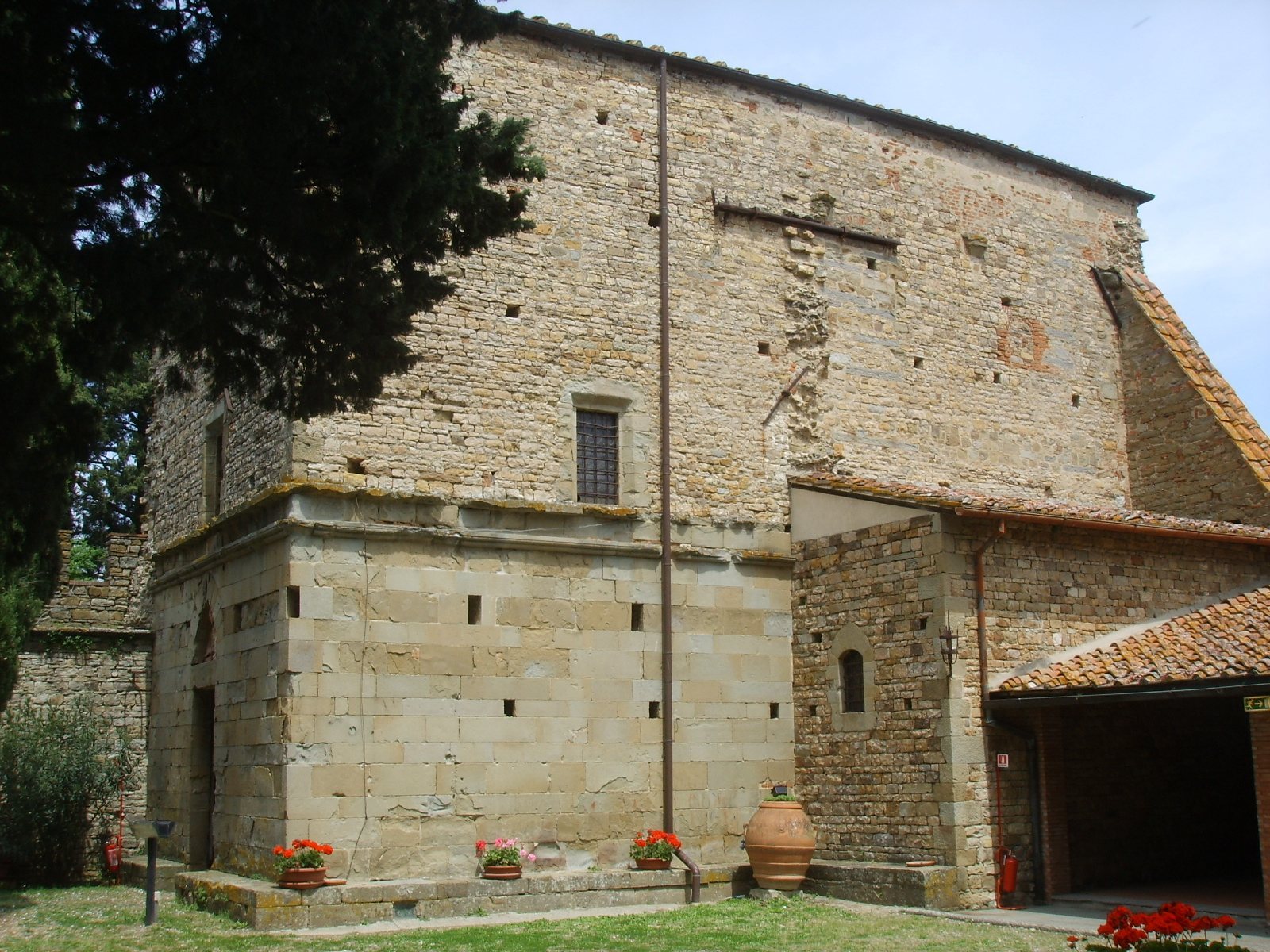
A chapel plaque records that the property belonged to the Brunaccini from 1826, followed by the Mantellini, the Casini, and finally the Forteguerri. The most substantial changes took place under the Forteguerri, when the estate became a rustic fortress. Most of the present building dates to a late-nineteenth-century reconstruction in medieval style, which recreated the complex destroyed in 1348.
Recent stewardship
The Baduel family, the castle’s last owners, bequeathed it to a foundation that continues to administer it as a cultural centre. Extensive architectural and landscape restoration in 2025 aimed to preserve historic features while adapting the property for contemporary use. Under new management, it was directed chiefly toward private events, including weddings, receptions, and ceremonies.
Remains
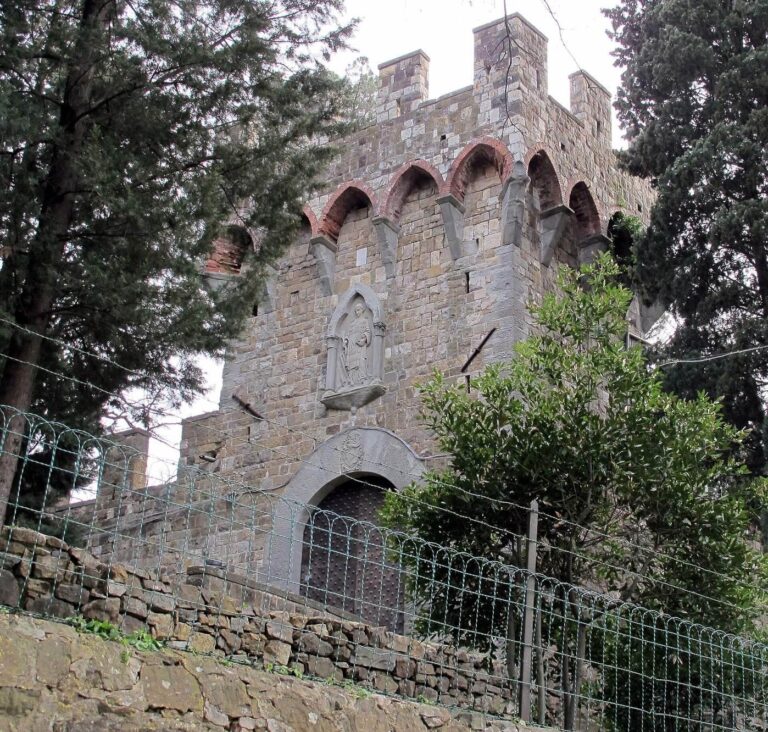
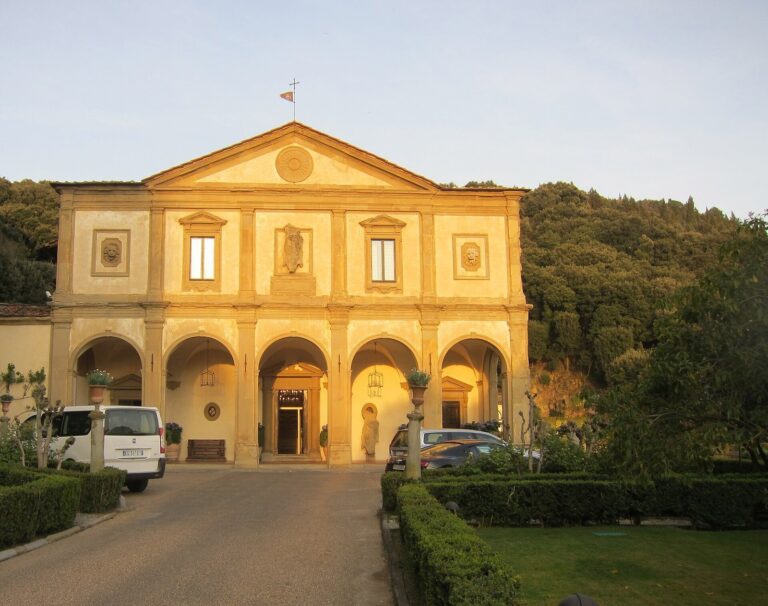
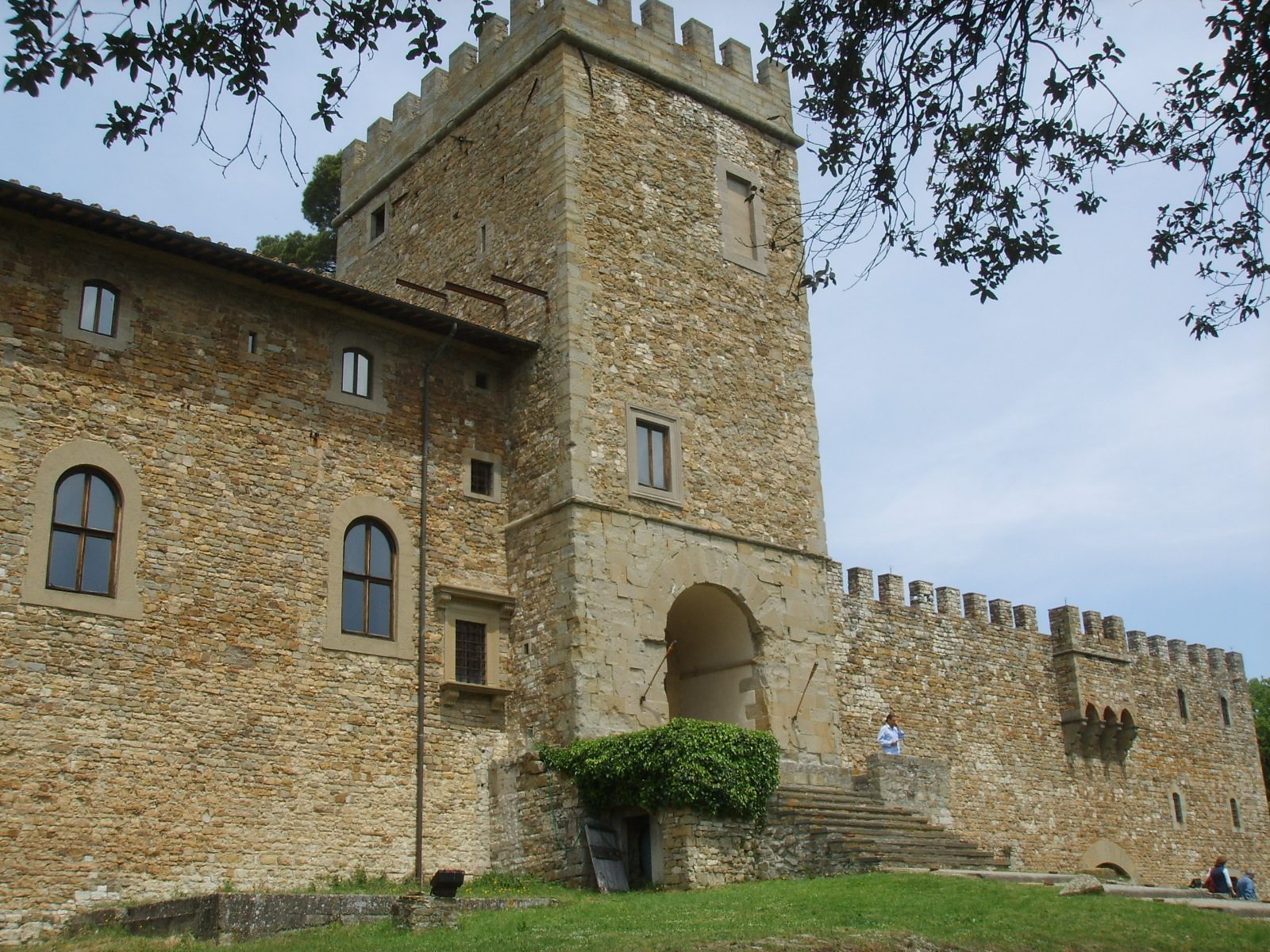
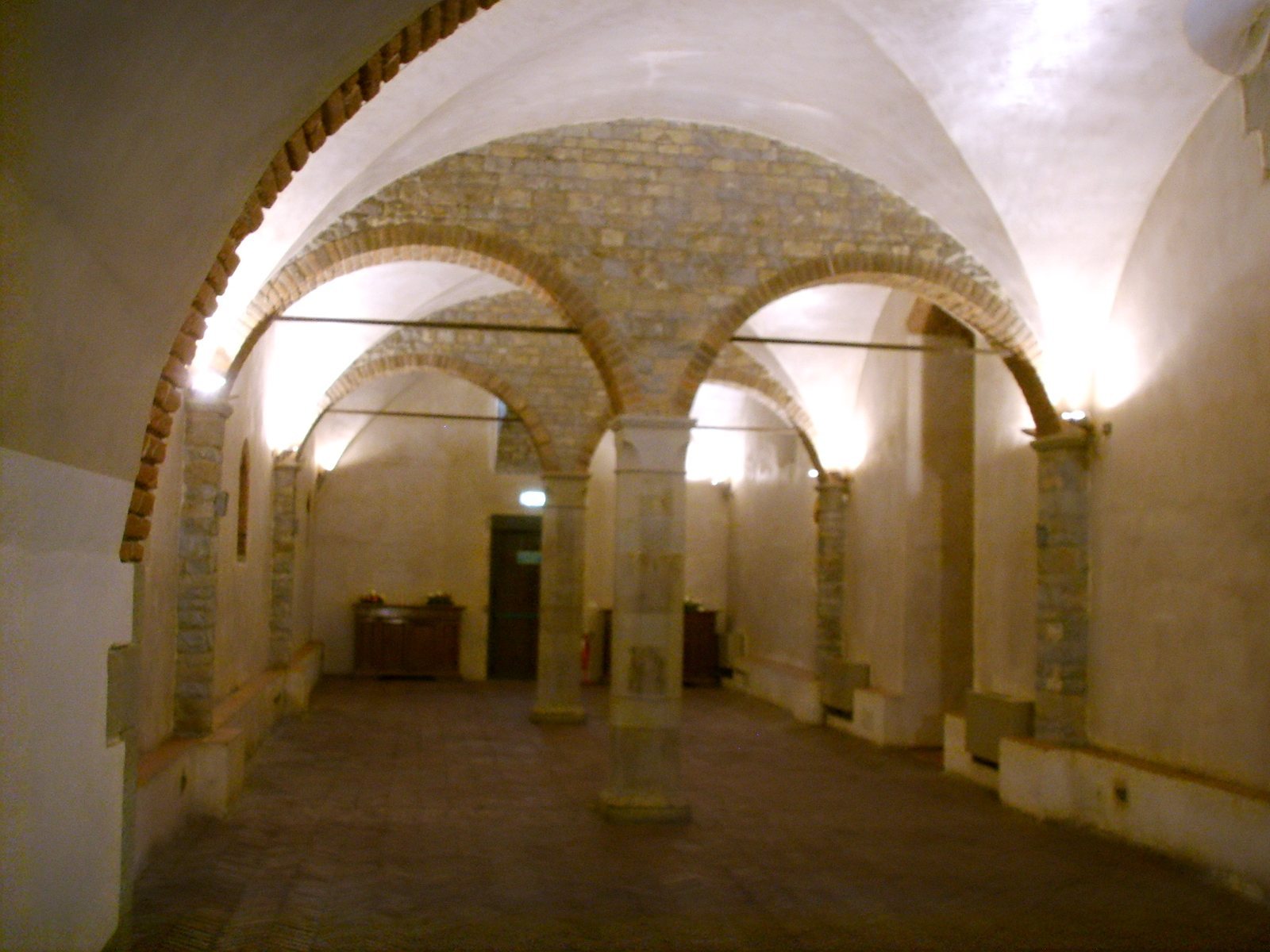
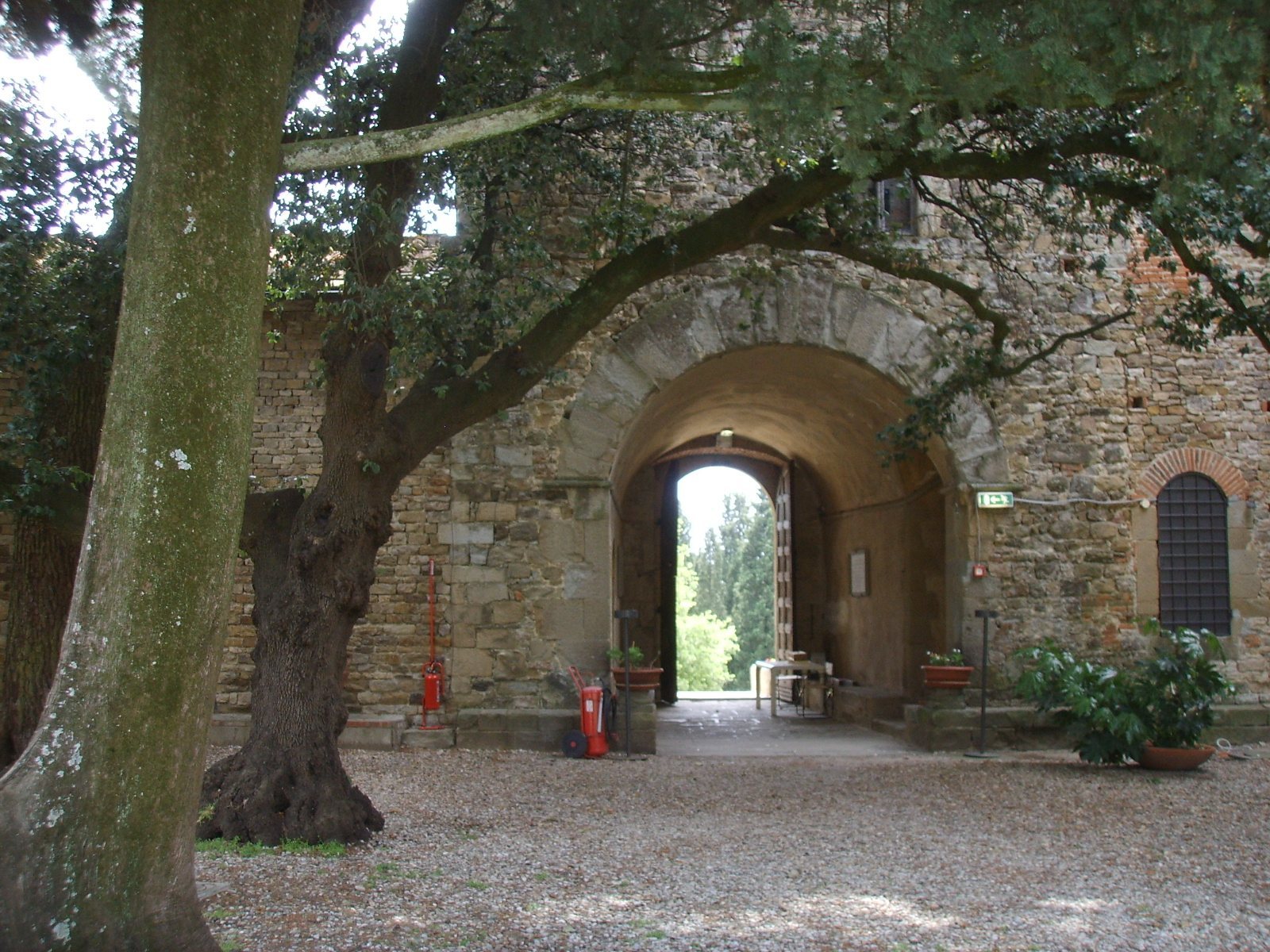
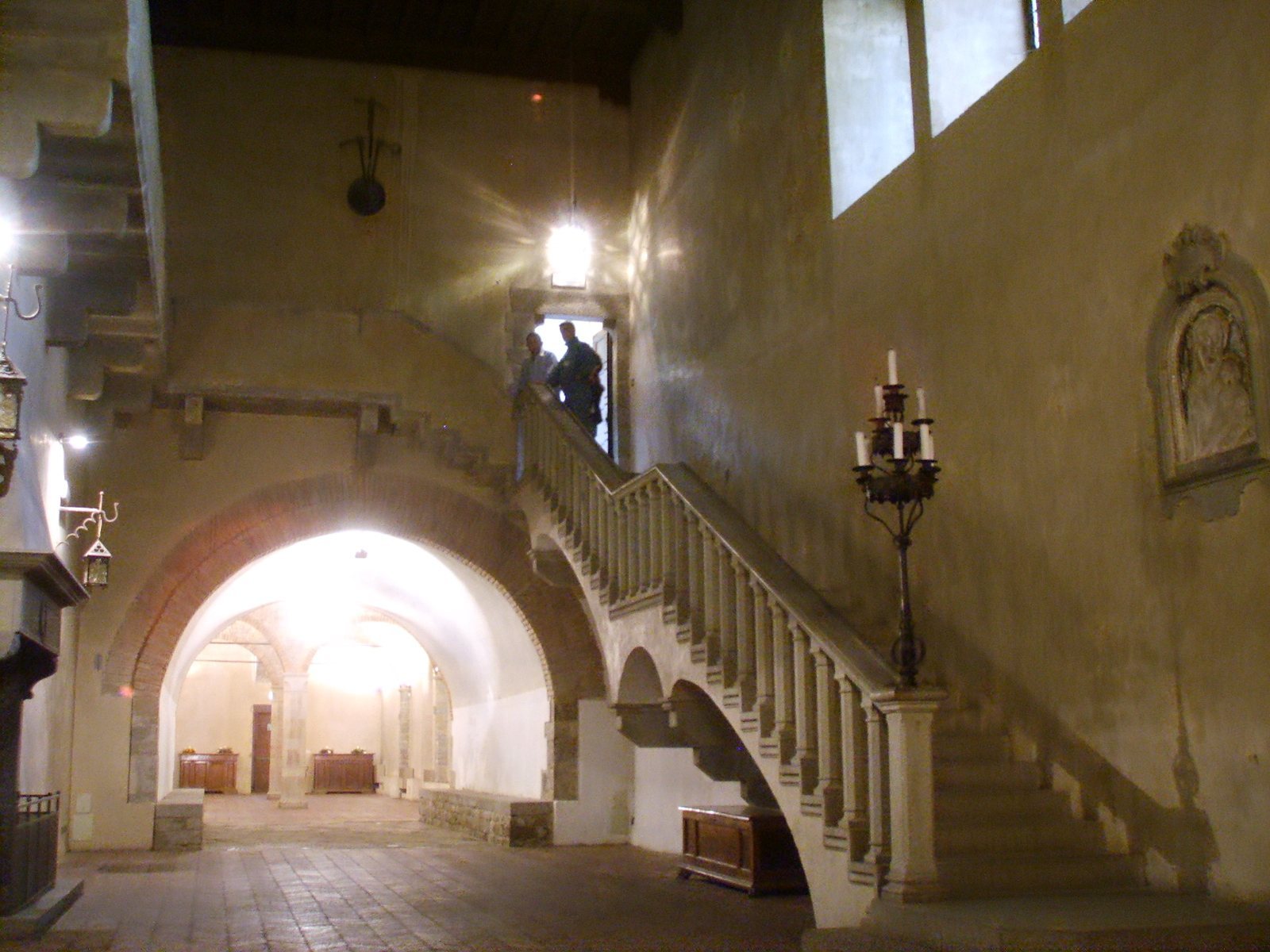
The property combines a medieval-style castle ensemble with modern buildings. Its surviving features include one original tower, a grass-covered courtyard, and extensive woodland within the estate.
Castle and courtyard
Only one tower is original; its crenellations were reconstructed. Modern buildings blend with the older fabric to form a unified ensemble. The courtyard is laid to grass and shaded by scattered pines and cypresses.
Woodland grounds
The surrounding woodland contains holm oaks, chestnuts, oaks, and cypresses. The grounds also include statues and olive groves maintained as lawns.