Bisotun Old Caravanserai: The Ruins of a Sasanian Palace
Site at a Glance
- Popularity
- Medium
- Country
- Iran
- Primary era
- Classical
- Eras represented
- Classical, Medieval
- Civilizations
- Sassanid
- Site type
- Domestic
- Remains
- Palace
History
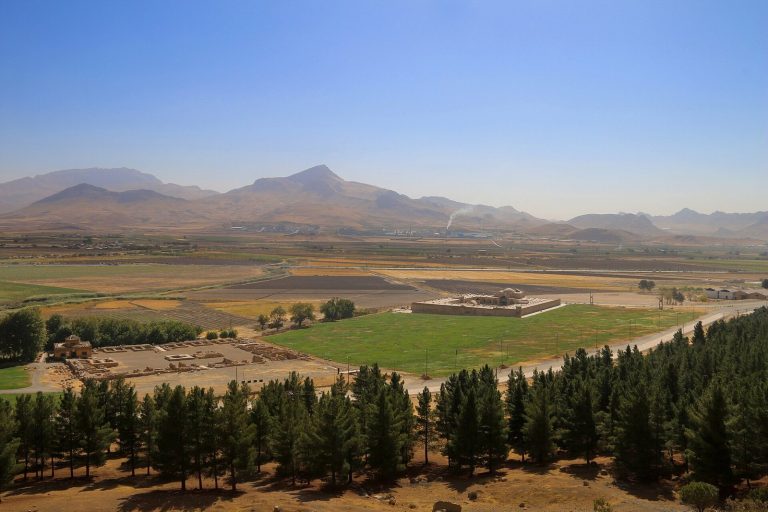
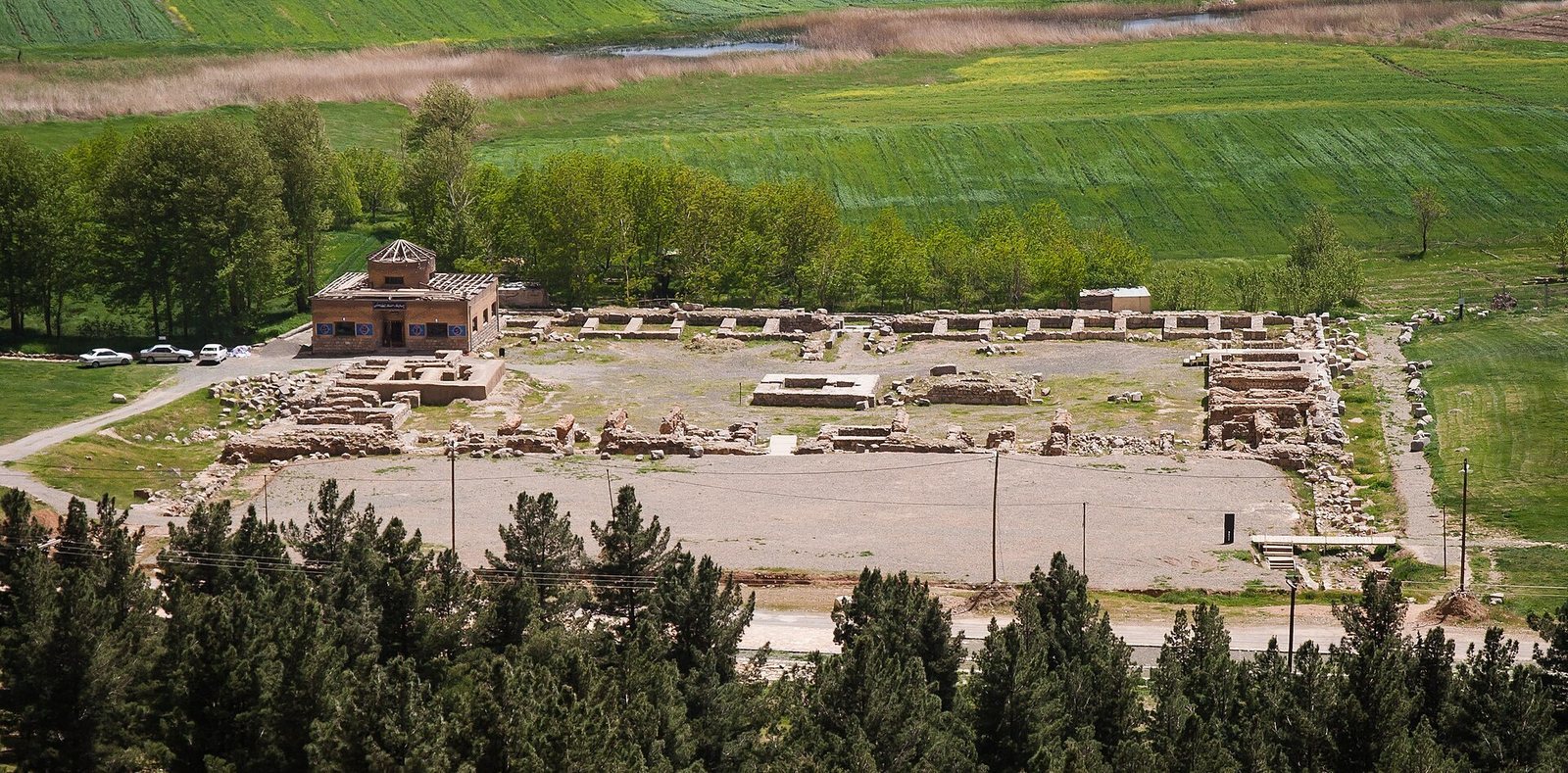
Known as Bisotun Old Caravanserai, this ruined palace stands at Bisotun, about 20 kilometres from Kermanshah, Iran. It is identified as a Sasanian palace commissioned by Khosrau II, a Sasanian king who ruled from 590 to 628. The Sasanians ruled the Persian Empire before the Muslim conquest of Persia. The palace is dated to the 7th century, while its architectural traditions are also described as Ilkhanid, referring to the Mongol dynasty that ruled Iran in the 13th and 14th centuries; the palace is also associated with the 14th century.
Persian tradition associated the palace with Shirin, Khosrau II’s wife. Early Islamic geographers recorded this connection, which later stories and myths developed further. Shirin became a heroine of Persian literature, including the Shahnameh, or “Book of Kings.”
In 2002, the palace was designated Iranian national heritage. It is also included within the UNESCO World Heritage Site of Bisotun.
Remains
Palace and Setting
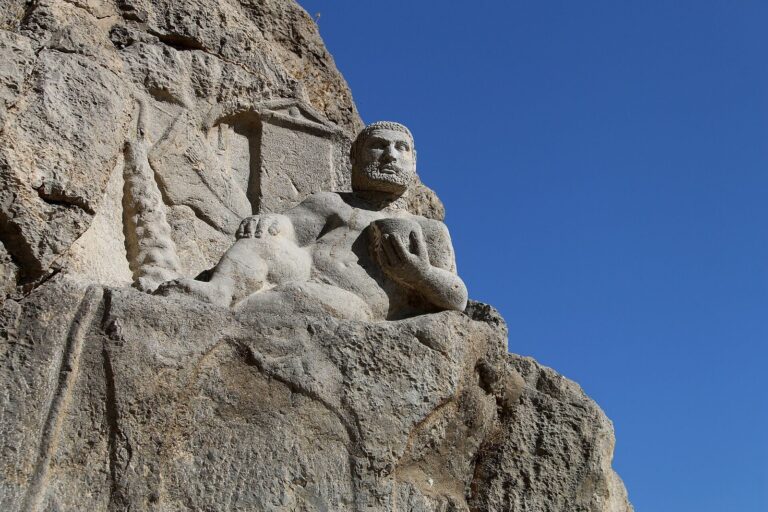
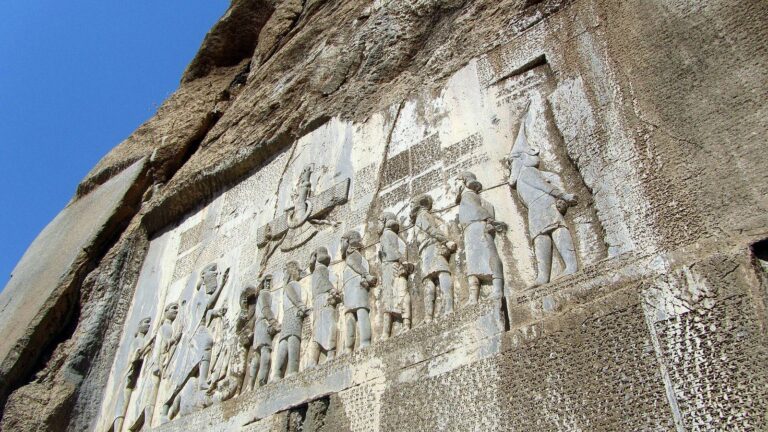
The palace survives in ruins as a square stone structure, measuring 80 metres on each side and covering 6,400 square metres. It faces a cliff across an ancient road that runs between Behistun Mountain and Behistun Lake. The cliff bears the older Behistun inscription and rock reliefs. Written in cuneiform, an ancient writing system, the inscription later played an important part in deciphering cuneiform.