Wartensee Castle: A Historic Residential Complex in Switzerland
Site at a Glance
- Popularity
- Medium
- Country
- Switzerland
- Primary era
- Medieval
- Eras represented
- Medieval, Early Modern, Modern
- Civilizations
- Holy Roman Empire, Swiss
- Site type
- Domestic
- Remains
- Castle
On this page5 sections
History
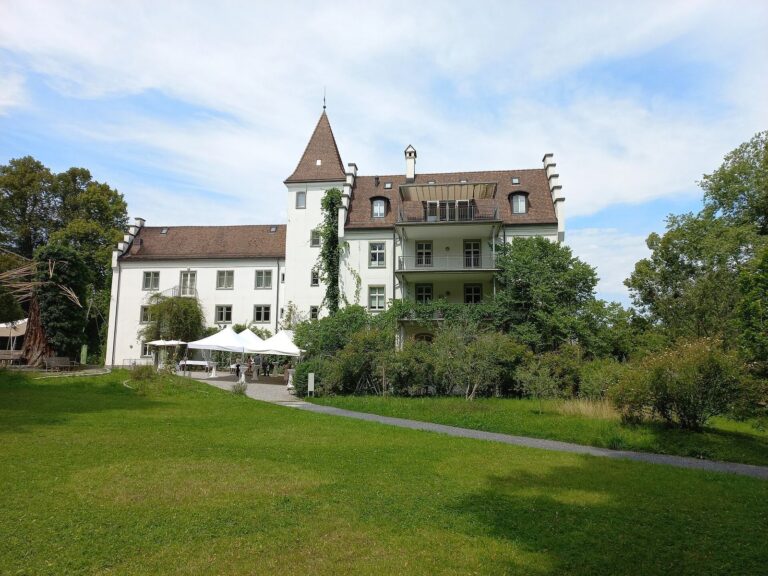
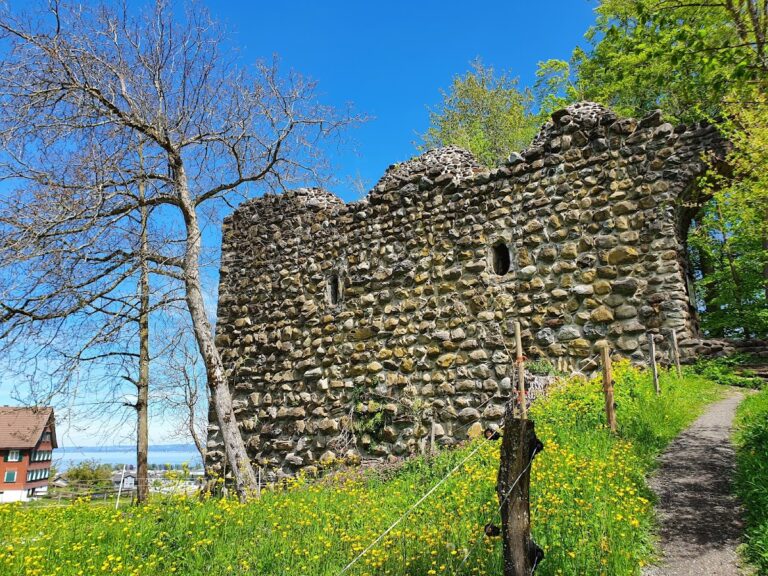
Wartensee Castle is a historic building complex in Rorschacherberg, Switzerland. Its earliest phase began in 1243, when the knight Heinrich von Wartensee built a residential tower on the western side.
Medieval and early modern ownership
In 1377, two female descendants of Heinrich von Wartensee passed the tower through their marriages to the brothers Walter and Diethelm Blarer of St. Gallen. The Blarer von Wartensee family owned the property until 1719, when it was sold to Kaspar Jakob Segesser von Brunegg. In 1757, Segesser’s sons Franz Josef, a chamberlain at the Bavarian electoral court, and Franz Anton, chief stablemaster at Baden-Baden, sold Wartensee to the Abbey of St. Gall. The abbey was a Benedictine monastery, an important religious institution in eastern Switzerland.
Nineteenth-century changes
Between 1843 and 1853, a son of the English composer Robert Lucas Pearsall de Willsbridge carried out alterations to the castle.
Educational, church, and hotel use
After further changes of ownership, the Ostschweizerische Evangelische Heimstätte Schloss Wartensee association acquired the property in 1955 and used it as an educational center. In 1984, it passed to the Evangelical Reformed Church of the Canton of St. Gallen. Following extensive renovations in 1994–1996, the church operated it as a conference and meeting center until the end of 2011.
On 11 March 2012, eligible voters in Rorschacherberg approved rezoning the property as a green zone. It was sold to a private organization in the summer of that year and reopened as Schloss-Hotel Wartensee in 2013. The castle is now privately owned and used as a hotel.
Remains
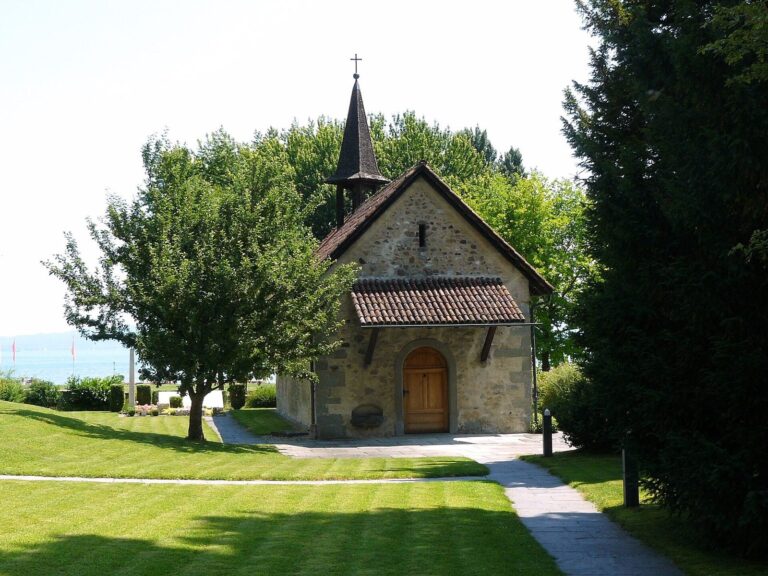
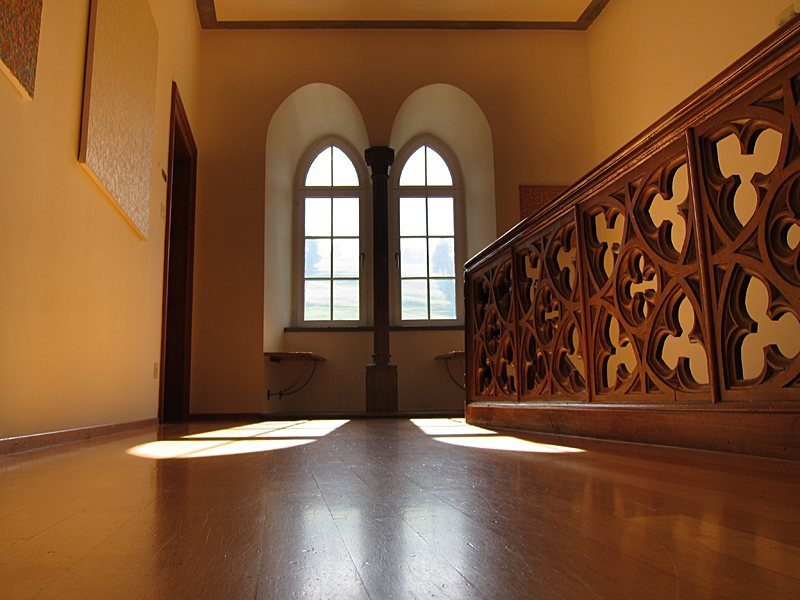
Wartensee is a historic building complex whose earliest form was a western residential tower. It later developed into a three-part residential complex. Alterations gave the building its neo-Gothic character, a nineteenth-century revival style inspired by medieval Gothic architecture, and the castle is surrounded by a park.