Jaugada: A Mauryan Fortified Capital in Odisha
Site at a Glance
- Popularity
- High
- Country
- India
- Primary era
- Classical
- Eras represented
- Classical
- Civilizations
- Mauryan
- Site type
- Military
- Remains
- Fort
On this page5 sections
History
Jaugada, also known as Jaugarh, is a ruined fortress in Ganjam district, Odisha, India, at the site of ancient Samapa. Under Mauryan rule, it served as a fortified provincial capital in Kalinga, an ancient region of eastern India that had recently been conquered. Around 250 BCE, Ashoka, the Mauryan emperor, had rock edicts inscribed at Jaugada.
J. D. Beglar described the fortifications in the later nineteenth century. In 2001, a team from the University of Heidelberg became the first to document the site.
Remains
Fortified enclosure
The ruined fortress had a moat and walls. Earth-built towers stood at all four corners and on both sides of each of its eight entrances, surrounding a compound with a central rock.
Rock inscriptions
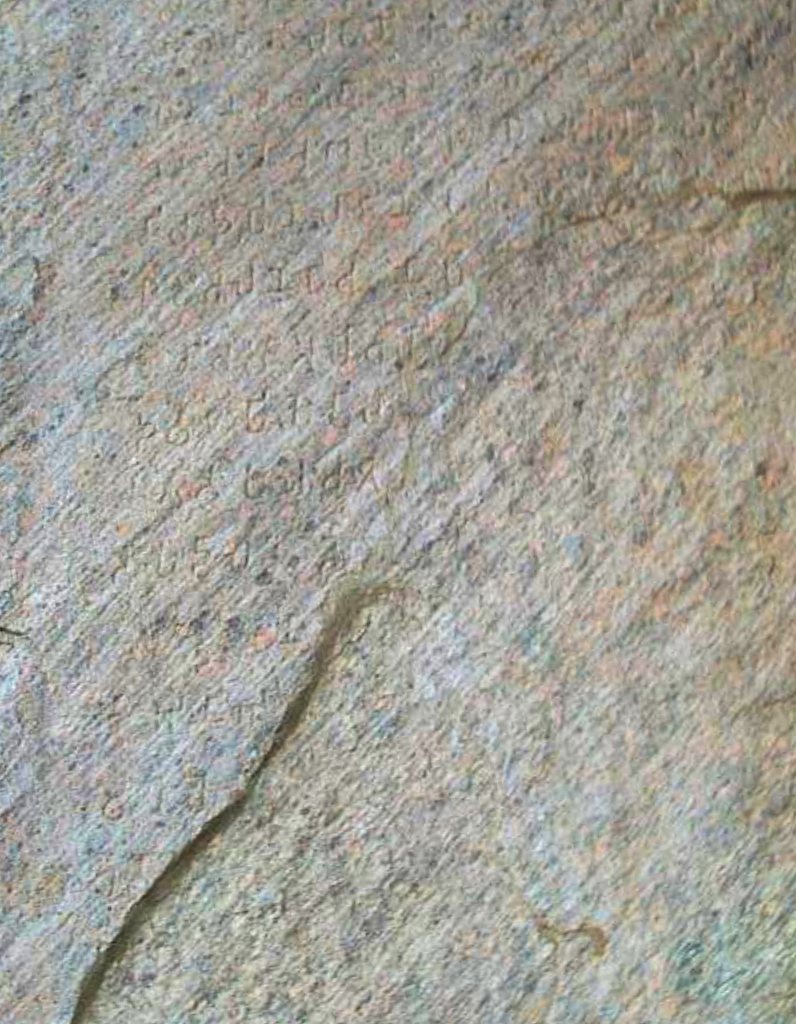
The central rock bears Major Rock Edicts 1–10 and 14, along with Separate Edicts 1 and 2. The Major Rock Edicts are numbered royal proclamations, while the Separate Edicts are additional proclamations outside that series. Cut into the stone and written in Prakrit, a group of Middle Indo-Aryan languages, the inscriptions follow an arrangement similar to Ashoka’s edicts at Dhauli, about 250 km to the northeast.
Northern glacis and nearby temple
In 1956, Debala Mitra of the Archaeological Survey of India cut a trench across the northern glacis, a sloping surface associated with a fortification. The trench has collapsed, and its location appears to have been just east of the eastern entrance in the north wall, near the Kaleswar and Rameswar temple, where Shiva and Vishnu appear together.