Haller Castle: A Transylvanian Family Residence
Site at a Glance
- Popularity
- Medium
- Country
- Romania
- Primary era
- Early Modern
- Eras represented
- Early Modern, Modern
- Civilizations
- Habsburg, Habsburg Austria, Principality of Transylvania
- Site type
- Domestic
- Remains
- Castle
On this page5 sections
History
Construction and estate origins
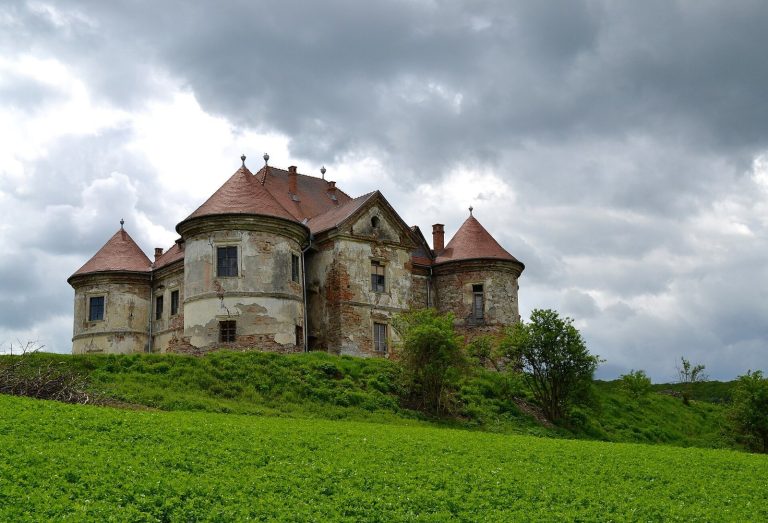
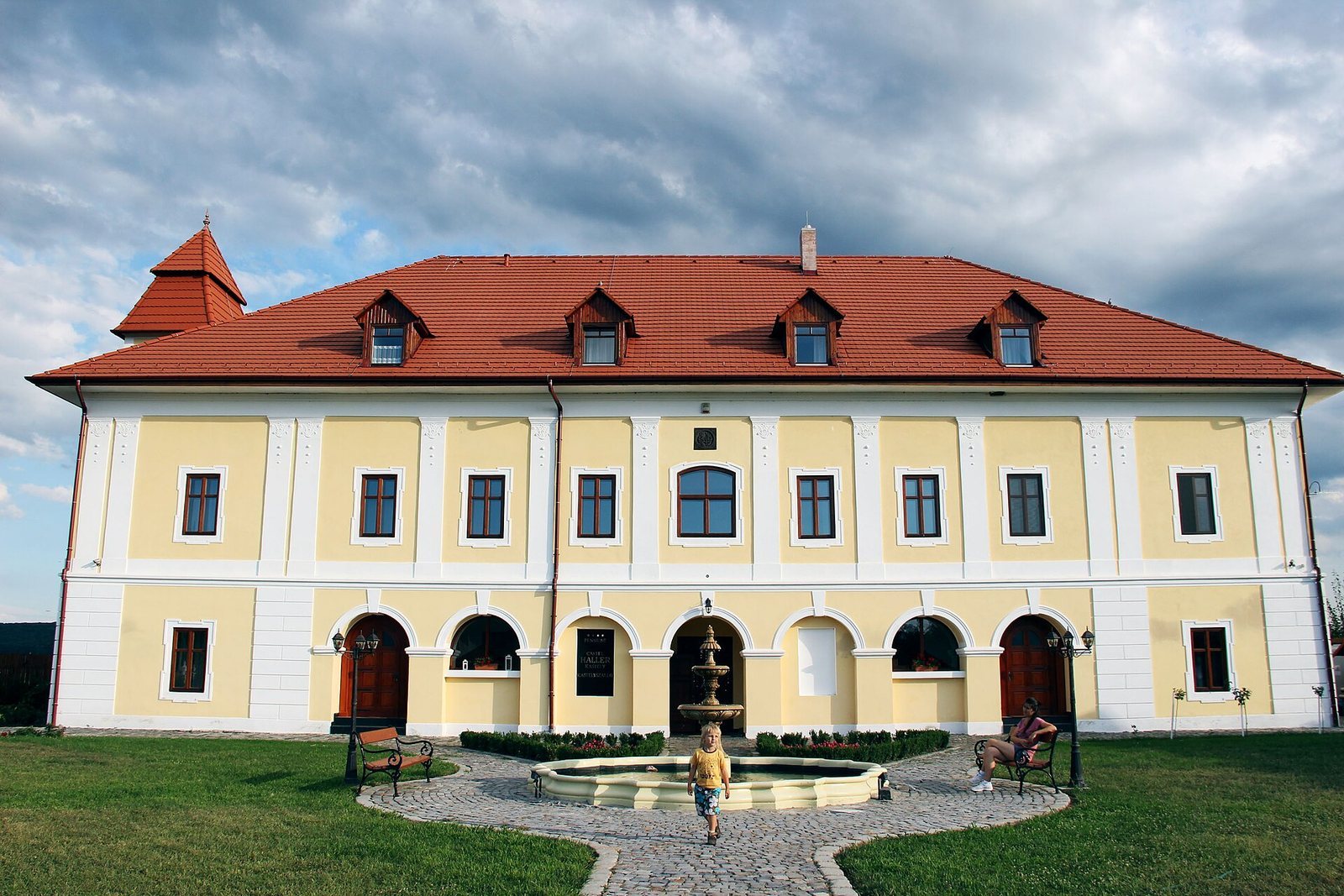
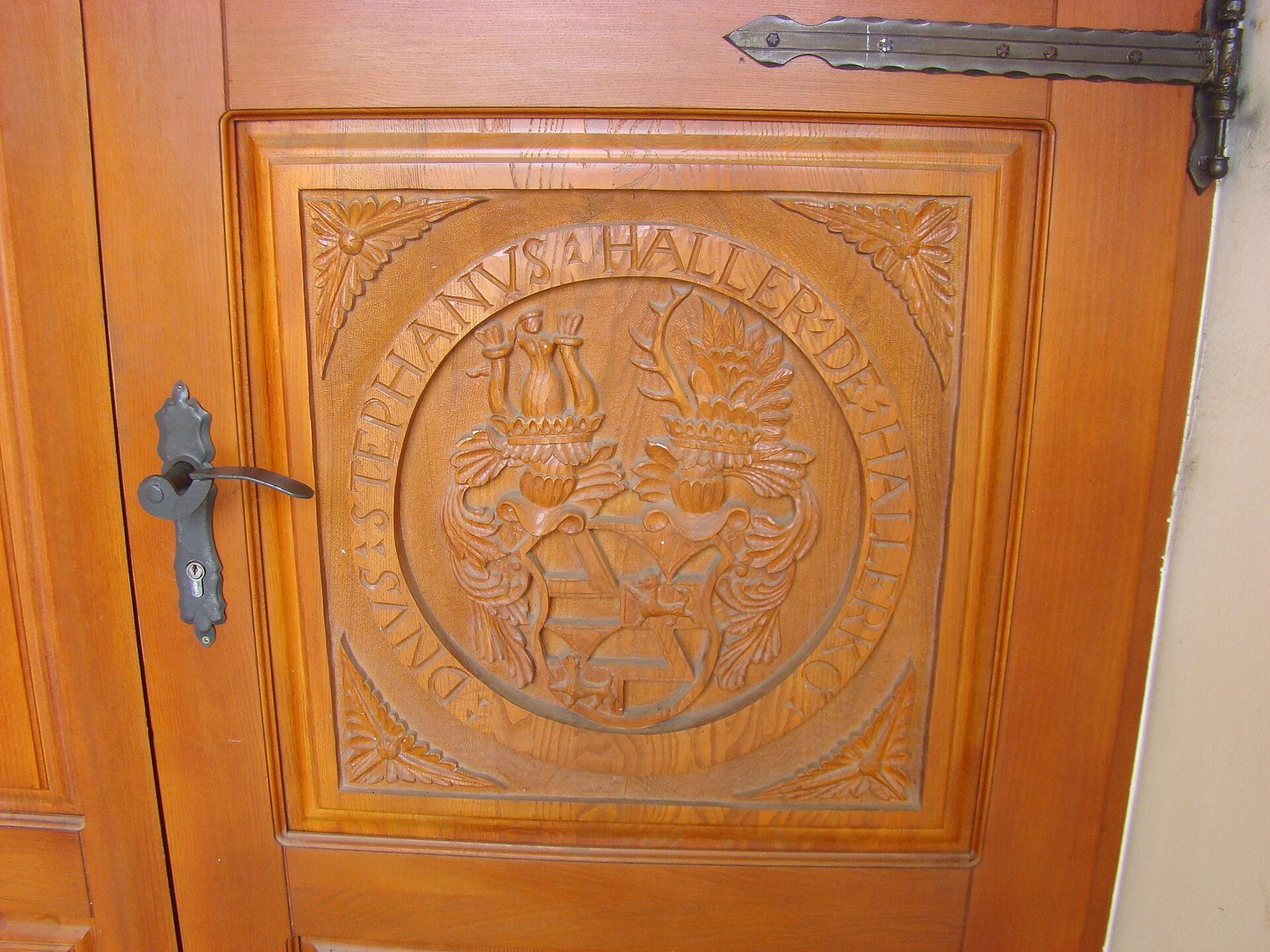
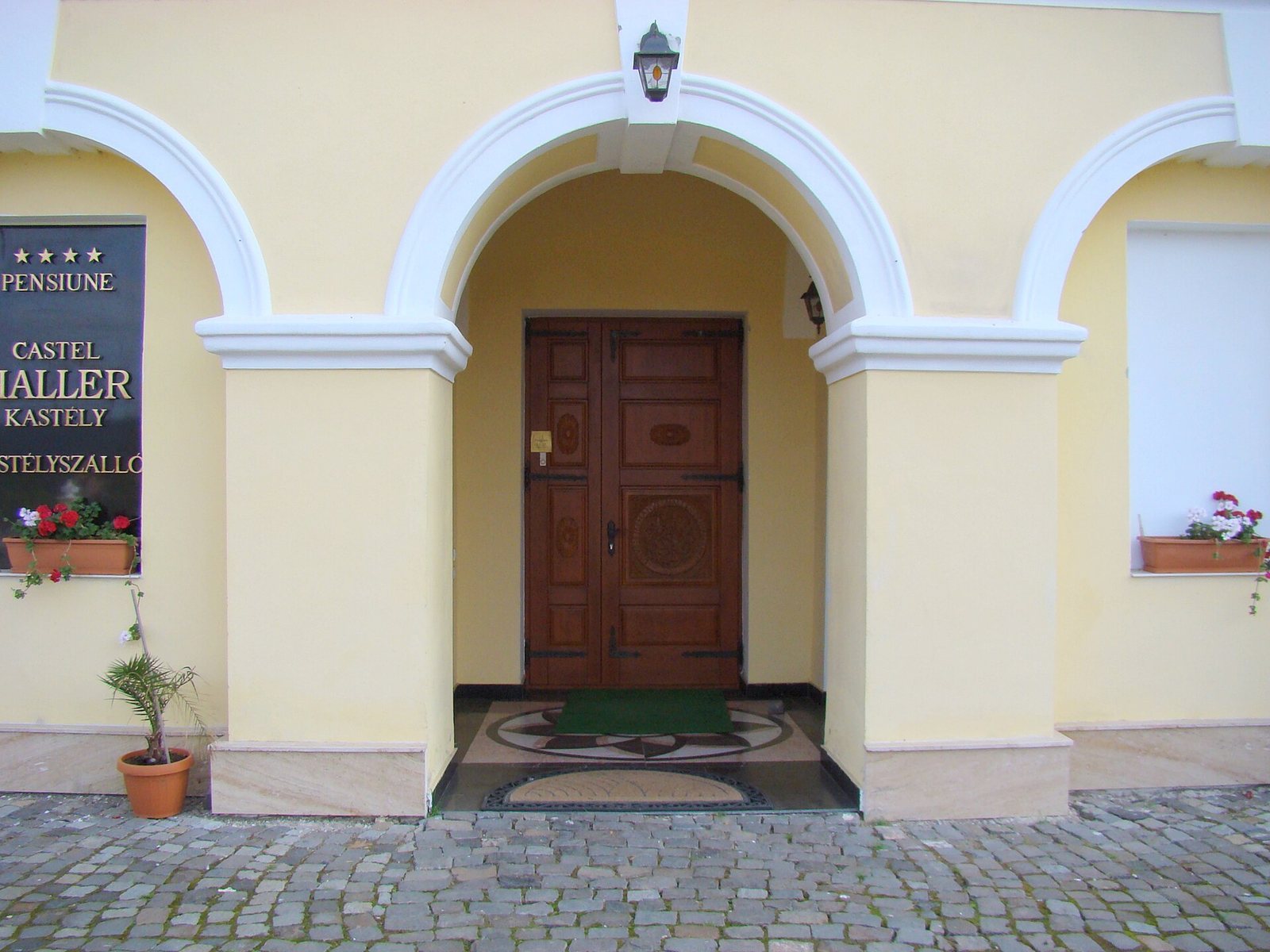
Haller Castle is a castle in Ogra, Transylvania, Romania. Construction began in the seventeenth century and was completed in the nineteenth. Its present exterior is late Baroque, a later Baroque phase with elaborate ornament and dramatic forms.
István Haller (1591–1657), a Transylvanian noble, obtained the estates of Marosugra and Szentpál in 1609. He served as chief official of Küküllő County, administering the county, and as a princely councillor, advising the ruling prince. The Haller family became the castle’s initial proprietors.
Division and reunion of the estates
In the eighteenth century, the estates were divided between two brothers. László received Ugra, while Gábor received Szentpál. Ugra had by then lost importance and served as a secondary residence in comparison with Szentpál Castle.
The estates came under one owner again in 1875. Count Ferenc Haller, the last of the Szentpál branch, died and bequeathed the estate to György Haller.
Nationalization and later ownership
The communist regime nationalized the castle in 1949. It later housed a school, a boarding school, and a people’s council, an administrative governing body under communist rule. The Haller family regained the property in the 2000s and sold it to the Fóris family. The castle is now privately owned.
Remains
The surviving complex combines the late Baroque exterior with foundations and cellars from the castle’s seventeenth-century phase.