Palazzo del Grillo: An Early Modern Palace in Rome
Site at a Glance
- Rating
- 4.6
- Popularity
- Medium
- Country
- Italy
- Primary era
- Early Modern
- Eras represented
- Medieval, Early Modern
- Civilizations
- Papal States
- Site type
- Domestic
- Remains
- Elite Residence
On this page9 sections
History
Palazzo del Grillo is a palace in Rome, Italy. It was built during the early modern period, between the Middle Ages and modern times, but its precise construction century is uncertain.
Medieval tower and palace
A tower on the site was built in 1223 by the Carboni family and later passed to the Conti family. The Grillo family bought it in 1675 and incorporated it into the palace.
Later owners and residents
The palace subsequently passed to the De Robilant family. In the nineteenth century it was owned by the Nicolis de Robilant family. The Italian painter Renato Guttuso lived there from 1965 to 1987.
Roman tradition and the lanterns
Roman tradition holds that Marquis Onofrio del Grillo, a nobleman remembered in local folklore, lived in the palace. His story inspired the film The Marquis of Grillo. Two processional lanterns belonging to the marquis, dated to the eighteenth or nineteenth century, were formerly kept in the palace. In the early 2000s, a descendant of the marquis sold them to Emiliano Volpetti.
Remains
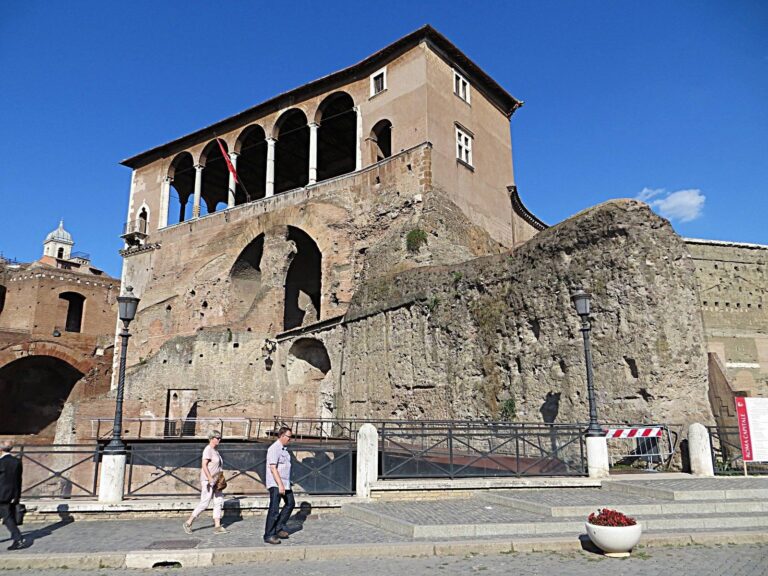
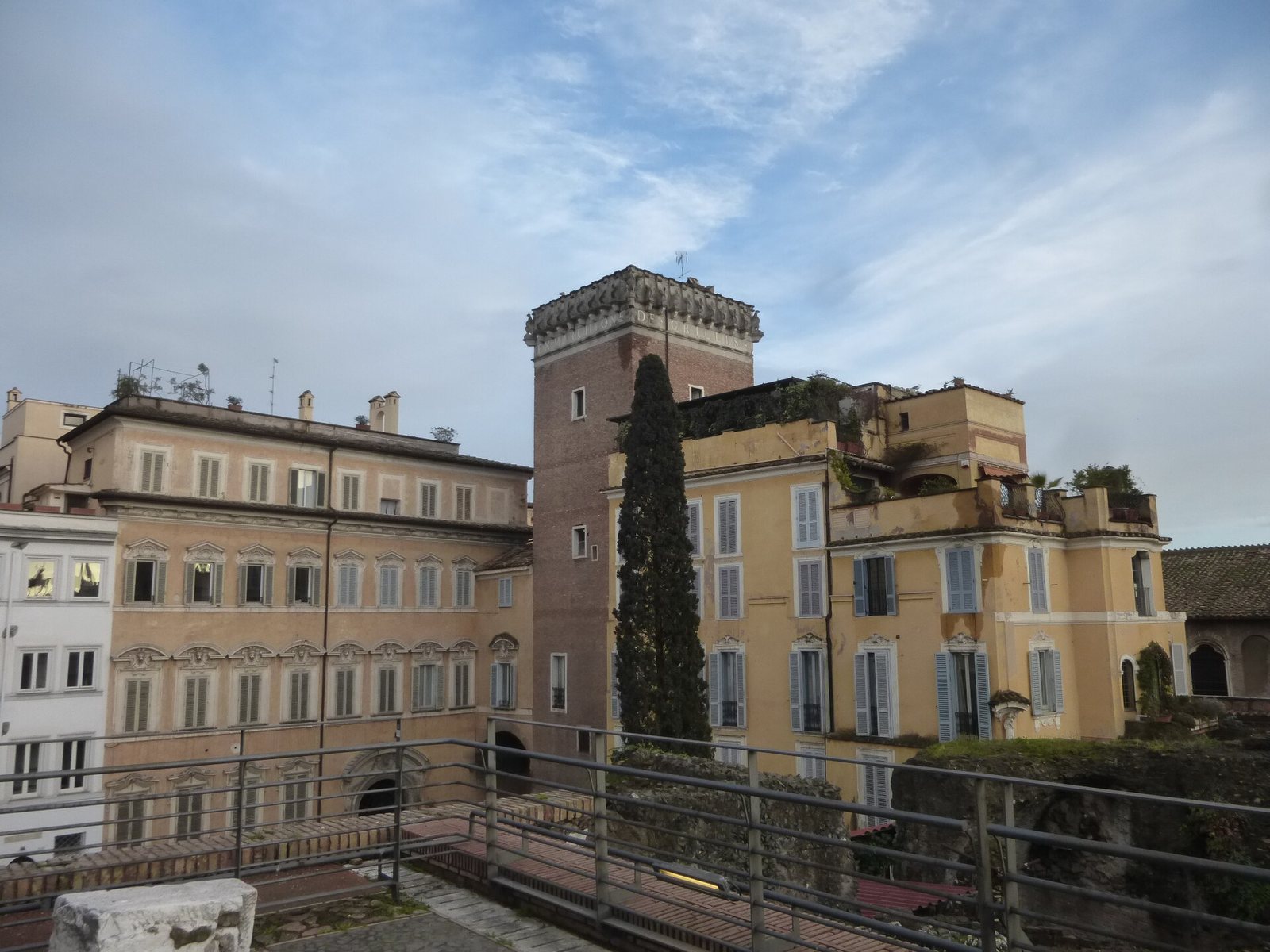
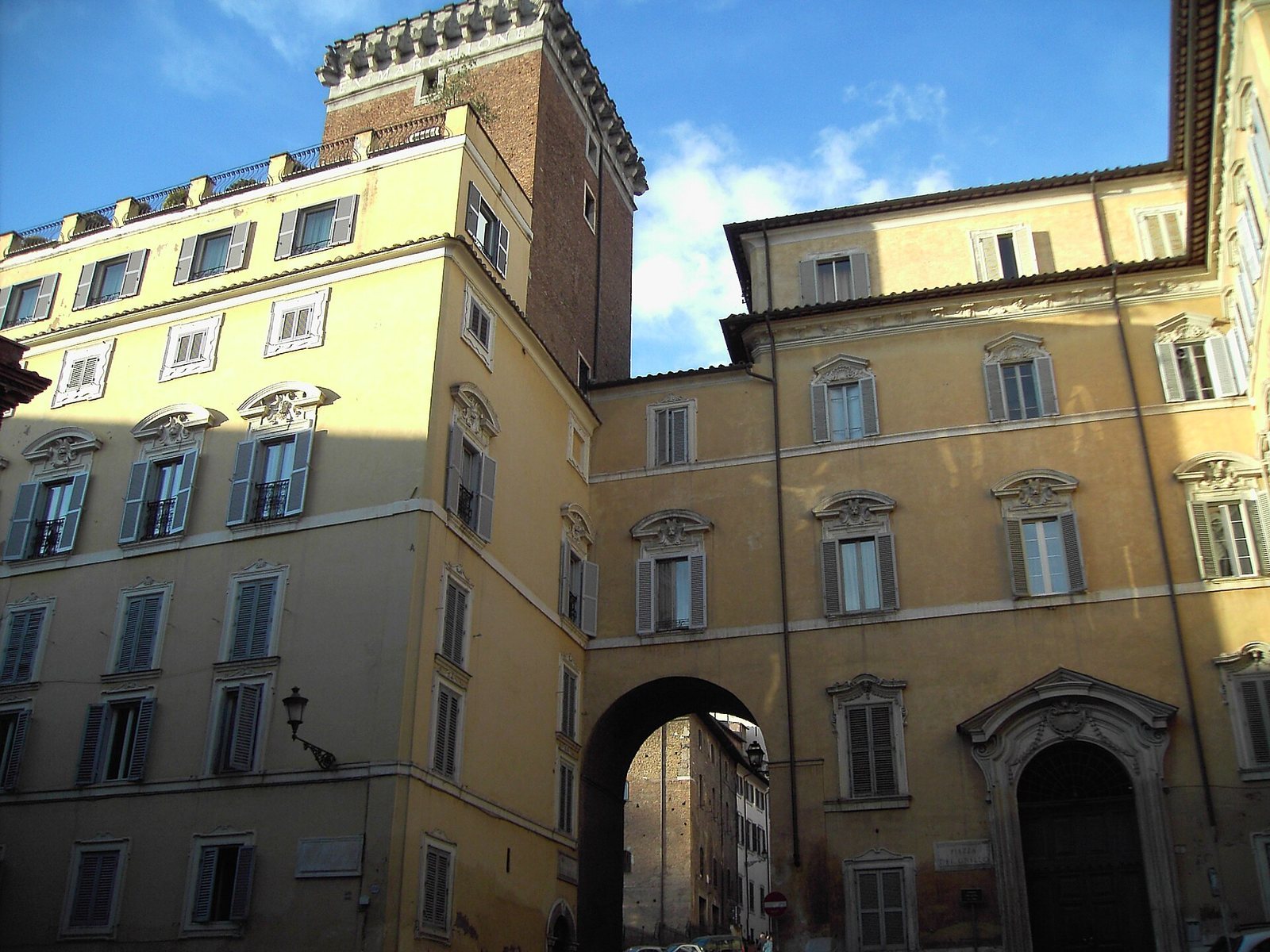
The palace combines an early modern building with a medieval tower. Its central section follows Salita del Grillo, while two projecting wings face Via degli Ibernesi and Via di Campo Carleo.
Plan and exterior
The left wing has five floors and connects to the rest of the palace through an arched passage called the Arco dei Conti. The right wing has three floors. The windows are ornamented with volutes and friezes bearing lion heads and shells.
Medieval tower
The incorporated tower is also known as the Torre della Miliziola and the Torre del Grillo. Its crowning rests on corbels, projecting supports, and bears the inscription “EX MARCHIONE DE GRILLIS.” It is distinct from the substantially larger Torre delle Milizie nearby.
Entrance and garden
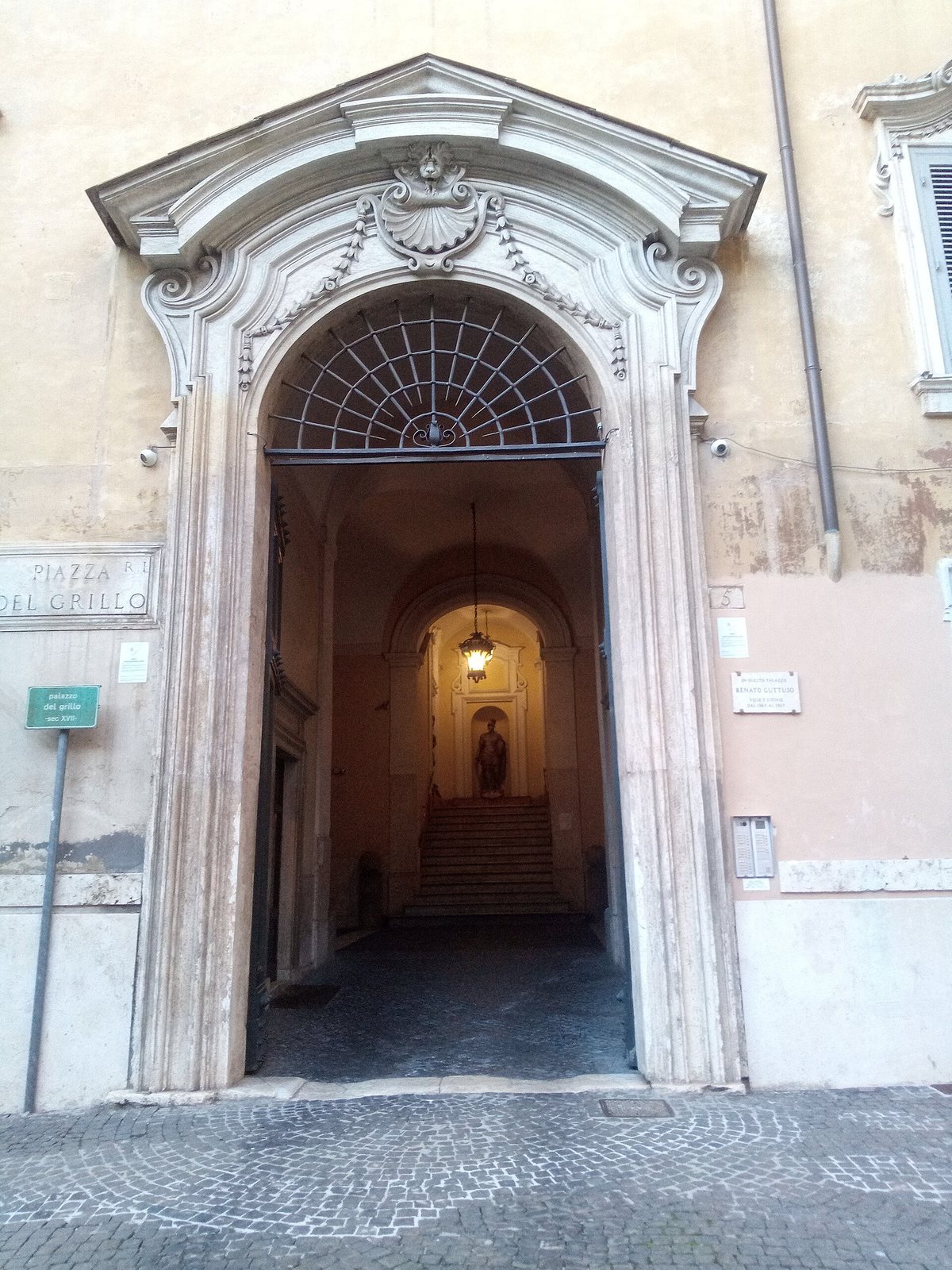
A Baroque portal, topped with a shell and a sculpted lion’s head, opens into a small vestibule and the surviving garden. The garden contains fountains, nymphaea, ornamental fountain or grotto features, and Baroque sculptures. Its portal has four columns surrounded by grape clusters and statues of Minerva, the Roman goddess of wisdom and crafts, and Mercury, associated with commerce and travel.
Interior
The palace contains numerous rooms with decorated ceilings, a chapel, and a gallery with white classical stucco decoration.