Castle of Olivenza: A Medieval Fortress in Spain
Site at a Glance
- Popularity
- Medium
- Country
- Spain
- Primary era
- Medieval
- Eras represented
- Medieval
- Civilizations
- Crusader, Kingdom of León, Knights Templar, Portuguese
- Site type
- Military
- Remains
- Castle
On this page6 sections
History
Templar foundation and Portuguese fortification
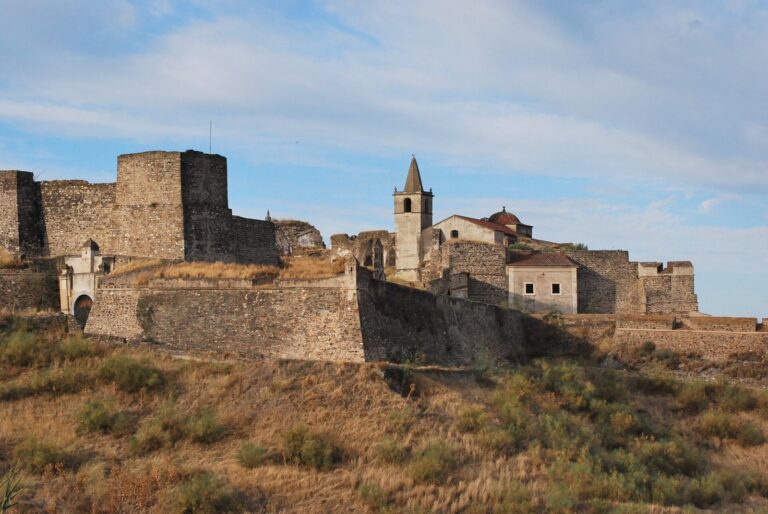
The Castle of Olivenza is a medieval fortress in Olivenza, Spain, near the Portuguese border. The castle dates to the thirteenth century, when the Knights Templar, a medieval religious military order, built its keep. Alfonso IX of León had granted them Olivenza in exchange for their help in conquering the Taifa of Badajoz, a Muslim-ruled polity in medieval al-Andalus.
After Olivenza came under Portuguese control, Denis I ordered the town fortified with walls in 1298. In 1488, John II directed that the keep be raised. It then became the tallest tower in Portugal. During the Portuguese period, watchtowers were built to relay information to the castle about Spanish troop movements.
Changes of control and modern use
Olivenza and its castle passed through Portuguese, Spanish, and French control. The town has belonged to the Kingdom of Spain since 1801.
During the Spanish War of Independence, the early nineteenth-century conflict with Napoleonic France, the castle suffered severe damage and was abandoned. It was restored in 1975 and is designated an Asset of Cultural Interest, Spain’s formal cultural-heritage protection category.
Remains
Walls and gates
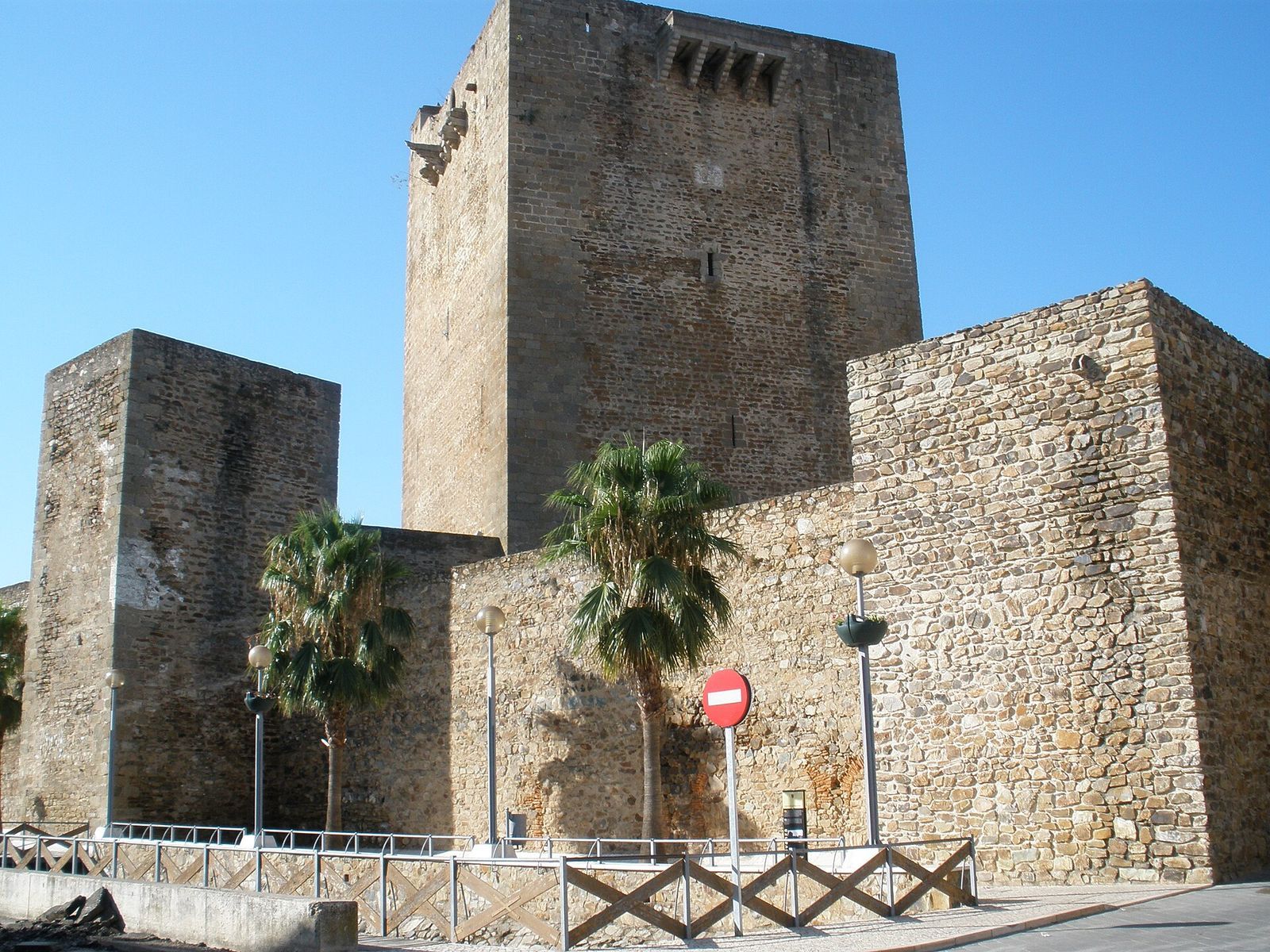
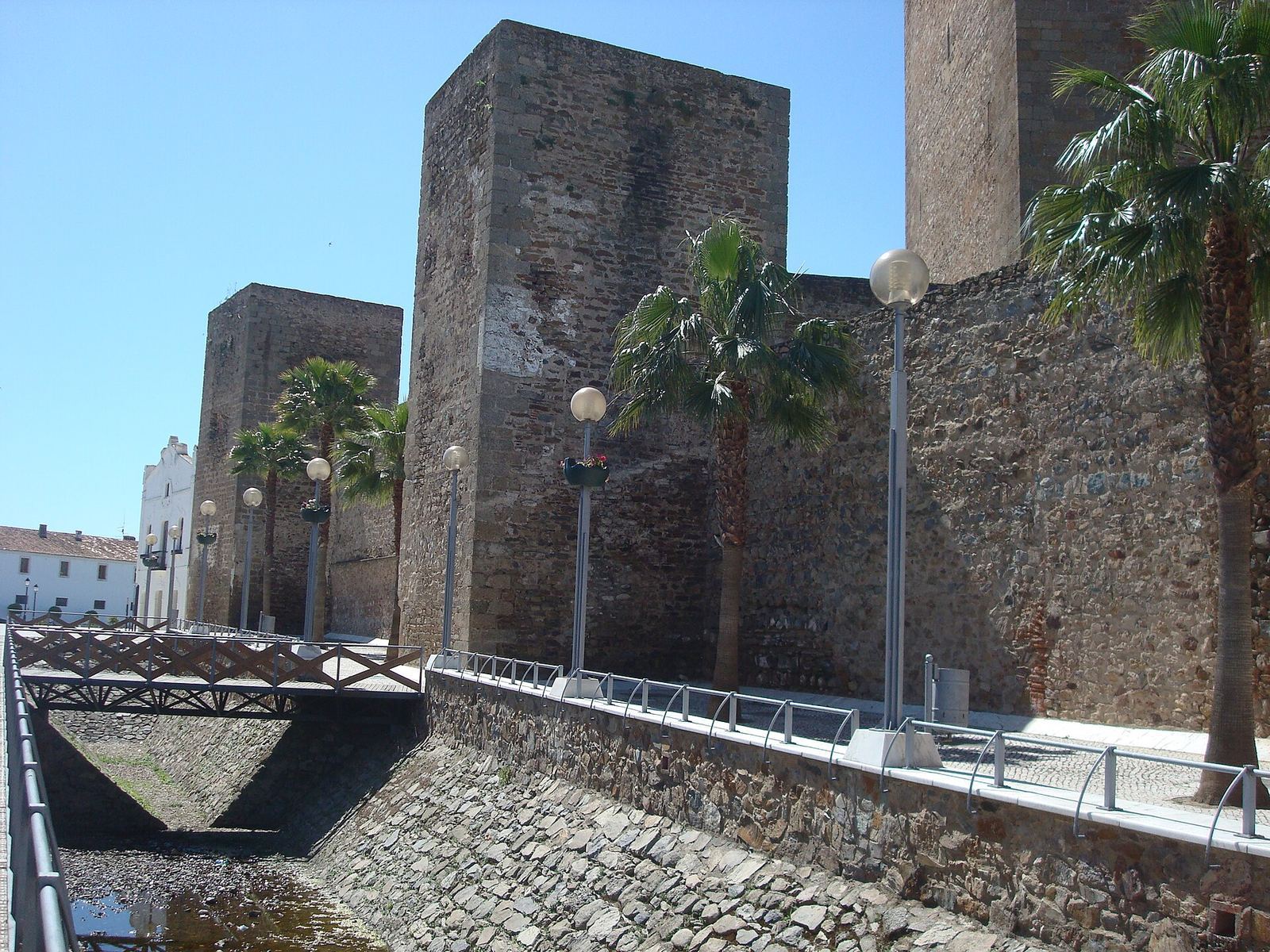
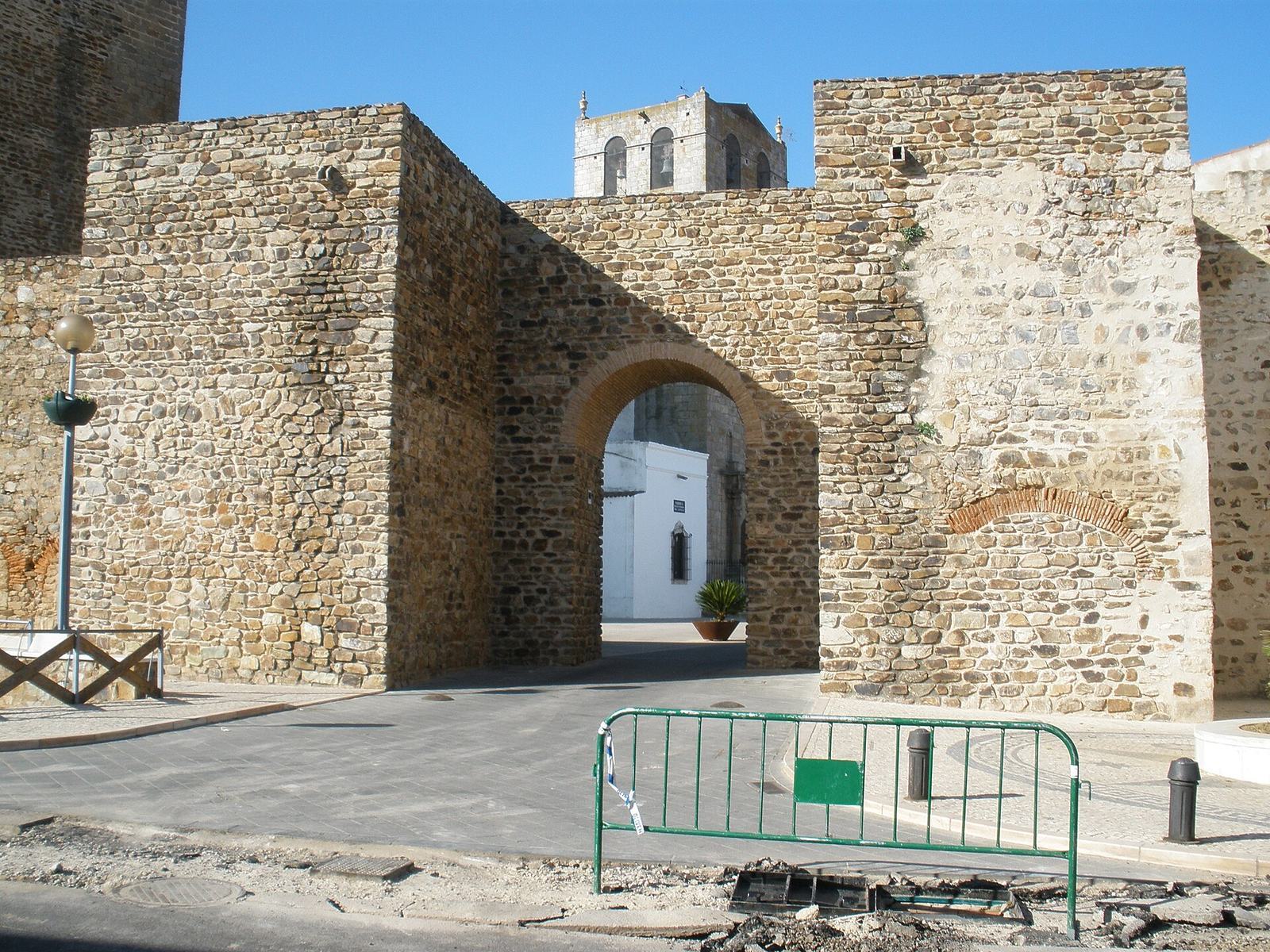
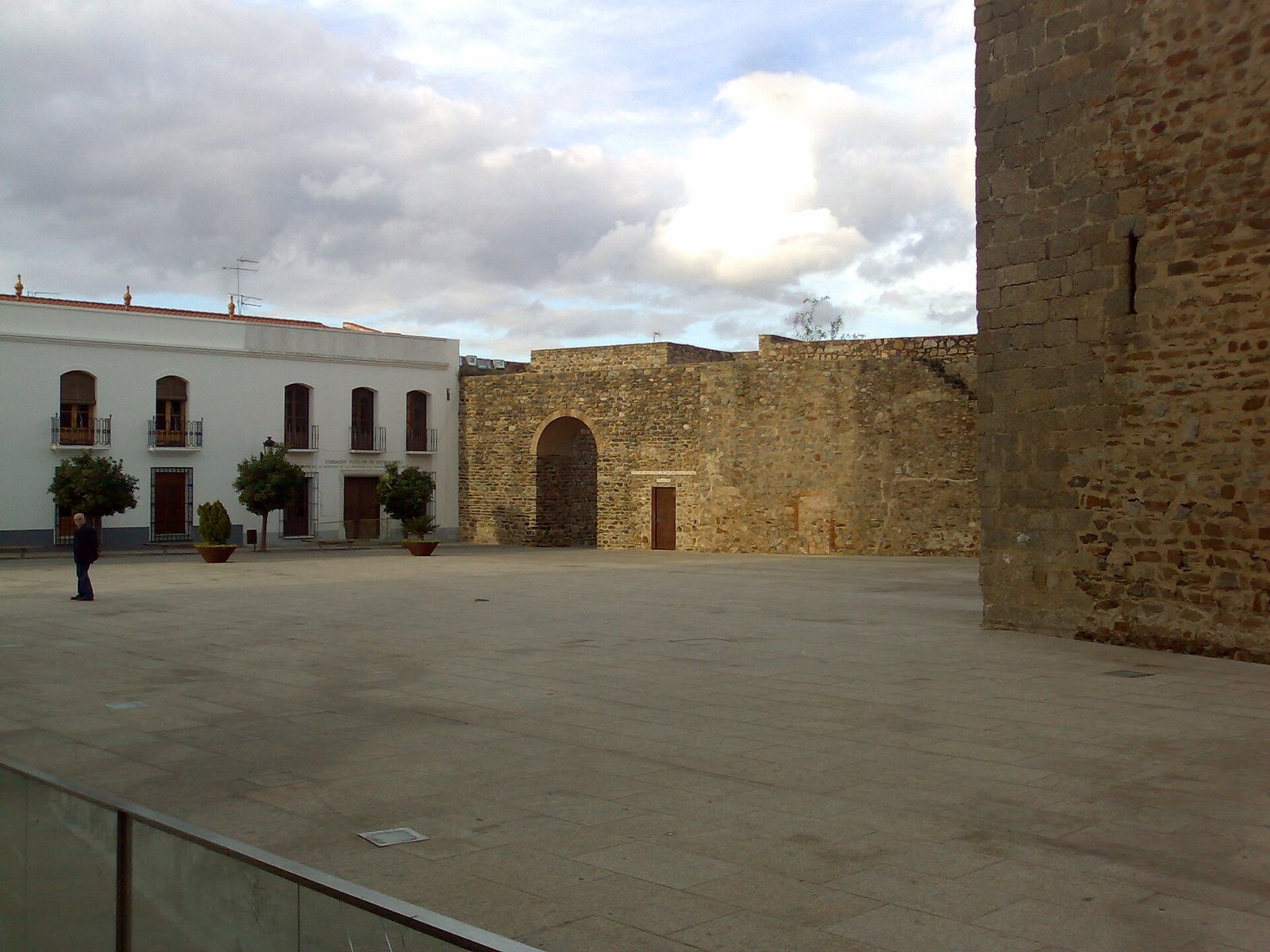
High, thick masonry walls and large towers form the castle’s defenses. The walls include machicolations, openings used to attack people below. The castle had three gates. The preserved Alconchel Gate has a semicircular arch flanked by two defensive towers, while the Los Ángeles Gate has a semicircular arch topped by a pediment, the crowning element above a doorway. The San Sebastián Gate was reconstructed in 2006.
The keep
The keep stands 40 metres high and measures 18 metres on each side. Built for military use, it has three floors, with notable decoration on the upper floor. Seventeen ramps with vaulted ceilings provide access through the tower, and they are wide enough for a pack animal to climb. A portion of the Extremaduran Ethnographic Museum González Santana is housed in the keep.