Palazzo Vitelleschi: A Palace and Archaeological Museum in Tarquinia
Site at a Glance
- Rating
- 4.7
- Popularity
- Medium
- Country
- Italy
- Primary era
- Medieval
- Eras represented
- Medieval
- Civilizations
- Papal States
- Site type
- Religious
- Remains
- Palace
On this page9 sections
History
Construction and Renaissance work
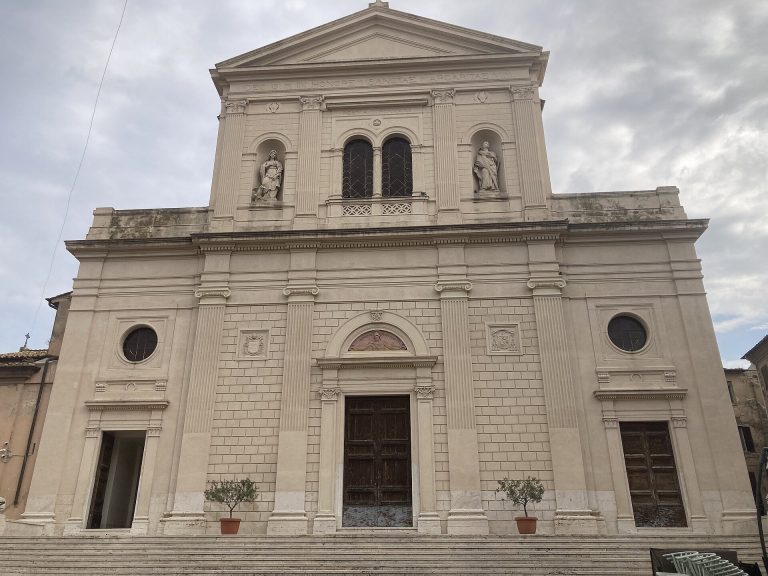
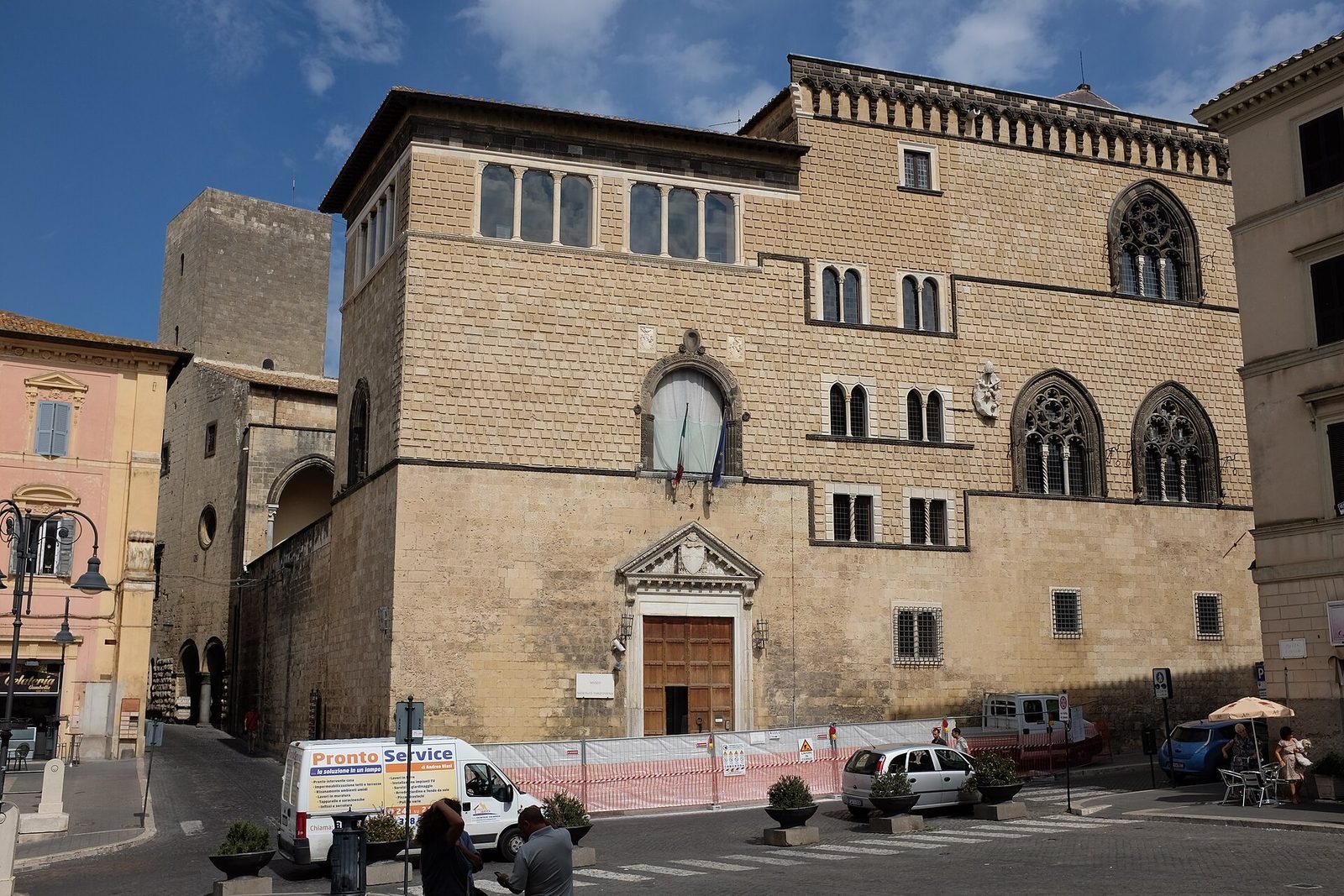
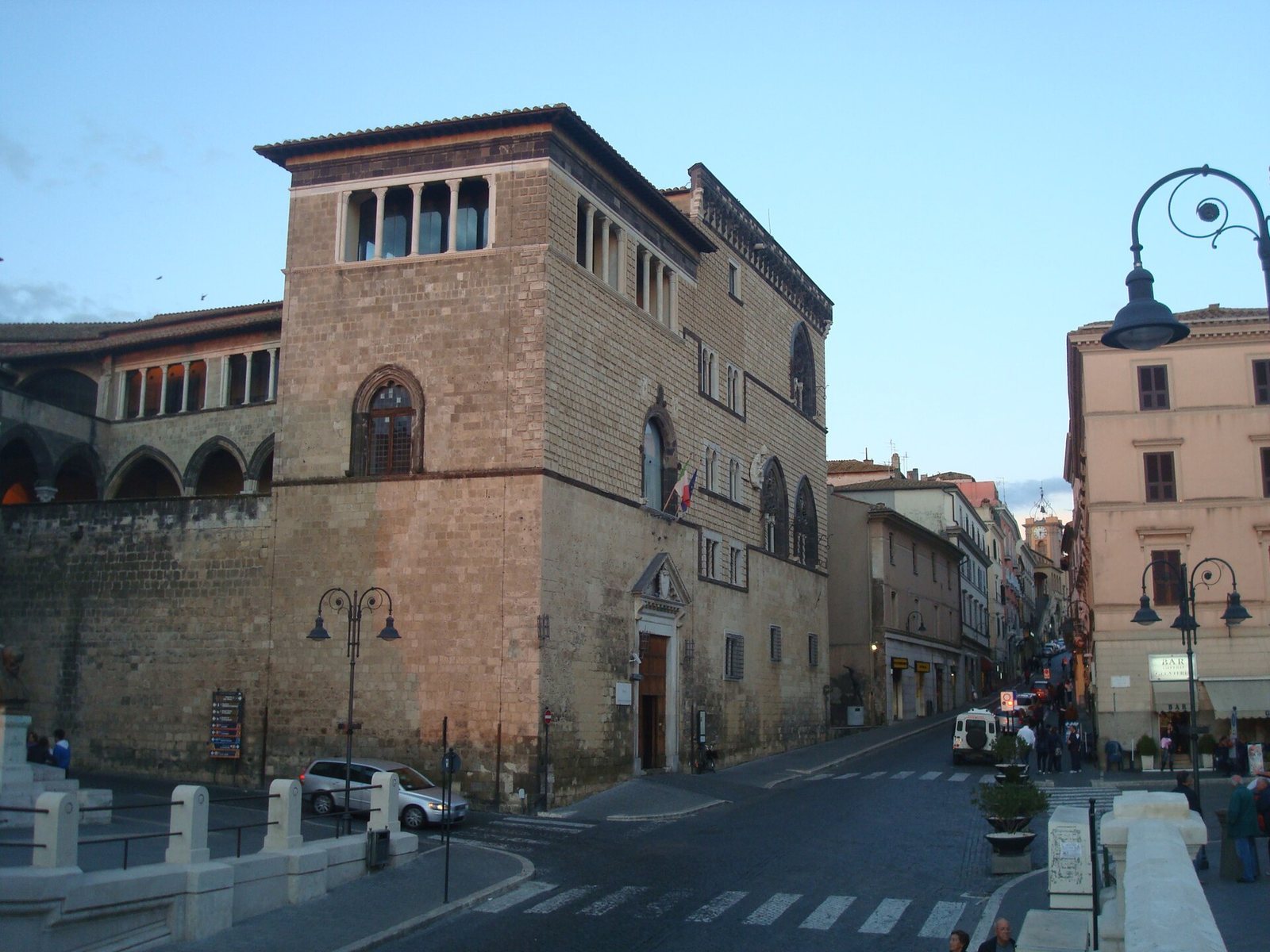
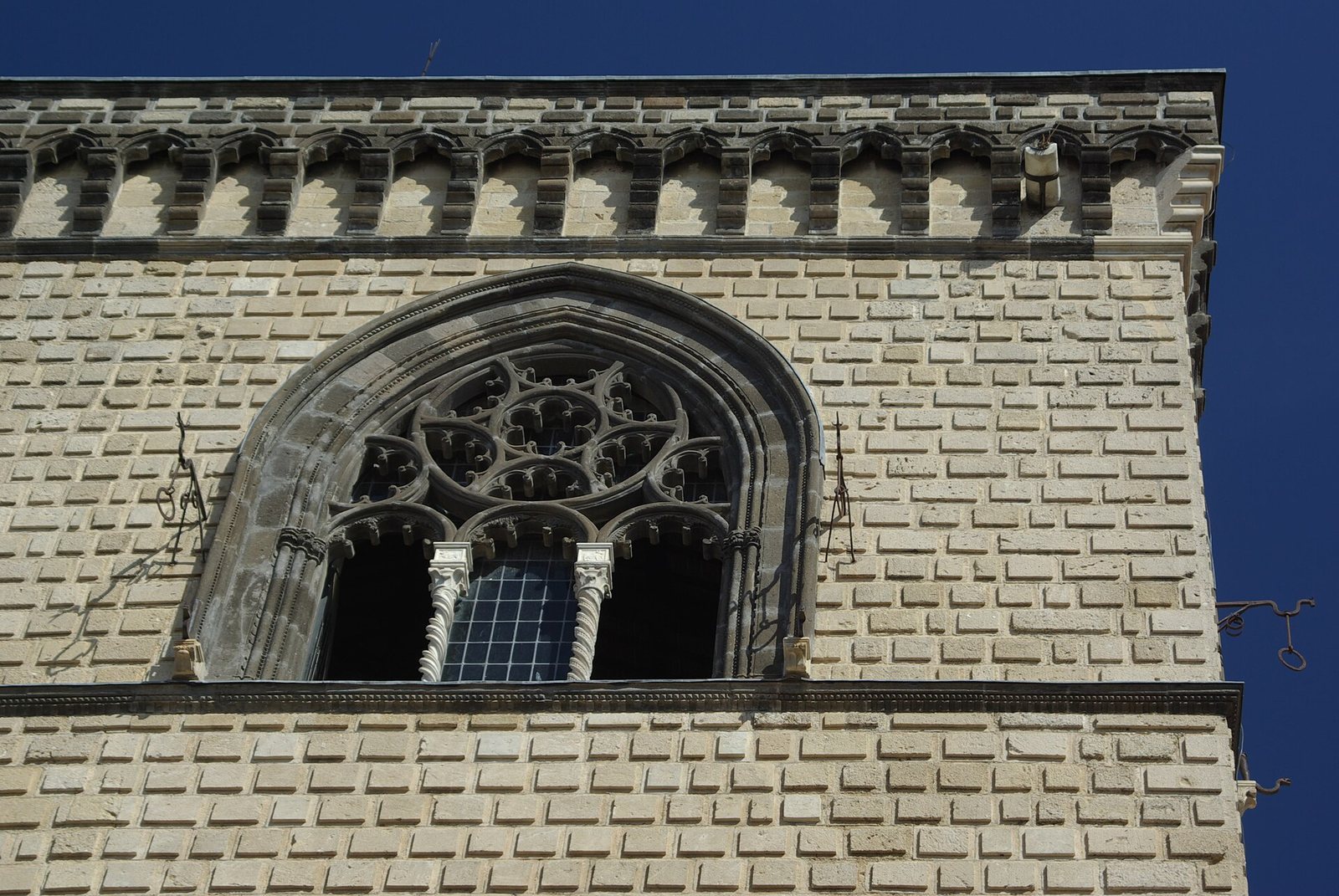
Palazzo Vitelleschi is a Gothic-Renaissance urban palace in Tarquinia, Italy, commissioned by Cardinal Giovanni Maria Vitelleschi, a senior church official, with construction beginning between 1436 and 1439. Its Gothic character draws on an architectural tradition associated with pointed arches and vertical emphasis, while Renaissance design revived classical forms. The palace was regarded as one of the principal Renaissance palaces in Lazio.
The building remained unfinished for an extended period. Its completion is placed between 1460 and 1490, while work in the Renaissance style continued around 1480–1490.
Changing ownership and use
After Vitelleschi’s death, the palace was confiscated and used by several popes, including Leo X. In the late sixteenth century, Cardinal Charles d’Angennes de Rambouillet modernized it while administering territory on behalf of Pope Sixtus V. The building later passed to the Soderini family.
Museum and wartime damage
In the early twentieth century, the municipality transferred the palace to the state, which established an antiquities collection there. Since 1924, the building has housed the National Archaeological Museum of Tarquinia. On 17 January 1944, a bomb caused severe damage to the palace. It was carefully restored after the war.
Remains
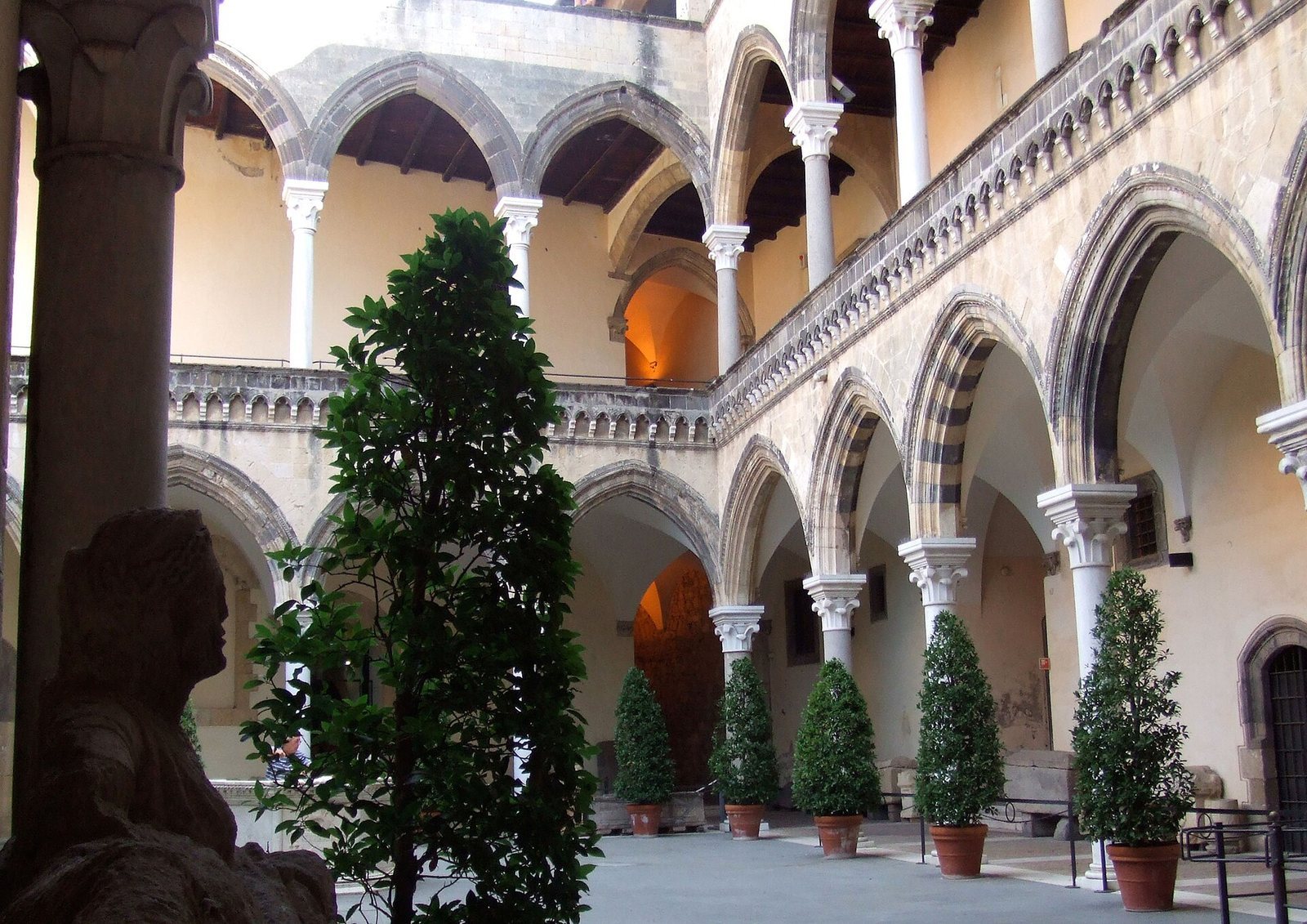
The surviving palace combines work from different architectural phases with parts of earlier buildings. Its facade and courtyard differ in style, a contrast attributed either to separate building phases or to a change of architect during construction.
Palace fabric and collections
Facade and incorporated structures
The palace incorporates a group of houses toward Via Mazzini, a substantial wall near the stairs of the old walls of Corneto Vecchio, and much of the wall facing Piazza Soderini. These earlier structures form part of the palace’s surviving fabric.
Courtyard and loggia
A courtyard forms part of the palace, which also has a loggia, a roofed gallery open on one or more sides, on its second floor.
Etruscan collections
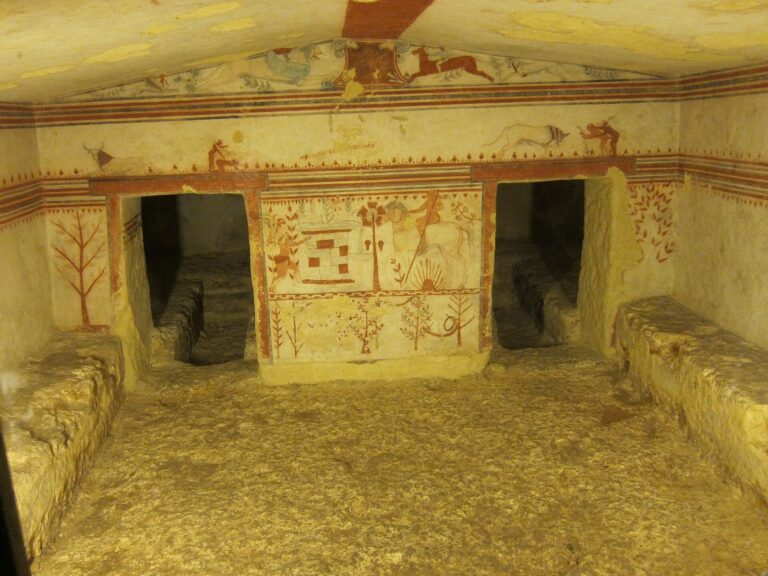
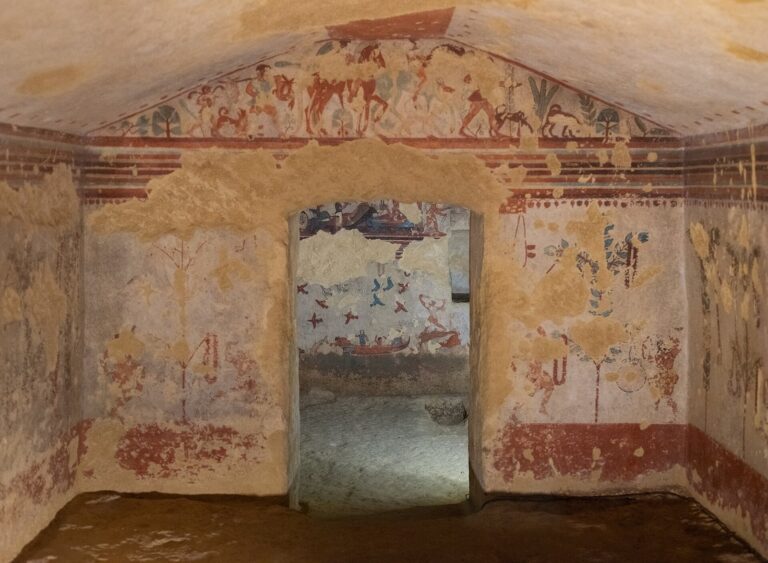
The museum’s Etruscan archaeological collections are regarded as authoritative. Some objects come from the nearby Monterozzi necropolis, an ancient cemetery.