Far Caves: Underground Monastic Complex of the Kyiv-Pechersk Lavra
Site at a Glance
- Popularity
- High
- Country
- Ukraine
- Primary era
- Medieval
- Eras represented
- Medieval, Early Modern, Modern
- Civilizations
- Kievan Rus, Polish–Lithuanian Commonwealth, Russian
- Site type
- Religious
- Remains
- Sanctuary
On this page10 sections
History
Origins and Theodosius of the Caves
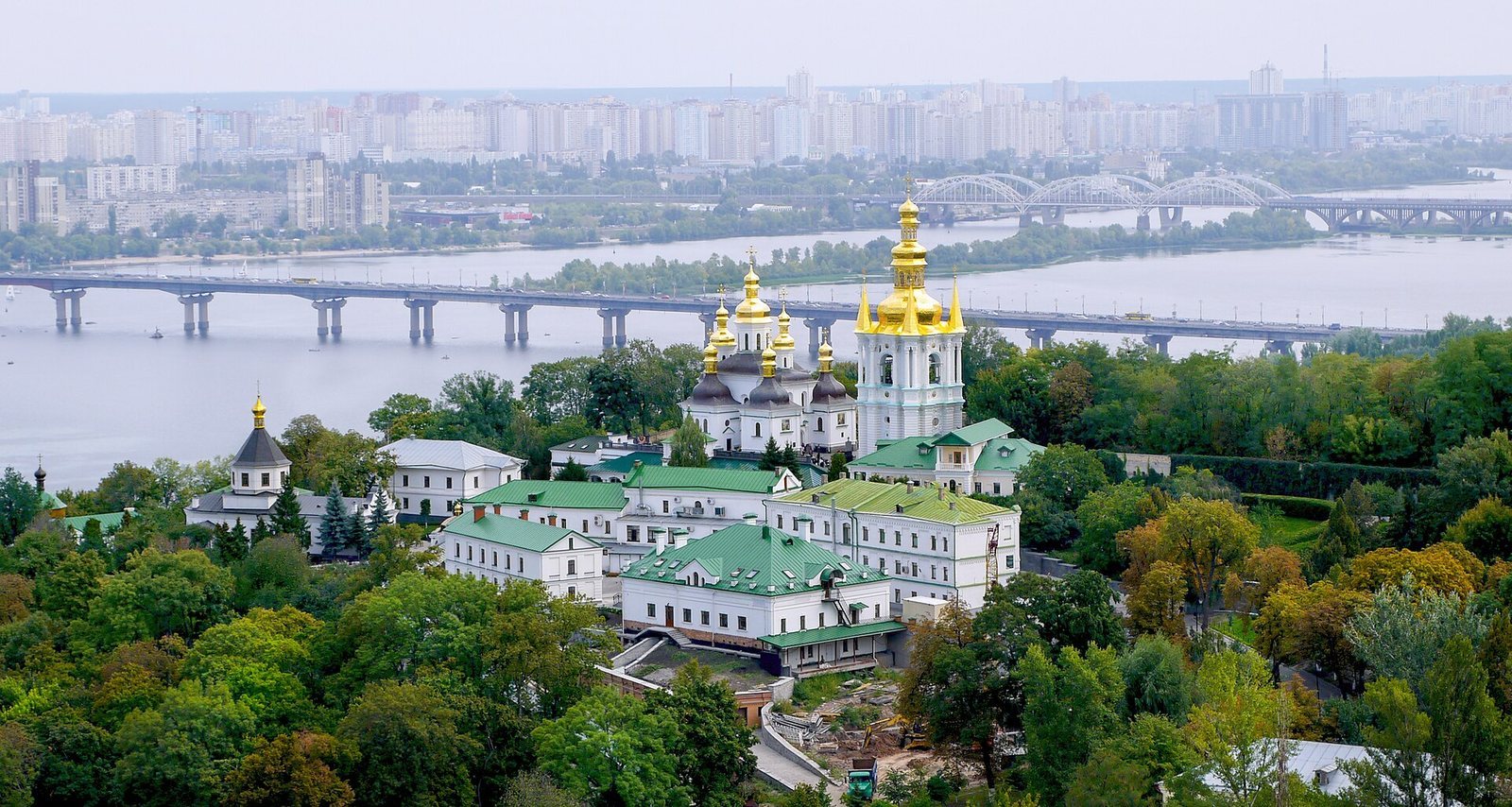
The Far Caves are a separate underground monastic complex within the Kyiv-Pechersk Lavra, a major Orthodox monastic community in Ukraine. Together with the Near Caves, they make up the Lower Lavra. The monastery’s origins are associated with the Varangian Cave, regarded as the oldest part of the complex, although the caves’ early history remains difficult to establish.
Theodosius of the Caves, an eleventh-century monastic leader and one of the monastery’s founders, dug a cell by 1058 and was buried there in 1074. His relics, bodily remains venerated for their association with a saint, were discovered in 1091 and ceremonially transferred to the Assumption Cathedral. In 1240, when the Mongol leader Batu Khan captured Kyiv, the relics were hidden to protect them from desecration. The hiding place was kept secret and later forgotten; the relics may lie beneath the cathedral or in the Far Caves.
Reconstruction and renewed monastic use
The first efforts to reconstruct the Far and Near Caves took place during the time of Peter Mohyla, an Orthodox church leader and reformer in Kyiv. Excavations in 1988 uncovered Theodosius’s cell.
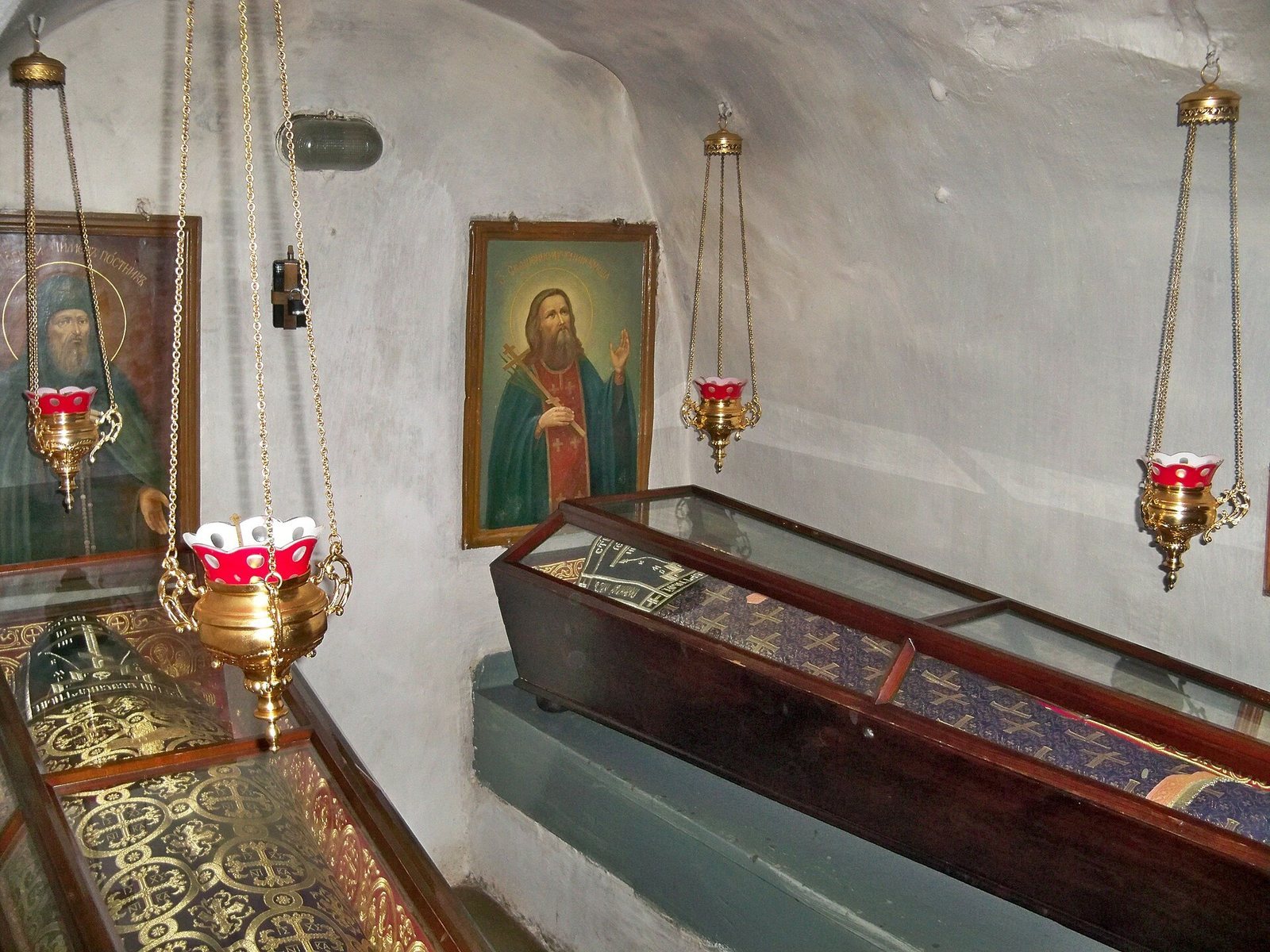
The caves hold relics of about fifty canonized saints, meaning people formally recognized by the church as saints. A feast honoring the venerable fathers of the Far Caves commemorates those buried there. In 1988, a government decision returned the caves to the revived Kyiv-Pechersk Monastery, then affiliated with the Ukrainian Orthodox Church of the Moscow Patriarchate, an Eastern Orthodox church jurisdiction. The Far Caves are registered as a monument of national importance in Ukraine.
Remains
Layout and construction
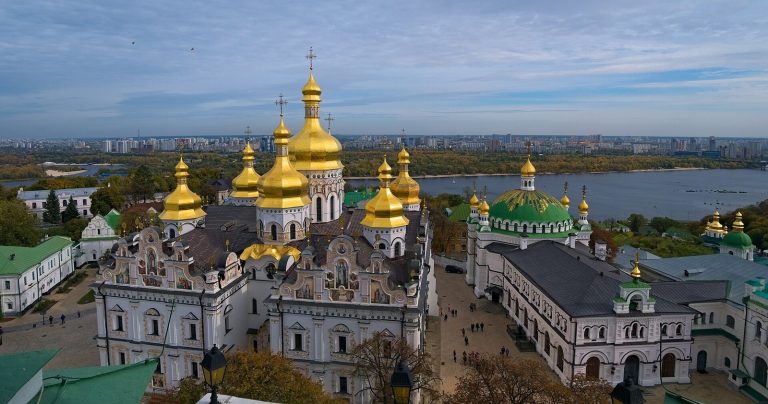
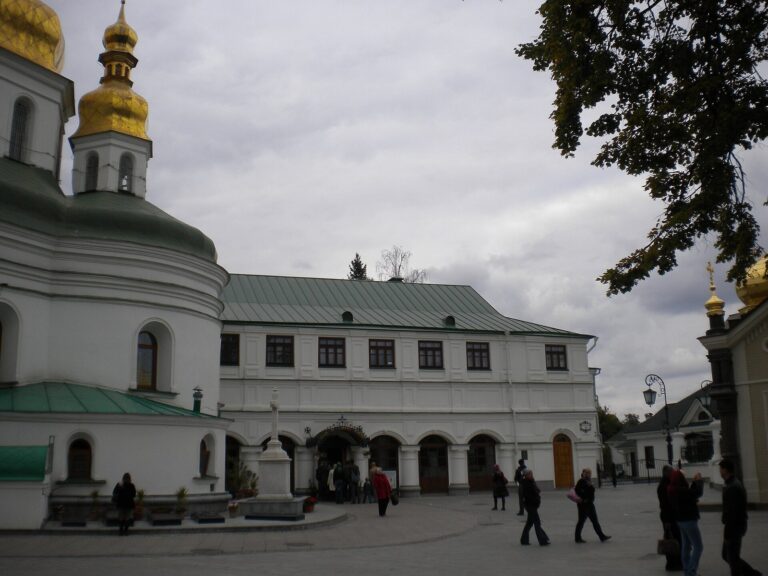
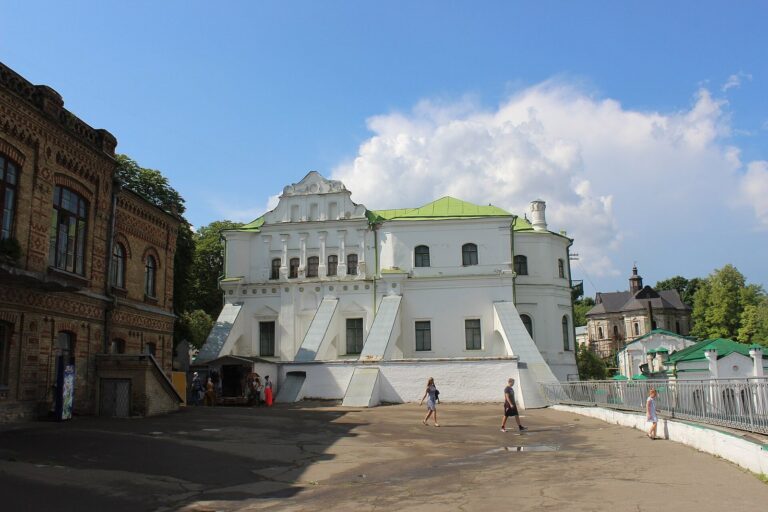
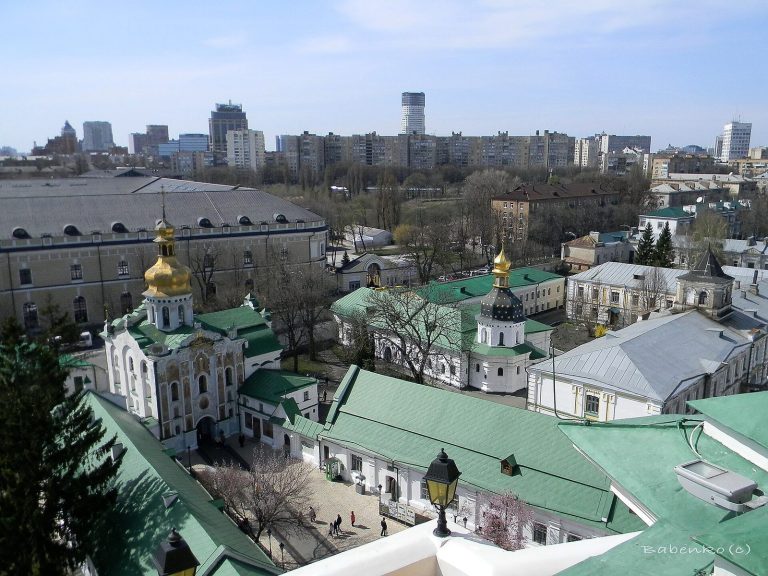
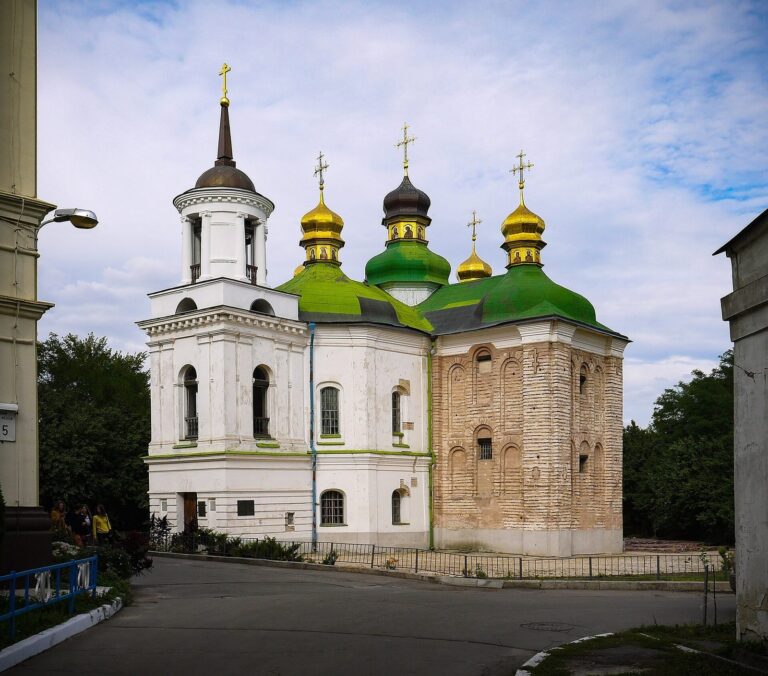
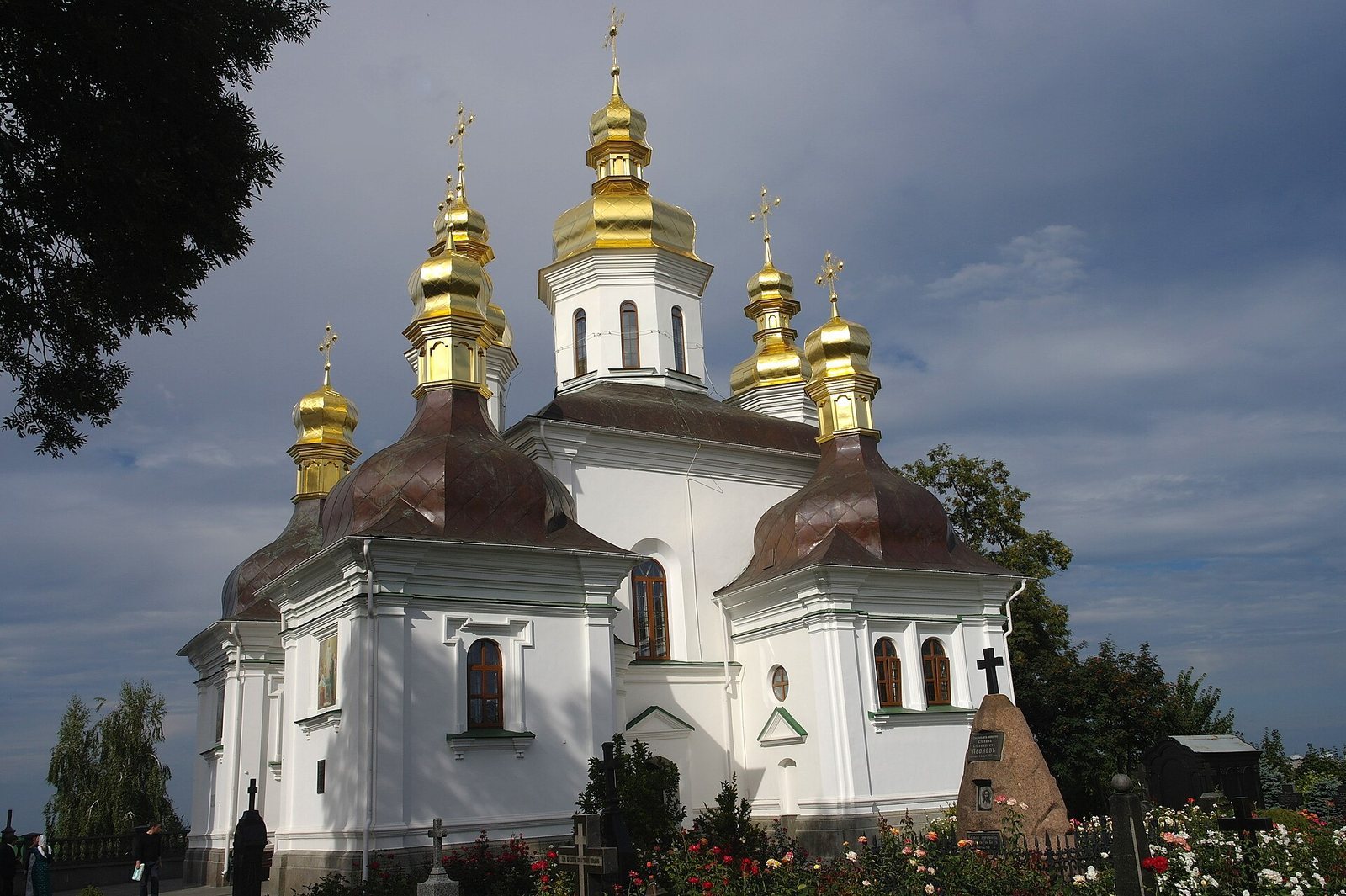
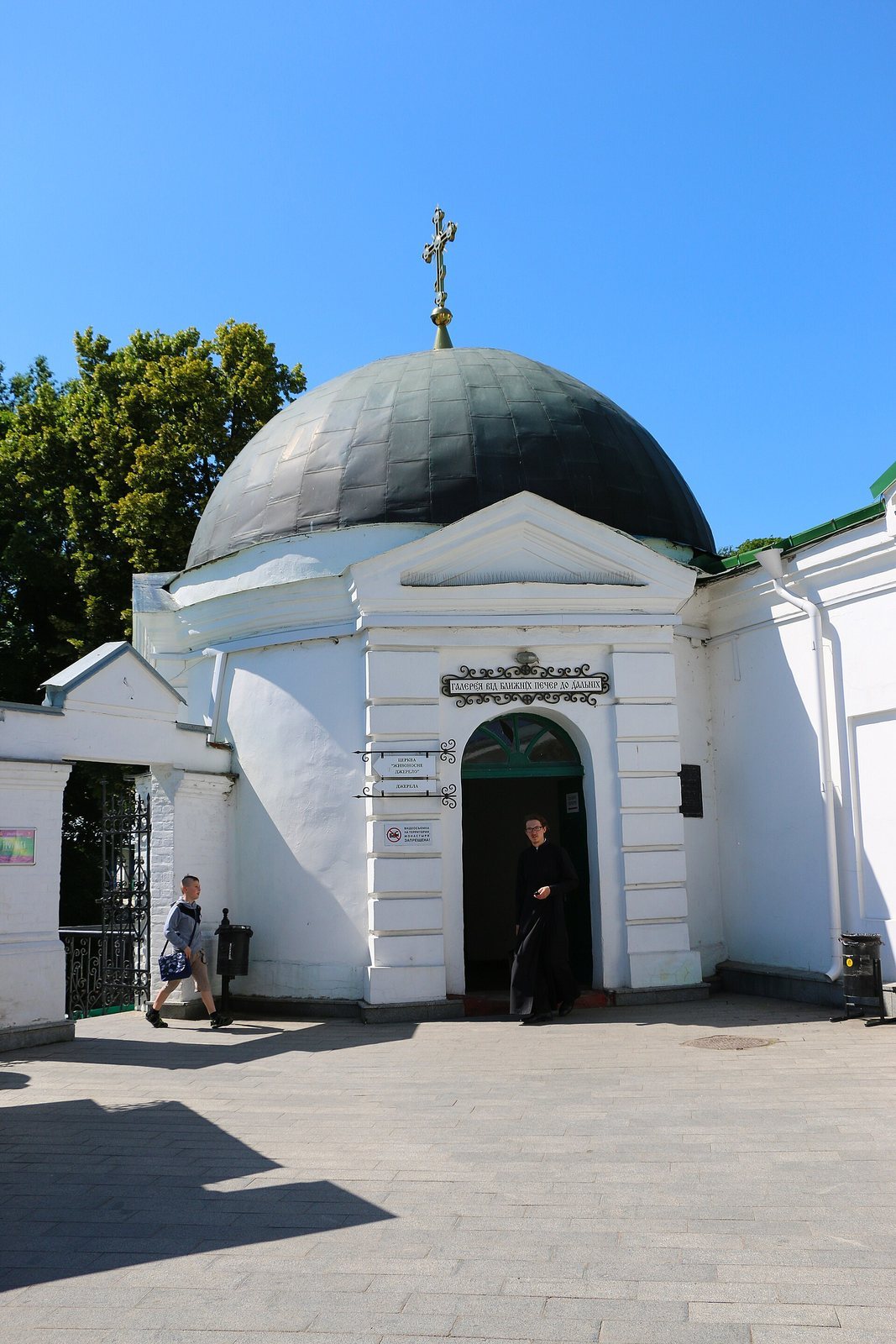
The complex combines underground caves and corridors with a group of above-ground buildings forming a separate architectural ensemble. Its underground corridors extend for 293 metres in total, including a 200-metre section in the Varangian Cave.
Underground features
Varangian Cave
The Varangian Cave is vulnerable to collapse. Its association with the monastery’s origins gives it particular historical importance within the underground complex.
Underground churches
Three churches occupy the caves: the Church of the Nativity of Christ, the Church of Theodosius, and the Church of the Annunciation to the Blessed Virgin Mary. The Annunciation church is the oldest underground church in both the Far Caves and the Kyiv-Pechersk Lavra. The churches began on a smaller scale with simpler decoration. During the first half of the seventeenth century, they were enlarged to their present dimensions and given asymmetrical plans. In 1826, rectangular cast-iron slabs were laid as flooring; some carry simple ornament.
Theodosius’s cell
The cell discovered in 1988 lies near the Church of Theodosius, the largest cave structure in the Lavra. Its vaulted ceilings remain in ideal condition.
Niche of the holy heads
Opposite the Church of the Nativity of Christ, a niche holds the heads of thirty anonymous saints in glass and metal vessels. They are venerated as myrrh-streaming, a term for relics believed to exude fragrant sacred oil.