Palace of the Lions: Maranhão’s State Government Palace
Site at a Glance
- Popularity
- High
- Country
- Brazil
- Primary era
- Early Modern
- Eras represented
- Early Modern, Modern
- Civilizations
- Portuguese
- Site type
- Civic
- Remains
- Palace
On this page8 sections
History
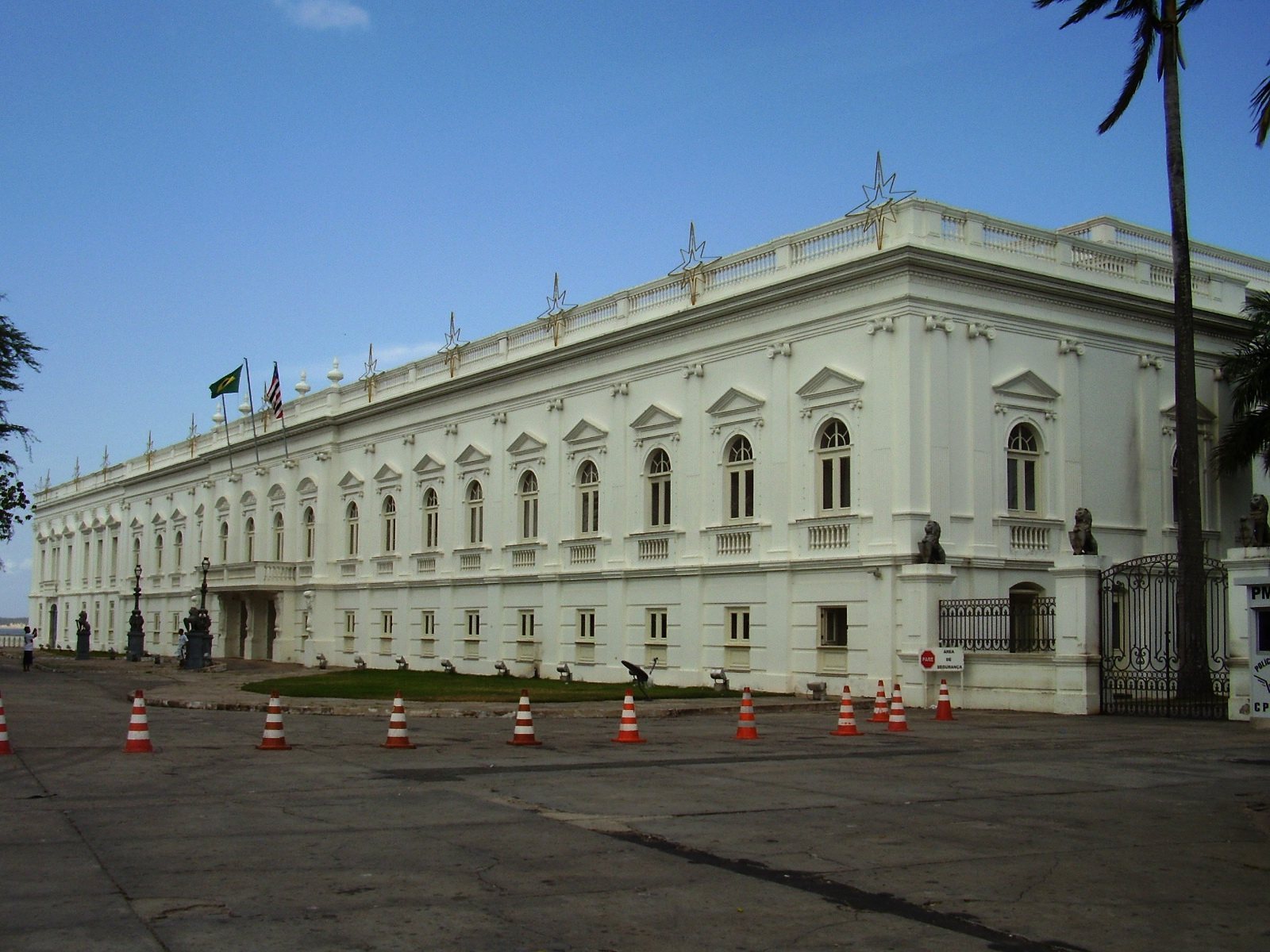
The Palace of the Lions is the seat of Maranhão’s state government in São Luís, Brazil, with roots in the early seventeenth century. Its development from a colonial fort and governors’ residence into a palace is closely tied to the formation of Maranhão’s cultural identity.
French foundation and Portuguese administration
Equinoctial France, a French colonial project in northern South America, was established on 8 September 1612 on the island of Upaon-Acu, between the Bacanga and Anil river estuaries. Led by Daniel de La Touche, Lord of La Ravardière, and acting under the protection of France’s regent, Marie de’ Medici, the French began a fort called Saint Louis in honor of Louis IX, a medieval king of France. After the French were expelled in 1615, the Portuguese renamed the fort São Filipe. Captain-general Jerónimo de Albuquerque began a governors’ residence within it, and military engineer Francisco Frías de Mesquita designed the Portuguese settlement and residence. The residence served as both a home and an administrative office until 1762.
The Government Palace
In 1766, Governor Joaquín de Mello y Póvoas ordered the old Government Palace demolished and replaced. The new building was intended to better accommodate the families of the captains-general who succeeded him, senior colonial officials with military authority. The palace underwent repeated renovations during Brazil’s imperial period, when the country was ruled as an empire from 1822 to 1889. Furniture and other objects were acquired in 1872.
Republican period and the palace’s name
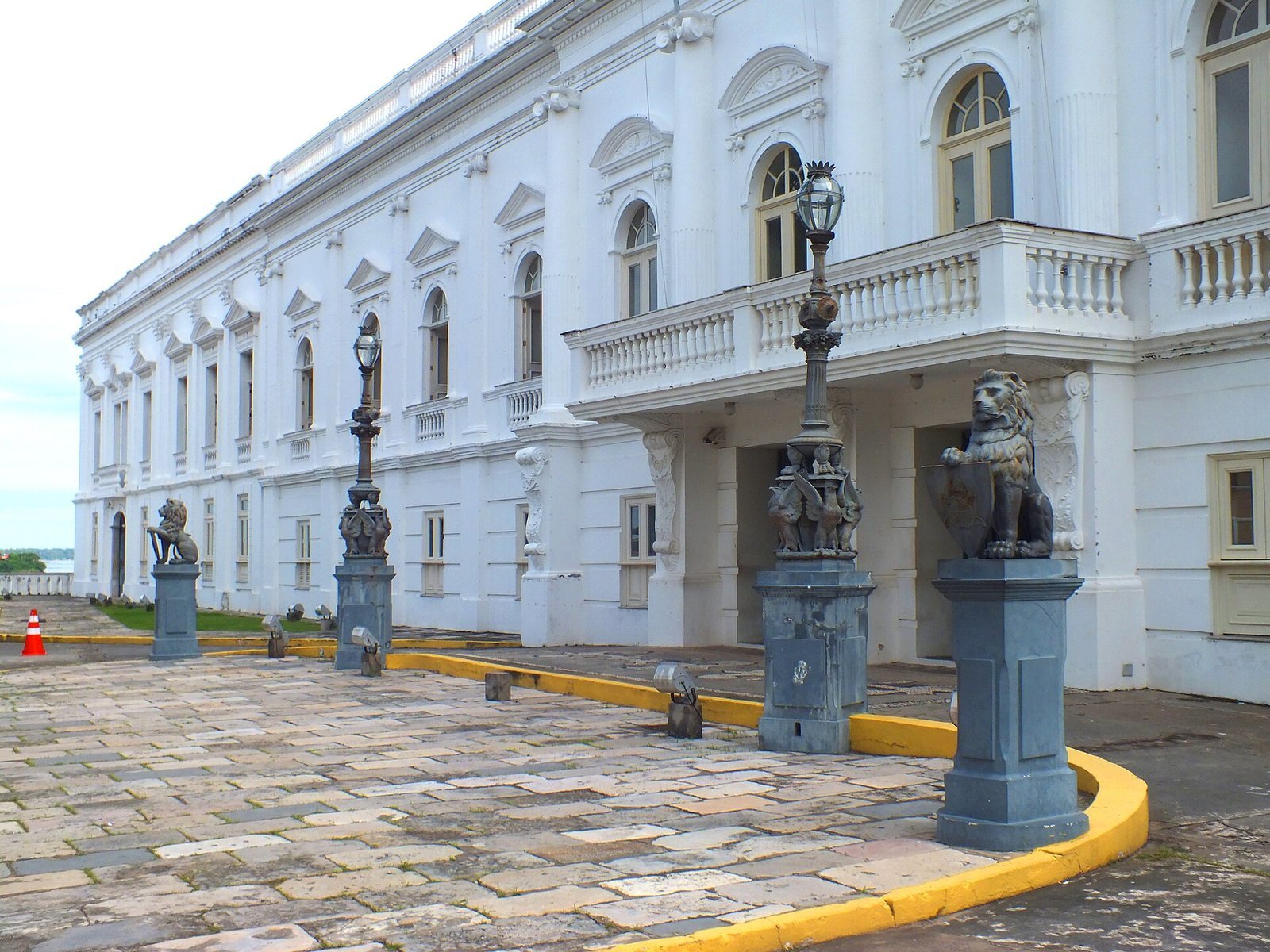
Governor Manuel Ignacio Belfort Vieira oversaw a major renovation in 1896. A further campaign followed under Governor Benedito Leite, who acquired furniture and decorative objects from Europe. When Luis Domínguez took office in 1911, the palace had little furniture and many rooms needed repairs. During a newspaper campaign against Governor Magalhaes de Almeida from 1926 to 1929, La Lucha made ironic comparisons between the palace’s lion imagery and the governor and his cabinet. The name Palace of the Lions caught on with the public and was adopted by successive governments.
A comprehensive restoration of the palace’s facades and interior took place from the 1990s through 2000. The palace stands within the Historic Center of São Luís, which entered the UNESCO World Heritage List in 1997 under criteria iii, iv, and v.
Remains
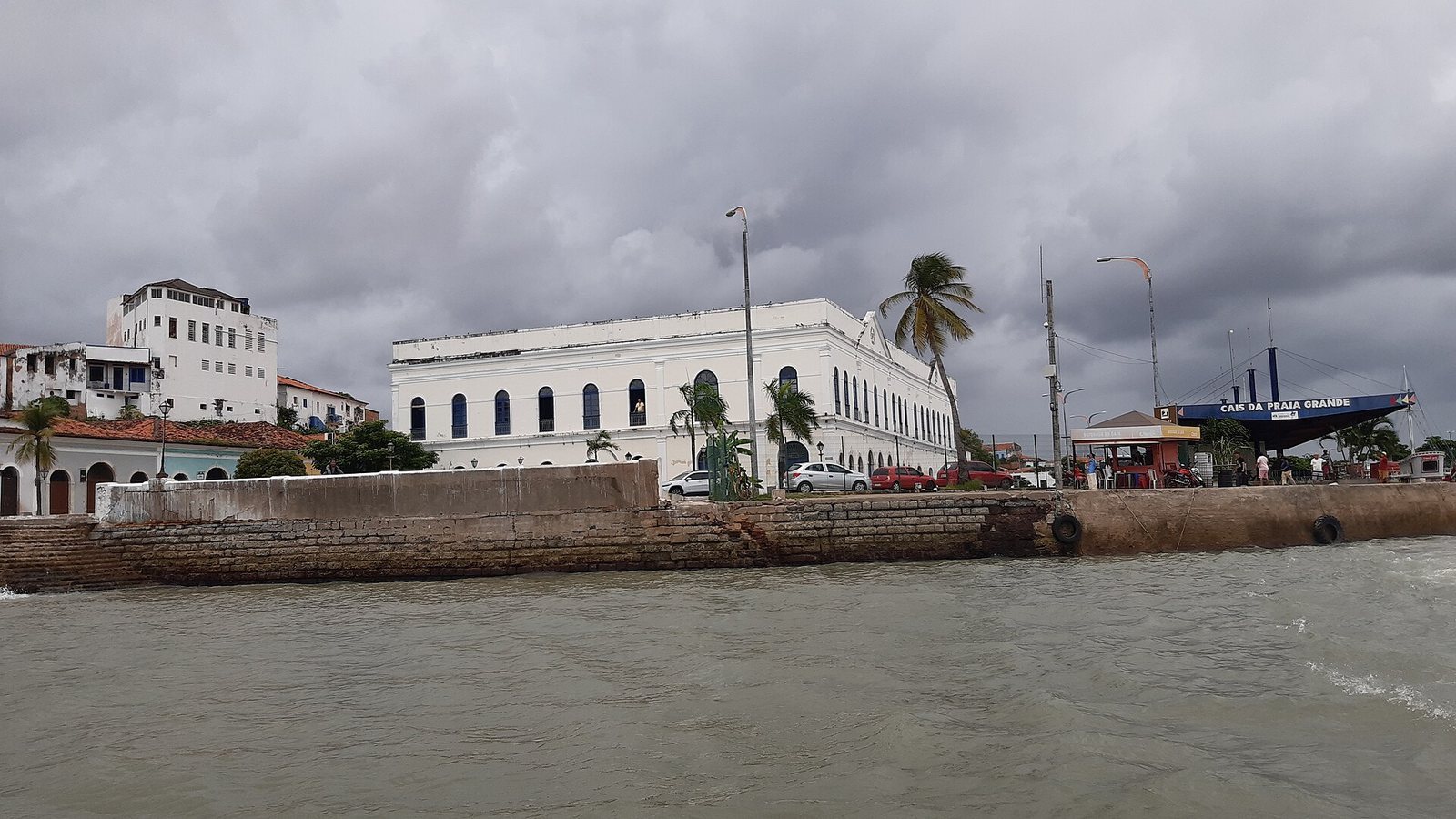
The palace stands on the upper part of the promontory where São Luís originated. Its architectural development encompasses the original fort and residence, a later stone-and-lime palace, and additions made in subsequent renovations.
Fort and early residence
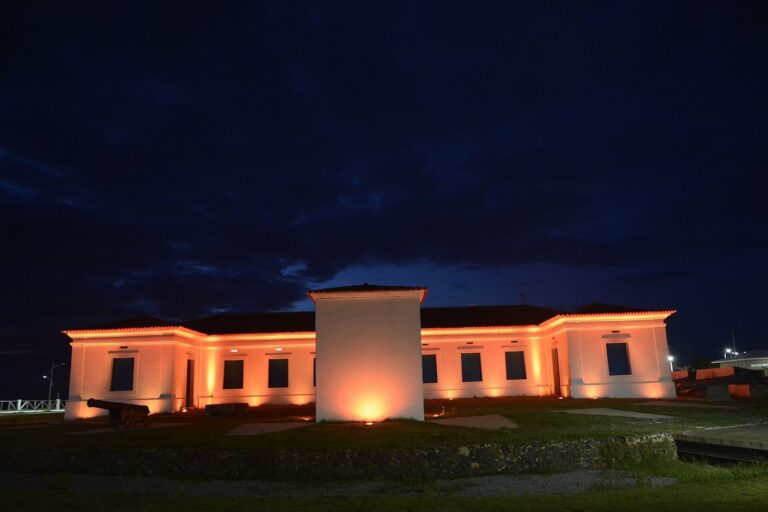
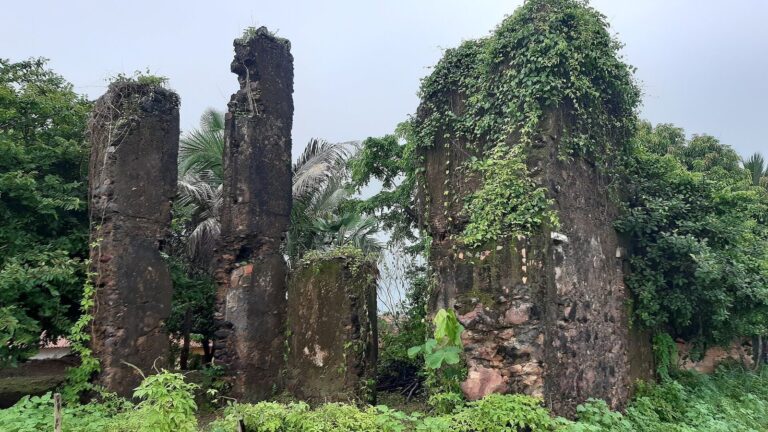
The fort was rebuilt in 1624 using stone and lime. The first governors’ residence within it was made with rammed earth and Indigenous labor, and was also rebuilt in 1624.
The replacement palace
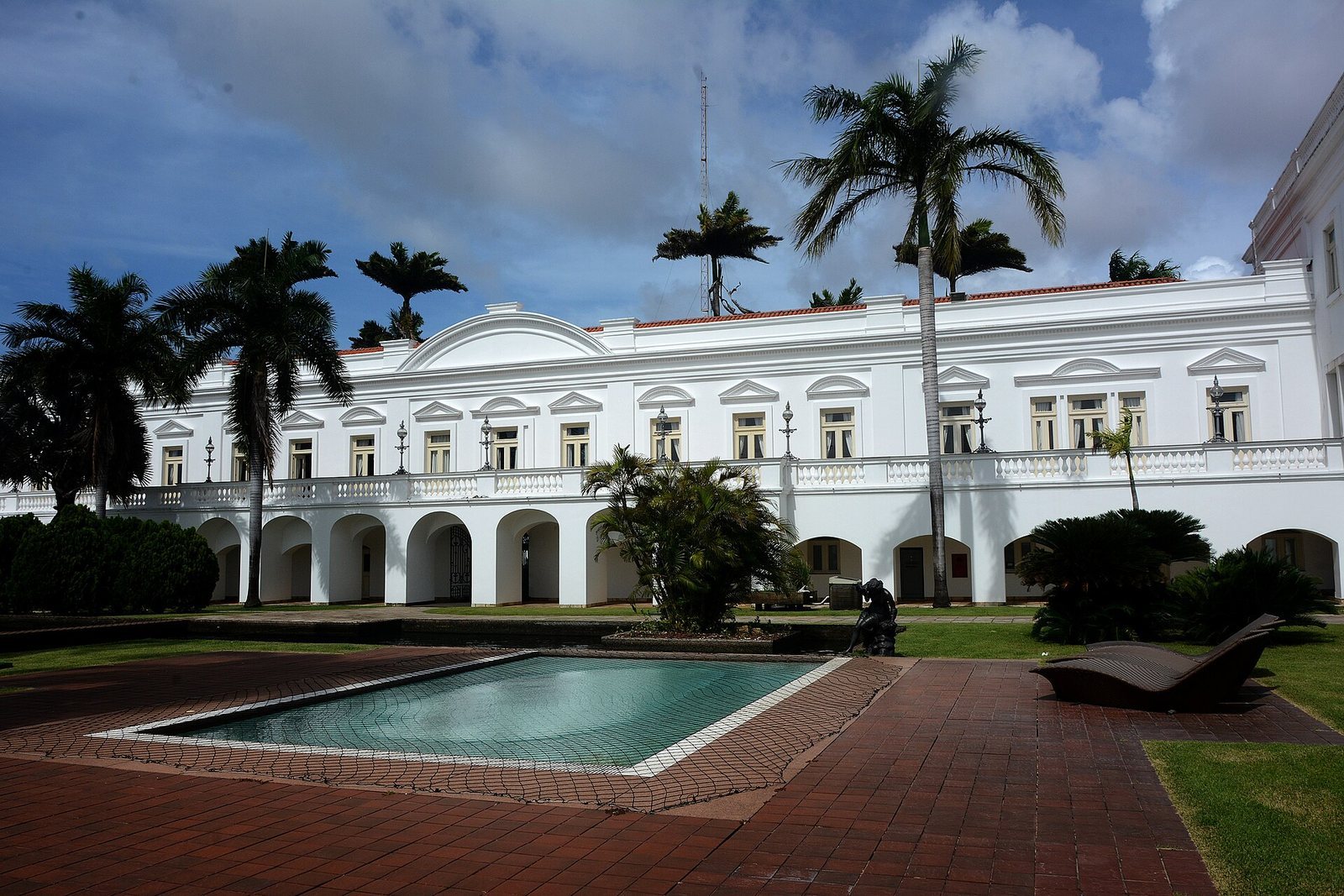
The replacement palace was built of stone and lime, with a restrained design, projecting eaves, and a sloping roof. Its entrance was originally on the side of the building; a renovation in 1857 moved it to the center of the main façade.
Later alterations and additions
Changes made in 1863 included gas lighting, an extended corridor, and work involving carved stone from Portugal. A large rear wing added in 1906 served as the governor’s residence. By 1911, the altered colonial-style façade bore a heraldic shield (a shield-shaped identifying emblem) with lions painted on tiles.