Wallenburg Castle in Miesbach: Former Seat of the Lordship of Waldeck
Site at a Glance
- Popularity
- Medium
- Country
- Germany
- Primary era
- Medieval
- Eras represented
- Medieval
- Civilizations
- Holy Roman Empire
- Site type
- Domestic
- Remains
- Castle
On this page6 sections
History
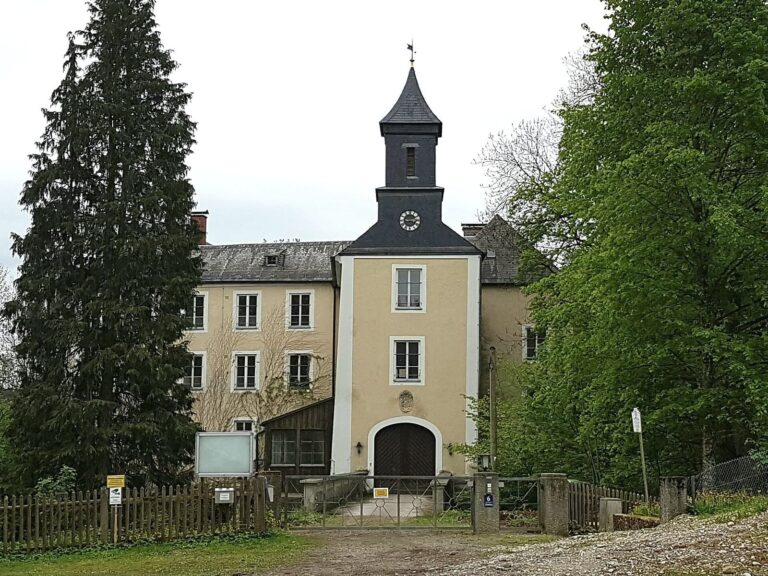
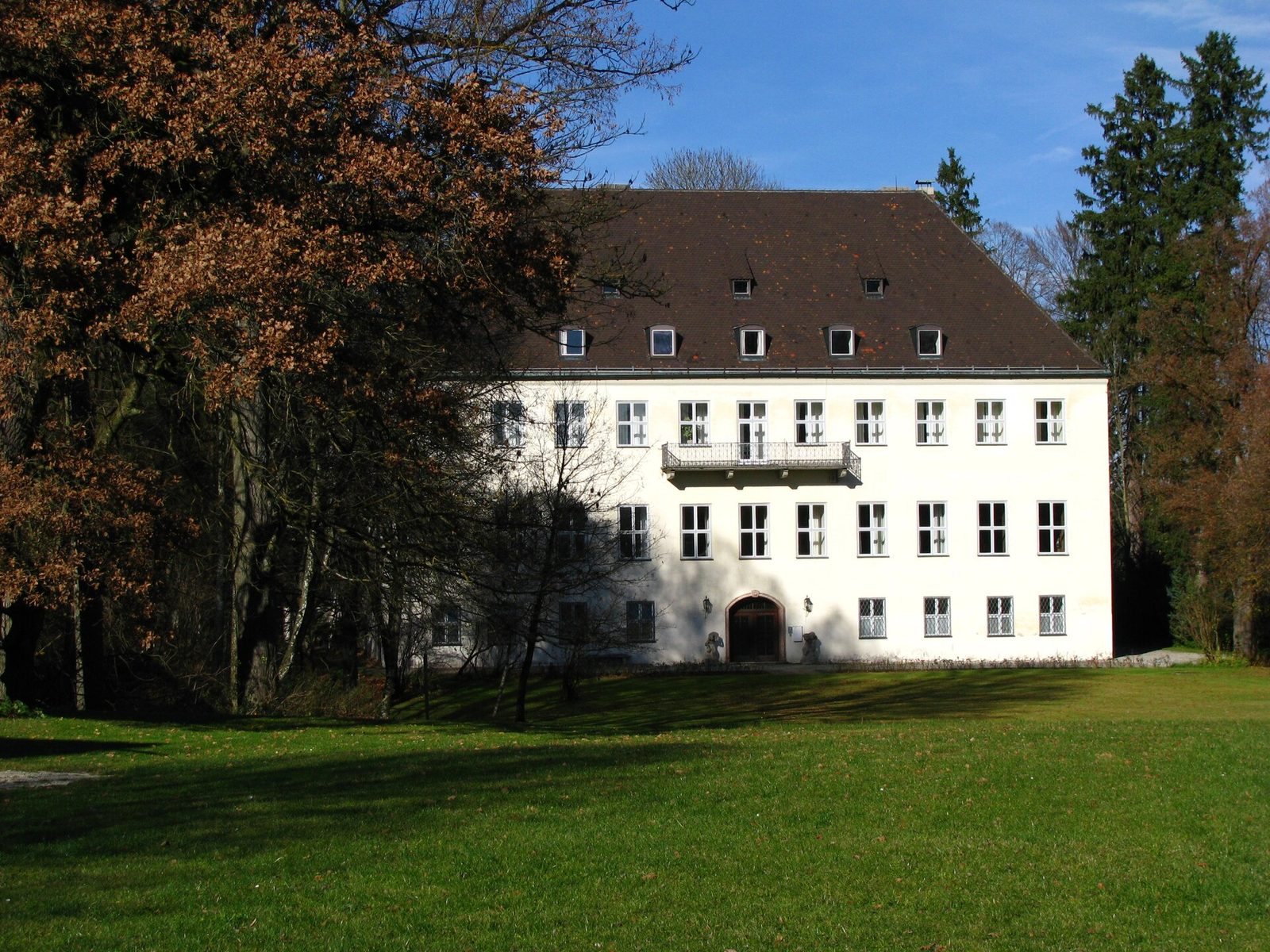
Wallenburg Castle is a medieval castle on a spur just under a kilometer north of Miesbach, Germany. First recorded in 1270 as Waldenberg, it is probably older. From the 15th century, it served as the principal seat of the Lordship of Waldeck, a territory ruled by the Maxlrainer family.
Medieval origins and the Lordship of Waldeck
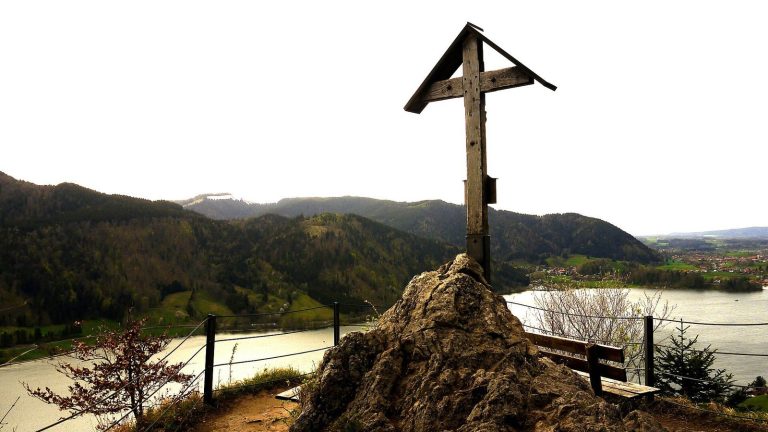
A fire in 1467 was followed by the construction of a new castle. The Lordship of Waldeck later became the County of Hohenwaldeck. Schloss Maxlrain was another seat of the Counts of Hohenwaldeck. Other former seats that have disappeared include Altenwaldeck, Holnstein, Miesbach, and Parsberg; Hohenwaldeck Castle above Schliersee survives as a ruin.
Rebuilding and Bavarian rule
Part of Wallenburg Castle was rebuilt in the second half of the 17th century. The County of Hohenwaldeck passed to Bavaria in 1734. After the transfer, the castle was partly neglected and changed hands several times, including ownership by the Gumppenberg and Fohr families. It later passed by inheritance from the Gans family to the von Kameke family.
At the beginning of the 19th century, the castle’s remaining sections were demolished, except for the south wing. Wallenburg and Schloss Valley are the only surviving castle complexes of medieval origin still in use in Miesbach district, and are among the few such complexes in the Bavarian Oberland. The castle and buried medieval and early-modern remains in its area are protected as monuments. Since 1999, Wallenburger Allee has also been designated a natural monument.
Remains
Castle site
The castle occupies a spur above the Schlierach valley, with the high terrace of Hofwies extending to its south and east. Its only surviving section is the south wing, which contains the Knight’s Hall, decorated with ornamental plasterwork by the Bavarian artist Johann Baptist Zimmermann. Ramparts and ditches remain among the site’s landforms and may point to an earlier origin.
Avenues and landscape
Tree-lined avenues approach the castle and estate from the east and south, with trees described as centuries old. Wallenburger Allee runs from Miesbach to Wallenburg along the Schlierach’s eastern high bank. Parts of it retain old cobblestone surfacing, and its trees include oaks, lindens, maples, and ash trees. Views from the castle extend to the Wendelstein and parts of the Mangfall Mountains.