Jivdhan Fort: A Hill Fort Guarding the Naneghat Pass
Site at a Glance
- Popularity
- High
- Country
- India
- Primary era
- Early Modern
- Eras represented
- Early Modern
- Civilizations
- Maratha
- Site type
- Military
- Remains
- Fort
On this page9 sections
History
Jivdhan Fort is a hill fort in India whose present form is attributed chiefly to the second half of the seventeenth century, during the rule of Maratha leader Shivaji. Its origins may be older, and the fort mattered as a guard post protecting the Naneghat pass, a commercial route between the coast and the mainland.
Early origins and the Naneghat route
The fort’s earliest history is uncertain. Its origins may date to the Satavahana period, when an ancient dynasty ruled parts of the Deccan; a third-century origin is also associated with the site. In later periods, successive kingdoms used Jivdhan as a guard post for Naneghat. Traders used the pass as a toll-collection point, and the open ground between the fort and the pass, about two to three kilometres away, offered a clear view of approaching enemies.
The Nizamshahi episode
A tradition says that Mughal emperor Shah Jahan held the boy Murtaza Nizam Shah III prisoner at Jivdhan. In 1635, Shahaji, Shivaji’s father and a Maratha military and political figure, freed Murtaza and declared him king of Ahmednagar. Murtaza was the last nominal ruler of the Nizamshahi dynasty, which governed the Ahmednagar sultanate.
Maratha rule and British capture
Jivdhan’s present form is chiefly linked to the second half of the seventeenth century, during Shivaji’s rule. British forces besieged and looted the fort between 1815 and 1818. In 1818, after the Maratha defeat in the Third Maratha War, the final conflict between the Maratha Confederacy and the East India Company, Company officer Colonel Prother captured it. British forces then destroyed parts of the fort.
Remains
Setting and construction
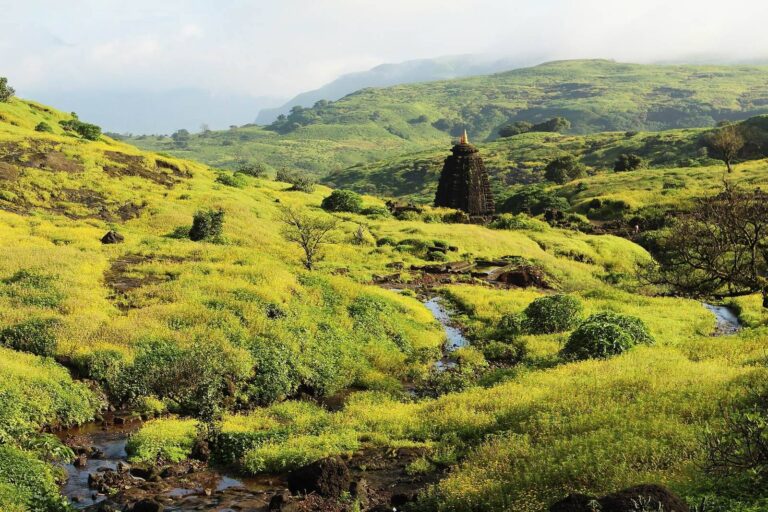
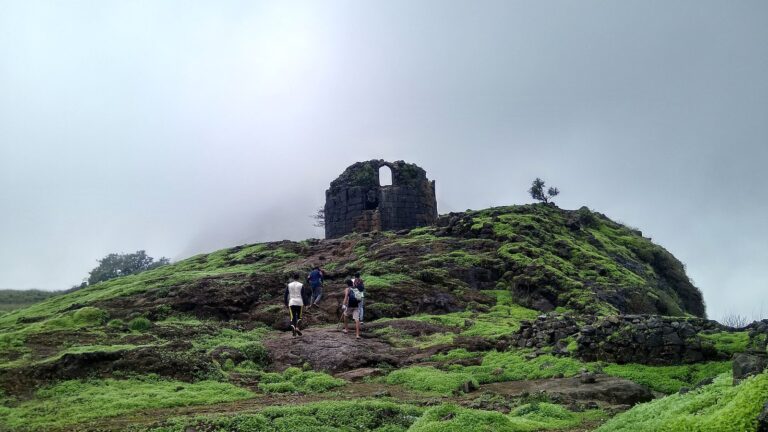
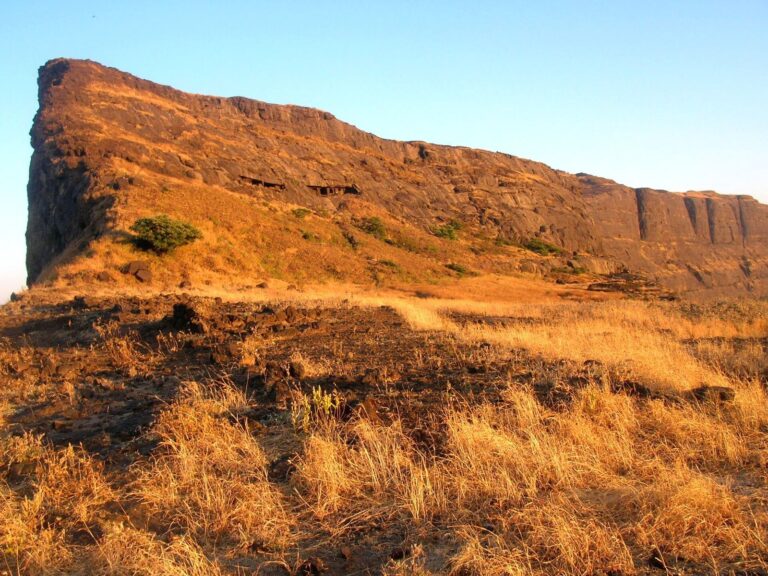
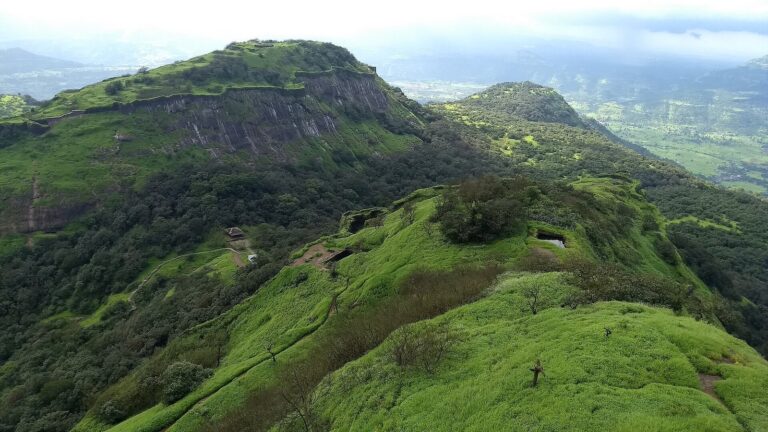
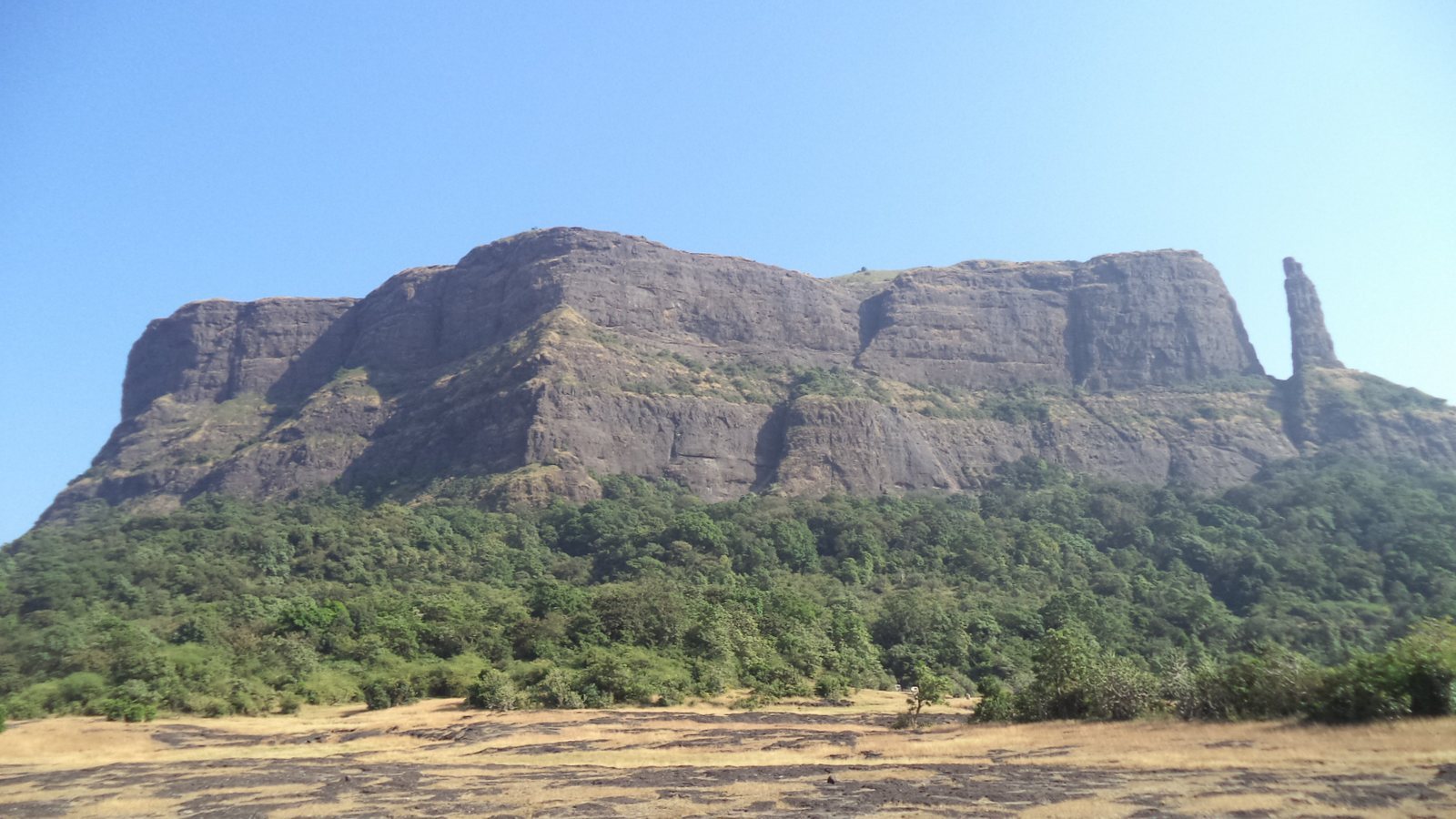
The ruined fort occupies a steep-sided plateau in the Sahyadri, also known as the Western Ghats, at about 1,145 metres above sea level. It lies roughly one kilometre from the modern town of Ghatghar. Much of its stonework consists of carefully dressed blocks, while rubble stone was used in parts of the outer walls. The nearby pinnacle called Vanarlingi rises about 385 feet. From the summit, views extend to Harishchandragad, Chavaand, Ratangad, Naneghat, Hadsar Fort, Nimgiri Fort, Manikdoh Dam, and the Junnar plateau.
Gates and approach
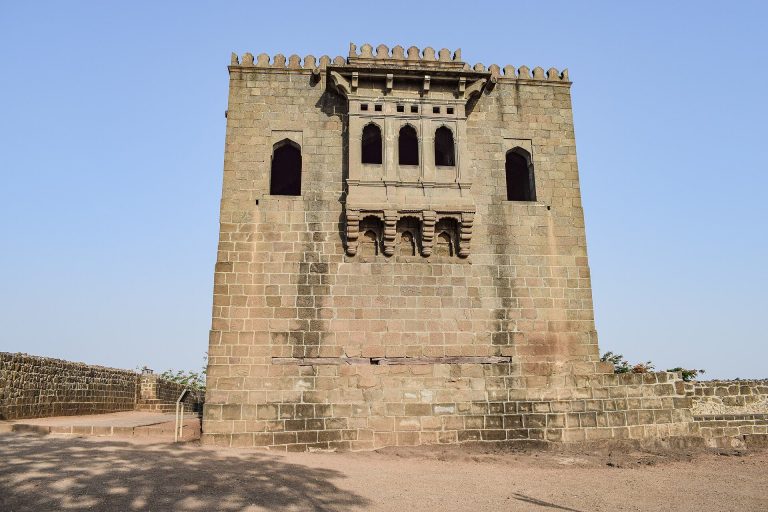
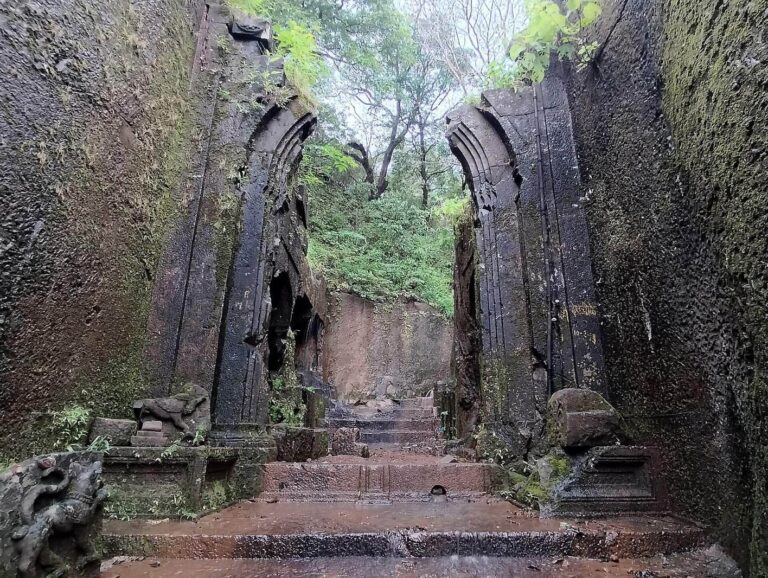
The Main Gate and Kalyan Gate survive in relatively good condition. Carved steps cut into the rock lead to the Kalyan Gate, with hooks fixed into the rock walls beside them.
Summit structures and water
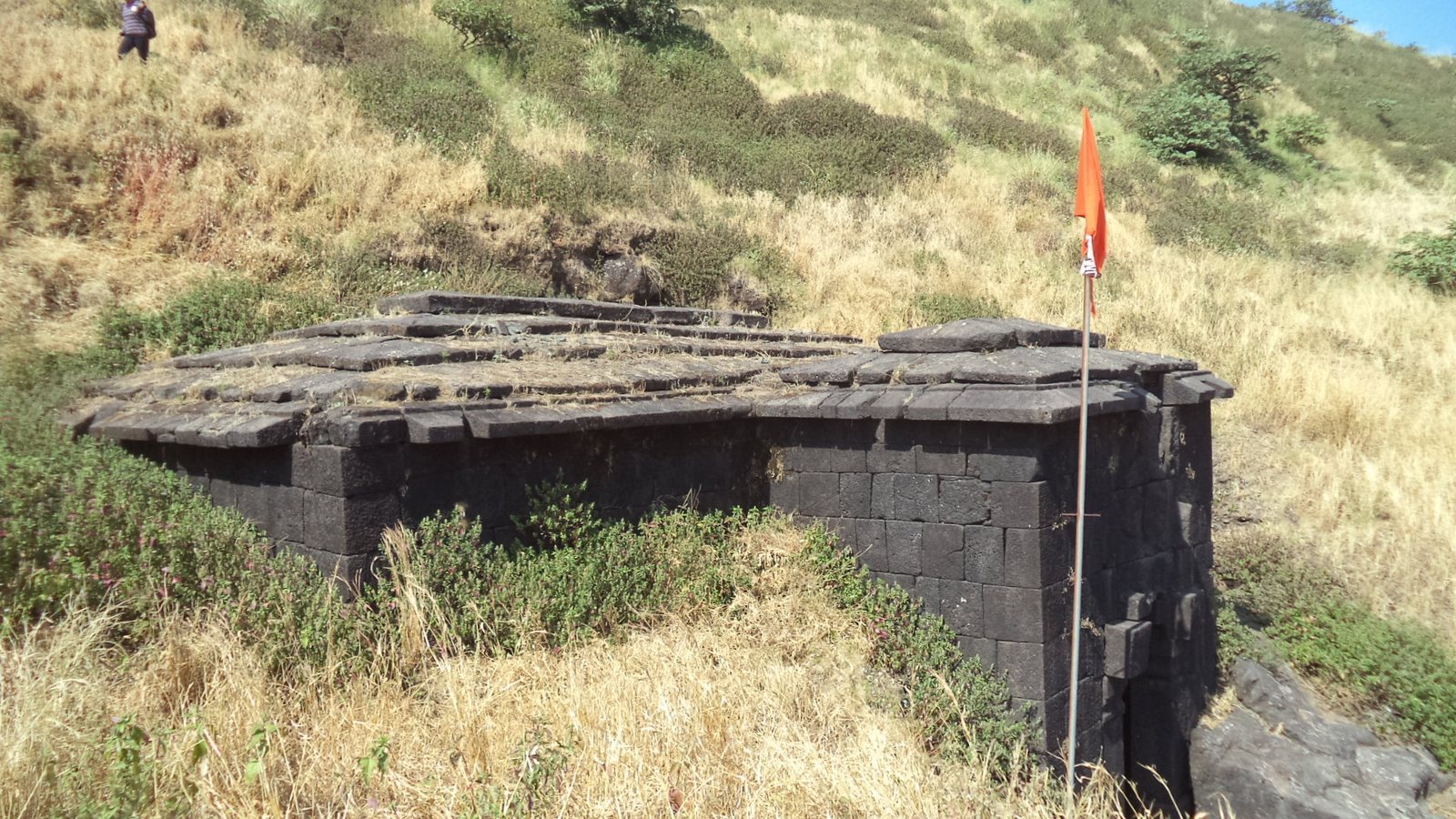
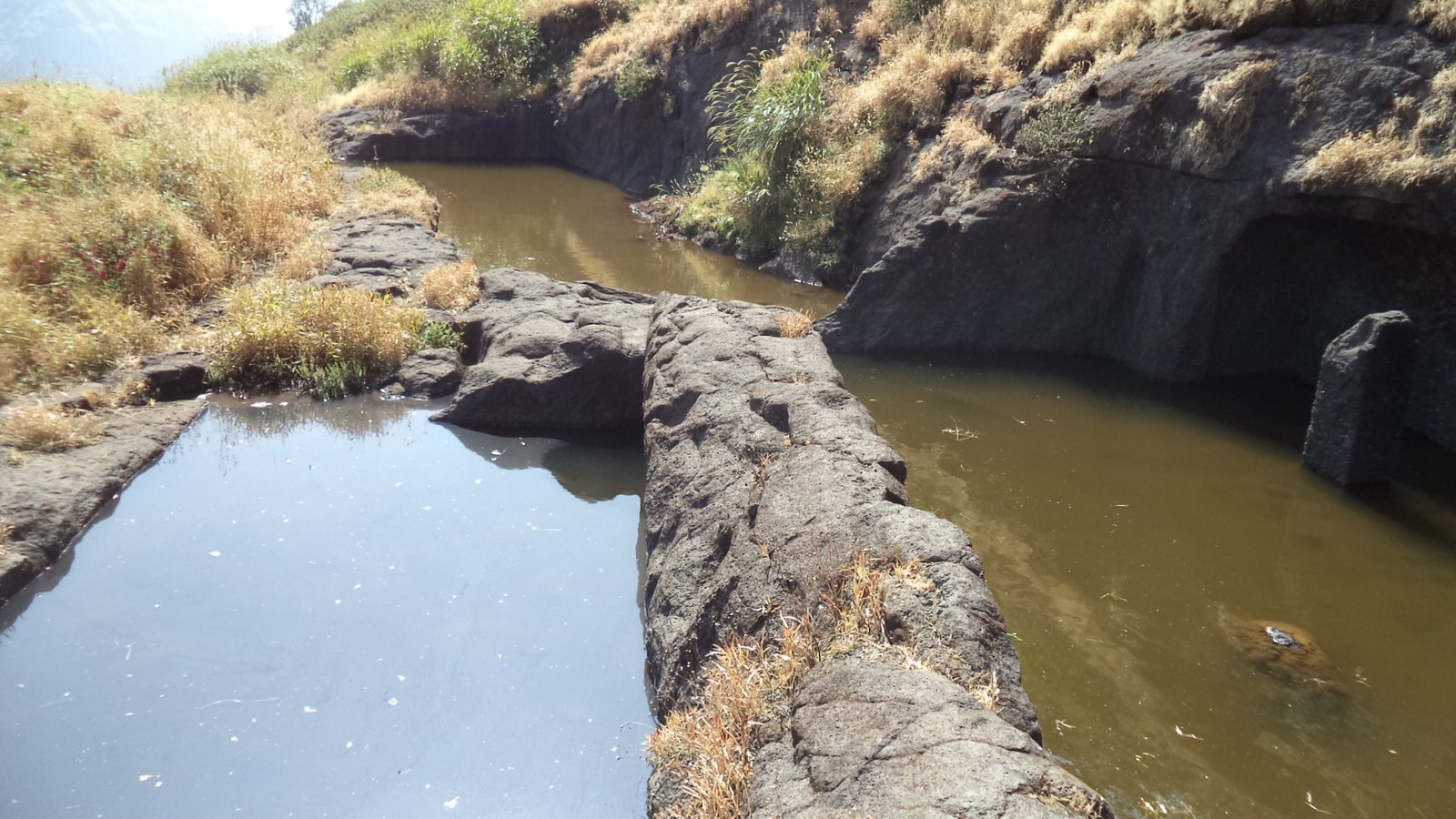
Some storehouses survive on the summit, along with a temple dedicated to a goddess. Three small cisterns remain among the fort’s water tanks. A rock-cut cistern near the Kalyan Gate holds potable water, while tanks near the storehouses contain water that is not potable and remain open throughout the year.
Vegetation and wildlife
Prickly shrubs identified as Lepidagathis cuspidata grow across the fort. The forest at its foothills is also home to the Malabar giant squirrel.