Fürstenberg Castle in Hüfingen: A Medieval Hilltop Stronghold
Site at a Glance
- Popularity
- Medium
- Country
- Germany
- Primary era
- Medieval
- Eras represented
- Medieval, Early Modern
- Civilizations
- Holy Roman Empire
- Site type
- Military
- Remains
- Castle
On this page4 sections
History
Fürstenberg Castle in Hüfingen was a hilltop stronghold in southwestern Germany. A castle probably stood on Fürstenberg from the 12th century. Its builders may have been ministeriales, retainers who served a lord in administrative or military roles, connected with the Zähringen family at nearby Neudingen.
Dynastic transfers and a comital residence
The castle was first recorded in 1175, when it passed from the counts of Zollern to the dukes of Zähringen. After Berthold V, the last Zähringen duke, died in 1218, the family’s inheritance at Fürstenberg went to their relatives, the counts of Urach.
By 1250, Count Henry of Urach had made the castle his residence and began using the title Count of Fürstenberg. He enlarged the castle and the settlement on the hill. The settlement gained town rights in 1278.
Renewal, revolt, and destruction
In the early 16th century, the castle was remodeled and its defenses renewed. During the Peasants’ War, a series of uprisings in German-speaking lands in 1524–25, insurgents stormed Fürstenberg.
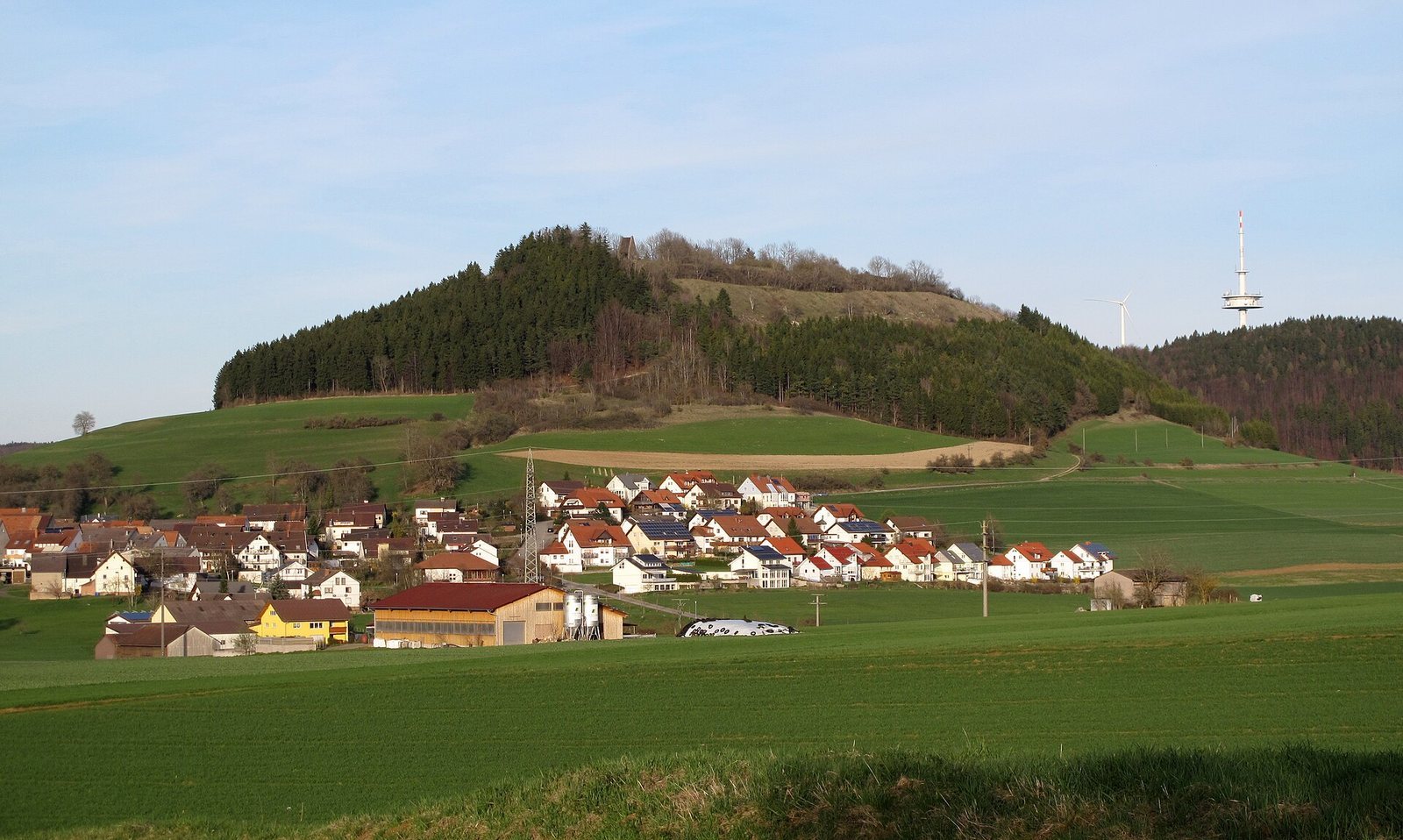
In 1632, during the Thirty Years’ War, the major European conflict fought from 1618 to 1648, the castle and town were largely destroyed. The castle was not rebuilt. The town was later devastated by a catastrophic fire in 1841 and rebuilt at the foot of the hill. It is now a district of Hüfingen.
Remains
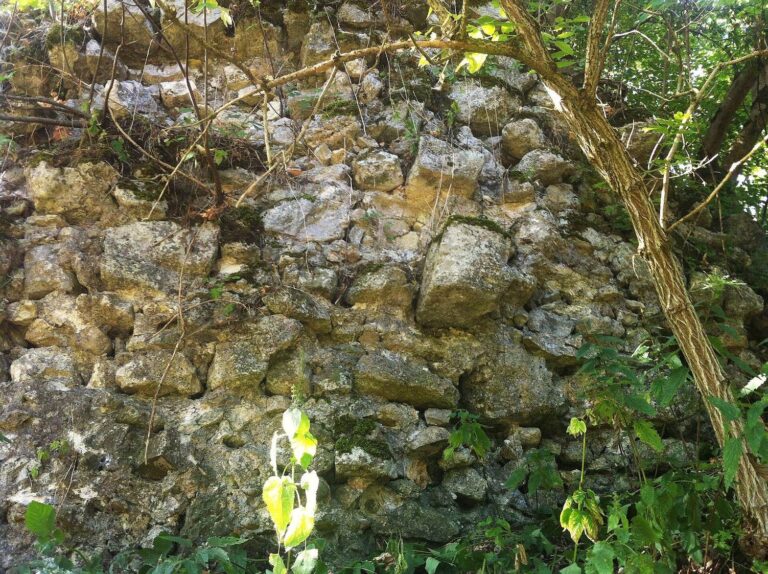
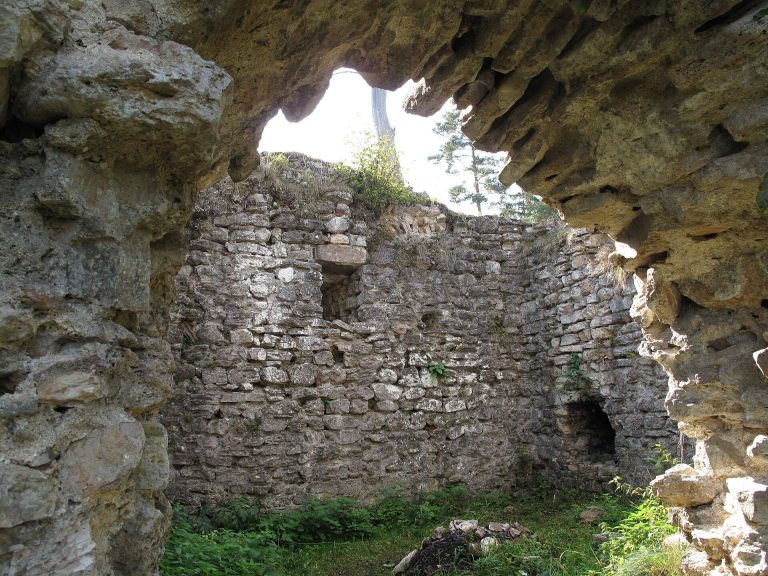
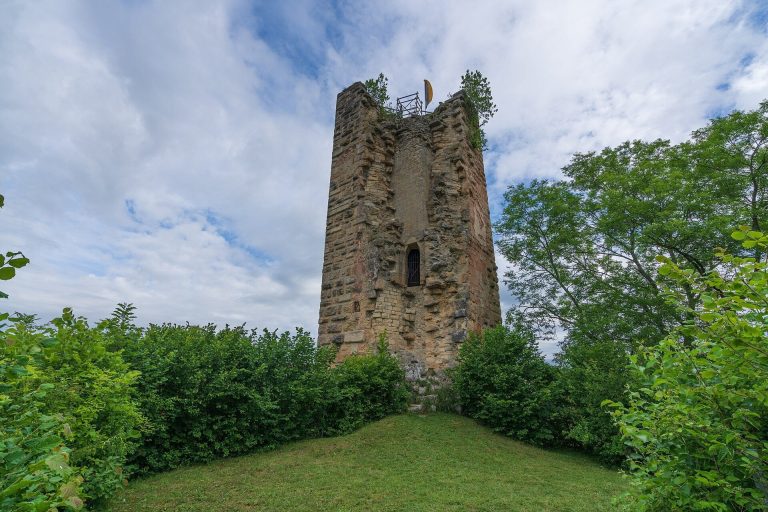
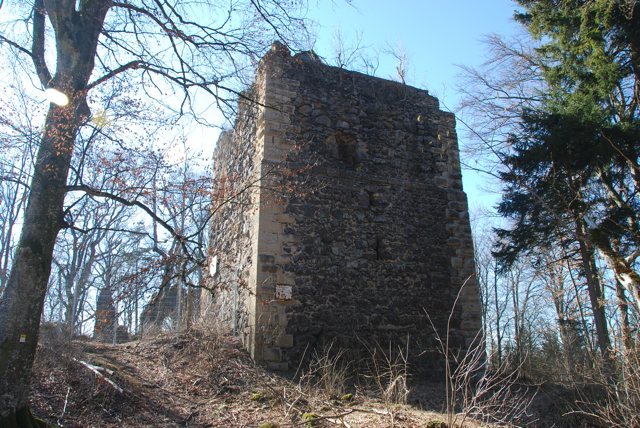
The castle occupied the northwest corner of Fürstenberg, a hill rising to 918 metres. Ramparts and ditches mark the site, where only slight traces of the buildings remain. The castle’s surviving structures had been cleared away by the 19th century.