Coventry Castle: A Medieval Motte-and-Bailey Fortress
Site at a Glance
- Popularity
- Medium
- Country
- United Kingdom
- Primary era
- Medieval
- Eras represented
- Medieval
- Civilizations
- English
- Site type
- Military
- Remains
- Castle
On this page7 sections
History
Coventry Castle was a medieval motte-and-bailey fortress in Coventry, United Kingdom, built in the early twelfth century by Ranulf de Gernon, the 4th Earl of Chester. A motte-and-bailey castle combined a raised earth mound with an enclosed area. The fortress became a focus of conflict during the Anarchy, the civil war in England during King Stephen’s reign.
The Anarchy and the castle’s destruction
The castle’s first known military use came when Robert Marmion, a supporter of Stephen, expelled the monks from the neighboring Priory of St Mary and turned the site into a stronghold against Ranulf. Marmion died in the fighting. In 1146, Stephen captured Ranulf and compelled him to surrender several castles, including Coventry.
Ranulf tried to recover Coventry in 1147 by besieging it. The king’s supporters withdrew behind the castle’s defenses. After the siege was lifted, Stephen destroyed the fortress. Coventry Castle was probably repaired afterward, as it was described as a viable fortification in 1182. It was demolished in the late twelfth century.
Later use of the site
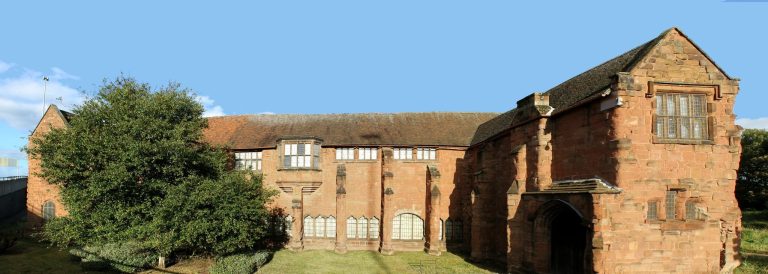
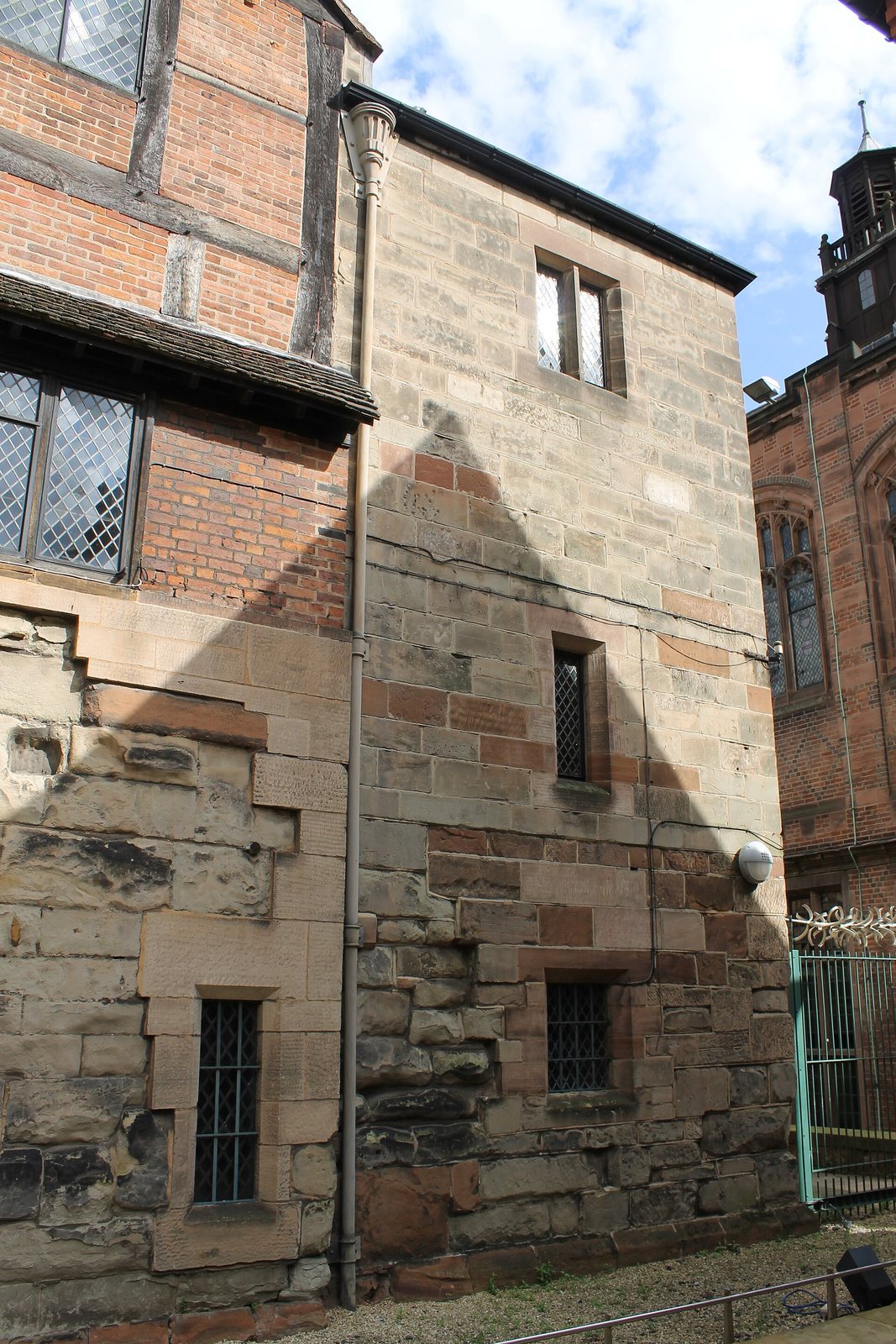
St Mary’s Guildhall was built on part of the former castle site and over its ruins. By November 1569, the guildhall had been built onto Caesar’s Tower, where Mary, Queen of Scots, was detained. Caesar’s Tower was rebuilt after bombing during the Second World War.
Remains
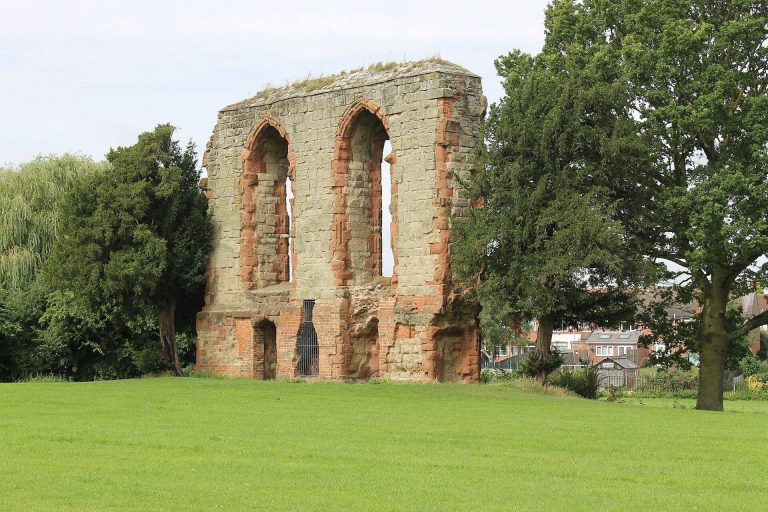
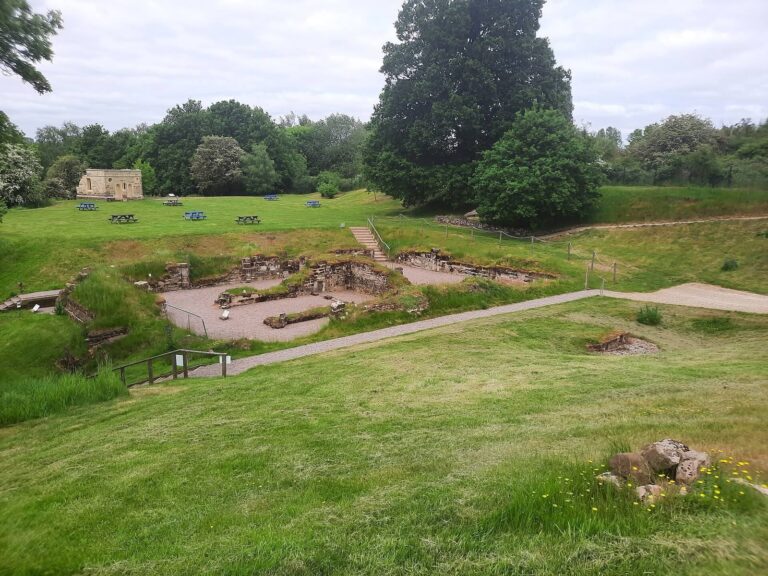
The castle had a motte-and-bailey layout, with a raised earthwork mound and an enclosed area. Later buildings cover parts of its former site, and Caesar’s Tower is thought to be the sole surviving remnant.
Surviving structures and built-over areas
Caesar’s Tower
Caesar’s Tower forms part of St Mary’s Guildhall. Its lower floor contains the Treasury. The room above is called the Mary Queen of Scots Room, although this identification is thought to be incorrect.
Guildhall and later buildings
St Mary’s Guildhall occupies part of the former castle site and stands over its ruins. The Cathedral Lanes Shopping Centre also covers part of the site.