Palazzo Regio: Sardinia’s Former Seat of Governors and Viceroys
Site at a Glance
- Popularity
- Medium
- Country
- Italy
- Primary era
- Medieval
- Eras represented
- Medieval, Early Modern, Modern
- Civilizations
- Italian, Kingdom of Sardinia, Republic of Pisa
- Site type
- Civic
- Remains
- Palace
On this page9 sections
History
Pisan foundation and royal administration
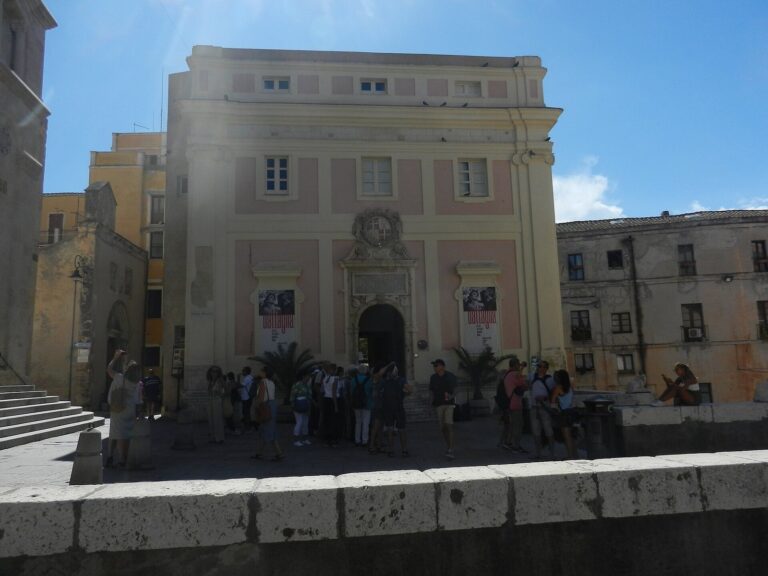
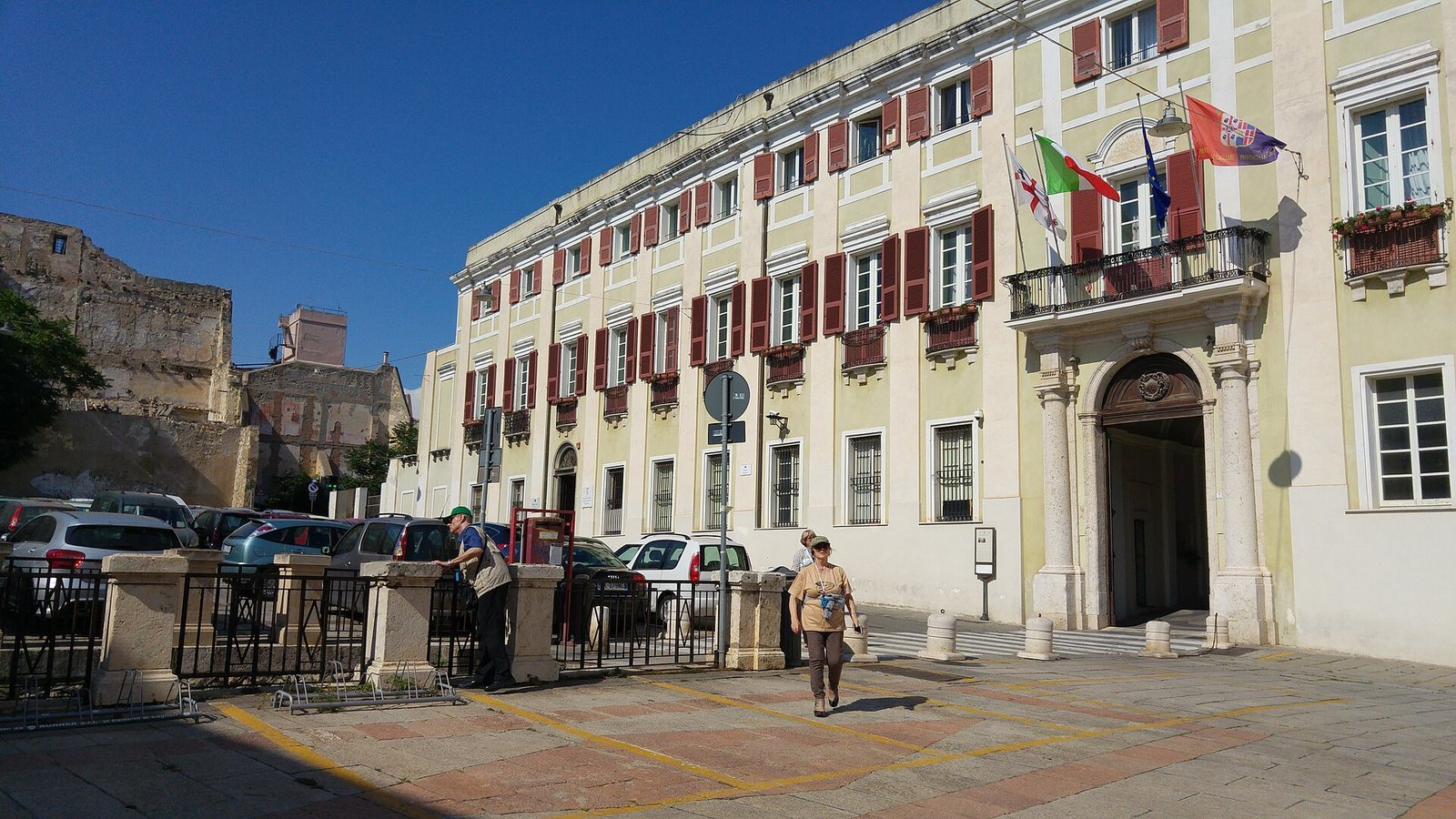
Palazzo Regio is a historic palace in Piazza Palazzo, in Cagliari’s Castello district, Italy. Built by the Pisans, the people of the medieval Italian maritime city-state of Pisa, in the thirteenth century, it became Sardinia’s seat of royal governors in 1337. At the request of Peter IV of Aragon, king of the Crown of Aragon, the palace became the residence of the island’s royal representative. It later housed viceroys, governors who ruled on behalf of a monarch, under Aragonese, Spanish, and Savoy rule.
Royal residence
The palace was modified and extended over the centuries, with particularly extensive restoration in the eighteenth century. From 1799 to 1815, it served as the residence of the royal family and court, who had left Turin during its occupation by Napoleon, the French military and political leader who became emperor of France.
Provincial and present-day use
In 1885, Palazzo Regio became provincial property and was adapted for use as a representative office, with its interiors restored for that purpose. It now houses the Prefecture, offices of the Metropolitan City of Cagliari, and decentralized offices of the Province of South Sardinia.
Remains
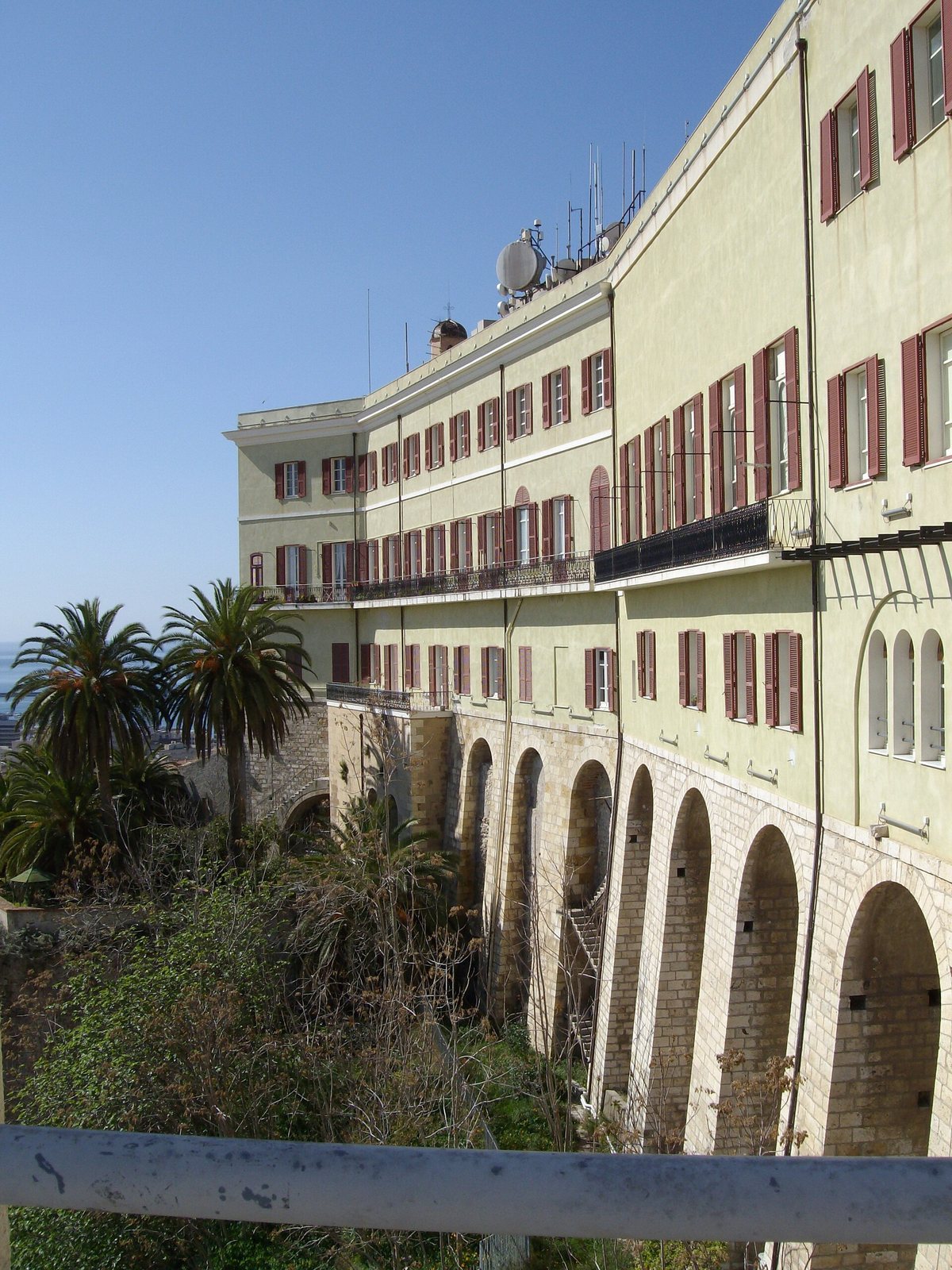
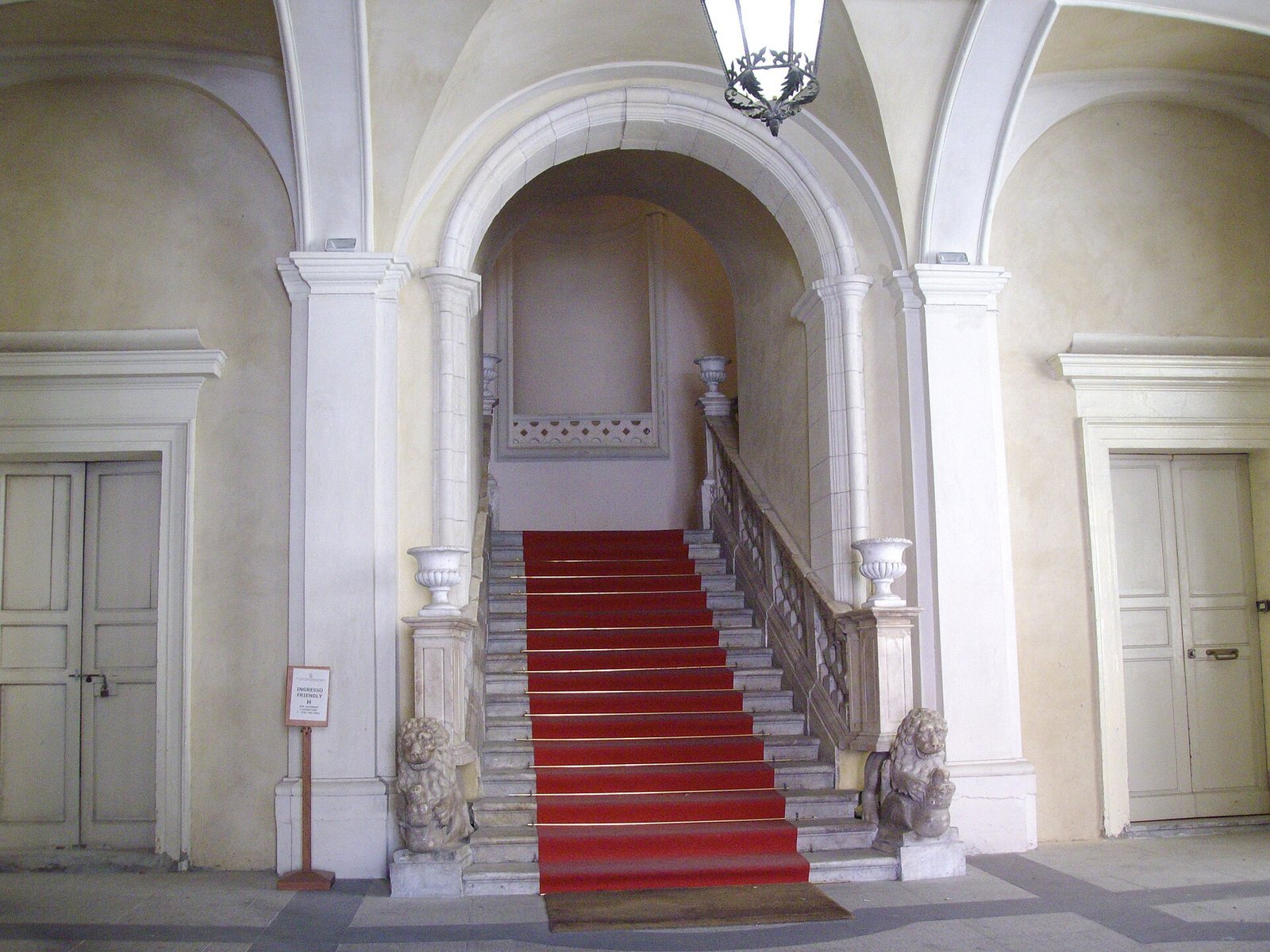
Palazzo Regio stands in Piazza Palazzo and has west and east façades. Its described interior features include a grand staircase leading to the main floor and a Council room.
Architecture and interiors
Grand staircase and main floor
Piedmontese engineers de Guibert and de Vincenti built the grand staircase in 1730 to reach the main floor. Engineer Augusto de la Vallée restored the rooms on that floor in 1735.
West façade
By 1769, the west façade had been arranged so that its main portal aligned with the staircase. An inscription on the lunette, a semicircular area above a door or window, over the window opening onto the central balcony records the façade’s completion.
Council room
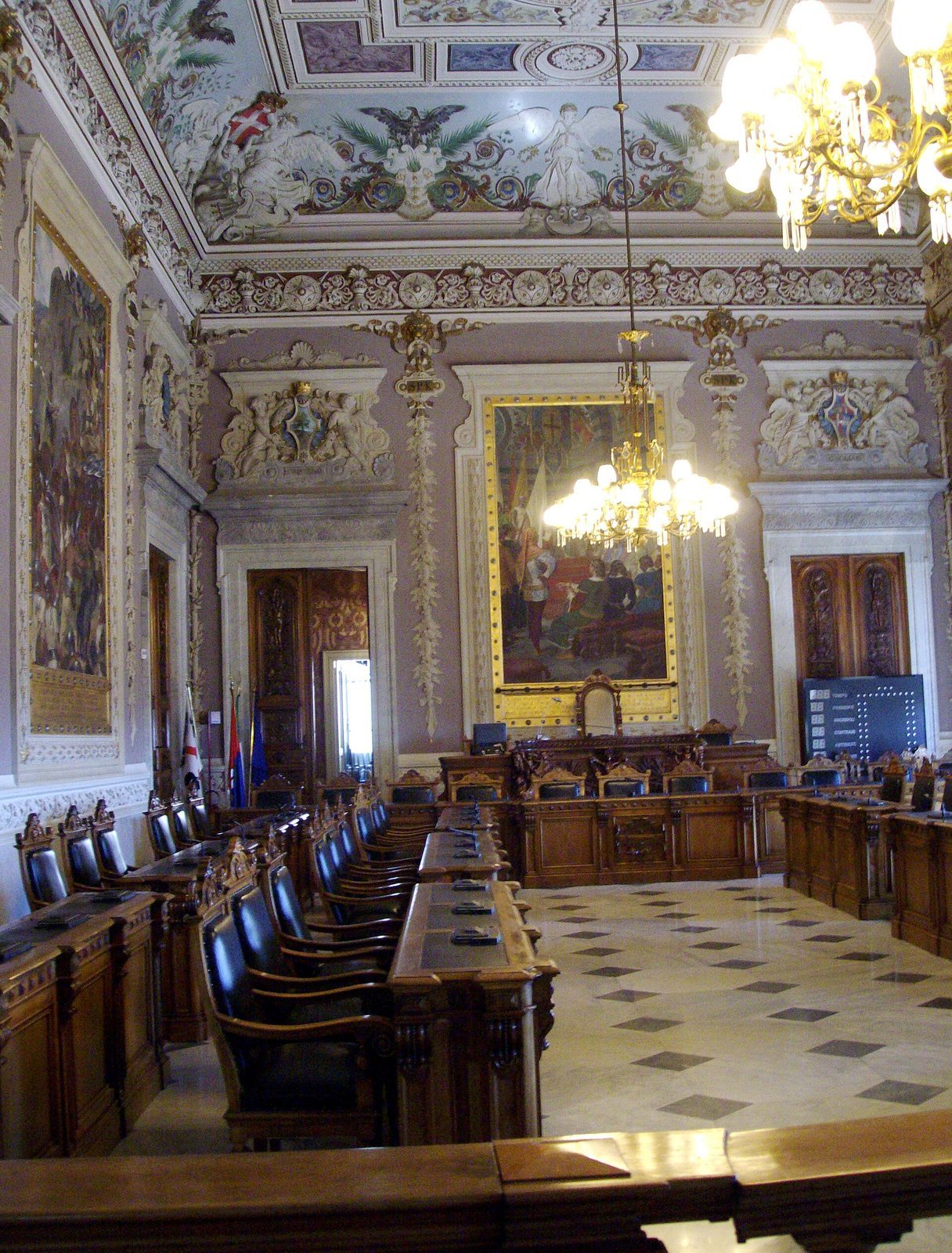
Between 1893 and 1896, Italian painter Domenico Bruschi, from Perugia, painted frescoes in the Council room, while Angeletti carried out the stucco work.