Wietersheim Castle: A Manor Estate and Commandery of St John
Site at a Glance
- Popularity
- Medium
- Country
- Germany
- Primary era
- Modern
- Eras represented
- Modern
- Civilizations
- Unclassified
- Site type
- Domestic
- Remains
- Castle
On this page7 sections
History
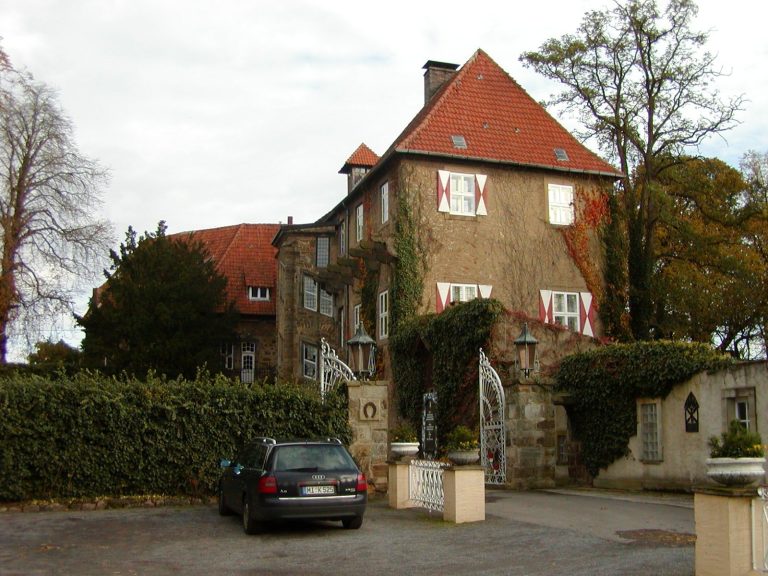
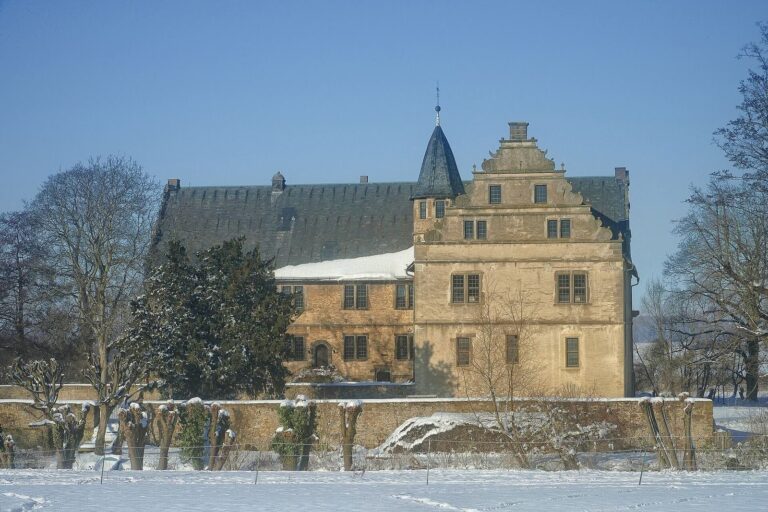
Wietersheim Castle is a castle in Petershagen, Germany, built in 1323 as both a manor estate and a commandery of the Order of St John, a medieval religious and military order. Its position between the Prince-Bishopric of Minden, an ecclesiastical territory ruled by a prince-bishop, and the neighboring County of Schaumburg drew it into recurring border disputes and repeated destruction.
Sale and the Schlotheim family
In 1799 the estate was sold to Philipp von Cornberg, a baron and canon of Minden Cathedral, for 103,000 talers, which he deposited in cash. The commandery continued until 1811 as a financial institution, with its commander receiving interest on the deposited capital.
Baron Carl von Schlotheim lived at Wietersheim with his wife, Félicité-Mélanie Legarde, the biological daughter of Jérôme Bonaparte, a younger brother of Napoleon I and king of the Kingdom of Westphalia. In 1810, Jérôme appointed her Countess of Wietersheim. Carl became Minden’s district administrator and was known locally for his road-building work. Their son, Eduard Ernst Franz Johann von Schlotheim, grew up at the castle.
Postwar damage
From May 1945 to February 1949, the castle was in a part of Amt Windheim requisitioned to house displaced people uprooted by the Second World War and its aftermath. The building suffered severe damage during this period, and reconstruction began only after the requisition ended. The castle is now privately owned.
Remains
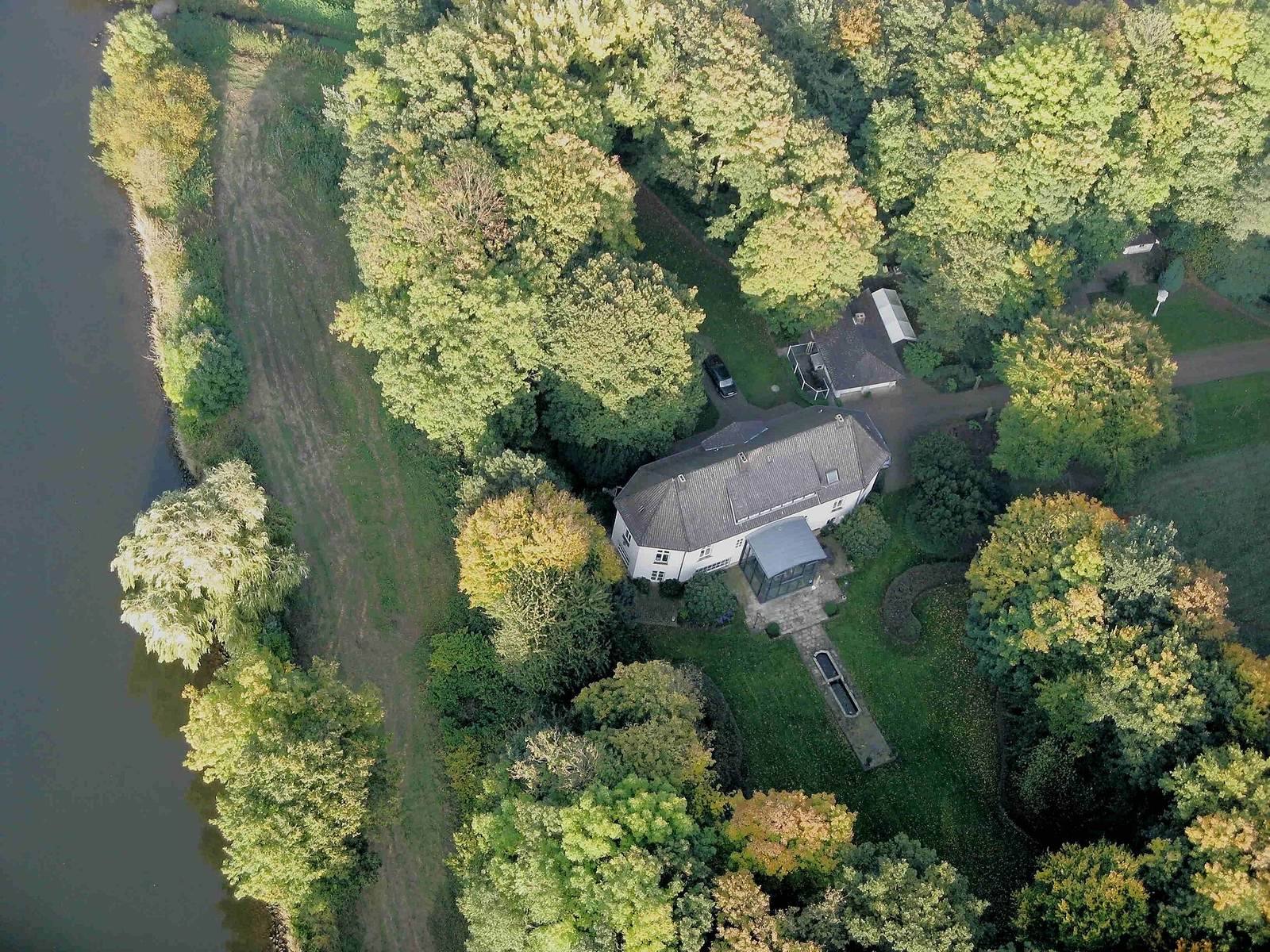
The complex stands on a middle terrace on the eastern bank of the Weser, at river kilometre 210, amid sandy meadows in front of Wietersheim village. It lies about nine kilometres north of Minden. The original buildings were timber-framed.
Buildings and grounds
Chapel
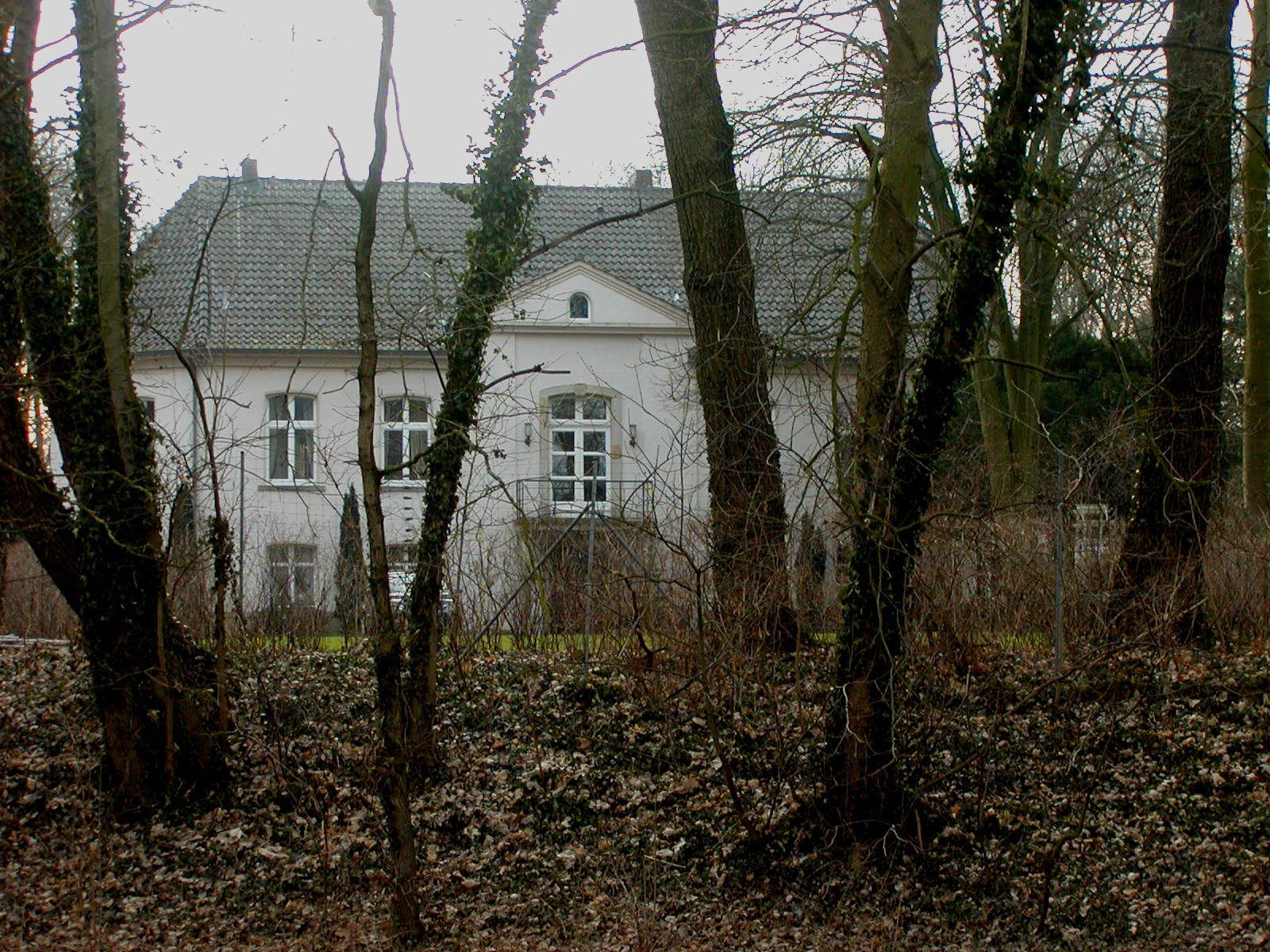
A chapel was later added in solid masonry. Around 1810 it was remodelled into the compact, octagonal building that stands today, in the Neoclassical style, which draws on forms and design principles associated with ancient Greek and Roman architecture.
Gardens
Three garden areas existed at the beginning of the eighteenth century. They were lost when trees were felled after the Second World War, and the present garden is a new layout.