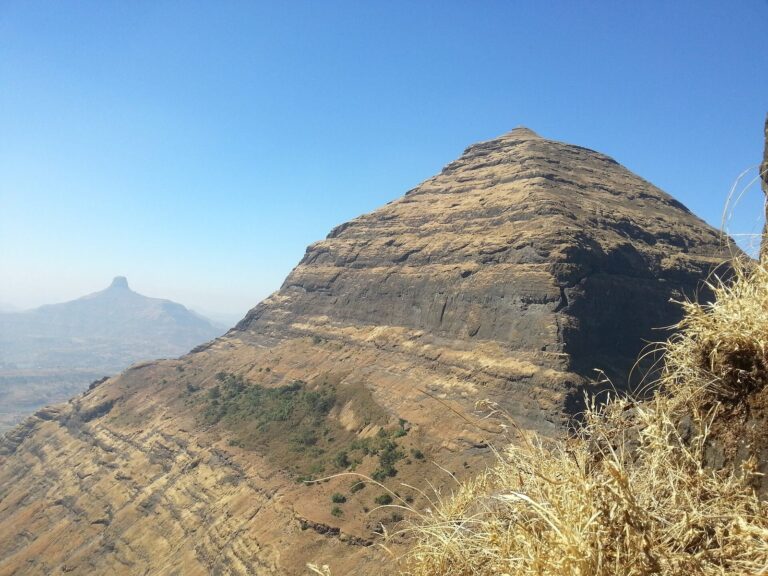
Chandwad Fort: A Hill Fort in Maharashtra, India
Site at a Glance
- Popularity
- Medium
- Country
- India
- Primary era
- Medieval
- Eras represented
- Medieval
- Civilizations
- Unclassified
- Site type
- Military
- Remains
- Fort
On this page5 sections
History
Chandwad Fort, also known as Chandor Fort, is a hill fort in Maharashtra, India, about 3 km from Chandwad. Dridhaprahara, founder of the Seuna, or Yadava, dynasty, built it around AD 801. The Seuna were a medieval ruling house in the Deccan. The fort overlooked the trade route between Khandesh and Nashik and guarded the nearby Chandor Pass.
Regional associations and changing rule
King Bhoj established 52 temples in the surrounding region, and his daughter Chandrakala married King Vikram at the fort. The Bahmani Sultanate, a Deccan kingdom, controlled the fort in the 14th century. A Mughal army captured it alongside Indrai Fort in 1635. The Maratha Empire took it in 1665, and Mughal emperor Aurangzeb later recaptured it.
Maratha-era settlement and British capture
Between 1754 and 1756, Maratha noble and military leader Malharrao Holkar encouraged craftspeople to settle in Chandwad by granting them land. The town later became known for brasswork. On 10 April 1818, after Ankai and Tankai forts surrendered, British forces seized Chandwad Fort with a detachment led by Lieutenant Colonel McDowell.
Colonial rule and the decline of the trade route
East India Company control is dated from 1818 to 1857. During the 1857 rebellion, a major uprising against Company rule, the 24th Maratha Regiment initially took charge of the fort, but surrendered it to British forces in 1859. Direct British Crown rule, known as the British Raj, followed from 1859 to 1947; the fort has been under Indian control since 1947. The opening of a Great Indian Peninsula Railway depot at Manmad in 1861 diverted most trade-route traffic away from Chandwad. The Government of India owns the fort.
Remains
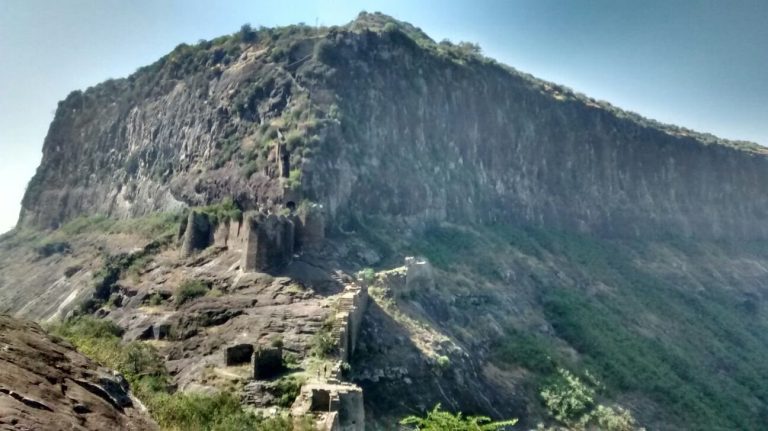
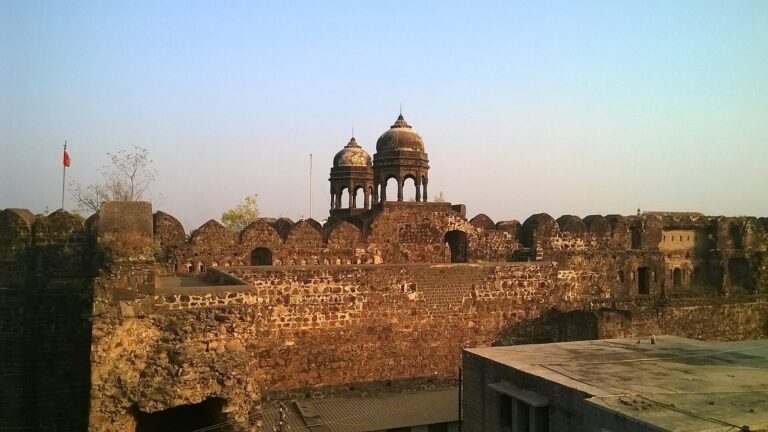
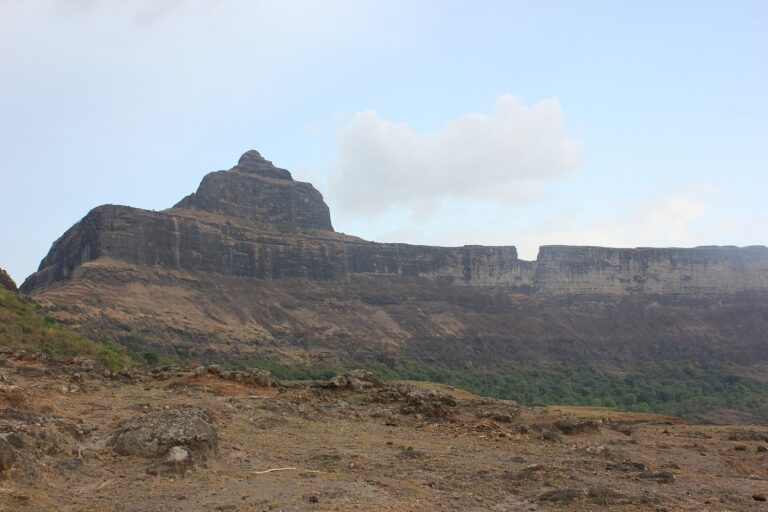
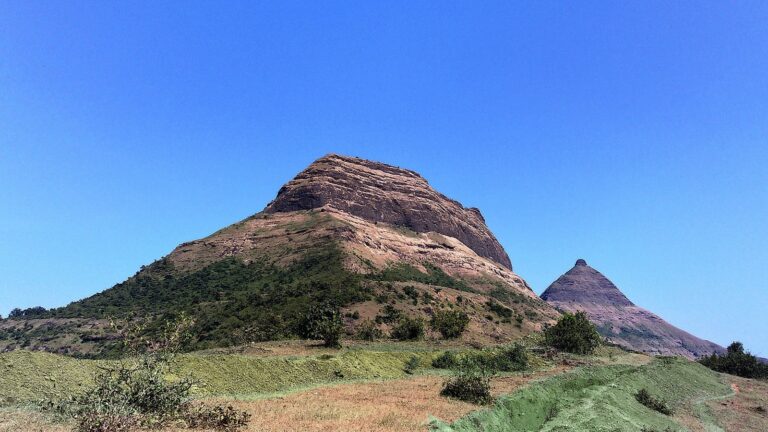
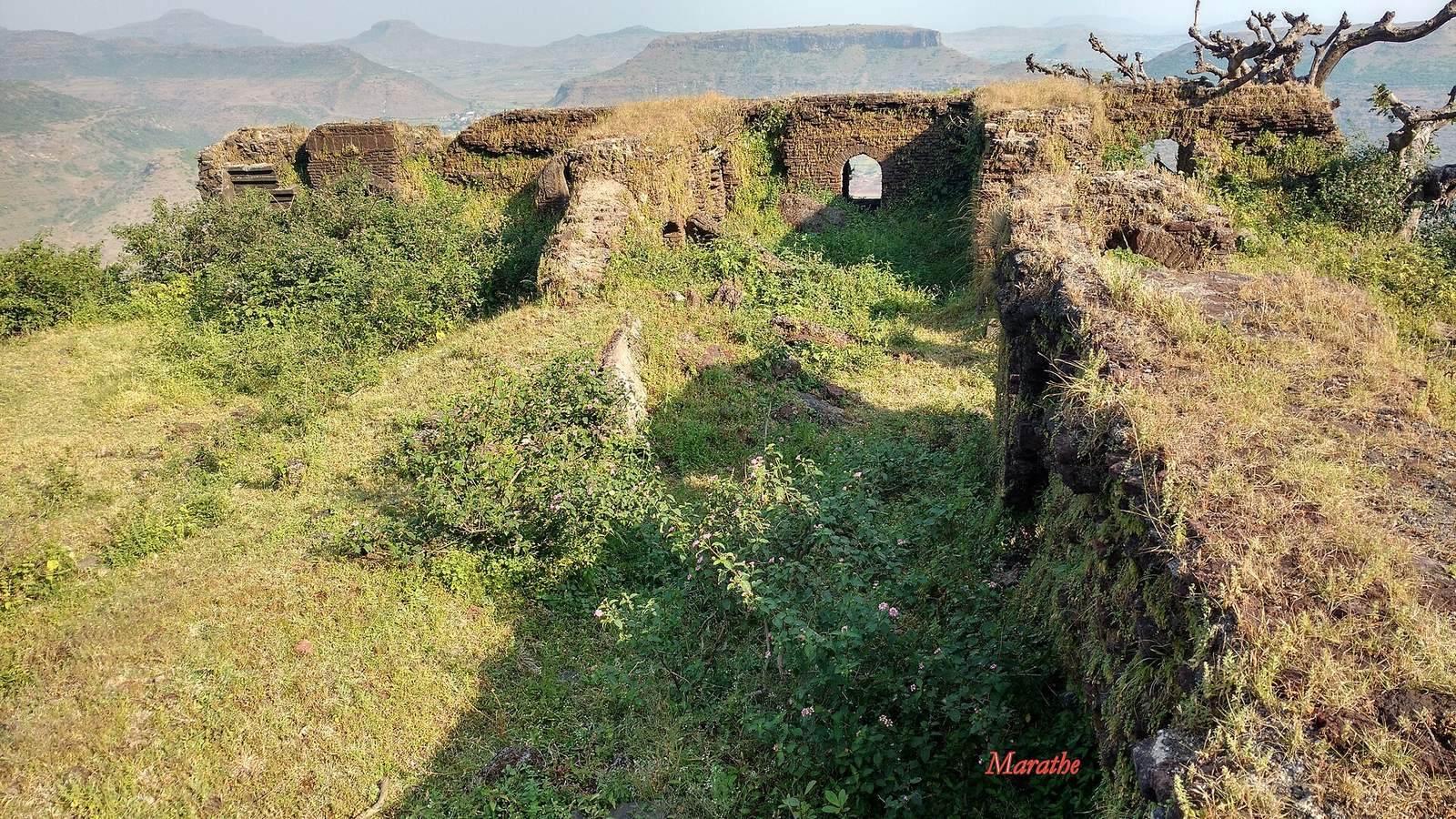
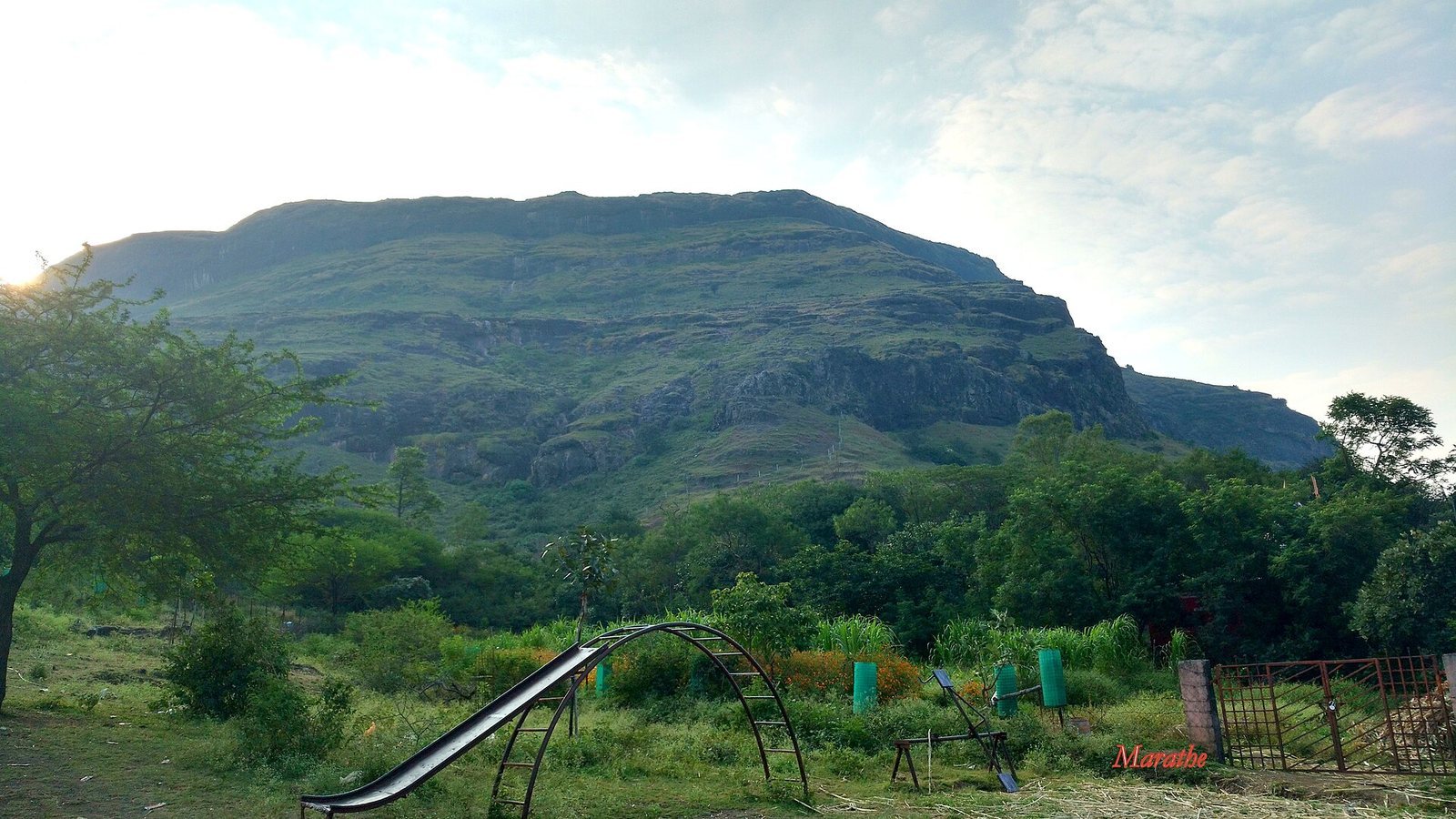
Built of stone, the fort stands in the Ajintha Satmal Hill Range at an elevation of 1,368.55 m (4,490 ft). It is now in ruins.