Frauenberg Castle in Bodman: A Medieval Family Seat and Monastery
Site at a Glance
- Popularity
- Medium
- Country
- Germany
- Primary era
- Medieval
- Eras represented
- Medieval, Early Modern
- Civilizations
- Holy Roman Empire
- Site type
- Military
- Remains
- Castle
On this page9 sections
History
Frauenberg Castle in Bodman, Germany, began as the family seat of the Lords of Bodman, who started building it in the 14th century. They served the Hohenstaufen, a medieval ruling dynasty of the Holy Roman Empire, as imperial ministerials, nobles with duties under an emperor or other great lord, and later became counts.
The 1307 fire
On 16 September 1307, lightning struck during a family celebration, and a fire destroyed the castle. A rescue legend says the blaze killed the Bodman family and several nobles from the Hegau. Those named include Conrad, Katharina, Adelheid and Anna von Bodman, Gottfried von Kreyen, Heinrich von Blumegg, and the knights Hans von Bodman and Hans von Schellenberg. The legend says the one-year-old heir, Johannes von Bodman, survived when his nurse placed him in a large cauldron and threw it out of a window. The cauldron descended the rocks, slowed by bushes, and came to rest with the child alive inside.
From castle to monastery
After the fire, the heir’s grandfather established a chapel and a priest’s house on the ruined site, then gave them to Salem Abbey around 1308 or 1309 for the heir’s salvation. Salem was a Cistercian monastery, belonging to an order shaped by a reform tradition within Benedictine monasticism. The community developed the burned castle into Frauenberg monastery. Built in 1309 and dedicated to the Blessed Virgin, the chapel became a pilgrimage site.
Rebuilding and later use
Building work and a renewed consecration took place in 1515. Further rebuilding, remodeling and enlargement followed in the early 17th century, including work in 1611.
In 1806, during secularization, when church property passed into secular control, the monastery returned to the Bodman family. The family still owns the site, which is used as a monastery by Communitas Agnus Dei, a Catholic community not recognized by the Catholic Church or Protestant churches.
Remains
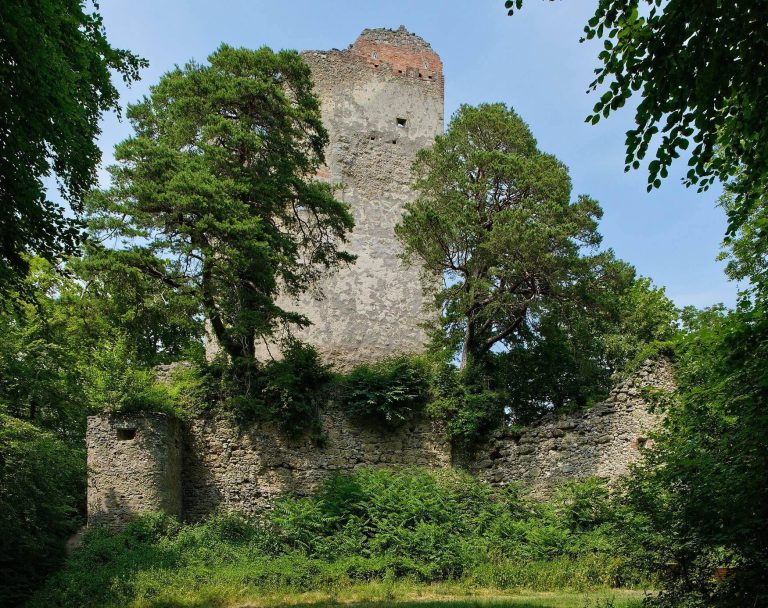
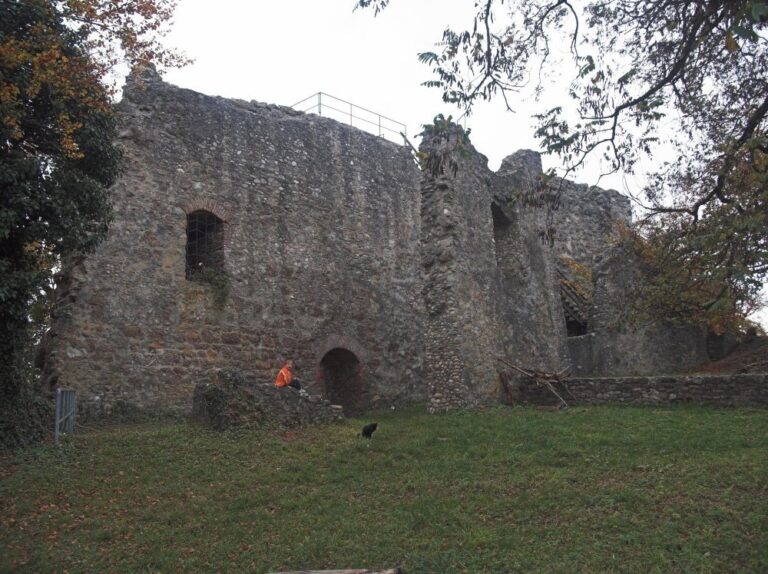
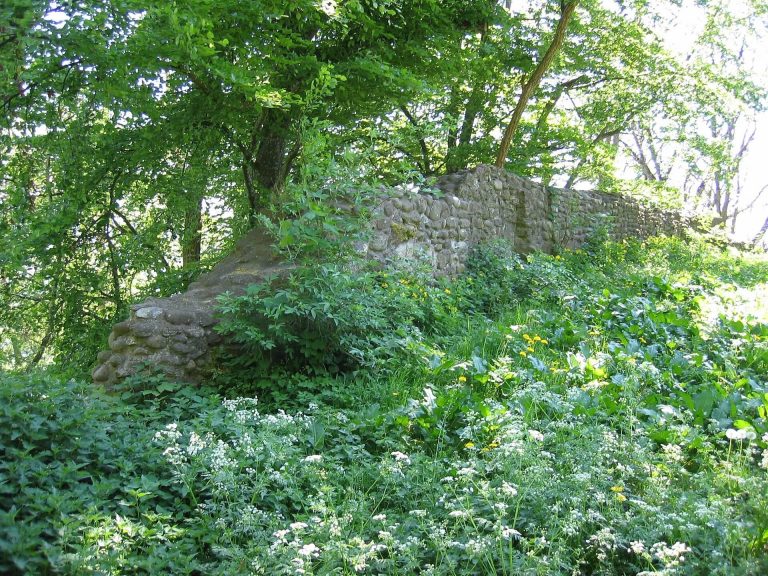
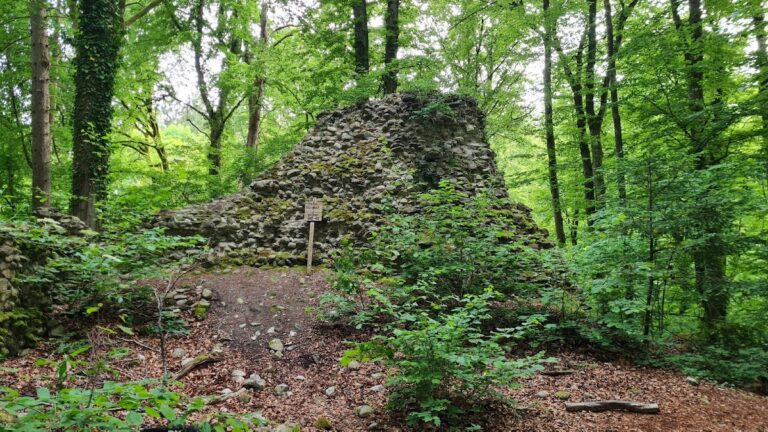
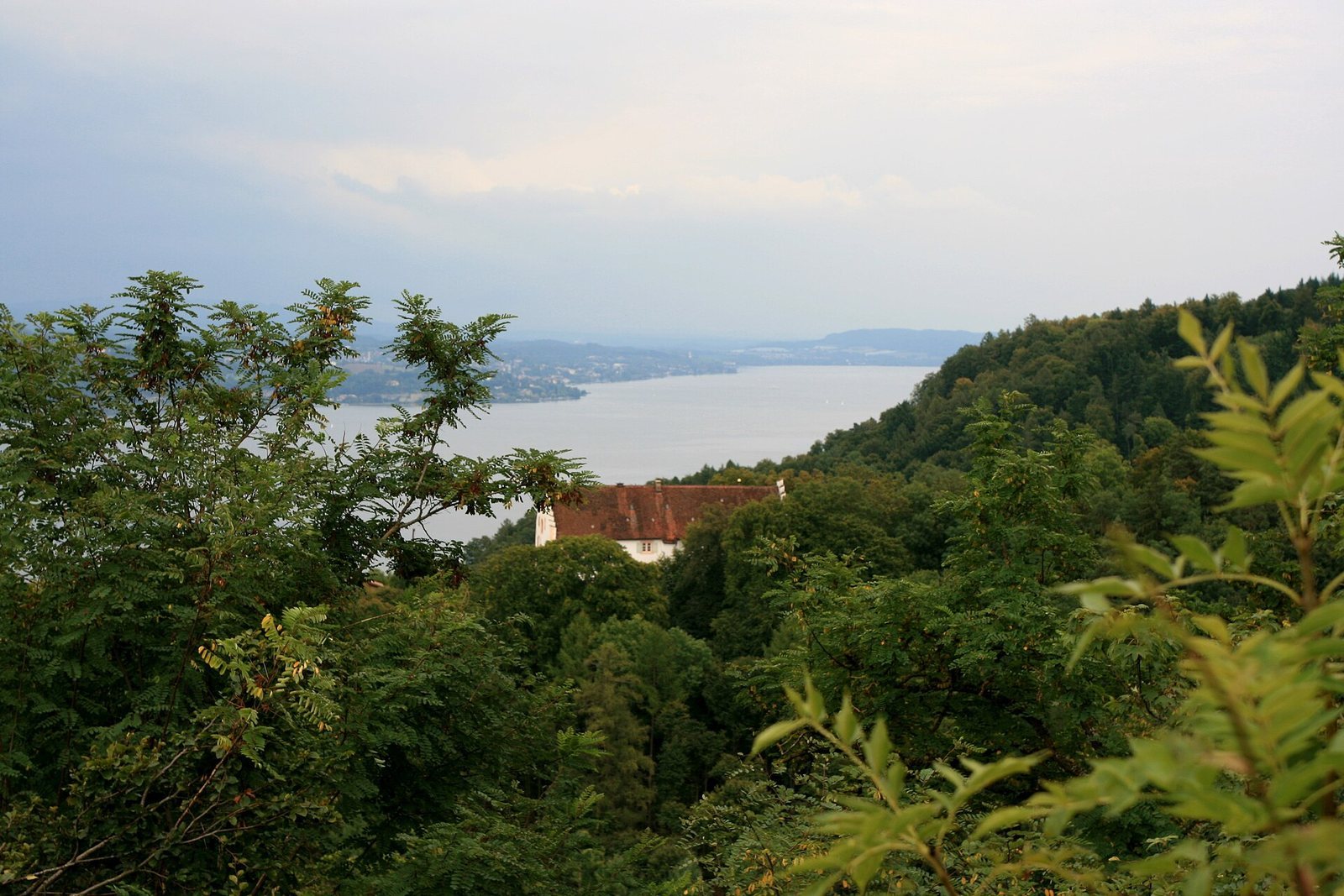
The spur castle, a fortress built on a projecting tongue of land, occupies a north-pointing spur measuring about 70 by 14 metres, at an elevation of 532 metres above sea level. The site lies about 650 metres southwest of Bodman church, opposite the ruins of Altbodman.
Surviving buildings and features
Residential building
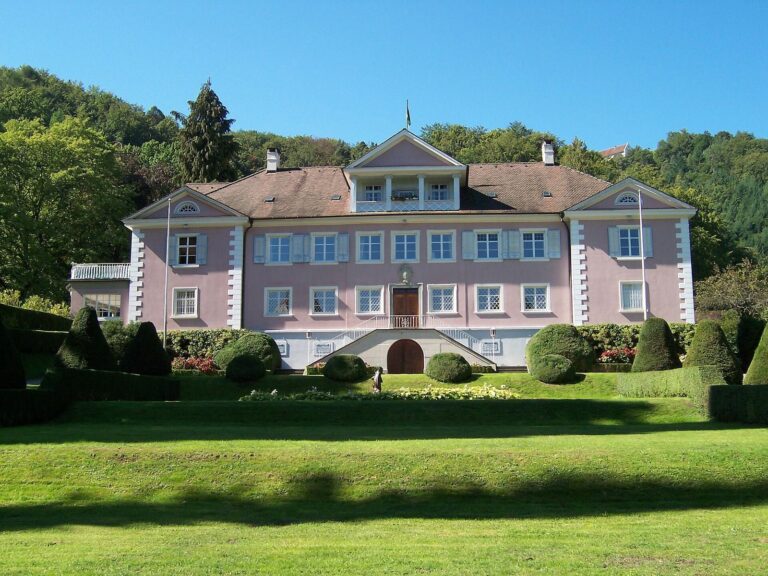
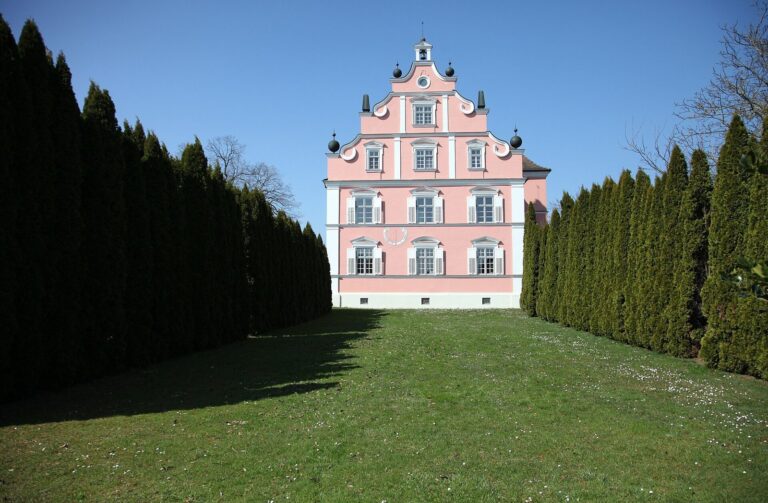
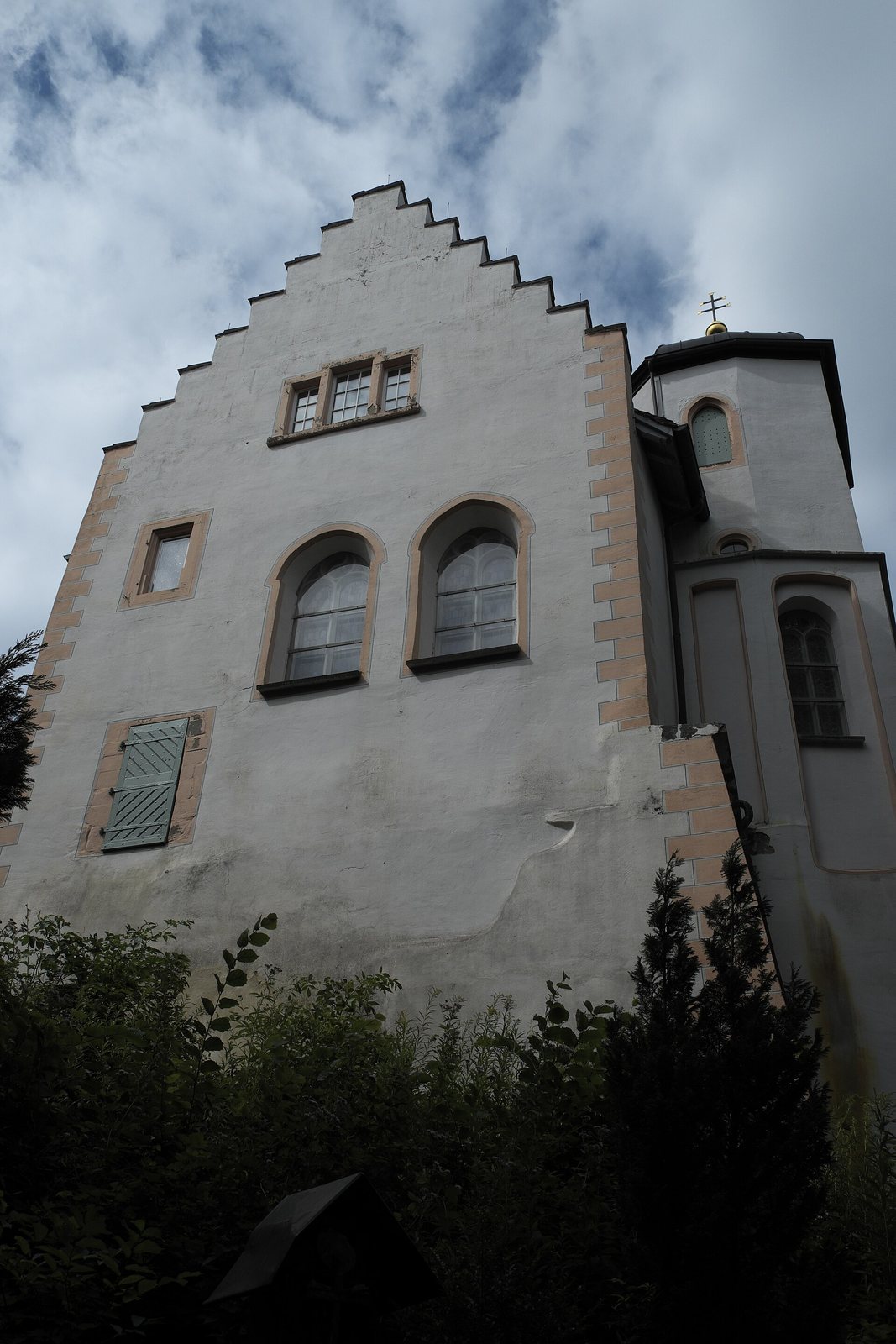
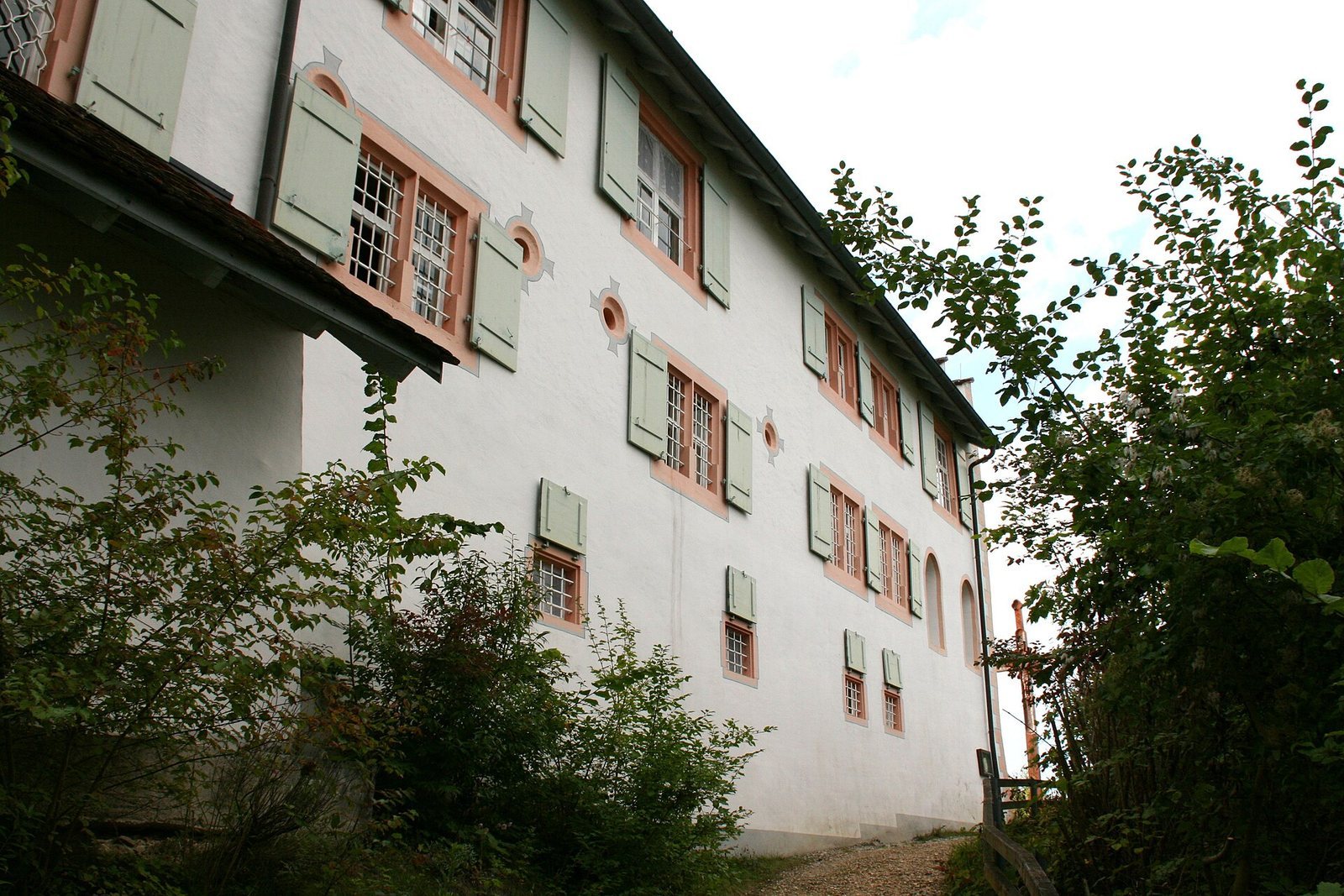
The residential building used by the religious community incorporates surviving castle fabric. It has a gabled roof and stepped gables, and substantial parts of the castle remain.
Chapel and sculpture
The old castle chapel is associated with statues of the Virgin Mary and a 15th-century Pietà, a sculpture of Mary mourning or holding the dead Christ.
Obelisk
A small obelisk marks the place where, according to the rescue legend, the cauldron came to rest.